

High-end dietary supplements demand raw materials with exceptional purity and batch consistency. Frozen whole red raspberries, prized for their rich nutrient profile and vibrant flavor, require a stringent quality management system to meet these elevated standards. This article delves into a comprehensive quality control framework encompassing raw material acceptance, triple manual sorting, robust cold chain logistics, and internationally recognized food safety certifications. Industry professionals, including procurement decision-makers and product developers, will gain actionable insights into securing premium raspberry ingredients that elevate product performance and consumer trust.
Ensuring that frozen whole red raspberries maintain over 95% integrity of whole fruits begins with rigorous raw material inspection protocols. Acceptance criteria include visual assessment for firmness, uniform color saturation, absence of decay, and compliance with pesticide residue limits, aligned with global standards such as EU MRLs and FDA tolerances.
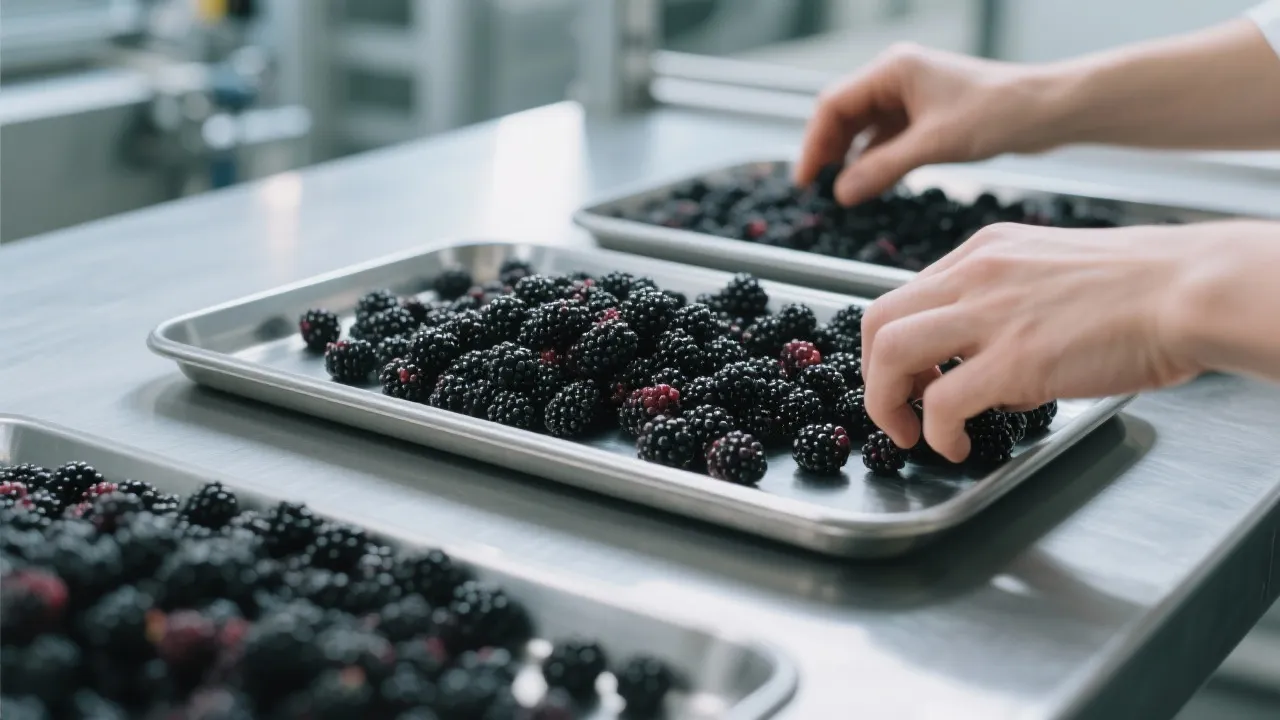
Post-acceptance, the raspberries undergo a three-stage manual sorting process conducted by trained quality specialists. This multilayered screening removes damaged, discolored, or extraneous materials, effectively minimizing contaminants and preserving the fruit’s whole form. Such meticulous labor-intensive control ensures raw materials meet the premium threshold essential for dietary supplement applications.
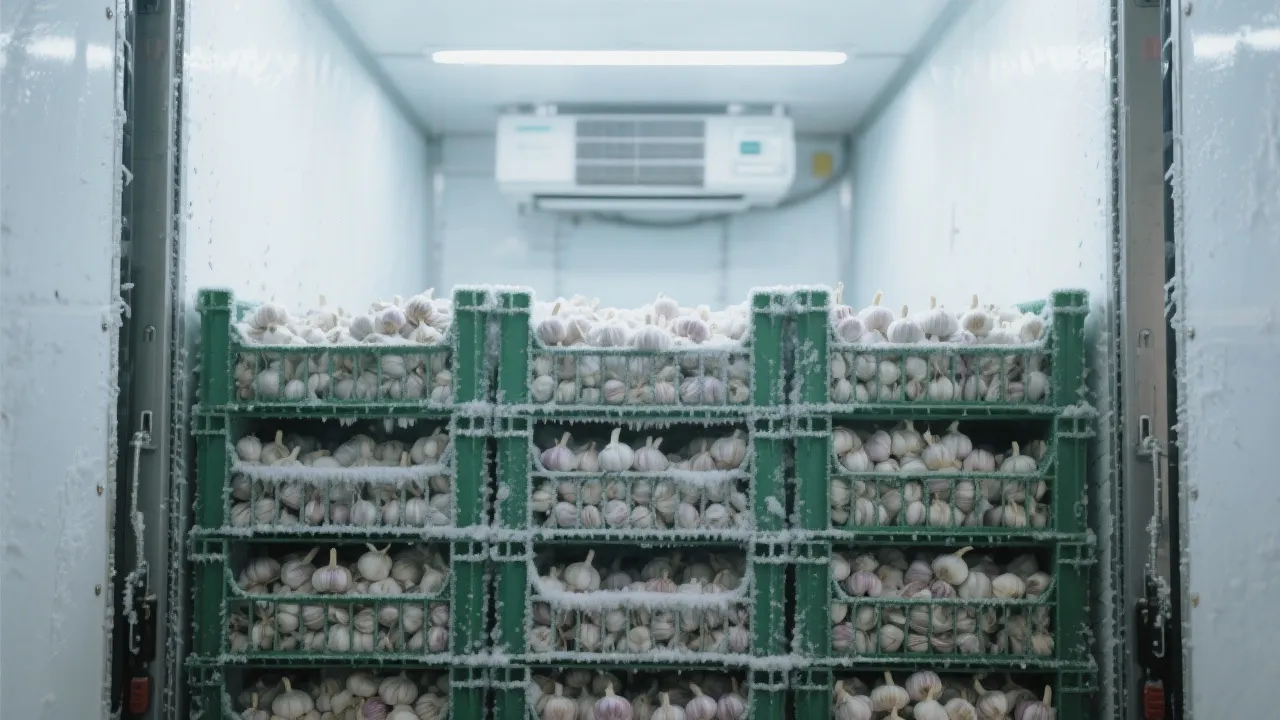
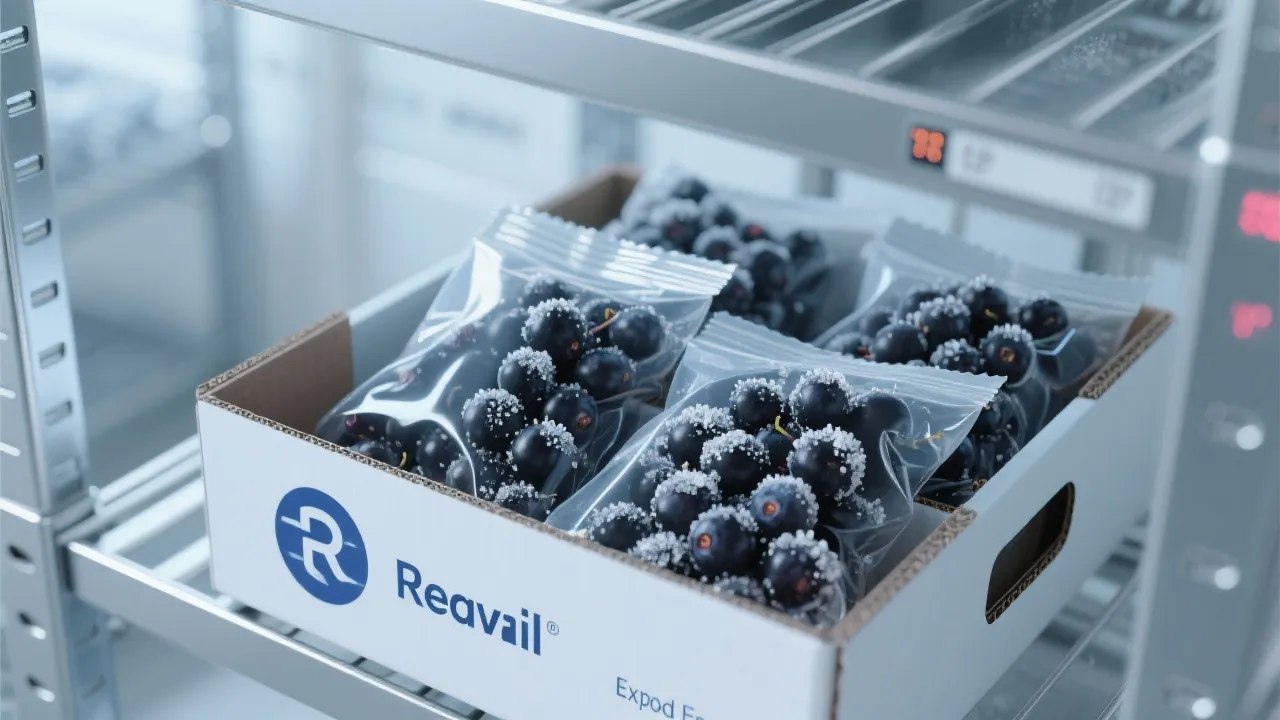
A critical enabler of raspberry quality preservation is the implementation of a strict -18°C cold chain temperature regime throughout processing, storage, and transport. This standardized temperature barrier significantly retards enzymatic activity and microbial growth, safeguarding the fruit’s bioactive compounds and texture stability.
Complementing this, a comprehensive cold chain monitoring system equipped with IoT-enabled sensors provides end-to-end temperature tracking. Real-time alerts allow immediate corrective action, reducing risk of spoilage during transit across international and regional supply routes. Evidence indicates that shipments maintaining rigorous cold chain protocols witness a reduction in spoilage-related losses by approximately 30%.

Integration of HACCP (Hazard Analysis and Critical Control Points) frameworks and ISO 22000 certification standards ensures that all stages— from sourcing to delivery— adhere to rigorous risk assessment and management protocols. This layered compliance certifies the frozen raspberries not only meet safety benchmarks but also facilitate streamlined international regulatory approvals.
By embedding these globally respected systems into their production, manufacturers assure customers and regulators that biological, chemical, and physical hazards are systematically controlled, reducing product recall risks and enhancing export viability.
Beyond internal controls, third-party testing by authoritative organizations such as SGS and CQC provides independent validation of ingredient quality parameters. These comprehensive test reports analyze microbial counts, heavy metal residues, nutritional composition, and pesticide levels, aligning with global pharmacopeia and supplement standards.
Such transparent external certification supports formulation scientists in achieving batch-to-batch consistency and regulatory compliance, fostering confidence among raw material buyers and end consumers.
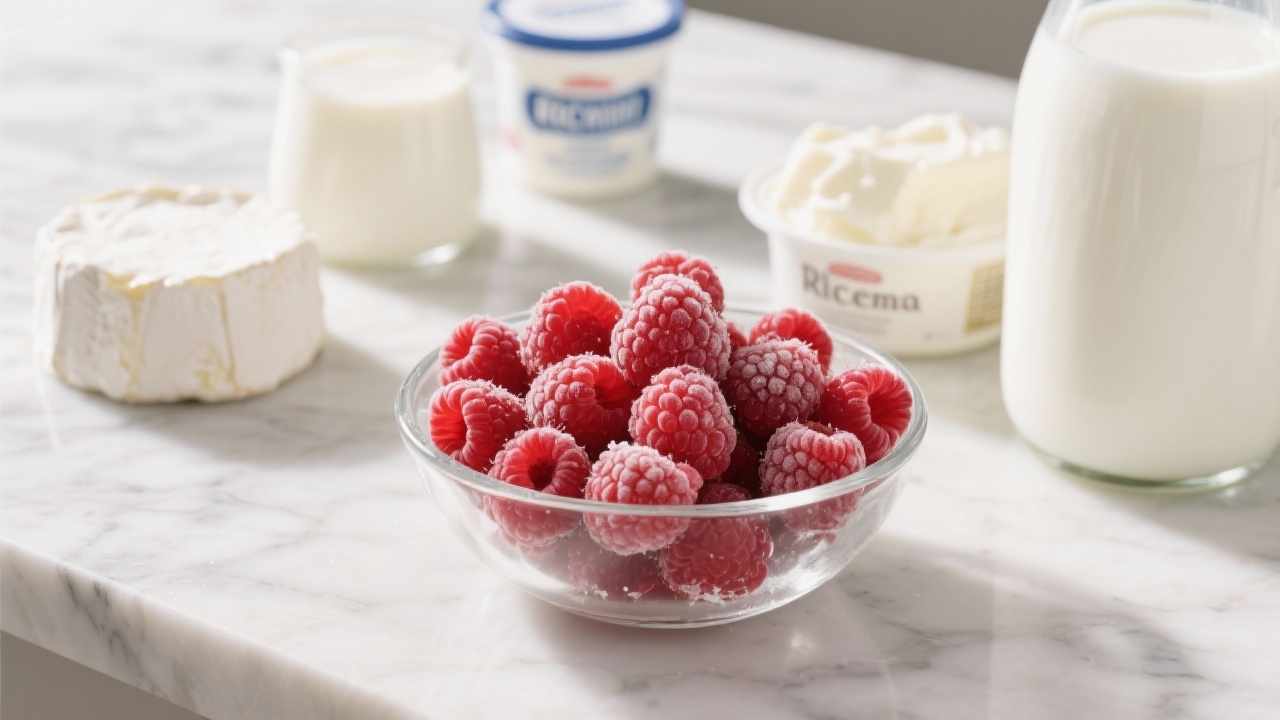
Practical case studies demonstrate how adoption of this integrated quality system directly contributes to measurable improvements in supply reliability and ingredient purity. One large-scale dietary supplement manufacturer reported a 25% decline in raw material rejection rates, alongside improved consumer satisfaction metrics related to product consistency and efficacy.
Further, the standardized procedures promote scalability, enabling cross-category applications to other berry varieties without compromising quality parameters—a vital advantage in product line expansions.
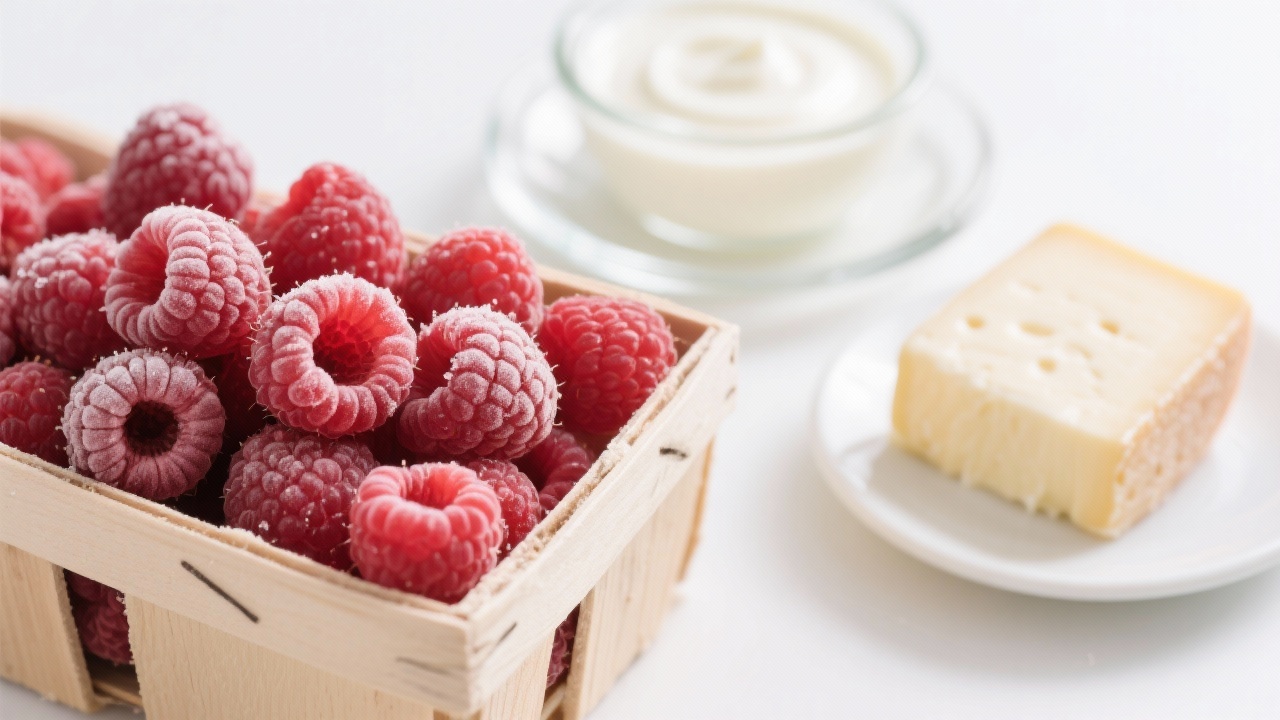
The science-backed framework detailed herein embodies industry best practices—combining high-resolution manual sorting, stringent cold storage management, internationally accredited food safety standards, and third-party quality verification—to assure excellence in frozen whole red raspberry raw materials. For supply chain managers and R&D specialists, leveraging these insights will facilitate effective risk control, optimize supplier partnerships, and ultimately enhance product market competitiveness.
Seasonal content strategies aligned with harvest and demand patterns can further amplify outreach and search engine rankings, propelling brand visibility amidst a competitive healthy food and nutrition market.

 141
|
141
|
 freeze dried raspberry powder
anthocyanin preservation
vitamin C stability
functional food ingredient
low temperature drying process
300
|
rapid frozen blackberries
frozen berry nutrient retention
export-grade berries
quick freezing technology
frozen fruit quality control
370
|
frozen berry packaging solutions
custom packaging for health foods
eco-friendly fruit packaging
packaging design for cold chain
brand packaging strategy
131
|
rapid freezing technology
frozen blackberry nutrition retention
export-grade frozen berries
blackberry freeze preservation
food supply chain quality control
443
|
Small - batch trial orders
OEM private label customization
Frozen fruit packaging solutions
Flexible procurement of food supply chain
Frozen blackcurrant packaging requirements
freeze dried raspberry powder
anthocyanin preservation
vitamin C stability
functional food ingredient
low temperature drying process
300
|
rapid frozen blackberries
frozen berry nutrient retention
export-grade berries
quick freezing technology
frozen fruit quality control
370
|
frozen berry packaging solutions
custom packaging for health foods
eco-friendly fruit packaging
packaging design for cold chain
brand packaging strategy
131
|
rapid freezing technology
frozen blackberry nutrition retention
export-grade frozen berries
blackberry freeze preservation
food supply chain quality control
443
|
Small - batch trial orders
OEM private label customization
Frozen fruit packaging solutions
Flexible procurement of food supply chain
Frozen blackcurrant packaging requirements




.png?x-oss-process=image/resize,h_100,m_lfit/format,webp)
.png?x-oss-process=image/resize,h_100,m_lfit/format,webp)
.png?x-oss-process=image/resize,h_100,m_lfit/format,webp)
 English


