

In the world of dietary supplements, frozen whole red raspberries stand out as a premium choice for functional food formulations. The rising demand for high-quality, nutrient-rich raw materials has positioned these berries as indispensable for brands aiming to enhance both efficacy and consumer trust. Achieving consistent quality in frozen raspberry raw materials involves a meticulously designed triple manual sorting process, stringent adherence to quality standards, and a robust cold chain management system that connects field harvests all the way to global clients.
Compared to freeze-dried powders, frozen whole raspberries better preserve vital nutrients such as anthocyanins and vitamin C. The intact fruit structure maintains a natural synergy of bioactive compounds that often diminish during drying processes. From an application standpoint, retaining the whole berry shape provides greater flexibility in downstream processing and an improved sensory experience in final supplement products — attributes highly valued by B2B formulators and end consumers alike.
To meet rigorous raw material acceptance standards, manufacturers implement a triple manual sorting protocol throughout the processing line. This multi-stage human inspection ensures that less than 5% of damaged or off-spec fruit is included in the final batch, consistently achieving a whole fruit rate of over 95%.
The first sort occurs immediately post-harvest to remove visibly damaged berries, impurities, and foreign matter. Subsequent sorts happen during processing and pre-freezing to exclude subtle defects and maintain product integrity. This human-driven precision complements automated processes, as trained operators can detect subtle nuances that machines may miss, especially those impacting anthocyanin preservation.
Such a layered approach not only safeguards organoleptic properties but significantly improves the stability of active compounds crucial for supplement efficacy.

Beyond manual sorting, adherence to HACCP and ISO 22000 food safety management systems anchors quality throughout the supply chain. These certifications demand systematic hazard analysis, preventive controls, and continuous monitoring to prevent contamination or degradation during production and storage.
Real-world implementation at leading facilities demonstrates how these standards convert theoretical guidelines into verifiable outcomes, such as reducing microbial counts and ensuring chemical stability.
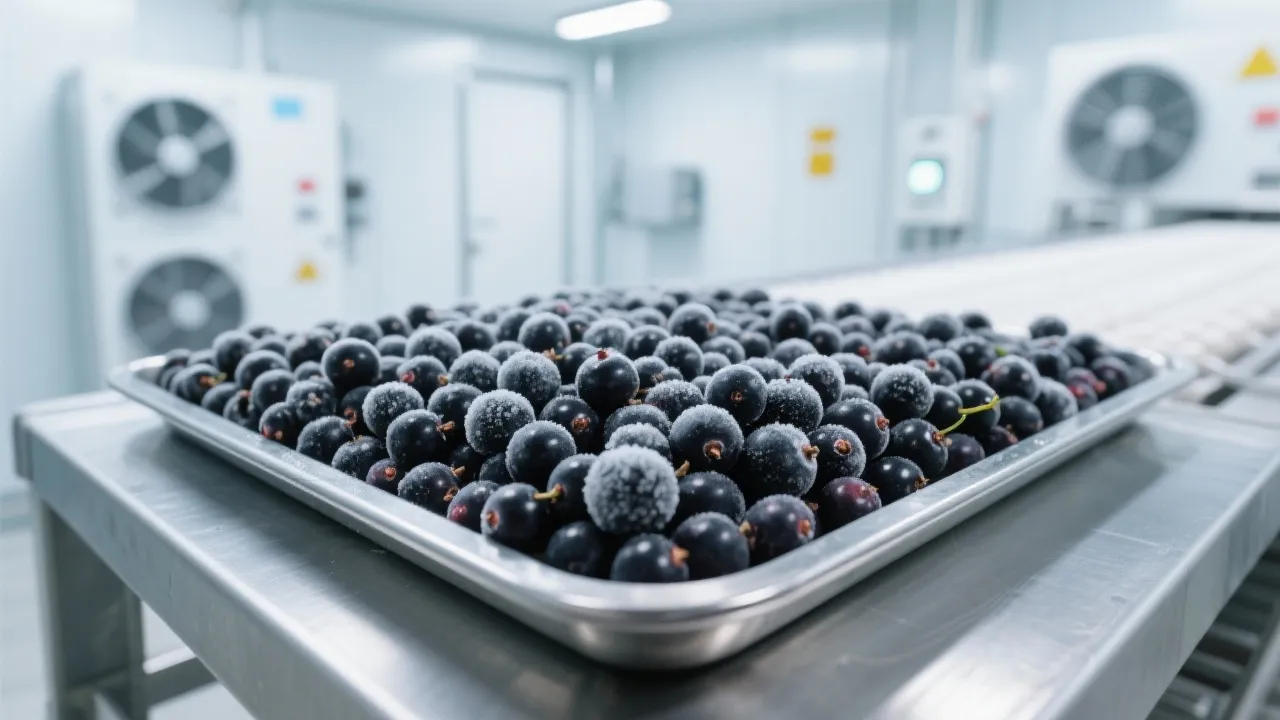
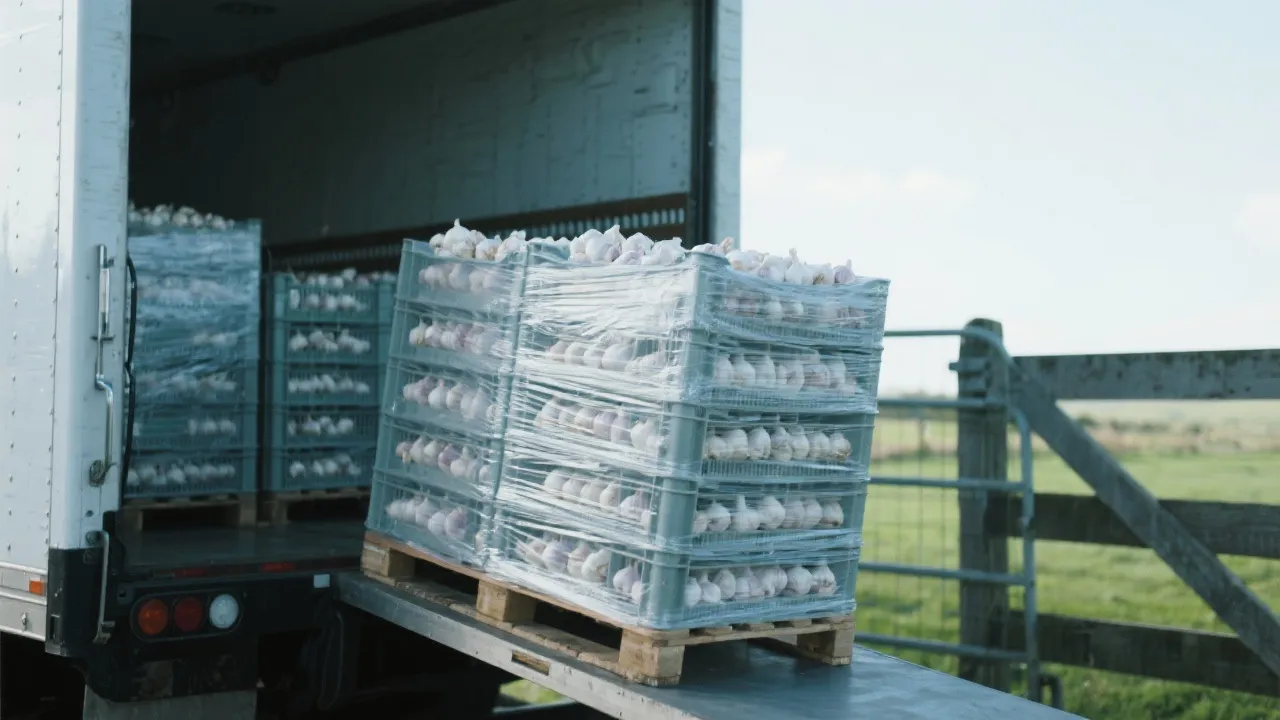
Maintaining temperature integrity from field to factory and then to worldwide distribution is critical for safeguarding frozen raspberry quality. Advanced temperature-controlled logistics systems utilize continuous monitoring and reporting tools, enabling immediate action upon detecting cold chain breaks.
Data collected from these systems have revealed that firms employing robust cold chain management can reduce quality variability by up to 30%, directly impacting ingredient consistency and customer satisfaction.
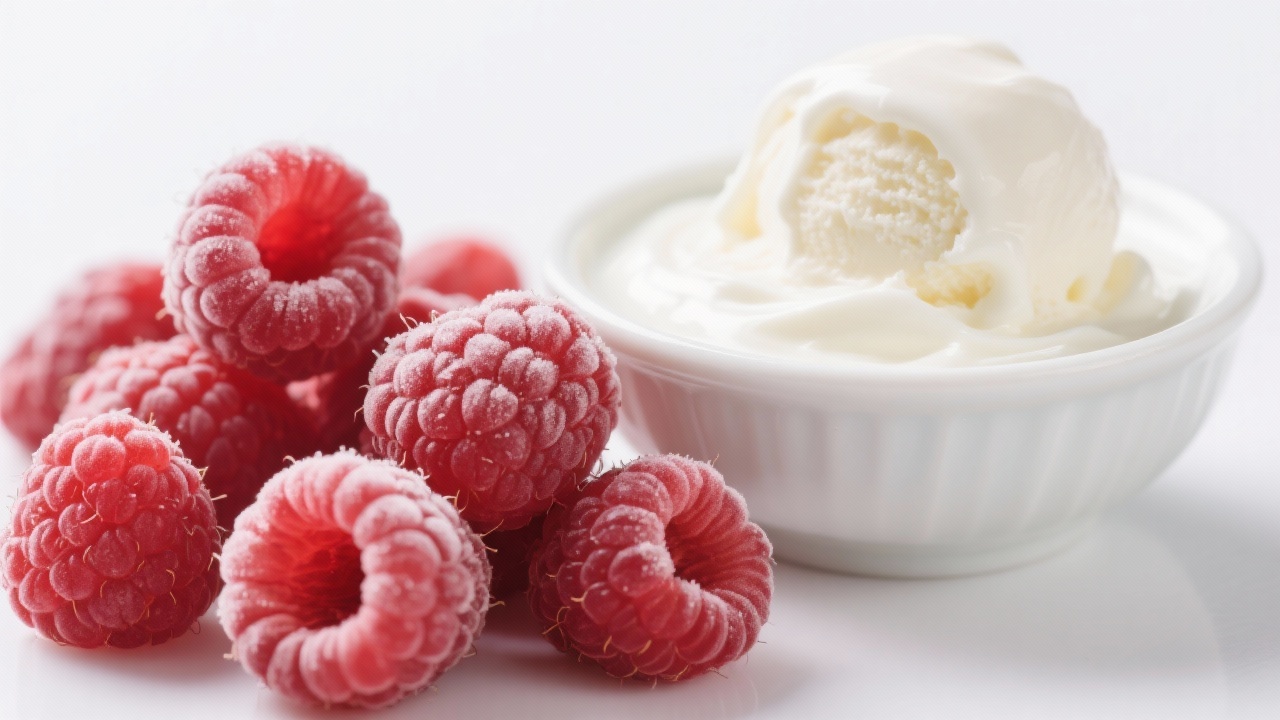
“Since integrating the triple manual sorting process and upgrading our cold chain controls, our batch variability has decreased by 30%. This improvement translated directly into higher efficacy claims and reduced regulatory scrutiny.” – Senior R&D Manager, Leading Supplement Brand.
This testimonial underscores the tangible benefits of combining rigorous sorting with quality certifications and logistics oversight. Additionally, independent laboratory analyses from SGS and CQC have provided third-party validation for the consistent retention of active compounds, bolstering confidence among formulators.
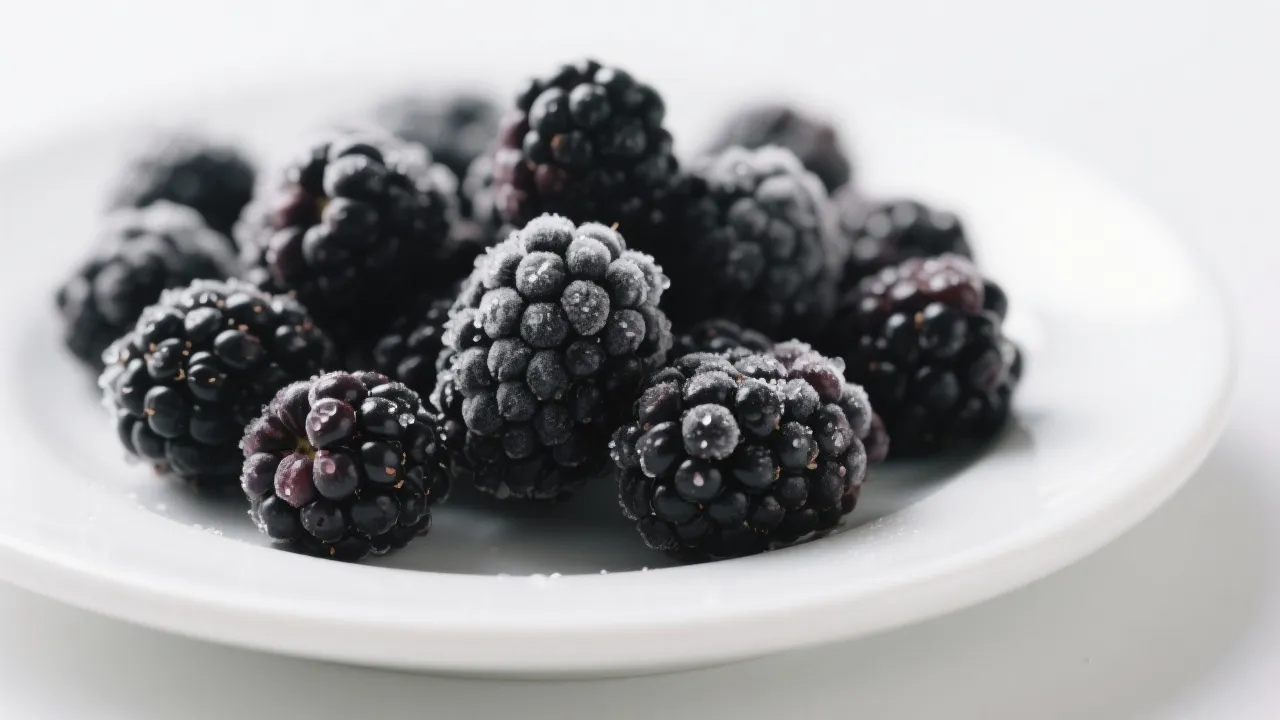
The protocols perfected for frozen whole red raspberries are broadly applicable to other premium berry ingredients, such as blueberries and black goji berries. Standardized manual sorting, updated HACCP frameworks, and tailored cold chain solutions form the quality backbone across these different raw materials, demonstrating how industry best practices drive overall supply chain excellence.


 237
|
237
|
 frozen berry packaging requirements
OEM private label food packaging
EU food labeling compliance
eco-friendly packaging for frozen foods
cold chain packaging solutions
91
|
rapid freezing technology
food safety management system
HACCP certification
ISO 22000
frozen blackberry preservation
494
|
freeze dried raspberry powder supply chain
cold chain logistics management
flexible replenishment strategy
overseas brand ingredient sourcing
international food raw materials
288
|
freeze-dried red raspberry powder supply chain
cross-border cold chain logistics
export-grade freeze-dried fruit powder
temperature-controlled tracking system
flexible small-batch trial production
108
|
EU import standards
HACCP certification
frozen blackcurrants
supply chain optimization
European market compliance
frozen berry packaging requirements
OEM private label food packaging
EU food labeling compliance
eco-friendly packaging for frozen foods
cold chain packaging solutions
91
|
rapid freezing technology
food safety management system
HACCP certification
ISO 22000
frozen blackberry preservation
494
|
freeze dried raspberry powder supply chain
cold chain logistics management
flexible replenishment strategy
overseas brand ingredient sourcing
international food raw materials
288
|
freeze-dried red raspberry powder supply chain
cross-border cold chain logistics
export-grade freeze-dried fruit powder
temperature-controlled tracking system
flexible small-batch trial production
108
|
EU import standards
HACCP certification
frozen blackcurrants
supply chain optimization
European market compliance





.png?x-oss-process=image/resize,h_100,m_lfit/format,webp)
.png?x-oss-process=image/resize,h_100,m_lfit/format,webp)
.png?x-oss-process=image/resize,h_100,m_lfit/format,webp)
 English


