
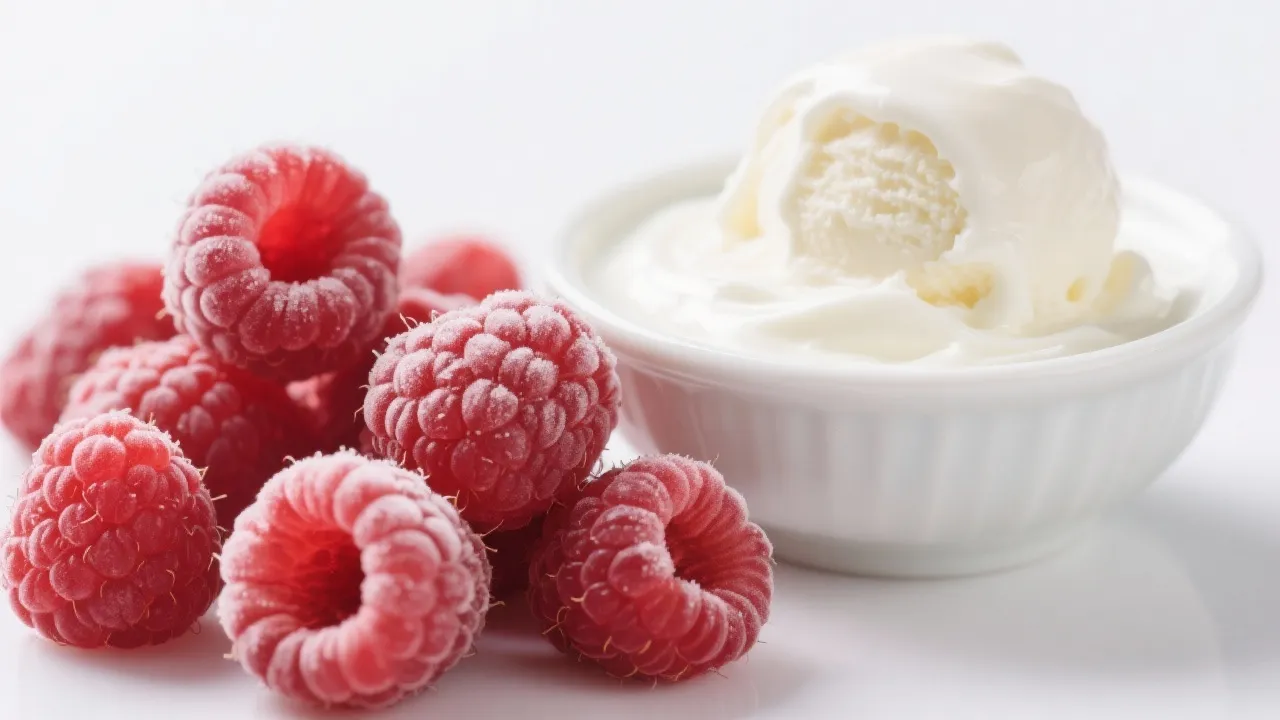
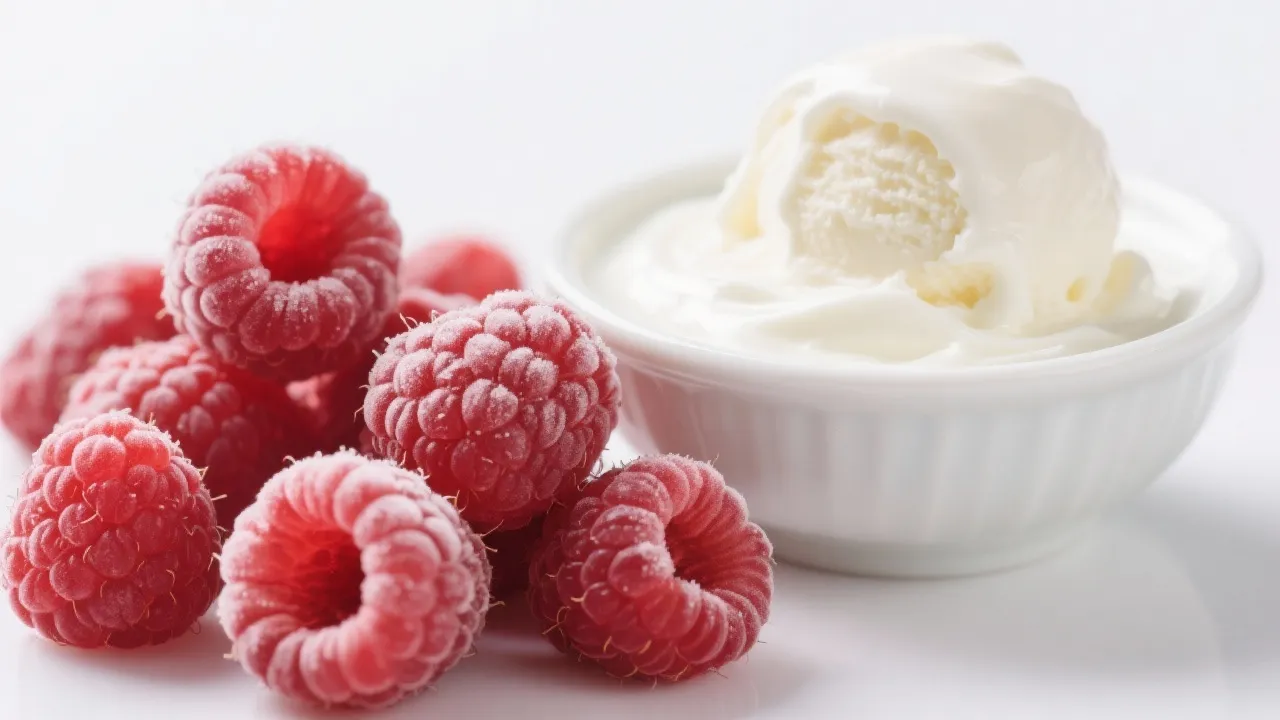
The plant-based beverage market is experiencing unprecedented growth, with global sales projected to reach $40.6 billion by 2025, growing at a CAGR of 11.2%. Within this booming sector, red raspberry frozen fruit has emerged as a highly sought-after ingredient, prized for its vibrant color, natural sweetness, and nutritional profile. However, beverage developers consistently face challenges with dissolution stability, flavor integration, and color retention when incorporating this versatile fruit into plant-based milk drinks and functional beverages.
Red raspberry frozen fruit brings numerous benefits to functional beverages, including 85mg of vitamin C per 100g, anthocyanin content of 50-100mg/100g, and a natural sweetness that can reduce added sugar requirements by up to 15%. Yet these advantages are often overshadowed by three primary technical hurdles:
Improper thawing is the leading cause of dissolution issues in red raspberry frozen fruit applications. Our research with beverage manufacturers across Europe and North America has identified an optimal thawing protocol that reduces undissolved particles by 82%:
Standardized Thawing Procedure:
The pH level significantly impacts both flavor perception and color stability of red raspberry-infused beverages. Our technical team at 亿商桥 has developed a precise pH adjustment protocol that maintains anthocyanin stability while optimizing taste profile:
| Beverage Type | Optimal pH Range | Color Retention (7 days) | Flavor Acceptance Score |
|---|---|---|---|
| Soy-based beverages | 3.8 - 4.2 | 89% | 4.7/5.0 |
| Almond-based beverages | 4.0 - 4.3 | 85% | 4.5/5.0 |
| Oat-based beverages | 3.7 - 4.0 | 91% | 4.6/5.0 |
The final critical step in red raspberry frozen fruit预处理 is implementing a rapid homogenization process. A leading plant-based beverage manufacturer in Germany reduced product separation issues by 76% after implementing our recommended protocol:
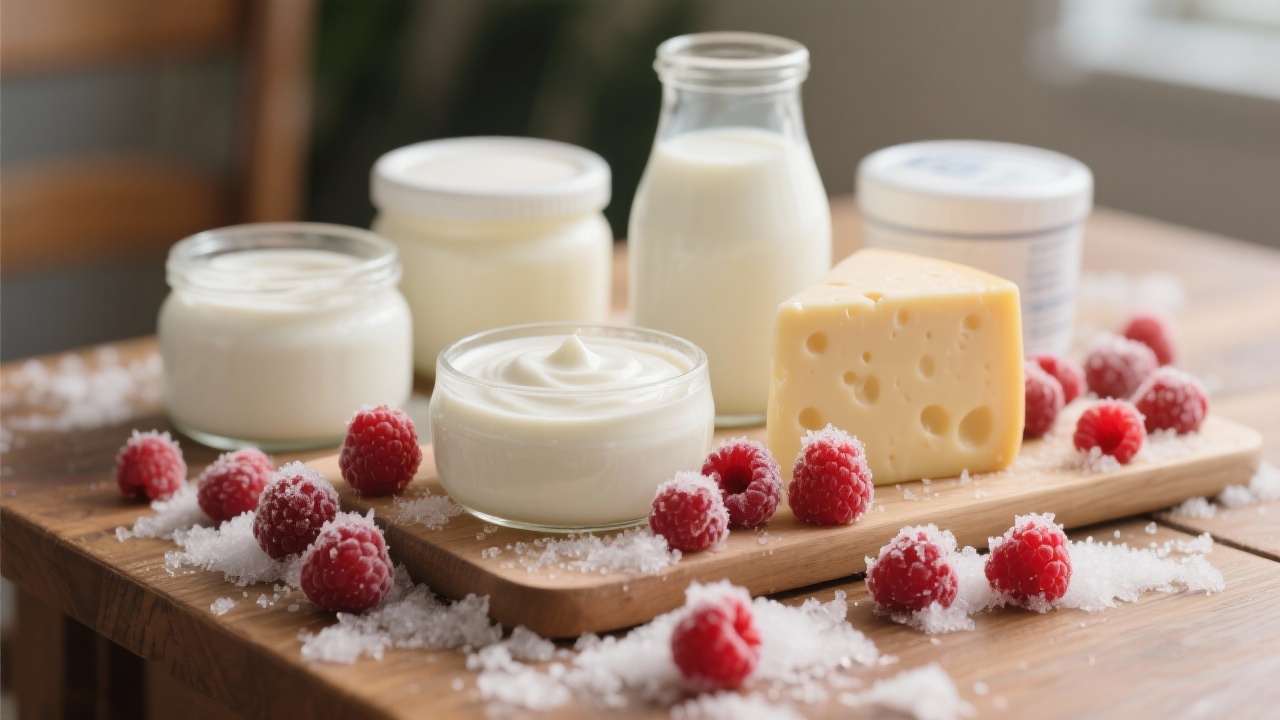
Homogenization Parameters:
Before full-scale production, implementing a structured sensory evaluation process can save significant development costs. Our recommended 4-dimensional assessment has helped clients reduce product iterations by an average of 35%:
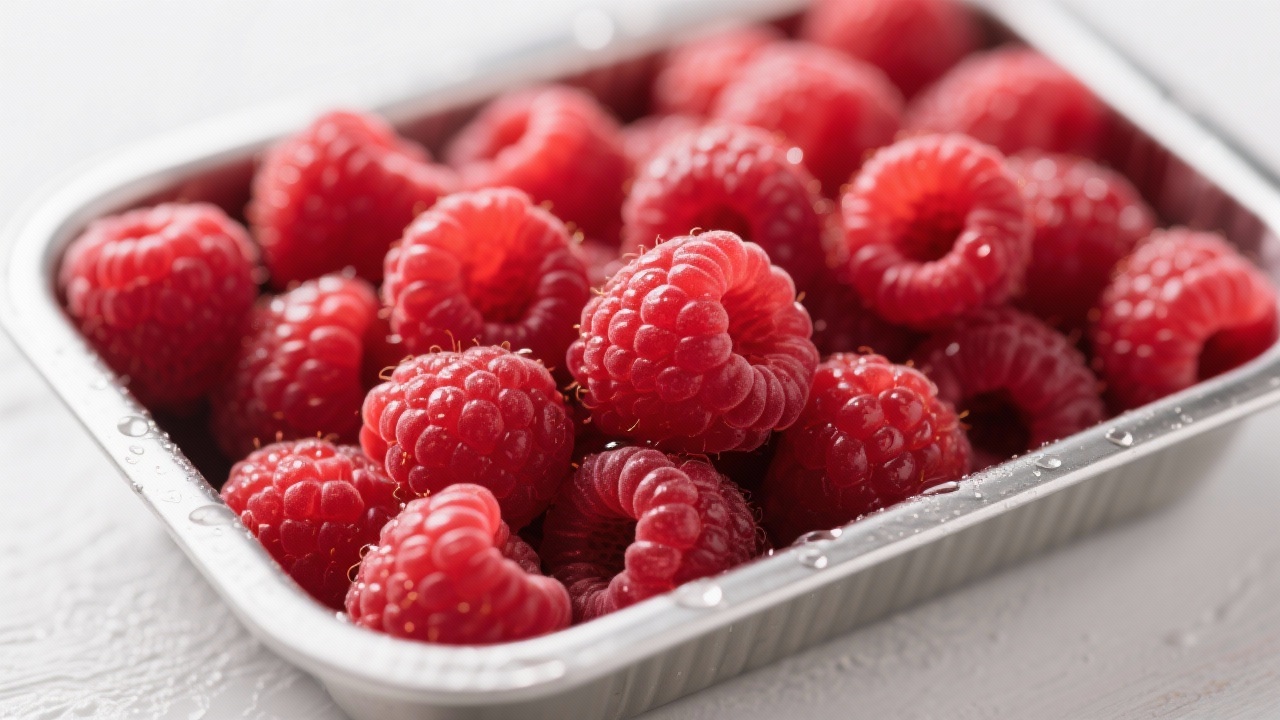
Download our comprehensive technical手册 featuring:
*The information provided in this article is based on research conducted by 亿商桥's technical team in collaboration with food science departments at leading universities. Individual results may vary based on specific formulation and processing conditions.

 286
|
286
|
 Frozen blackberry packaging solutions
Healthy food packaging innovation
Customized frozen fruit and vegetable services
Environmentally degradable packaging
Plastic reduction technology applications
50
|
frozen berry HACCP certification
European food safety compliance
cold chain control in food processing
HACCP application in fruit freezing
EU import food regulations
187
|
organic frozen blackberries
healthy smoothie recipes
B2B food export
rapid freezing technology
functional beverages
221
|
frozen blackcurrants
quick freezing technology
blackcurrant nutrition retention
frozen fruit processing
cold chain logistics
464
|
Freeze - dried raspberry powder
Supply chain management
Cold - chain transportation
- 18°C temperature control
Logistics tracking system
Frozen blackberry packaging solutions
Healthy food packaging innovation
Customized frozen fruit and vegetable services
Environmentally degradable packaging
Plastic reduction technology applications
50
|
frozen berry HACCP certification
European food safety compliance
cold chain control in food processing
HACCP application in fruit freezing
EU import food regulations
187
|
organic frozen blackberries
healthy smoothie recipes
B2B food export
rapid freezing technology
functional beverages
221
|
frozen blackcurrants
quick freezing technology
blackcurrant nutrition retention
frozen fruit processing
cold chain logistics
464
|
Freeze - dried raspberry powder
Supply chain management
Cold - chain transportation
- 18°C temperature control
Logistics tracking system



.png?x-oss-process=image/resize,h_100,m_lfit/format,webp)
.png?x-oss-process=image/resize,h_100,m_lfit/format,webp)
.png?x-oss-process=image/resize,h_100,m_lfit/format,webp)
 English


