
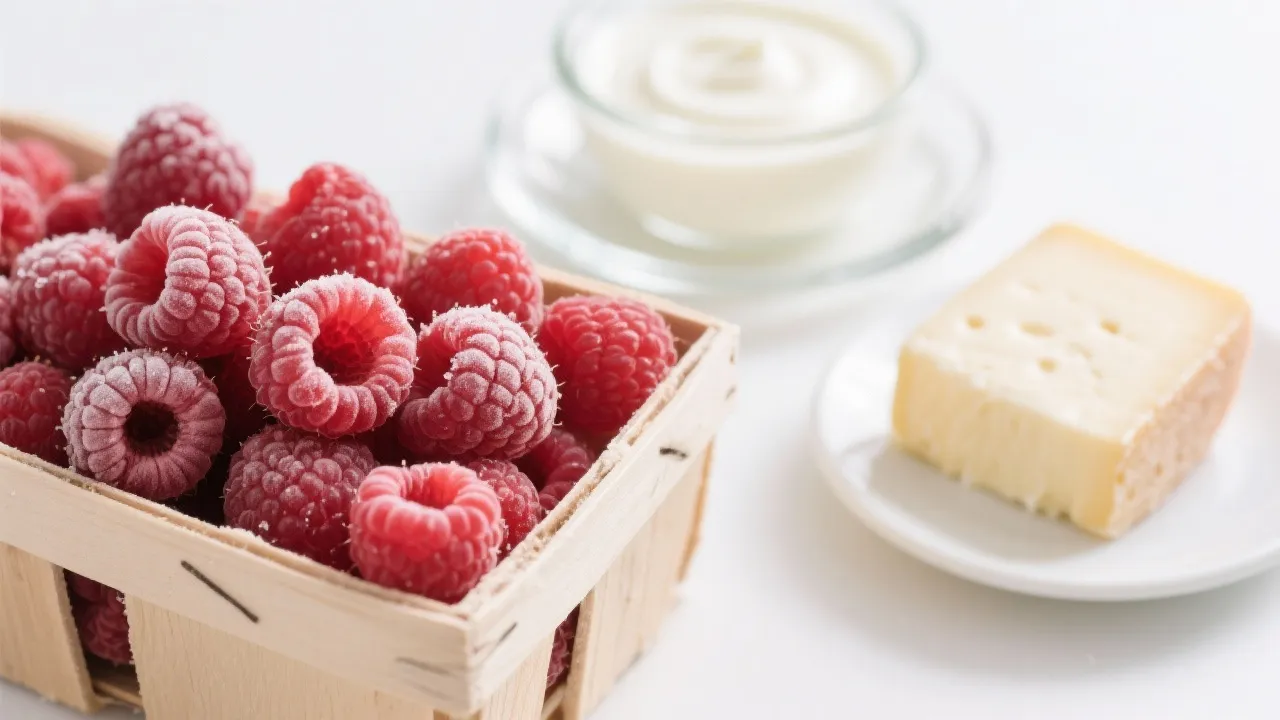
As functional beverage developers, you've likely faced the frustration of incorporating red raspberry frozen fruit—those beautiful deep crimson hues turning muddy, inconsistent texture ruining mouthfeel, or worst of all, expensive batches failing stability tests. The data speaks for itself: industry studies show that nearly 42% of new fruit-based functional beverages face formulation challenges directly related to frozen fruit incorporation, with red raspberries ranking among the most problematic due to their delicate anthocyanin structure and high fiber content.
A leading North American beverage manufacturer recently shared their experience: three months of development time and $45,000 in R&D costs were nearly lost when their raspberry protein drink developed unacceptable sedimentation and color fade after just 3 weeks of shelf testing. Their initial approach? Simply blending frozen raspberries into their base formula—a common mistake that overlooks the unique characteristics of frozen whole fruit.
Before diving into solutions, understanding the science behind these challenges is essential. Three primary factors determine successful red raspberry incorporation:
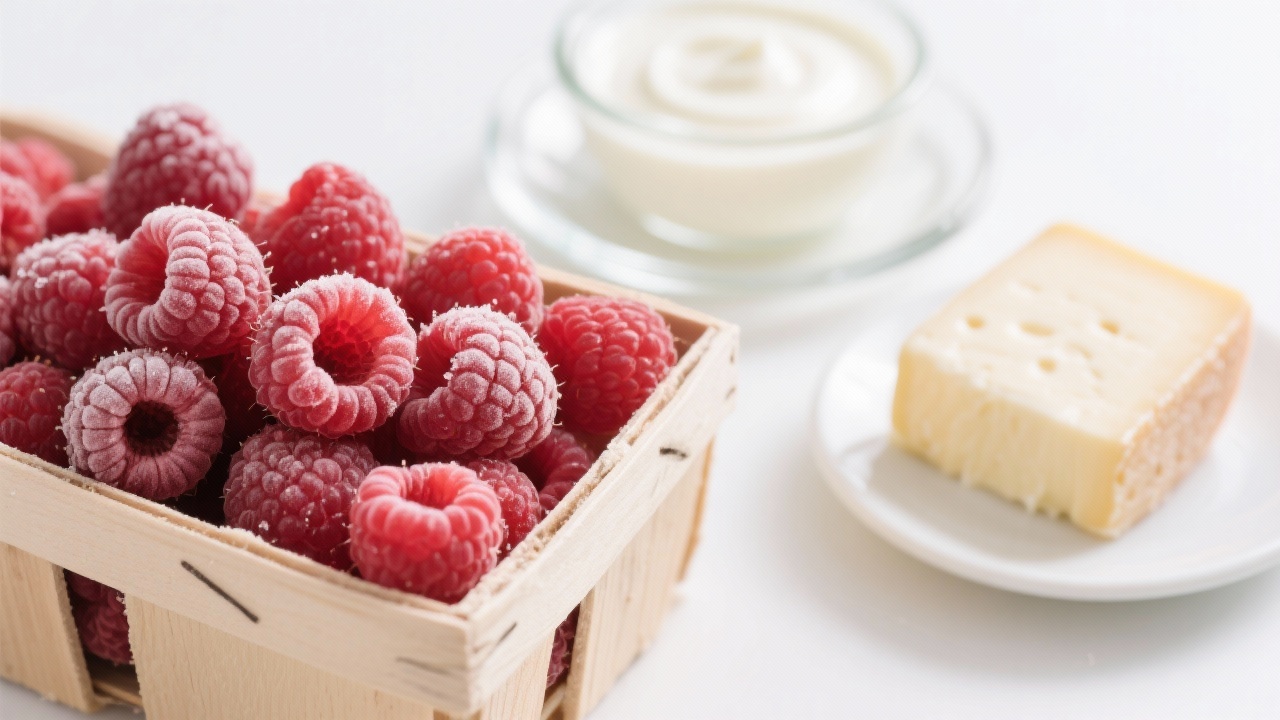
After analyzing over 120 formulation trials, our food science team developed a proprietary preprocessing protocol that consistently delivers >95% whole fruit integrity and ≥85% anthocyanin retention while ensuring uniform dispersion.
Thaw frozen raspberries at 4°C (39°F) for 12-14 hours followed by a 30-minute tempering period at 10°C (50°F). This gradual process prevents cell membrane rupture, maintaining structural integrity while ensuring complete thawing.
Prior to incorporation, adjust the fruit slurry to pH 3.2 using food-grade citric acid (typically 0.15-0.3% addition). This step alone can improve color stability by up to 40% in neutral pH beverages like protein drinks.
Using a high-shear mixer at 3,500 RPM for exactly 90 seconds, incorporate the preprocessed fruit into your base formula at 22-25°C (72-77°F). This precise shear profile disperses particles without damaging seed structures.
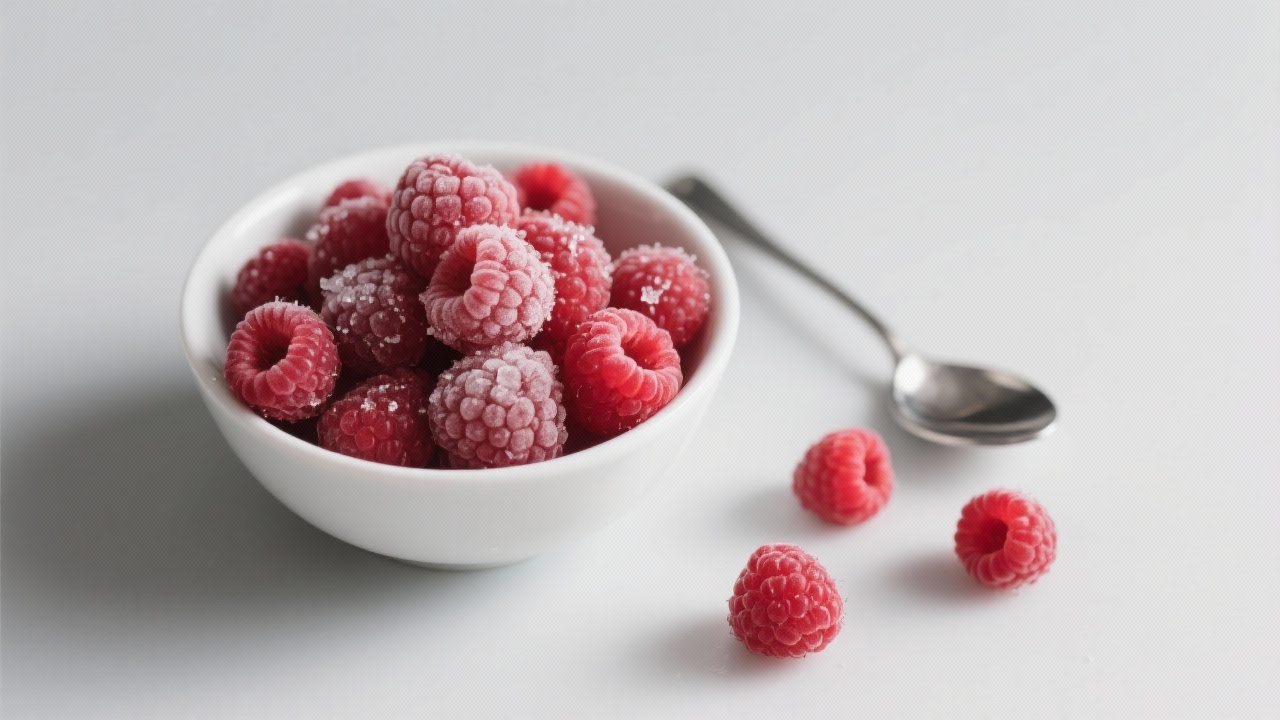
For successful small-batch testing (10-20L scale), we recommend the following starting ratios based on beverage type:
| Beverage Type | Frozen Raspberry Content | Recommended Stabilizer | Optimal pH Range |
|---|---|---|---|
| Fruit Juice Blends | 15-22% (by weight) | Pectin (0.3-0.5%) | 3.2-3.5 |
| Protein Beverages | 8-15% (by weight) | Gellan Gum (0.15-0.25%) | 3.8-4.2 |
| Plant-Based Milks | 10-18% (by weight) | Xanthan Gum (0.2-0.3%) | 4.0-4.5 |
A mid-sized European beverage company specializing in organic functional drinks faced repeated failures with their raspberry-kale protein smoothie. Their initial formulation exhibited three critical issues:
After implementing the three-step preprocessing method with minor adjustments to their stabilizer system, they achieved:
Access our comprehensive Red Raspberry Frozen Fruit Beverage Development Handbook featuring:
Remember that successful red raspberry incorporation is equal parts science and art. While the three-step method provides a proven framework, each beverage system has unique characteristics that may require minor adjustments. The key is maintaining the delicate balance between preserving the fruit's natural qualities and ensuring beverage stability—a balance that separates ordinary products from market leaders.
Many developers find that small-batch testing with different thawing times or shear rates reveals the optimal conditions for their specific formulation. Keep detailed records of each parameter tested, and don't underestimate the impact of seemingly minor adjustments—sometimes a 0.2 pH unit change or 30-second mixing time difference can mean the difference between failure and success.

 409
|
409
|
 Flash-frozen blackberries
Stability of frozen blackberries
Preservation of baking ingredients
Retention of blackberry nutrients
Food freezing technology
207
|
frozen black currant OEM
small batch trial order
frozen fruit packaging requirements
cold chain logistics for berries
food-grade packaging design
92
|
whole freeze-dried red raspberry powder
functional food raw materials
freeze-dried fruit powder procurement
high-end nutritional supplement raw materials
food safety certification
103
|
Organic certification
Halal certification
Frozen blueberry export
Food safety
International market development
272
|
blackcurrant processing techniques
pH control in fruit juice
antioxidant application in fruit products
color stability in juices
sugar optimization in jams
Flash-frozen blackberries
Stability of frozen blackberries
Preservation of baking ingredients
Retention of blackberry nutrients
Food freezing technology
207
|
frozen black currant OEM
small batch trial order
frozen fruit packaging requirements
cold chain logistics for berries
food-grade packaging design
92
|
whole freeze-dried red raspberry powder
functional food raw materials
freeze-dried fruit powder procurement
high-end nutritional supplement raw materials
food safety certification
103
|
Organic certification
Halal certification
Frozen blueberry export
Food safety
International market development
272
|
blackcurrant processing techniques
pH control in fruit juice
antioxidant application in fruit products
color stability in juices
sugar optimization in jams



.png?x-oss-process=image/resize,h_100,m_lfit/format,webp)
.png?x-oss-process=image/resize,h_100,m_lfit/format,webp)
.png?x-oss-process=image/resize,h_100,m_lfit/format,webp)
 English


