
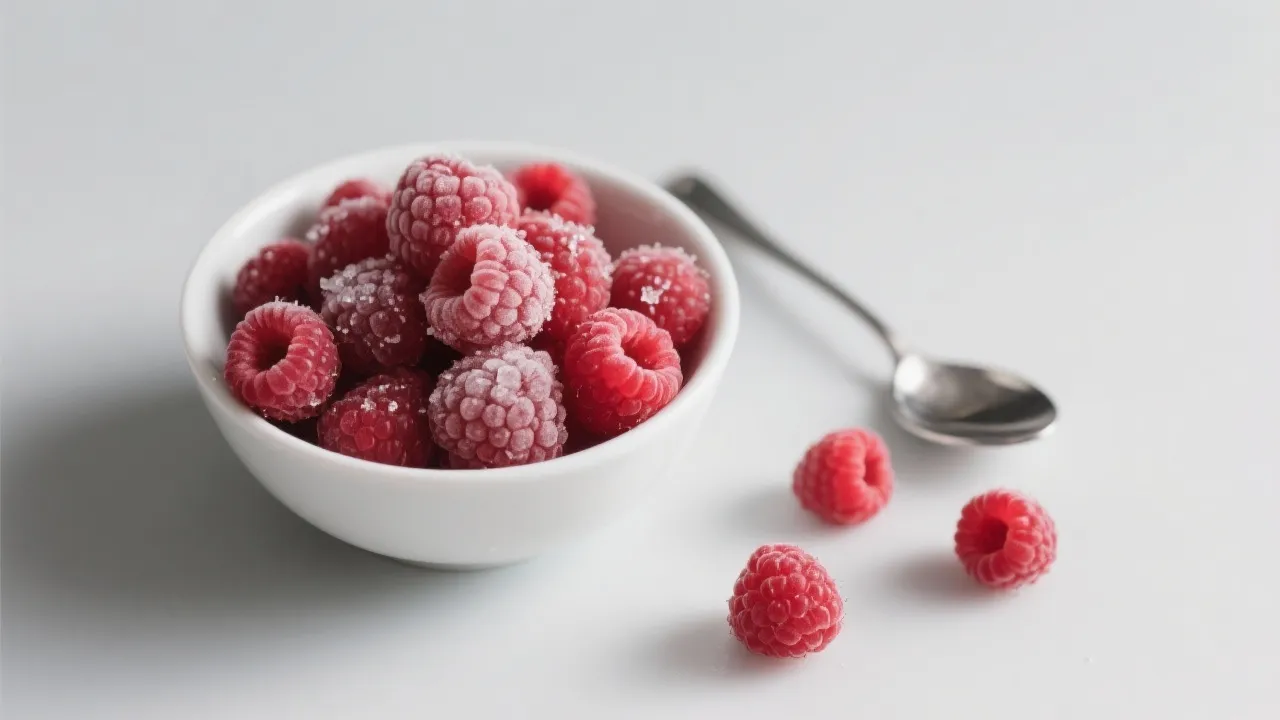
In today’s premium dietary supplement industry, ingredient quality is paramount. Consumers demand purity, safety, and consistency—especially when it comes to botanicals like frozen whole red raspberries, renowned for their antioxidant-rich profile. This article delves into the comprehensive quality control measures and supply chain strategies necessary to maintain ingredient integrity throughout production and global logistics.
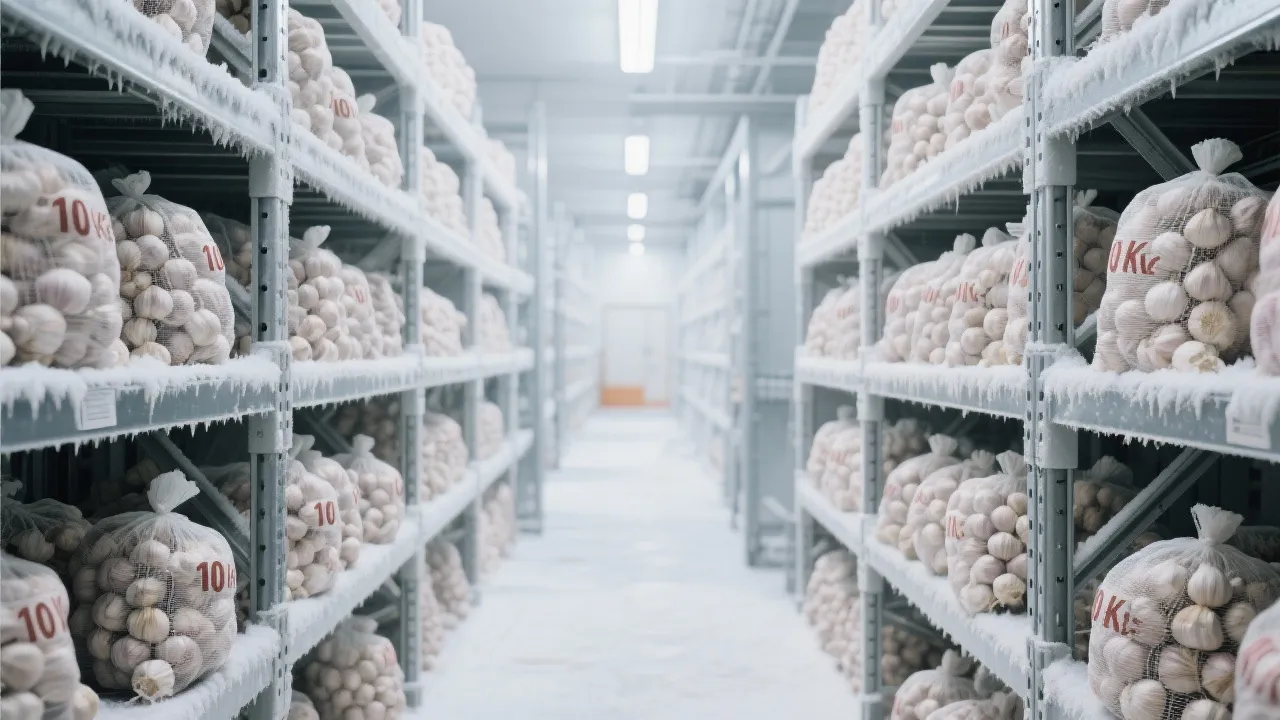
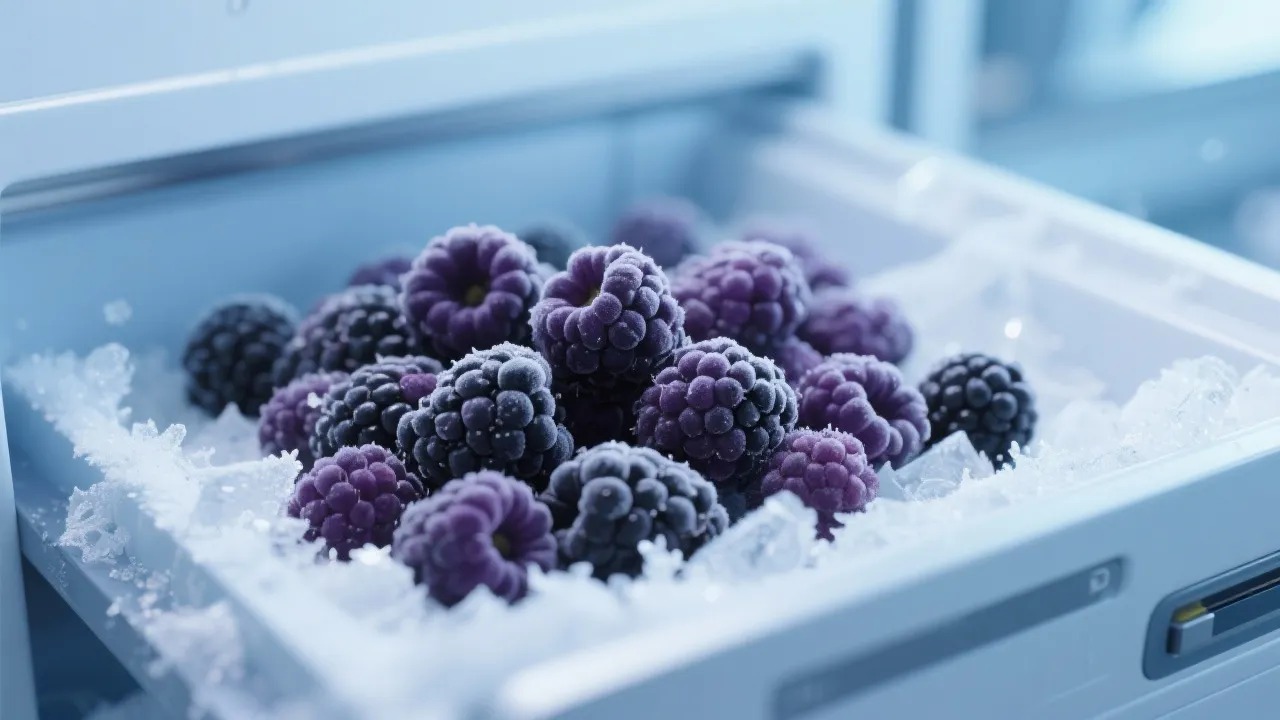
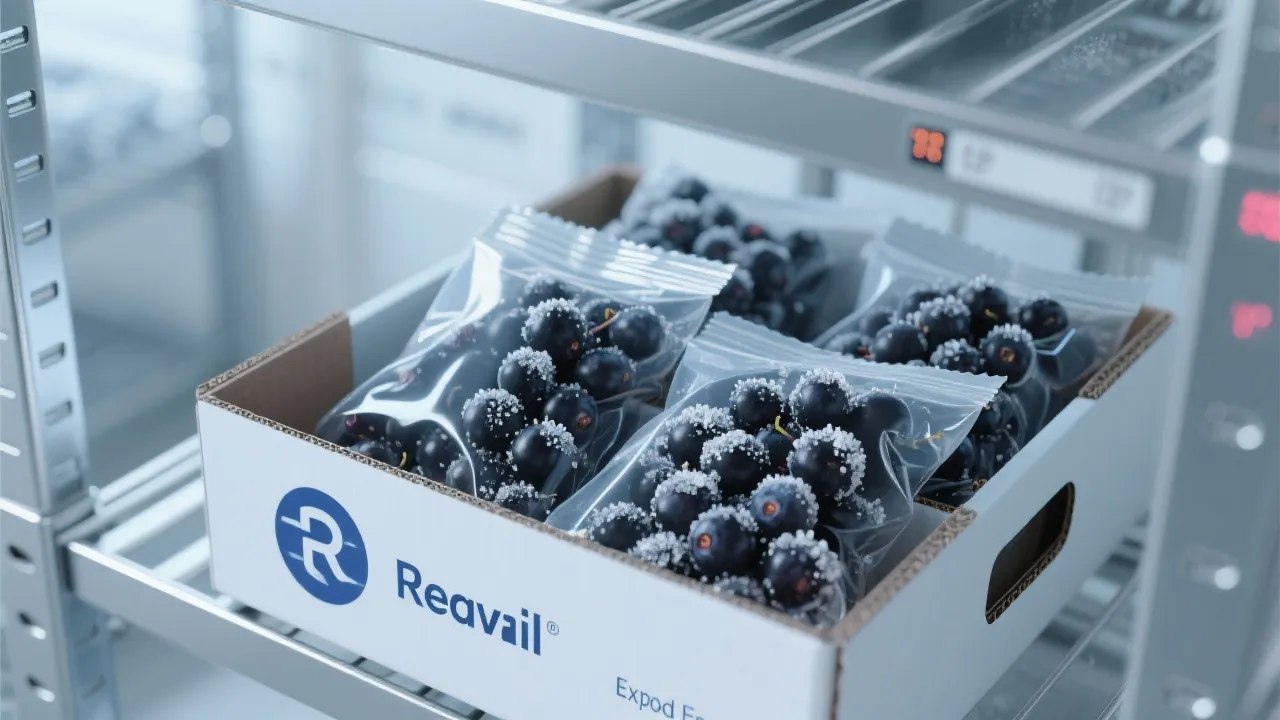
High-end dietary supplements require standardized raw materials exhibiting uniform nutrient content and microbiological safety. Freshness preservation is critical, and a robust cold chain, typically maintained at -18°C or below, serves as the backbone for locking in the raspberry’s bioactive compounds. Deviations even by a few degrees can accelerate enzymatic degradation and nutrient loss, directly impacting the product’s efficacy and shelf-life.
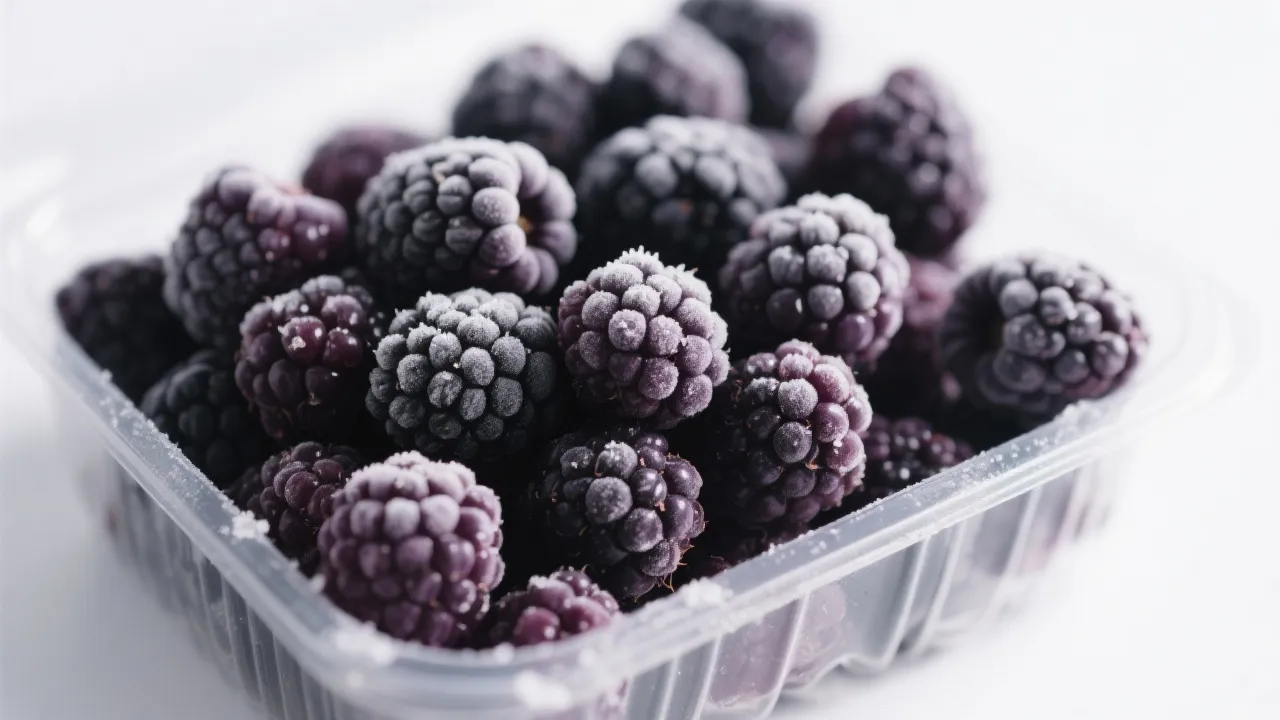
While machine sorting efficiently removes foreign materials, frozen whole raspberries often require a more nuanced approach due to their delicate composition and natural variability. The adoption of a triple manual sorting process involves three distinct inspection stages performed by trained quality control personnel:
This labor-intensive method reduces batch variation by approximately 40%, based on internal client data spanning over 100 supply batches, significantly enhancing raw material consistency.
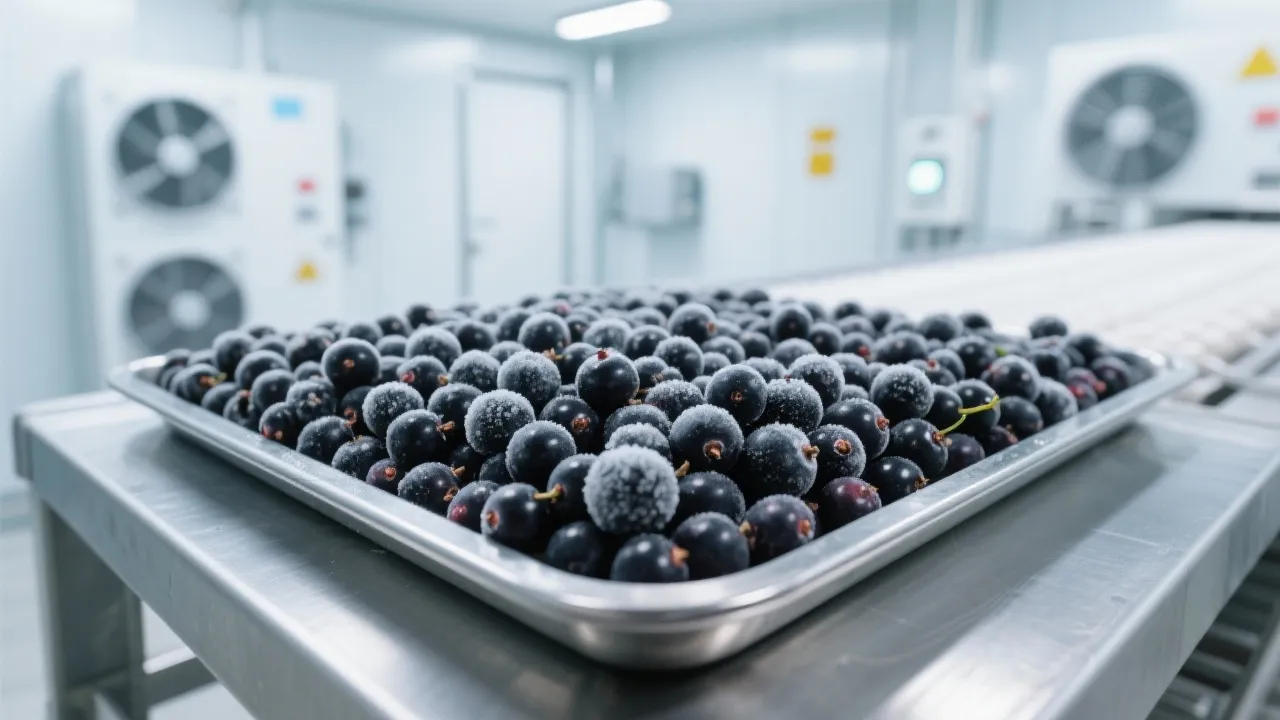
Maintaining a stringent -18°C cold chain from harvest through final delivery involves multi-point temperature monitoring technology with data loggers recording real-time conditions. Global supply operations leverage insulated containers with dry ice or mechanical refrigeration units, preventing any thermal abuse during extended transit.
On average, the frozen raspberries retain >95% of their phenolic compounds after reaching the production site, thanks to this cold chain regimen—critical for supplement formulations that depend on antioxidant potency.
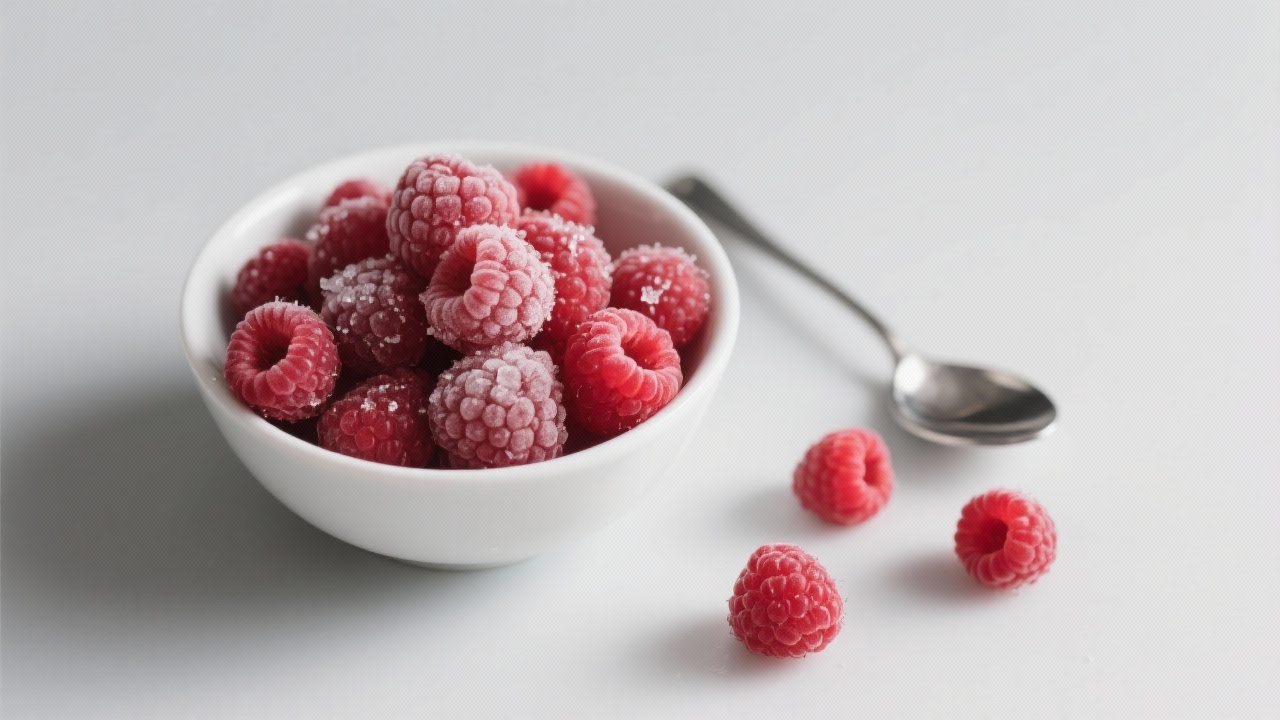
The implementation of Hazard Analysis and Critical Control Points (HACCP) alongside ISO 22000 food safety management systems embeds rigorous checks at every stage—from sourcing, processing, to packaging. Critical control points include microbial load testing, cross-contamination prevention, and allergen management.
Case studies reveal a 60% reduction in non-conformance reports for microbial counts when suppliers adopt these standards strictly, reassuring dietary supplement manufacturers of ingredient safety and regulatory compliance.
Accredited third-party laboratories such as SGS and China Quality Certification Center (CQC) perform comprehensive assays, including pesticide residue screening, heavy metals detection, and nutritional content verification. These impartial reports serve as validation tools not only for compliance but also for product formulation refinement.
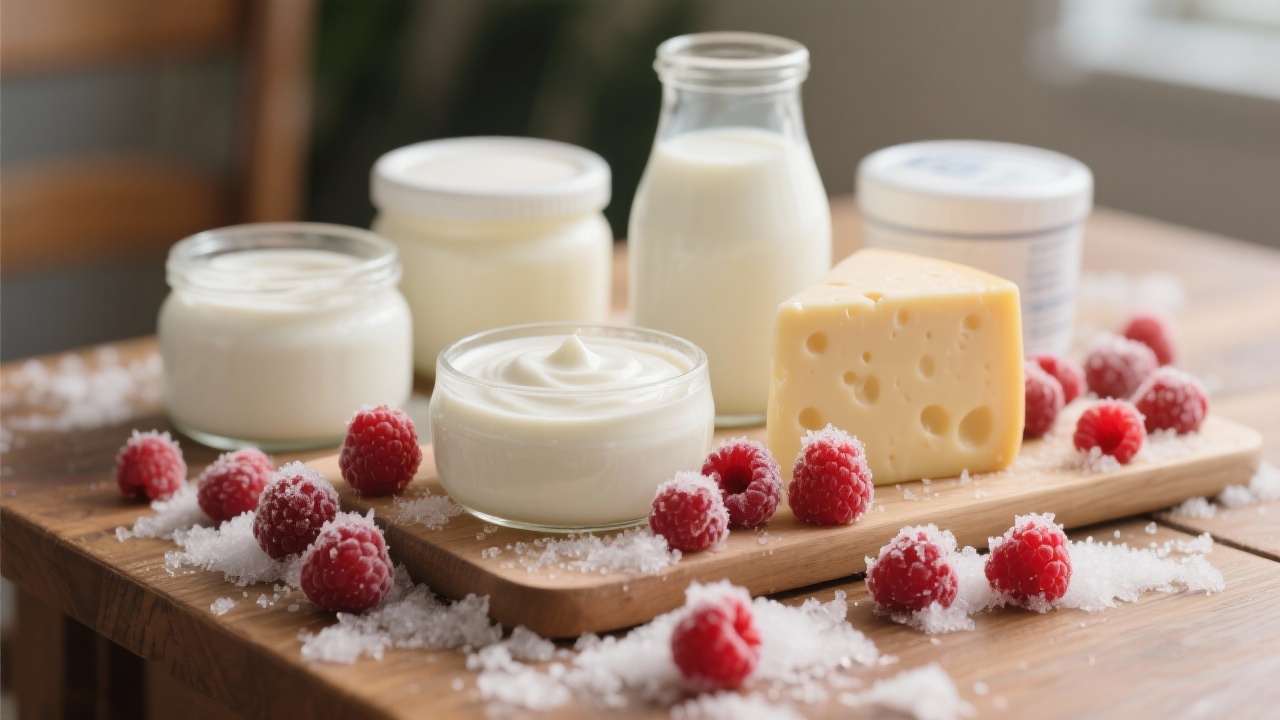
Integrating triple manual sorting, cold chain logistics, and HACCP-compliant processes has demonstrated tangible benefits:
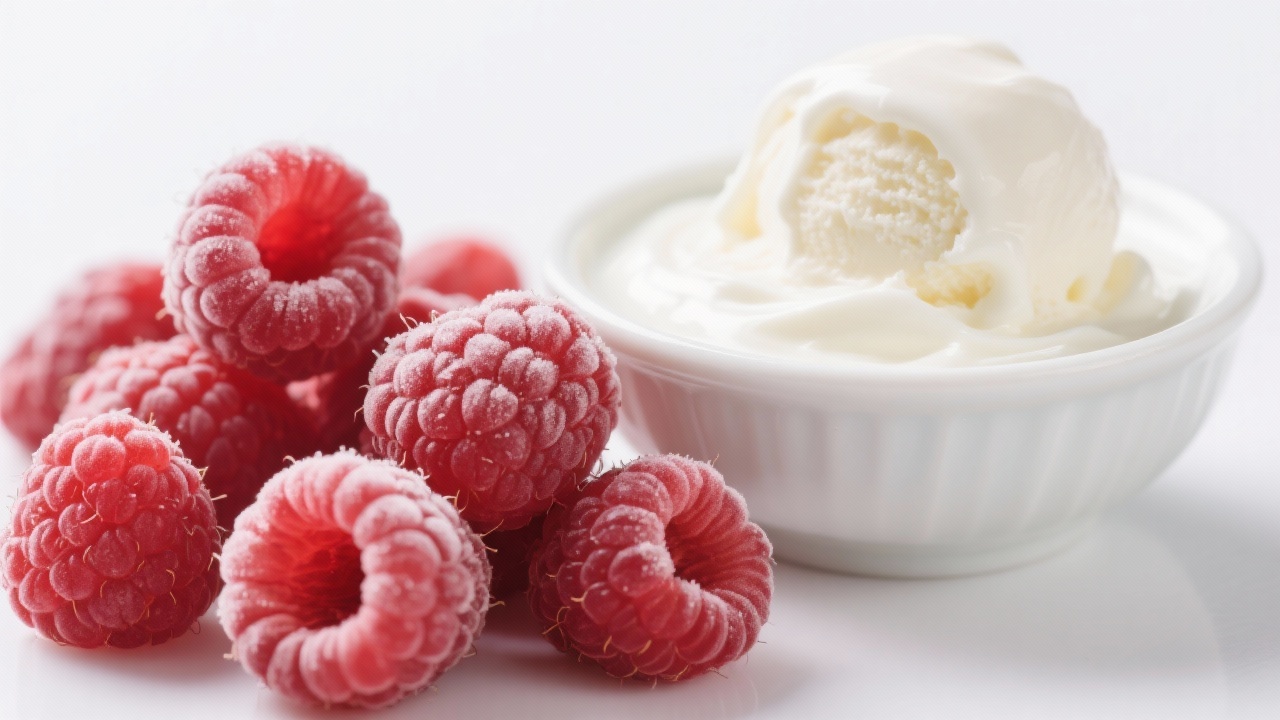
The standardized quality control protocol outlined herein establishes a replicable framework for other delicate berry ingredients like blueberries and blackberries. The emphasis on manual visual inspections, certified cold chain management, and strict adherence to food safety norms ensures sustainable supply of high-purity natural extracts to global supplement markets.

 68
|
68
|
 Blackcurrant quick - freezing
Liquid nitrogen freezing technology
Quality of frozen fruits
Juice and jam processing
Cold - chain transportation guarantee
189
|
raspberry raw material pilot trials
nutrition beverage R&D
small batch trial process
excipient compatibility testing
functional food development
409
|
Flash-frozen blackberries
Stability of frozen blackberries
Preservation of baking ingredients
Retention of blackberry nutrients
Food freezing technology
171
|
Frozen berries HACCP certification
European food safety standards
Frozen fruit quality control
Food safety key control points
EU import compliance
216
|
organic frozen blackberries
healthy smoothie recipes
frozen fruit applications
nutritious drink formulation
natural ingredient pairing
Blackcurrant quick - freezing
Liquid nitrogen freezing technology
Quality of frozen fruits
Juice and jam processing
Cold - chain transportation guarantee
189
|
raspberry raw material pilot trials
nutrition beverage R&D
small batch trial process
excipient compatibility testing
functional food development
409
|
Flash-frozen blackberries
Stability of frozen blackberries
Preservation of baking ingredients
Retention of blackberry nutrients
Food freezing technology
171
|
Frozen berries HACCP certification
European food safety standards
Frozen fruit quality control
Food safety key control points
EU import compliance
216
|
organic frozen blackberries
healthy smoothie recipes
frozen fruit applications
nutritious drink formulation
natural ingredient pairing



.png?x-oss-process=image/resize,h_100,m_lfit/format,webp)
.png?x-oss-process=image/resize,h_100,m_lfit/format,webp)
.png?x-oss-process=image/resize,h_100,m_lfit/format,webp)
 English


