
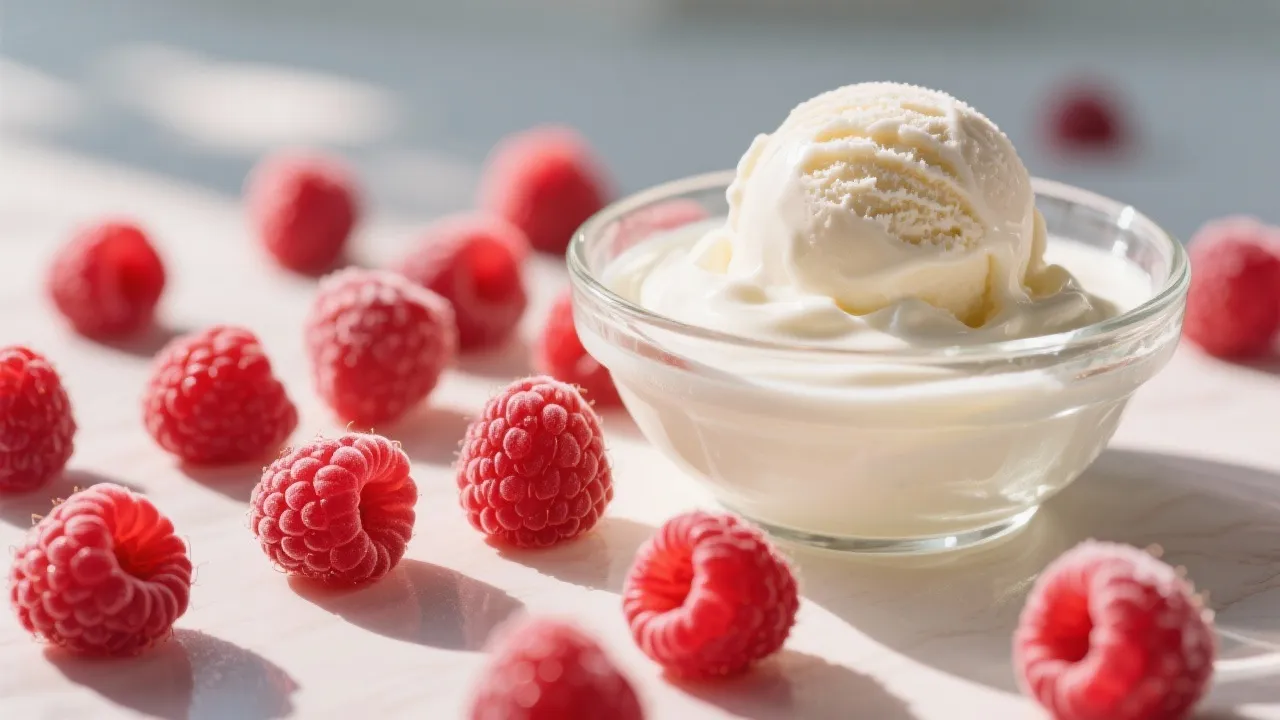
In the competitive landscape of functional beverages, manufacturers are constantly seeking natural ingredients that deliver both health benefits and sensory appeal. Frozen raspberries have emerged as a game-changing ingredient, offering a unique combination of bioactive compounds, vibrant color, and versatile flavor. This comprehensive guide explores how frozen raspberries can transform your beverage formulations, supported by technical insights and practical applications for juice, sparkling drinks, and plant-based milk beverages.
Frozen raspberries stand out among fruit ingredients due to their exceptional nutritional density. Unlike many fruits that lose nutritional value during processing, properly frozen raspberries retain their key compounds:
These components not only provide health claims but also contribute to the overall quality and stability of beverage products, making frozen raspberries a multifunctional ingredient for modern beverage development.
Successfully incorporating frozen raspberries requires category-specific approaches to maximize their benefits while addressing formulation challenges. The following section breaks down best practices for different beverage types:
In juice applications, frozen raspberries contribute natural color, flavor, and nutritional value without artificial additives. The key technical considerations include:
pH management is critical for color stability. Raspberries perform best in the pH range of 3.0-3.5, where their natural red hue remains vibrant. Adjustments outside this range can lead to color degradation and reduced shelf life.
The growing demand for low-sugar sparkling drinks has created new opportunities for raspberry applications. When developing these products:
| Parameter | Recommended Range | Impact |
|---|---|---|
| Raspberry Concentrate | 8-12% by volume | Balances flavor intensity with sugar content |
| Carbonation Level | 2.5-3.0 volumes CO₂ | Enhances sensory experience without overwhelming fruit notes |
| Sweetener Ratio | 5-8° Brix | Achieves optimal sweetness perception with minimal sugar |
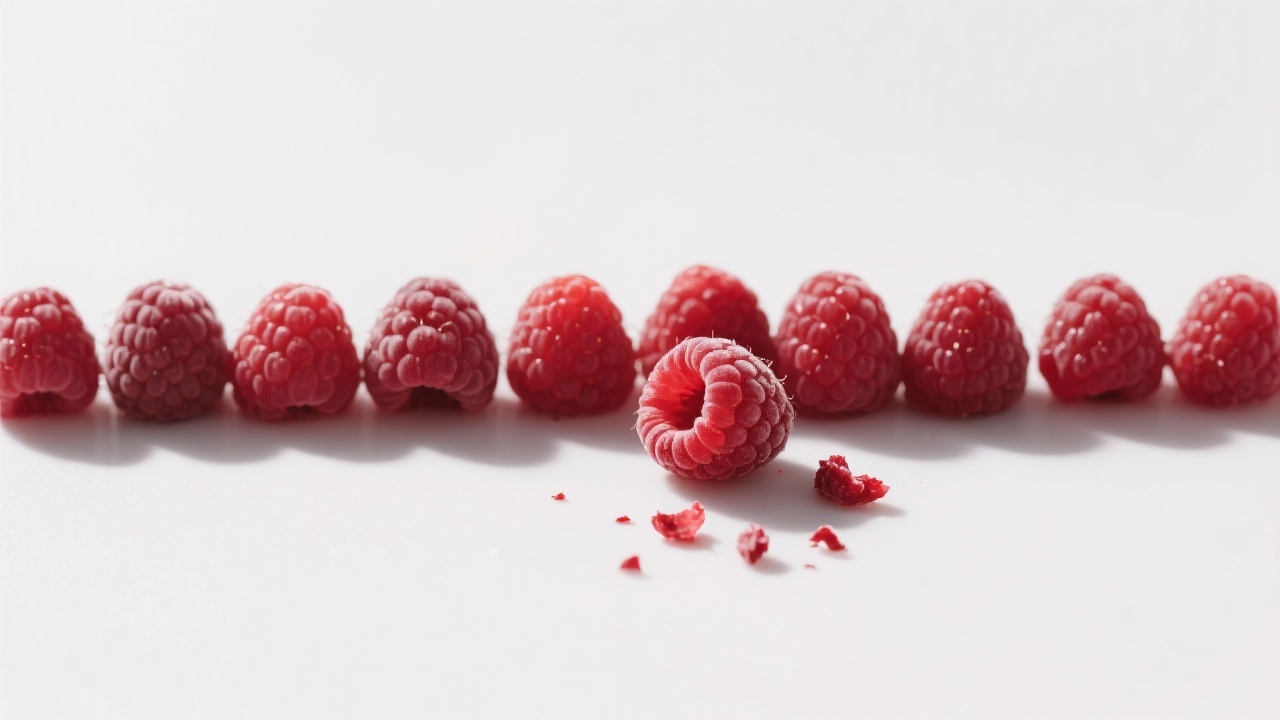
Raspberries offer plant-based beverage manufacturers a natural way to enhance both nutritional profile and sensory appeal. When formulating raspberry-infused plant milks:
Texture modification is crucial, as raspberry particles can affect mouthfeel. Using a combination of 0.15-0.3% carrageenan and 0.2-0.4% cellulose gum creates a stable emulsion while maintaining a clean label profile.
The unique flavor profile of raspberries—characterized by bright acidity, subtle sweetness, and distinct berry notes—requires careful formulation to balance and enhance:
Acidity management is particularly important. Raspberries have a natural pH of 2.8-3.2, which can be adjusted using sodium citrate (0.05-0.1%) to achieve the desired tartness without overwhelming other flavors.
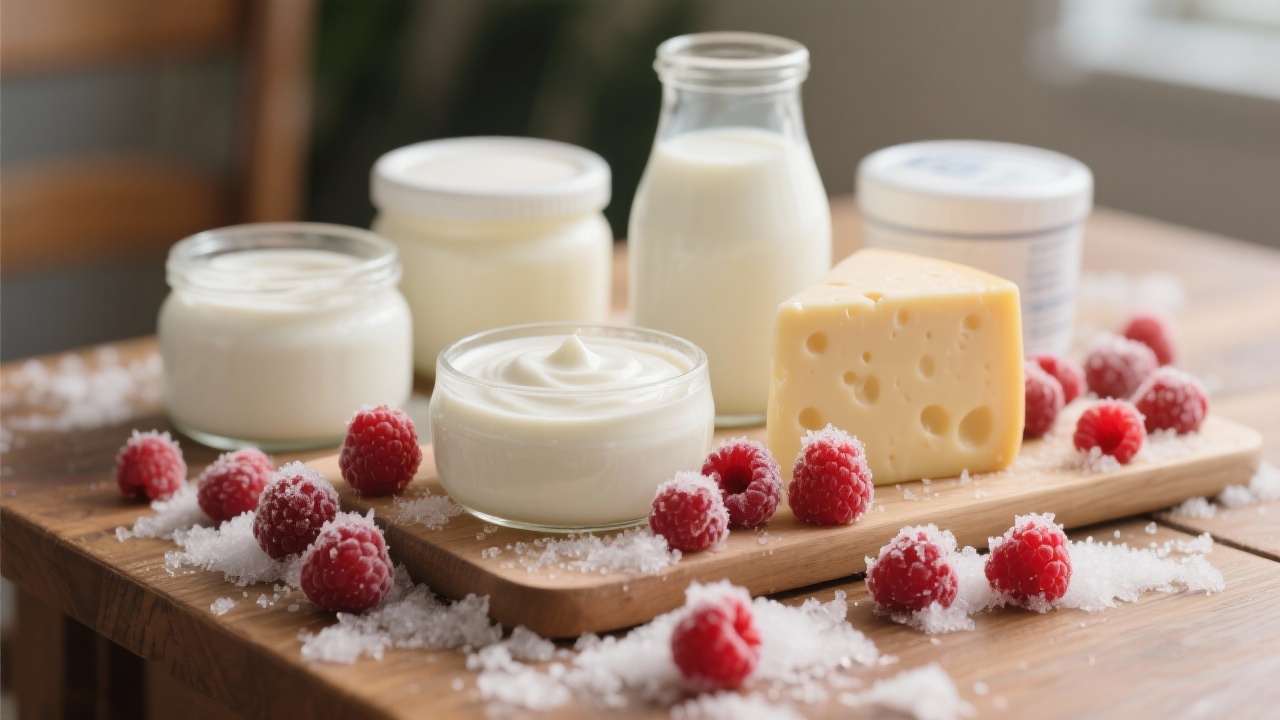
Maintaining the quality of raspberry-infused beverages throughout shelf life requires addressing common challenges:
Color retention can be improved by incorporating natural stabilizers such as ascorbic acid (50-100 ppm) and EDTA (10-20 ppm). Microencapsulation technology offers another solution, protecting anthocyanins from degradation and extending product shelf life by 30-40%.
Sedimentation control is achieved through proper homogenization (200-300 bar pressure) and the strategic use of hydrocolloids. This is particularly important for high-pulp raspberry formulations where particle suspension is critical to consumer acceptance.
Unlock the full potential of functional beverages with our industry-leading frozen raspberry solutions. Benefit from consistent quality, year-round availability, and technical support to overcome formulation challenges.
Discover亿商桥's Frozen Raspberry SolutionsAs consumer demand for natural, functional beverages continues to grow, frozen raspberries provide a versatile solution that delivers on both health and sensory expectations. By implementing the technical strategies outlined in this guide, beverage manufacturers can create innovative products that stand out in a crowded market. The key to success lies in understanding the unique properties of raspberries and applying appropriate formulation techniques to maximize their benefits.
Practical testing remains essential. We recommend conducting small-batch trials with different raspberry concentrations and process parameters, followed by consumer sensory evaluation to fine-tune formulations. This iterative approach ensures that the final product meets both technical specifications and consumer preferences.

 267
|
267
|
 frozen red raspberry preprocessing
plant-based milk beverage stability
functional beverage formulation optimization
natural pigment retention in protein drinks
red raspberry flavor coordination
81
|
red raspberry production standardization
HACCP microbial control
frozen fruit quality management
whole raspberry processing
ISO22000 certification
66
|
flash freezing technology
blackberry nutrition retention
IQF blackberries
anthocyanin preservation
food freezing process
120
|
raspberry frozen fruit dissolution
functional beverage stability
raspberry fruit pretreatment
natural anthocyanin protection
beverage formulation optimization
93
|
frozen blackcurrants
whole fruit rate control
three-stage manual sorting
EU import standards
HACCP certification
frozen red raspberry preprocessing
plant-based milk beverage stability
functional beverage formulation optimization
natural pigment retention in protein drinks
red raspberry flavor coordination
81
|
red raspberry production standardization
HACCP microbial control
frozen fruit quality management
whole raspberry processing
ISO22000 certification
66
|
flash freezing technology
blackberry nutrition retention
IQF blackberries
anthocyanin preservation
food freezing process
120
|
raspberry frozen fruit dissolution
functional beverage stability
raspberry fruit pretreatment
natural anthocyanin protection
beverage formulation optimization
93
|
frozen blackcurrants
whole fruit rate control
three-stage manual sorting
EU import standards
HACCP certification



.png?x-oss-process=image/resize,h_100,m_lfit/format,webp)
.png?x-oss-process=image/resize,h_100,m_lfit/format,webp)
.png?x-oss-process=image/resize,h_100,m_lfit/format,webp)
 English


