
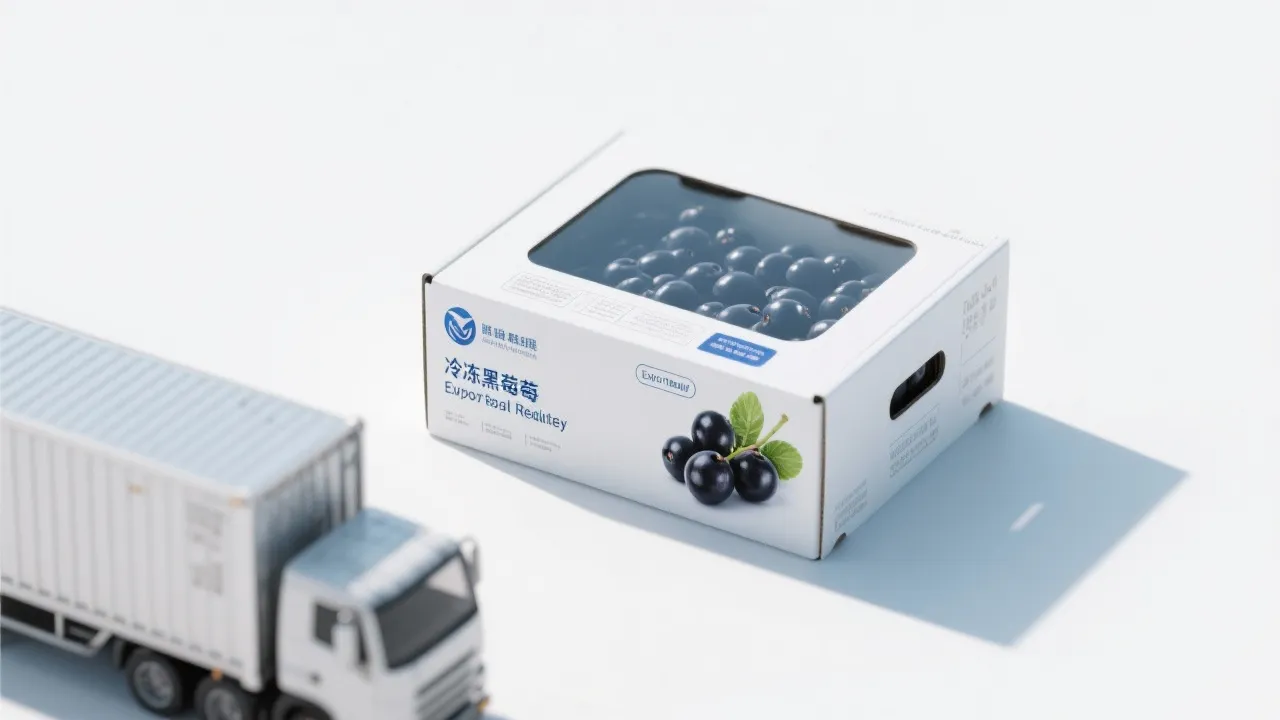
In today's global marketplace, sourcing ingredients for nutritional products requires more than just quality – it demands uncompromising compliance with international food safety standards. For businesses importing frozen red raspberries, understanding the complex regulatory landscape can mean the difference between market access and costly disruptions. This guide breaks down the critical compliance frameworks that govern frozen red raspberry exports worldwide.
When evaluating potential suppliers, two certifications stand as non-negotiable requirements: ISO 22000 and HACCP. These complementary systems form the backbone of food safety management in the global supply chain.
ISO 22000 is an international standard that outlines requirements for a food safety management system. Unlike industry-specific standards, it provides a universal framework applicable to all organizations in the food chain – from farm to fork. Currently adopted by over 130 countries, ISO 22000 certification demonstrates a supplier's commitment to:
Hazard Analysis and Critical Control Points (HACCP) takes a more targeted approach by identifying specific points in the production process where hazards can be prevented, eliminated, or reduced to acceptable levels. The seven principles of HACCP include:
According to a 2023 report by the Global Food Safety Initiative, suppliers implementing both ISO 22000 and HACCP reduced product recall incidents by an average of 47% compared to those with only basic food safety protocols.
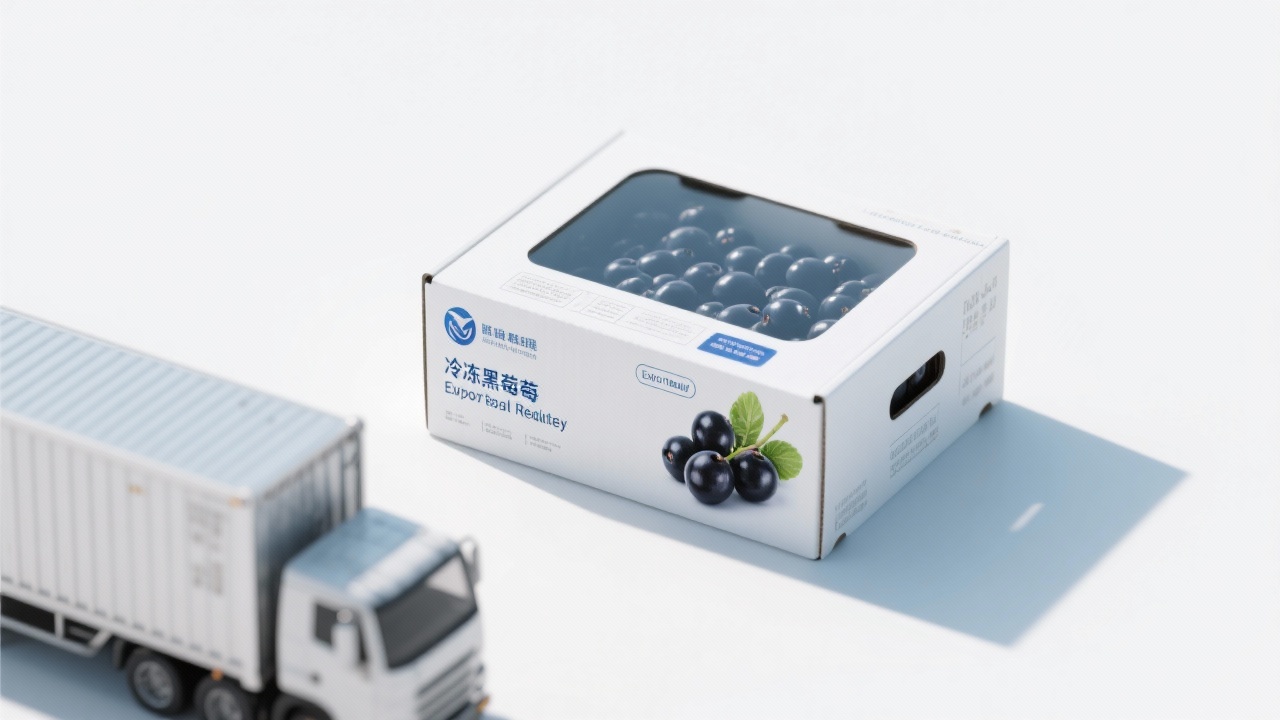
Perhaps the most challenging aspect of global frozen red raspberry trade is navigating the varying regulatory requirements across different markets. What meets standards in one region may fall short in another, particularly regarding microbial limits and pesticide residues.
| Microorganism | EU Standard | US FDA Standard | ASEAN Standard |
|---|---|---|---|
| Total Aerobic Count (CFU/g) | < 10^6 | < 5×10^5 | < 10^6 |
| E. coli (CFU/g) | < 10 | < 10 | < 100 |
| Salmonella | Negative/25g | Negative/25g | Negative/25g |
| Listeria monocytogenes | Negative/25g | Negative/25g | Not specified |
Pesticide residue regulations represent one of the most significant challenges for exporters. The EU currently monitors over 1,600 active substances with Maximum Residue Levels (MRLs), while the US FDA enforces approximately 10,000 MRLs across various commodities. For frozen red raspberries, key differences include:
These discrepancies mean that a product compliant for export to the US might not meet EU standards, and vice versa. This complexity underscores the importance of working with suppliers who understand regional requirements.
While supplier self-declarations are common, third-party testing provides the objective verification that international buyers require. Two organizations stand out in the global food safety landscape: SGS and CQC.
SGS offers comprehensive testing services including:
SGS certification is recognized in over 170 countries, making it particularly valuable for businesses targeting multiple international markets.
China Quality Certification Center (CQC) provides:
CQC certification is particularly important when sourcing from Chinese suppliers, as it demonstrates compliance with both international and local regulations.
In 2022, a European beverage manufacturer faced a costly disruption when their frozen red raspberry supplier failed an FDA inspection due to Listeria monocytogenes contamination. The consequences included:
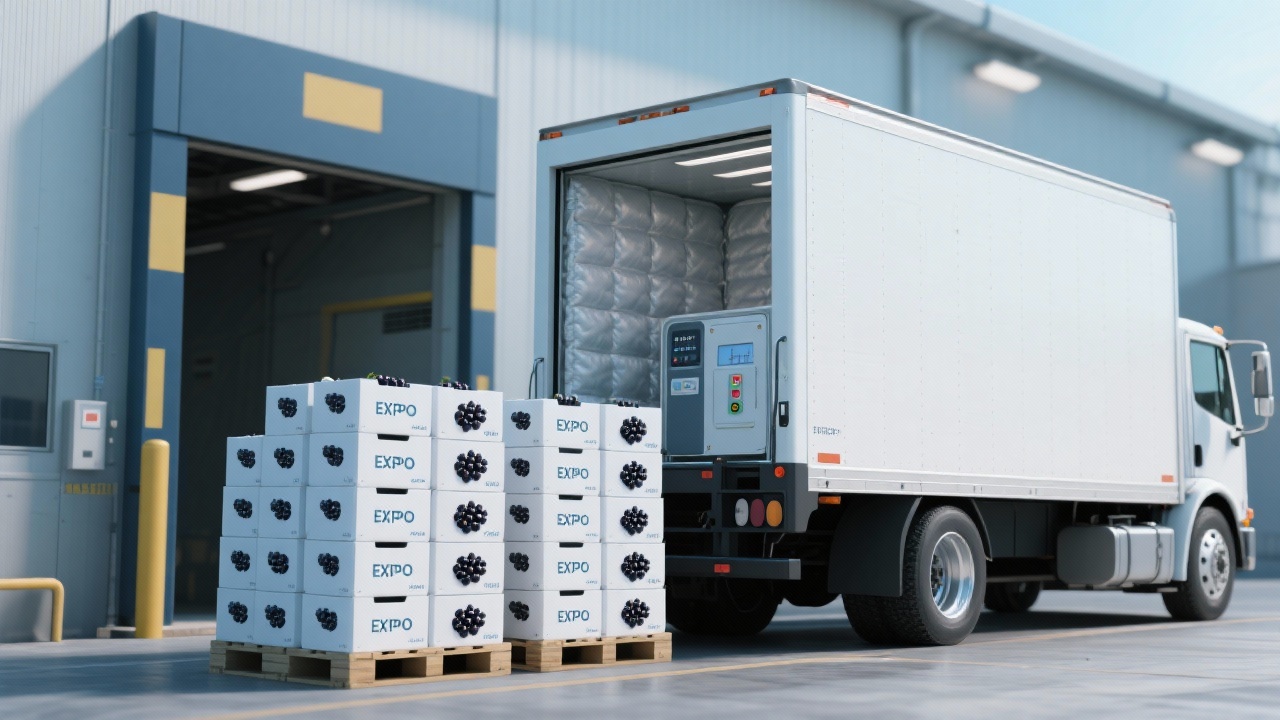
The root cause was traced to inadequate temperature monitoring during transportation. This case underscores why robust supplier qualification and ongoing monitoring are essential investments.

To streamline the supplier qualification process, we recommend implementing a structured three-step approach:
Begin with a thorough review of key documentation, including ISO 22000 and HACCP certificates, recent third-party test reports, and traceability records. Pay particular attention to:
Request detailed information on production processes, focusing on:
Establish ongoing monitoring through:
Ensure your frozen red raspberry sourcing meets global standards with our comprehensive checklist.
Get Your Global Frozen Fruit Compliance ChecklistComplete with regulatory summaries, testing requirements, and supplier evaluation tools

 498
|
498
|
 freeze-dried red raspberry powder
anthocyanin protection
bioavailability enhancement
functional food ingredients
meal replacement powder applications
102
|
freeze-dried red raspberry powder
anthocyanin stability
bioavailability enhancement
functional food formulation
tablet confectionery additives
320
|
quick frozen black currants
black currant processing technology
cold chain logistics for berries
frozen fruit in food manufacturing
juice and jam production from frozen berries
257
|
frozen blackberries
rapid freezing technology
nutrient retention in frozen fruit
precise temperature control
sensory quality improvement
443
|
Small - batch trial orders
OEM private label customization
Frozen fruit packaging solutions
Flexible procurement of food supply chain
Frozen blackcurrant packaging requirements
freeze-dried red raspberry powder
anthocyanin protection
bioavailability enhancement
functional food ingredients
meal replacement powder applications
102
|
freeze-dried red raspberry powder
anthocyanin stability
bioavailability enhancement
functional food formulation
tablet confectionery additives
320
|
quick frozen black currants
black currant processing technology
cold chain logistics for berries
frozen fruit in food manufacturing
juice and jam production from frozen berries
257
|
frozen blackberries
rapid freezing technology
nutrient retention in frozen fruit
precise temperature control
sensory quality improvement
443
|
Small - batch trial orders
OEM private label customization
Frozen fruit packaging solutions
Flexible procurement of food supply chain
Frozen blackcurrant packaging requirements






.png?x-oss-process=image/resize,h_100,m_lfit/format,webp)
.png?x-oss-process=image/resize,h_100,m_lfit/format,webp)
.png?x-oss-process=image/resize,h_100,m_lfit/format,webp)
 English


