
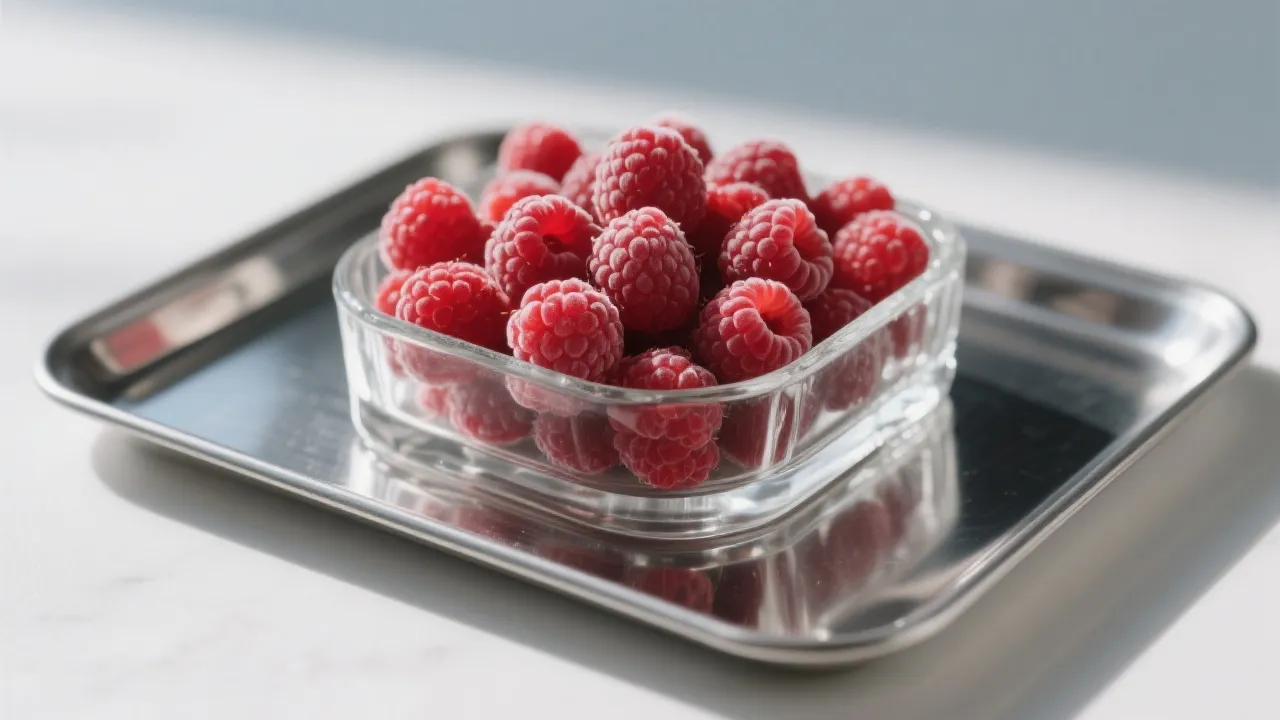
In today's health-conscious beverage market, functional drinks are experiencing unprecedented growth, with consumers increasingly seeking products that offer both refreshment and nutritional benefits. Among the various natural ingredients transforming this sector, frozen red raspberries stand out as a powerhouse of antioxidants and functional properties. This article explores the scientific foundation, practical applications, and market potential of incorporating frozen red raspberries into functional beverage formulations.
Frozen red raspberries represent a concentrated source of bioactive compounds that drive their functionality in beverage applications. These vibrant berries contain an impressive array of nutrients, including vitamins C, E, and K, as well as dietary fiber and essential minerals. What truly distinguishes red raspberries, however, is their exceptional polyphenol content, particularly ellagitannins and anthocyanins.
Research published in the Journal of Agricultural and Food Chemistry demonstrates that the antioxidant capacity of red raspberries, measured by ORAC (Oxygen Radical Absorbance Capacity), ranges from 4,900 to 5,200 μmol TE/100g. This places them among the top antioxidant-rich fruits, making them an ideal ingredient for functional beverages targeting health-conscious consumers.
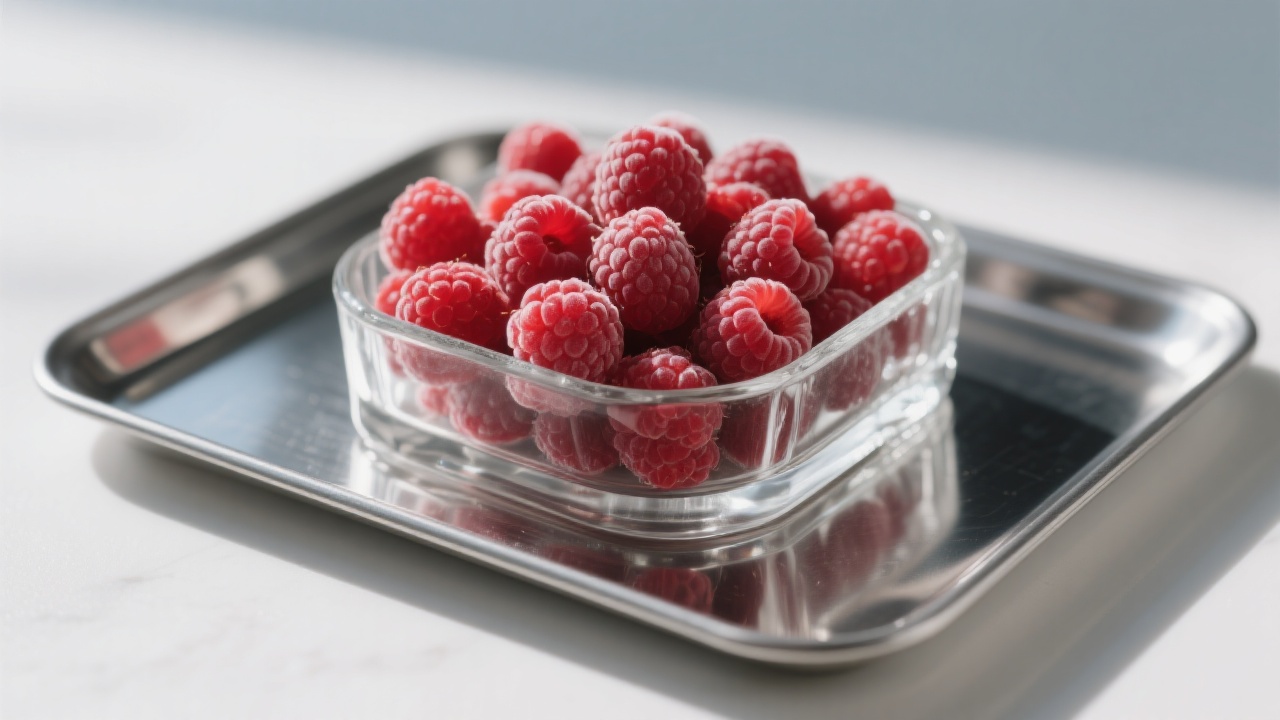
When incorporating frozen red raspberries into juice formulations, controlled thawing emerges as a critical first step. Industry best practices recommend a two-stage thawing process: initial thawing at 4°C for 12-16 hours followed by a brief tempering period at 10-15°C. This method preserves up to 92% of the berry's original antioxidant content, compared to rapid thawing which can result in a 15-20% loss of sensitive compounds.
pH management plays a vital role in both stability and sensory attributes. The optimal pH range for raspberry juice beverages is 3.4-3.8, which not only enhances anthocyanin stability but also contributes to microbial safety. Achieving this balance often requires the addition of citric acid (0.1-0.3% by weight) or natural citrus juices, which simultaneously brightens the flavor profile.
The growing popularity of low-sugar sparkling drinks presents unique opportunities for frozen red raspberry applications. In these formulations, the berry's natural acidity and aromatic compounds complement the effervescence while providing functional benefits. Successful sparkling beverage development requires careful consideration of:
3.5-4.0 volumes of CO₂, balanced to enhance mouthfeel without overwhelming raspberry flavor notes
5-8° Brix using natural sweeteners like stevia (0.02-0.05%) or monk fruit extract to achieve optimal taste balance
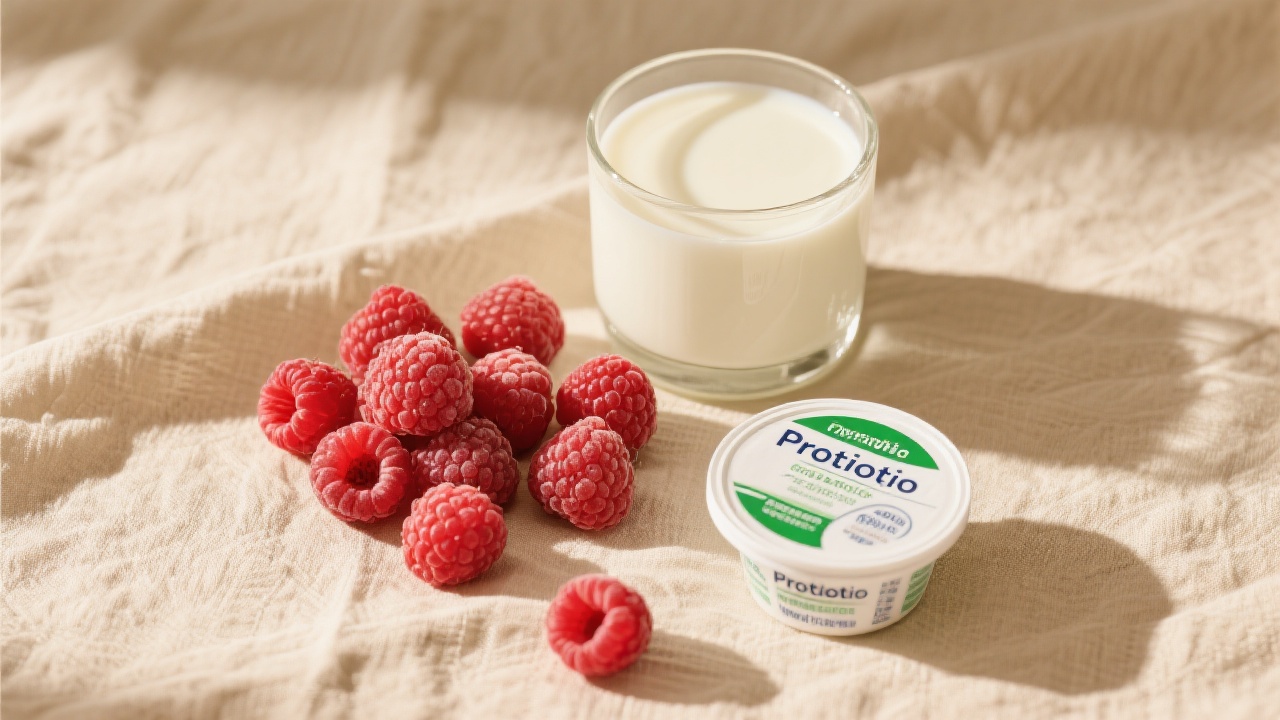
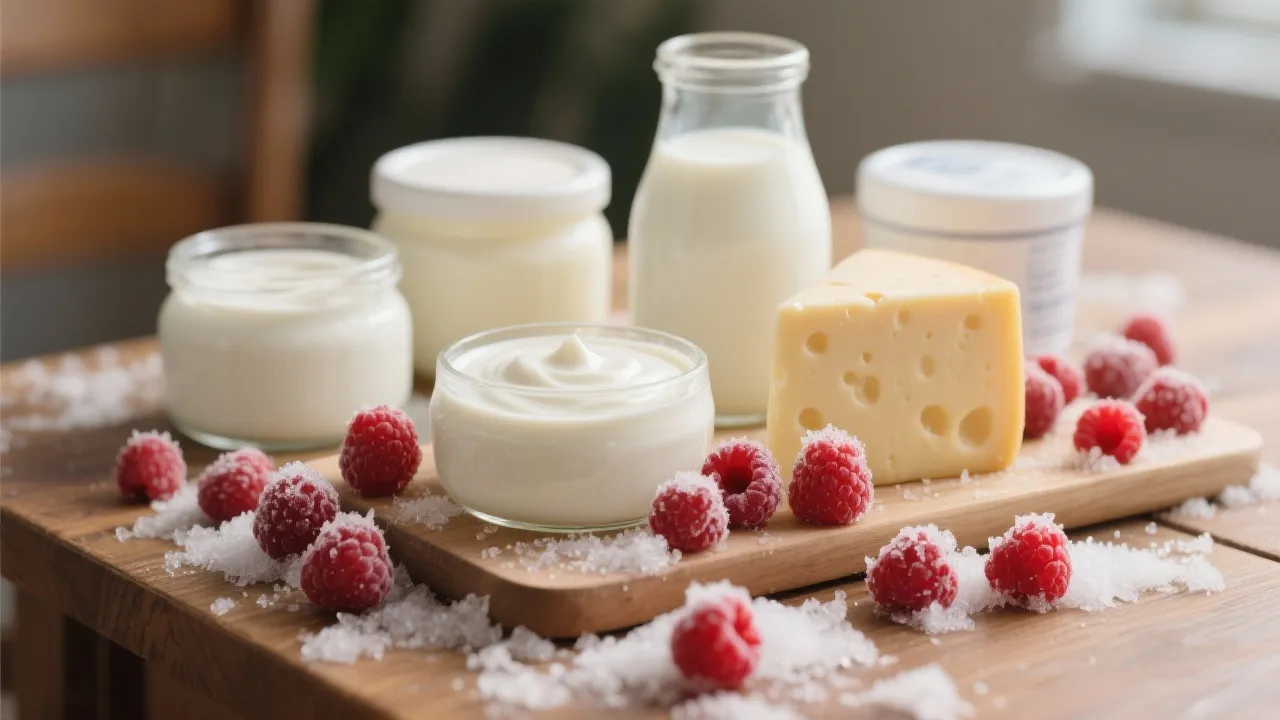
The plant-based beverage segment has witnessed remarkable growth, with consumers seeking alternatives that offer both sustainability and nutritional benefits. Frozen red raspberries can transform standard plant milks into functional beverages with enhanced antioxidant profiles and appealing coloration.
Key challenges in this category include maintaining stability in high-protein formulations and preventing phase separation. Food-grade stabilizers such as carrageenan (0.05-0.1%) or cellulose gum (0.1-0.2%) have proven effective in creating stable emulsions. Microencapsulation technology, particularly spray-drying with maltodextrin carriers, can further protect heat-sensitive raspberry compounds during processing, preserving up to 85% of original antioxidant activity.
Achieving the perfect flavor balance is essential for consumer acceptance of functional beverages containing red raspberries. The natural tartness of raspberries, while beneficial for taste complexity, can present formulation challenges. Strategic ingredient pairing helps create harmonious flavor profiles:
A leading European beverage manufacturer faced challenges with color fading in their raspberry-based functional drink after 3 months of shelf storage. By implementing a combination of pH adjustment (to 3.6) and the addition of 0.02% ascorbic acid, they achieved a 40% improvement in color stability while maintaining the product's nutritional integrity. Sensory testing confirmed no significant impact on taste profile, resulting in extended shelf life and improved consumer perception.
For beverage manufacturers targeting global markets, understanding regional regulations and consumer preferences is essential. The European Union's Novel Food regulations require specific documentation for certain functional claims, while the United States FDA has established clear guidelines for antioxidant content labeling. Asian markets, particularly Japan and South Korea, have shown strong preference for low-sugar formulations with clean label ingredients.
亿商桥 (Yishangqiao) provides comprehensive support for businesses navigating these complex international requirements, offering expertise in both technical formulation and market entry strategies. Their network of global partners ensures that functional beverages incorporating frozen red raspberries meet regional standards while maximizing their market potential.
Access technical specifications, formulation guides, and market insights to develop innovative antioxidant-rich beverages that meet global consumer demands.
Download the Complete Red Raspberry Application GuideAs consumer demand for functional beverages continues to rise, frozen red raspberries offer a natural solution for manufacturers seeking to differentiate their products in a competitive market. By implementing the scientific principles and practical techniques outlined above, beverage developers can create innovative formulations that deliver both health benefits and exceptional sensory experiences. The key to success lies in balancing technical precision with creative formulation – a challenge that promises significant rewards in today's rapidly evolving beverage landscape.

 171
|
171
|
 red raspberry standardized production
HACCP microbial control
frozen fruit quality management
ISO22000 certification
red raspberry frozen storage
223
|
frozen fruits and vegetables
cold chain fresh-locking technology
-18℃ cold chain
anthocyanin retention
supply chain risk management
464
|
frozen blackcurrants
juice processing
flavor stability
quick-freezing technology
aroma retention
127
|
cold chain logistics for fruits and vegetables
frozen fruit and vegetable quality control
-18℃ fresh-locking technology
HACCP in cold chain
ISO 22000 supply chain compliance
426
|
frozen blackcurrant
blackcurrant juice processing
flavor stability
quick-freezing technology
cold chain storage
red raspberry standardized production
HACCP microbial control
frozen fruit quality management
ISO22000 certification
red raspberry frozen storage
223
|
frozen fruits and vegetables
cold chain fresh-locking technology
-18℃ cold chain
anthocyanin retention
supply chain risk management
464
|
frozen blackcurrants
juice processing
flavor stability
quick-freezing technology
aroma retention
127
|
cold chain logistics for fruits and vegetables
frozen fruit and vegetable quality control
-18℃ fresh-locking technology
HACCP in cold chain
ISO 22000 supply chain compliance
426
|
frozen blackcurrant
blackcurrant juice processing
flavor stability
quick-freezing technology
cold chain storage


.png?x-oss-process=image/resize,h_100,m_lfit/format,webp)
.png?x-oss-process=image/resize,h_100,m_lfit/format,webp)
.png?x-oss-process=image/resize,h_100,m_lfit/format,webp)
 English


