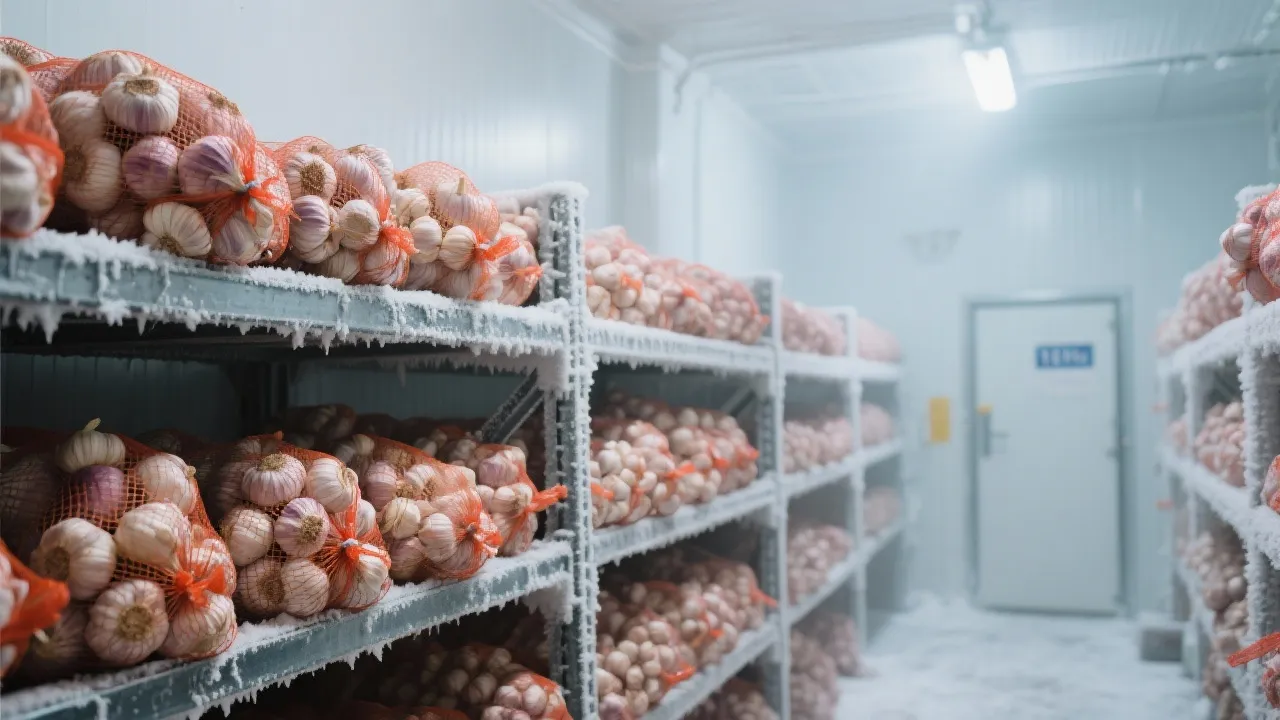
In the competitive global frozen organic berry market, product quality preservation and brand differentiation often start with packaging—an aspect that 68% of B2B buyers cite as a critical purchasing factor according to a 2023 Global Food Trade Report. This article explores how cutting-edge packaging technologies are reshaping the frozen organic blackberry supply chain, delivering both functional excellence and market appeal.
The shift toward eco-conscious packaging has accelerated, with 73% of retail buyers prioritizing sustainable solutions in supplier evaluations (Organic Trade Association, 2023). For frozen organic blackberries, material selection requires balancing multiple factors:
Leading manufacturers like 亿商桥 have pioneered hybrid solutions combining plant-based bioplastics with recycled barrier films, achieving a 42% reduction in carbon footprint while maintaining 98% product freshness after 14 months of frozen storage—a critical advantage in B2B bulk distribution.
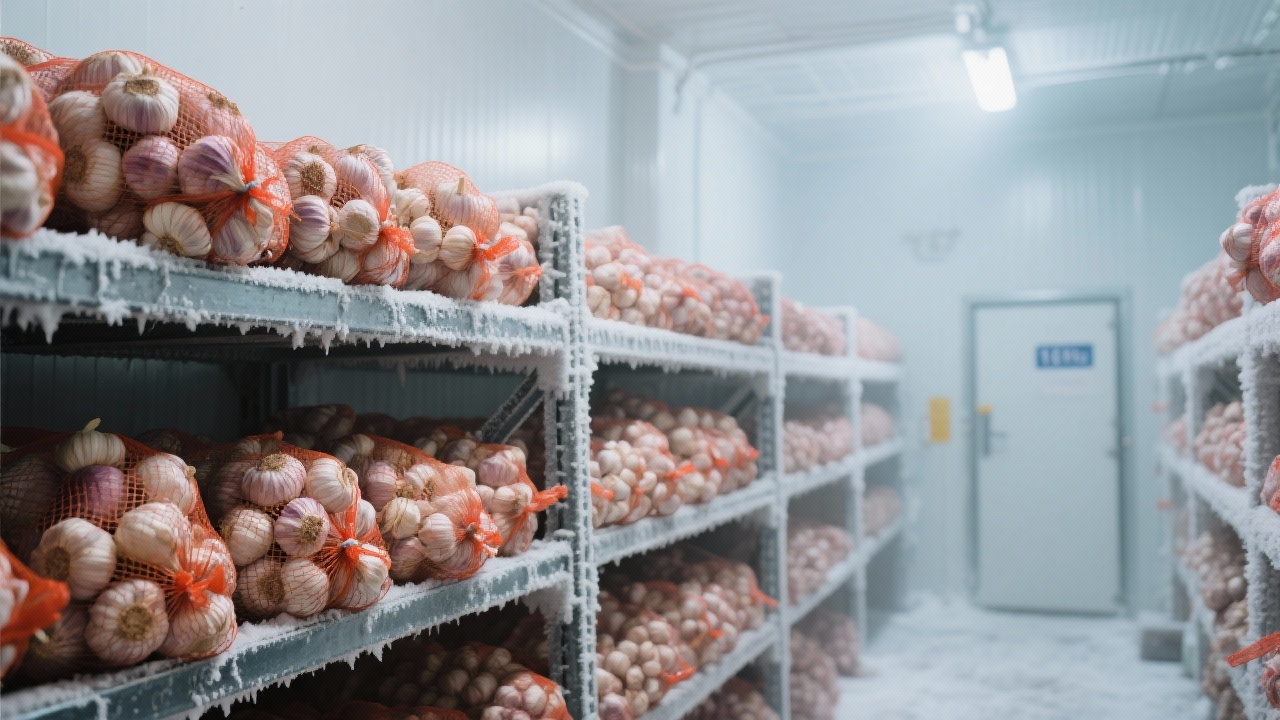
Frozen berry packaging faces unique mechanical challenges, with 23% of product damage occurring during loading/unloading and temperature transitions (Global Cold Chain Alliance, 2022). Innovative structural designs address these issues through:
Reduces impact force by 65% compared to traditional foam packaging, while minimizing material usage by 30%—ideal for B2B bulk containers.
Creates a micro-environment with 99.7% humidity control, reducing freezer burn incidents from 18% to 3% in retail packaging.
These engineering solutions translate directly to bottom-line benefits: a major European distributor reported 21% lower return rates after implementing advanced structural packaging, while reducing storage space requirements by 15% through optimized stacking design.
For organic products, packaging serves as the primary trust-building interface with buyers. Research shows that 84% of consumers check organic certification labels before purchasing, with 62% willing to pay premium prices for clearly authenticated products (Nielsen Global Survey, 2023).
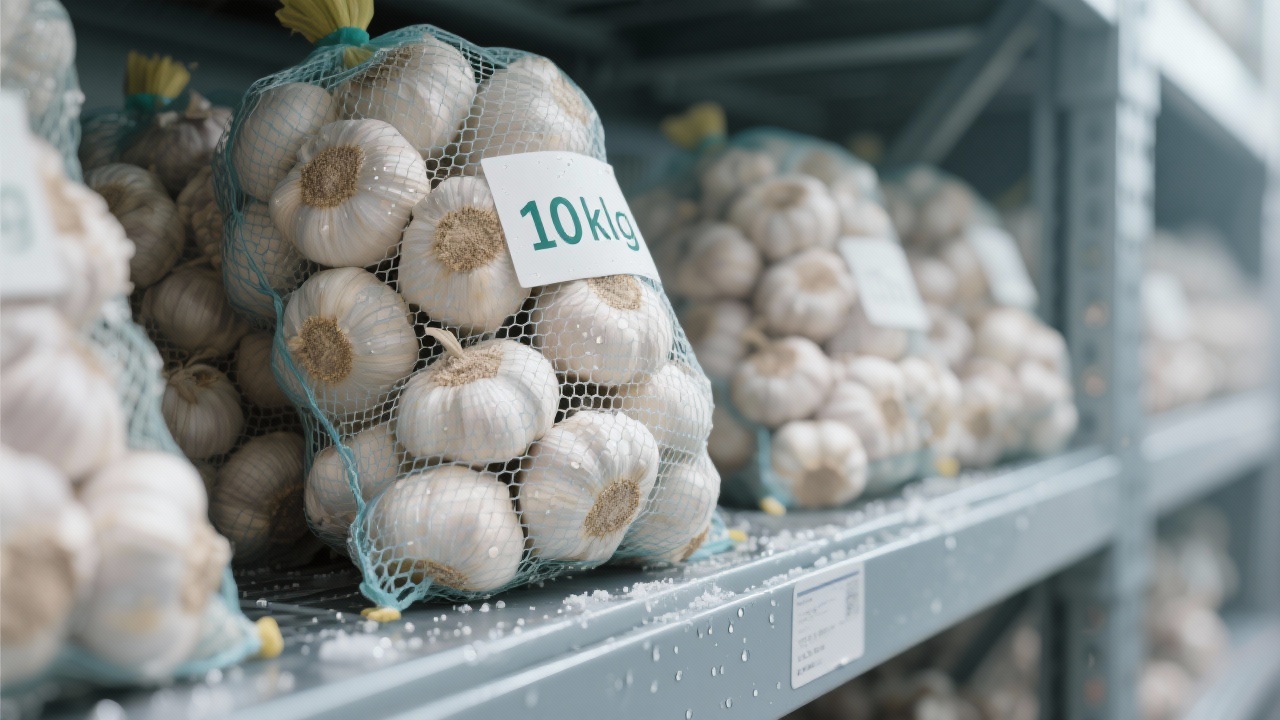
| Element | Specification | Consumer Impact |
|---|---|---|
| Certification Logos | USDA Organic, EU Organic, Non-GMO Project verified | 47% higher purchase intent with multiple certifications |
| Traceability Code | QR-enabled farm-to-shelf tracking | 38% increase in perceived product value |
| Storage Instructions | Clear temperature guidance and shelf life indicators | 29% reduction in customer complaints |
Successful frozen berry brands recognize that packaging requirements differ dramatically across distribution channels. A one-size-fits-all approach often results in either excessive costs or compromised performance.
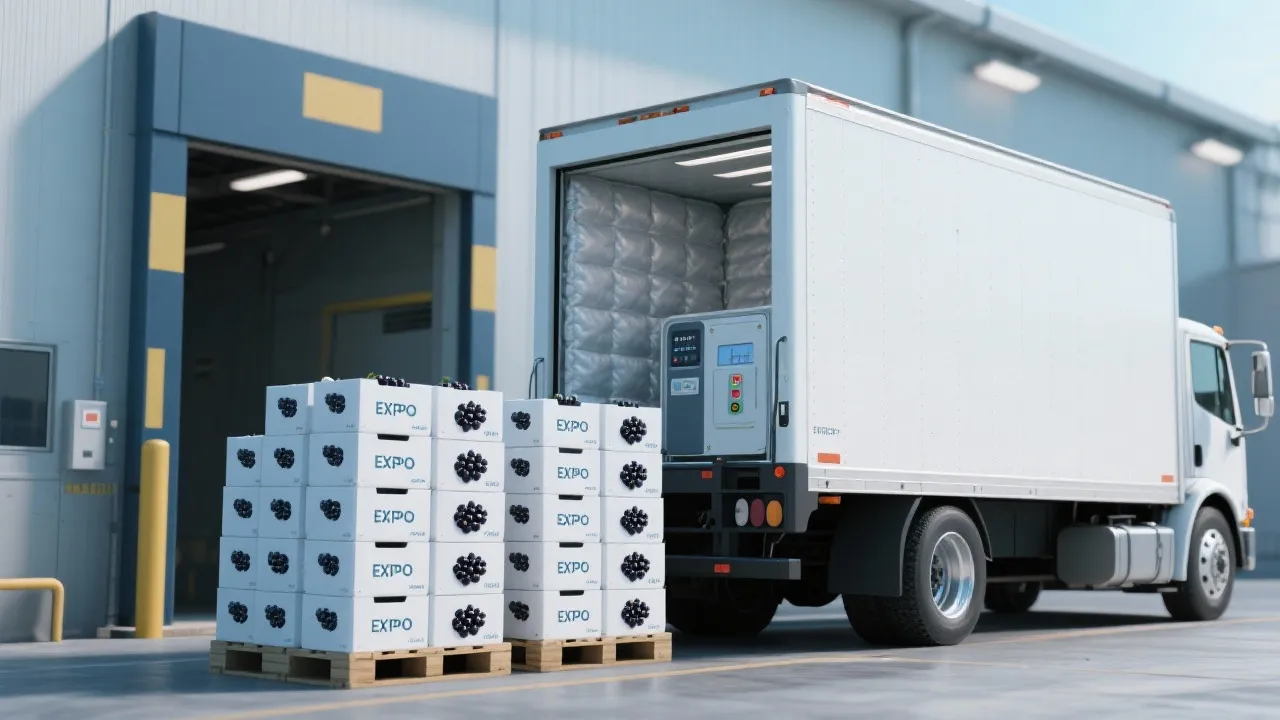
For B2B bulk distribution, focus areas include pallet optimization (typically 10-15kg master cartons with forklift-compatible design), tamper-evident sealing, and integrated RFID tracking for inventory management. Retail packaging, by contrast, emphasizes shelf visibility, portion control (300-500g formats), and consumer convenience features like reclosable zippers and microwave-safe designs.
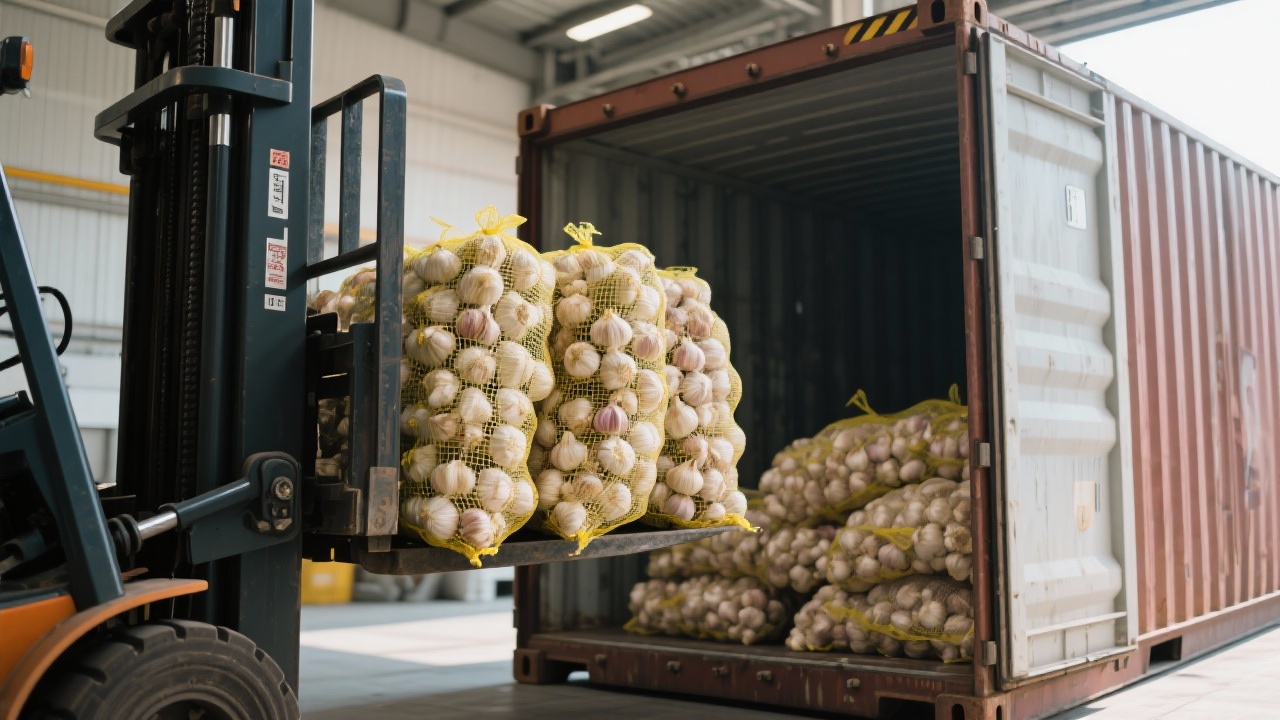
Introduced by industry leaders in 2022, this integrated packaging solution features:
Results: 18% increase in shelf life, 23% reduction in packaging waste, and 15% higher retail conversion rates in test markets.
As global demand for frozen organic berries continues to grow at 12% annually (Organic Produce Network, 2023), packaging innovation remains a critical differentiator in both B2B and retail markets. By integrating sustainable materials, engineered protective structures, and trust-building visual elements, brands can transform packaging from a functional necessity into a strategic asset that drives market penetration and brand loyalty.
Discover how 亿商桥's customized packaging technologies can reduce your supply chain costs by 18-25% while enhancing product quality and brand reputation in global markets.
Request Your Packaging Consultation Today*All statistics referenced are from industry reports and market research conducted between 2022-2023. Individual results may vary based on specific product characteristics and market conditions.

 256
|
256
|
 Halal Certification
Kosher Certification
Freeze-Dried Fruit Compliance
International Food Market Access
Food Supply Chain Compliance
411
|
organic
frozen
blackberry
quality
cold
chain
management
technology
frozen
blackberry
processing
organic
certification
standards
nutrition
retention
technology
443
|
frozen blackberries functional food applications
high antioxidant berry ingredients
organic frozen blackberries usage tips
frozen berries in energy bars
cold brew beverage ingredient innovation
229
|
frozen fruits and vegetables preservation technology
cold chain freshness locking process
-18℃ frozen red raspberry
active nutrition retention
HACCP food safety system
422
|
frozen blackcurrant OEM packaging
EU packaging compliance
EU Regulation 2023/2024
food import labeling
HACCP certified packaging
Halal Certification
Kosher Certification
Freeze-Dried Fruit Compliance
International Food Market Access
Food Supply Chain Compliance
411
|
organic
frozen
blackberry
quality
cold
chain
management
technology
frozen
blackberry
processing
organic
certification
standards
nutrition
retention
technology
443
|
frozen blackberries functional food applications
high antioxidant berry ingredients
organic frozen blackberries usage tips
frozen berries in energy bars
cold brew beverage ingredient innovation
229
|
frozen fruits and vegetables preservation technology
cold chain freshness locking process
-18℃ frozen red raspberry
active nutrition retention
HACCP food safety system
422
|
frozen blackcurrant OEM packaging
EU packaging compliance
EU Regulation 2023/2024
food import labeling
HACCP certified packaging


.png?x-oss-process=image/resize,h_100,m_lfit/format,webp)
.png?x-oss-process=image/resize,h_100,m_lfit/format,webp)
.png?x-oss-process=image/resize,h_100,m_lfit/format,webp)
 English