
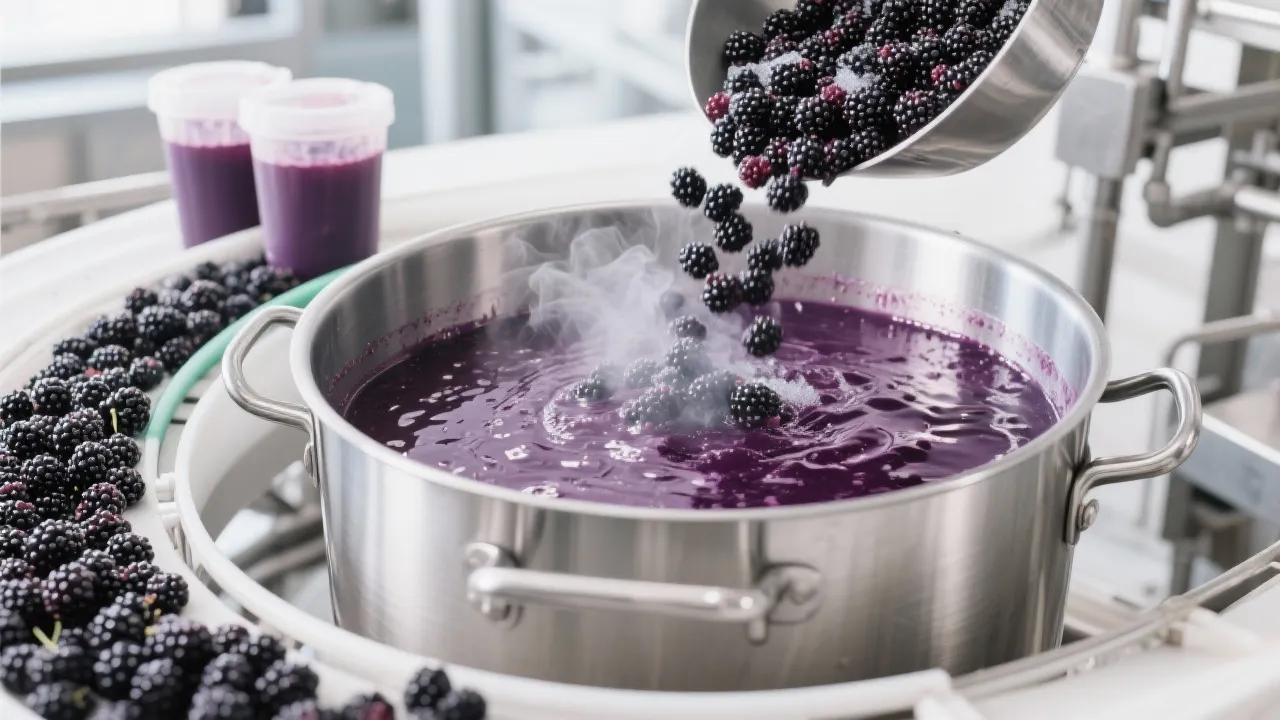
In the global market, frozen fruit exporters often face a series of compliance challenges. Different countries have diverse regulations and standards for food imports, which can be a significant barrier for exporters. For example, some countries have strict requirements regarding pesticide residues, additives, and product origin. These regulations are designed to protect the health of consumers and the ecological environment, but they also pose difficulties for exporters to meet all the criteria.
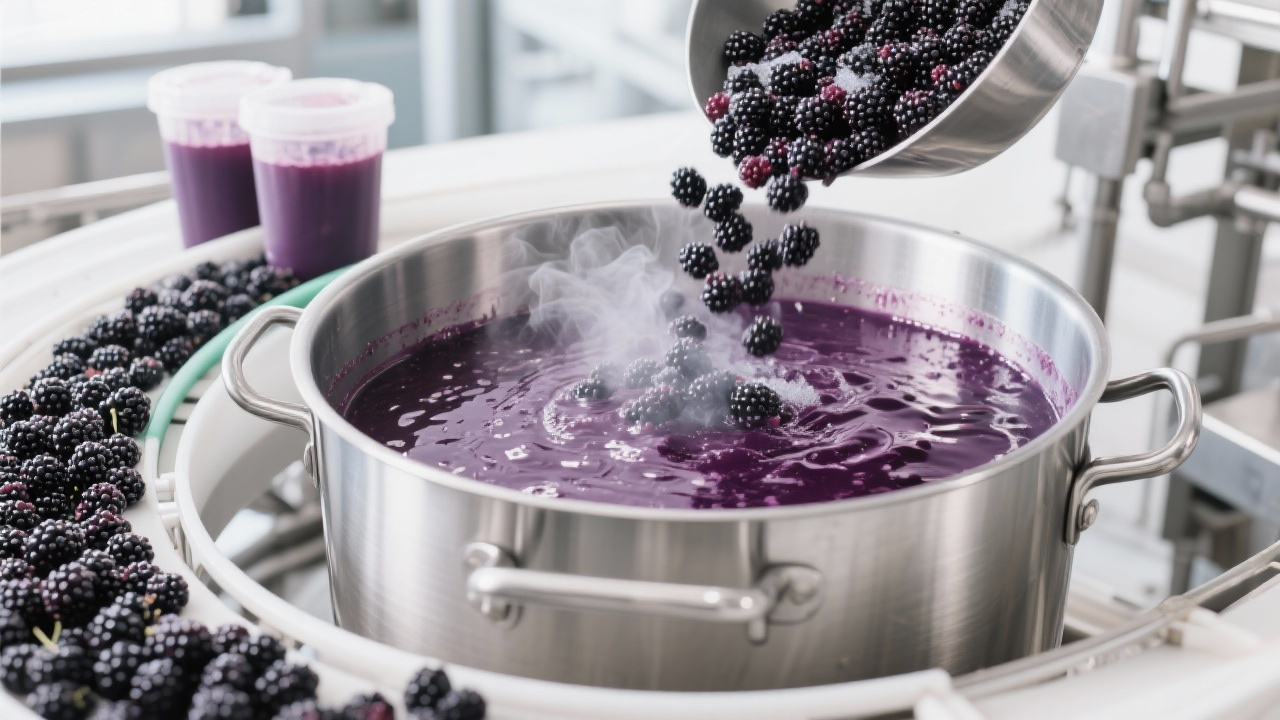
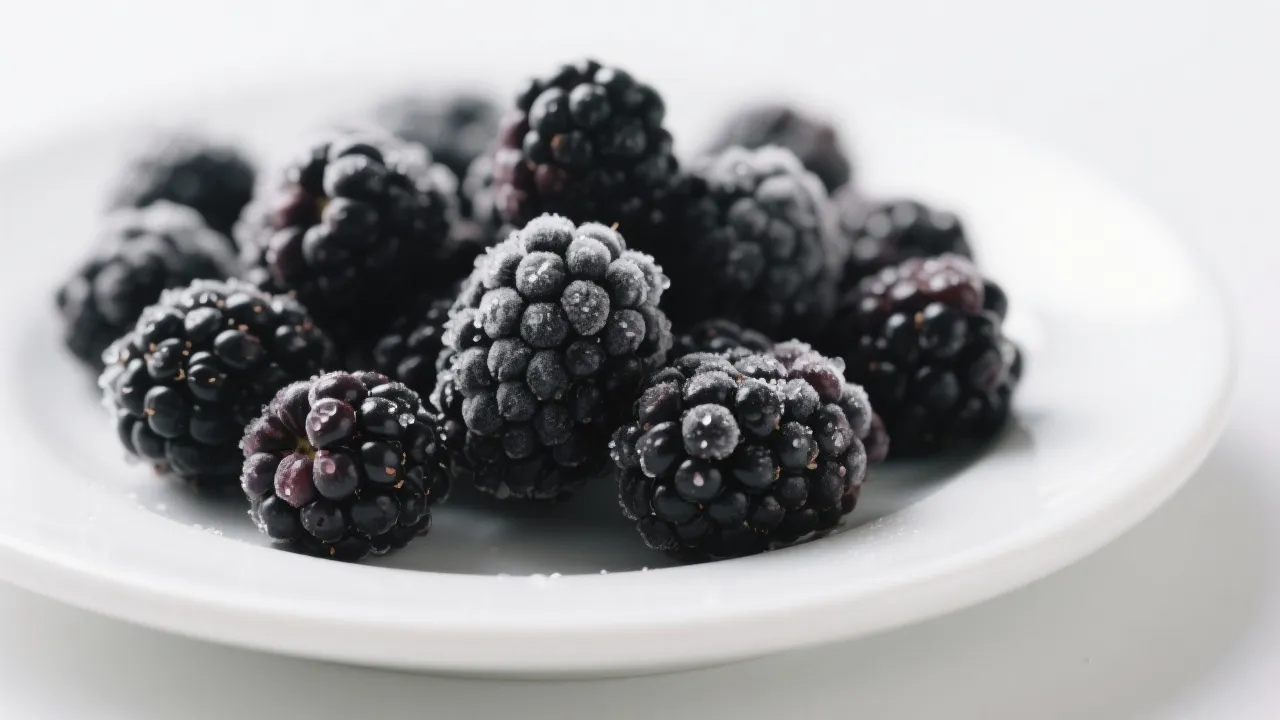
Organic certification is a strict standard that focuses on ecological environment protection and food safety. It requires that during the production process, no synthetic pesticides, fertilizers, or genetically modified organisms (GMOs) are used. Organic farming methods aim to maintain soil fertility, protect biodiversity, and produce food that is natural and pure. For frozen fruits, organic certification means that the fruits are grown in an environment free from chemical pollution, and the processing and packaging processes also comply with organic standards. For instance, the whole - fruit rate of organic frozen blackberries can reach up to 95%, ensuring high - quality products.
Halal certification is based on Islamic religious principles. It ensures that the products are prepared, processed, and stored in accordance with Islamic dietary laws. For the Muslim market, Halal certification is of utmost importance as it guarantees that the food is suitable for their consumption. In the Middle East and other regions with a large Muslim population, Halal - certified products have a broader market and higher consumer acceptance. This certification not only covers the ingredients but also the entire supply chain, from production to distribution.
The core principles include using only Halal - approved ingredients, avoiding any contact with non - Halal substances during production, and ensuring that the production facilities are clean and compliant with Halal standards. This certification gives consumers confidence in the products they purchase, especially in the food industry.

Different countries have different regulations regarding organic and Halal certifications. In the European Union, organic certification is strictly regulated, and products must meet specific standards to be labeled as organic. For Halal certification, countries in the Middle East have their own unique requirements and certification bodies. Exporters need to be well - aware of these differences to ensure that their products can enter the target markets smoothly. For example, some European countries may have more detailed requirements for the organic farming process, while Middle Eastern countries may focus more on the authenticity of Halal ingredients.
When a product has both organic and Halal certifications, it can significantly enhance its international recognition and premium pricing ability. Organic certification appeals to health - conscious consumers in the European and American markets, who are willing to pay a higher price for natural and healthy products. Halal certification, on the other hand, opens the door to the large Muslim market in the Middle East. Together, these two certifications can expand the product's market share and increase its competitiveness. For example, products with both certifications can command a price premium of up to 20% compared to non - certified products.
E - BizBridge, a leading exporter of frozen blackberries, has achieved stable exports by utilizing multiple certification systems such as HACCP/ISO 22000/KOSHER/Halal. By complying with these international standards, they have built a strong reputation in the global market. Their products are not only high - quality but also meet the diverse needs of different markets. For example, their organic and Halal - certified frozen blackberries have been well - received in both the European health - food market and the Middle Eastern Muslim market.
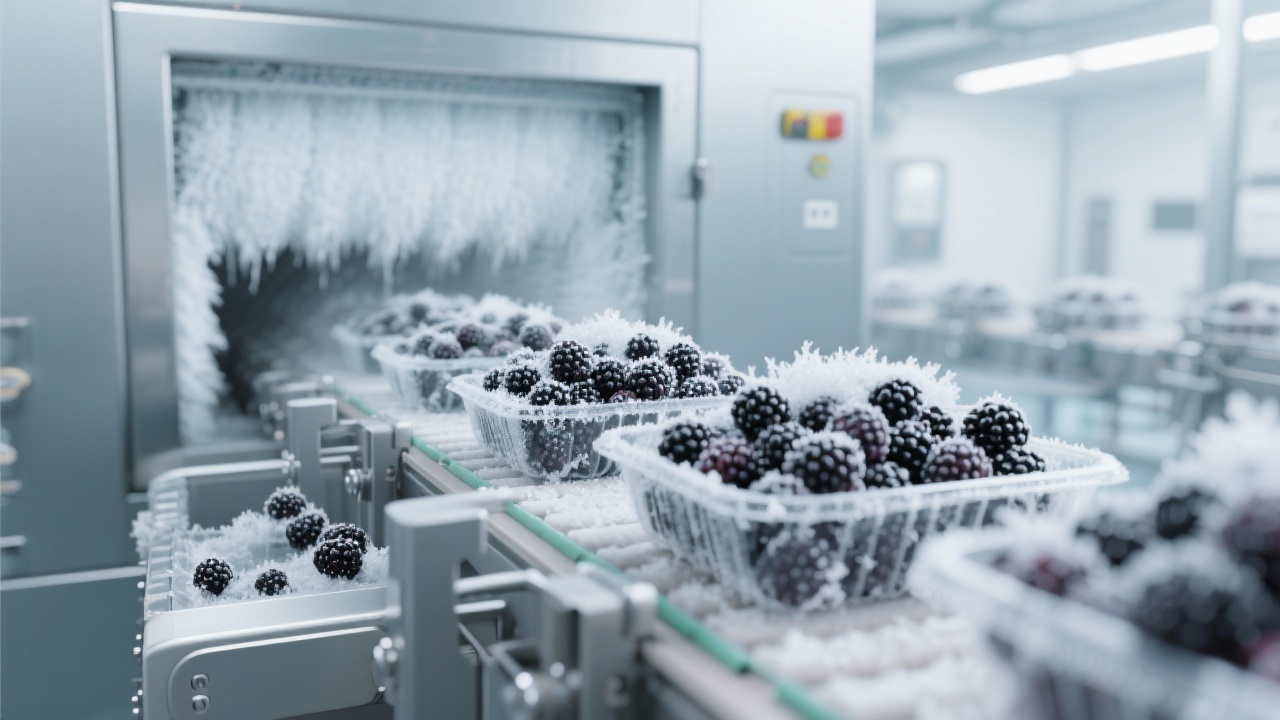
When applying for organic and Halal certifications, exporters should first understand the specific requirements of the certification bodies. They need to prepare detailed documentation about the production process, ingredient sources, and quality control measures. It is also important to choose a reliable certification agency. Some common mistakes to avoid include not providing accurate information, not following the certification process strictly, and not being aware of the cultural and religious aspects related to the certifications.
The value of organic and Halal certifications cannot be overstated. They are not only a guarantee of product quality but also a key to unlocking international markets. By obtaining these certifications, exporters can build trust with consumers worldwide and enhance their brand image.
Ready to enhance your frozen fruit's international competitiveness? Learn more about the advantages of organic and Halal certifications and get a free whitepaper or join our Q&A live stream by clicking here.

 475
|
475
|
 whole-blown freeze-dried raspberry powder
SGS testing report
CQC certification
functional food ingredients
high-purity berry powder
207
|
frozen fruit sourcing strategy
small batch trial procurement
OEM private label frozen fruit
food supply chain flexibility
frozen berry packaging compliance
61
|
EU import standards frozen fruit
HACCP food safety certification
frozen black currant supply chain optimization
European food regulations
frozen fruit export compliance
292
|
Freeze - dried raspberry powder supply chain management
Cold chain transportation standards
Temperature - controlled logistics tracking
Flexible support for small - batch trial production
Stable supply of export - grade raw materials
68
|
EU frozen blackcurrant regulations
HACCP certification in food supply chain
cold chain management for berries
fruit integrity optimization
compliant frozen fruit export
whole-blown freeze-dried raspberry powder
SGS testing report
CQC certification
functional food ingredients
high-purity berry powder
207
|
frozen fruit sourcing strategy
small batch trial procurement
OEM private label frozen fruit
food supply chain flexibility
frozen berry packaging compliance
61
|
EU import standards frozen fruit
HACCP food safety certification
frozen black currant supply chain optimization
European food regulations
frozen fruit export compliance
292
|
Freeze - dried raspberry powder supply chain management
Cold chain transportation standards
Temperature - controlled logistics tracking
Flexible support for small - batch trial production
Stable supply of export - grade raw materials
68
|
EU frozen blackcurrant regulations
HACCP certification in food supply chain
cold chain management for berries
fruit integrity optimization
compliant frozen fruit export







.png?x-oss-process=image/resize,h_100,m_lfit/format,webp)
.png?x-oss-process=image/resize,h_100,m_lfit/format,webp)
.png?x-oss-process=image/resize,h_100,m_lfit/format,webp)
 English


