
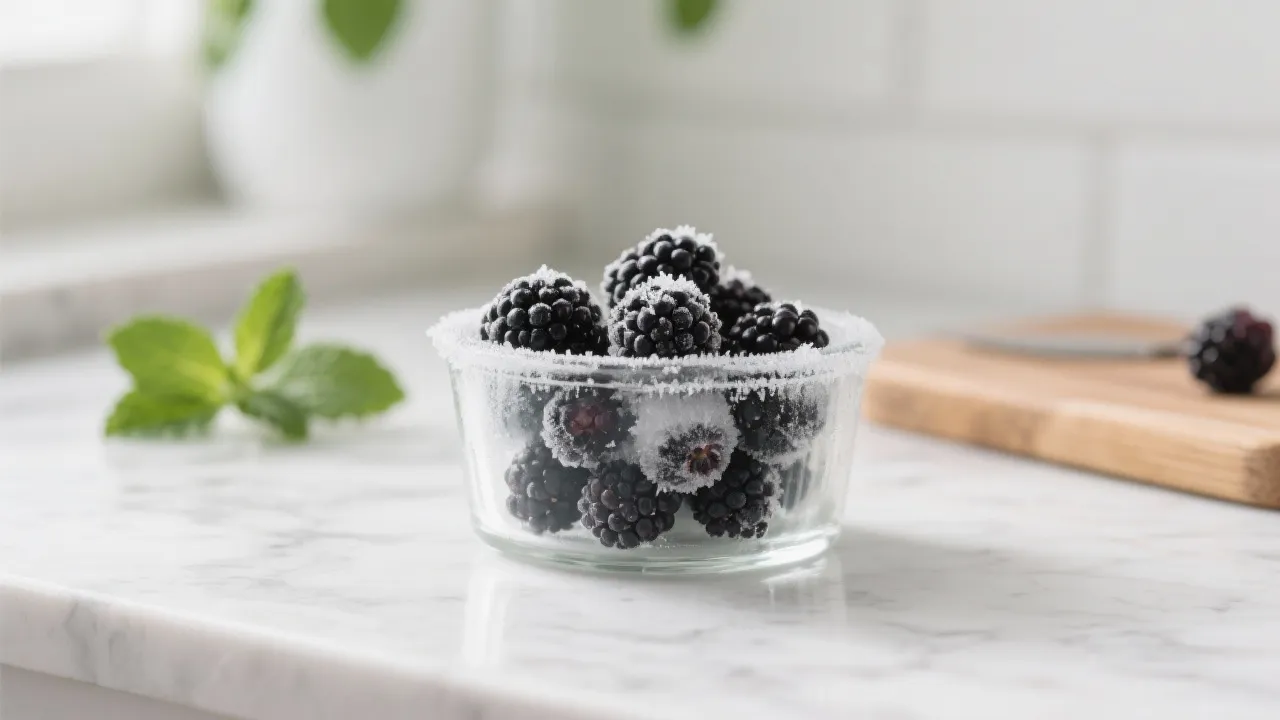
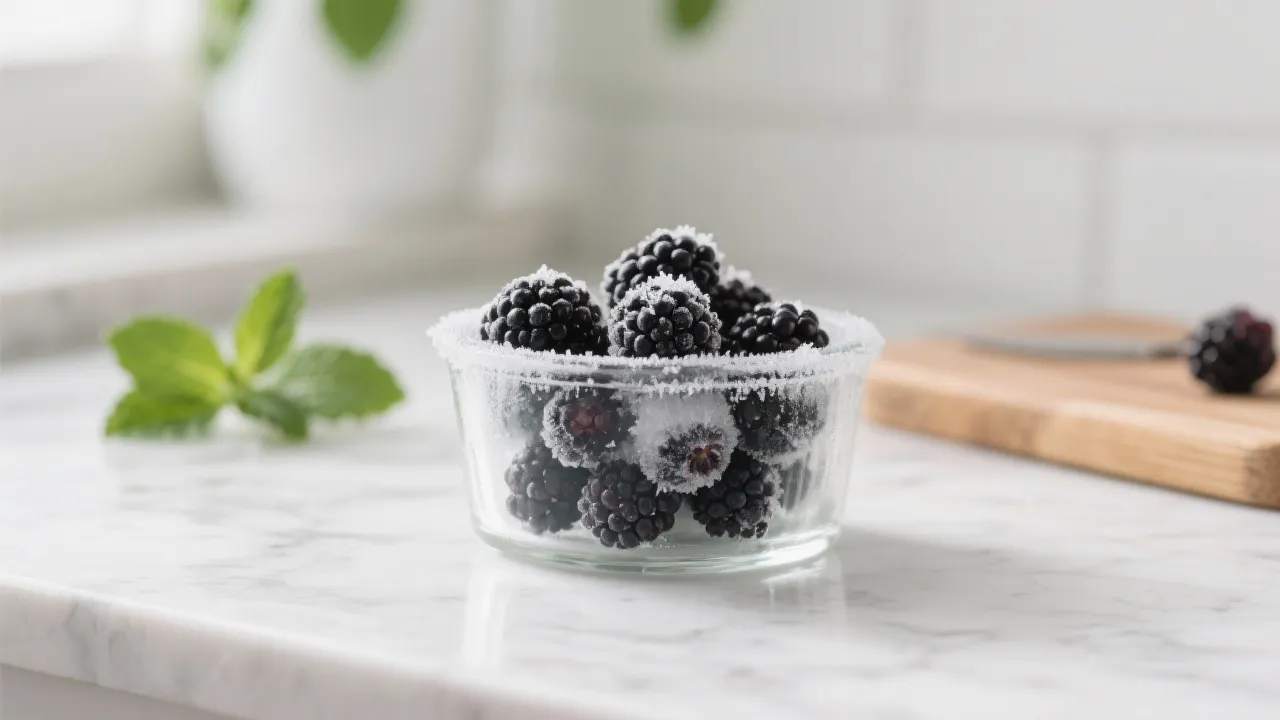
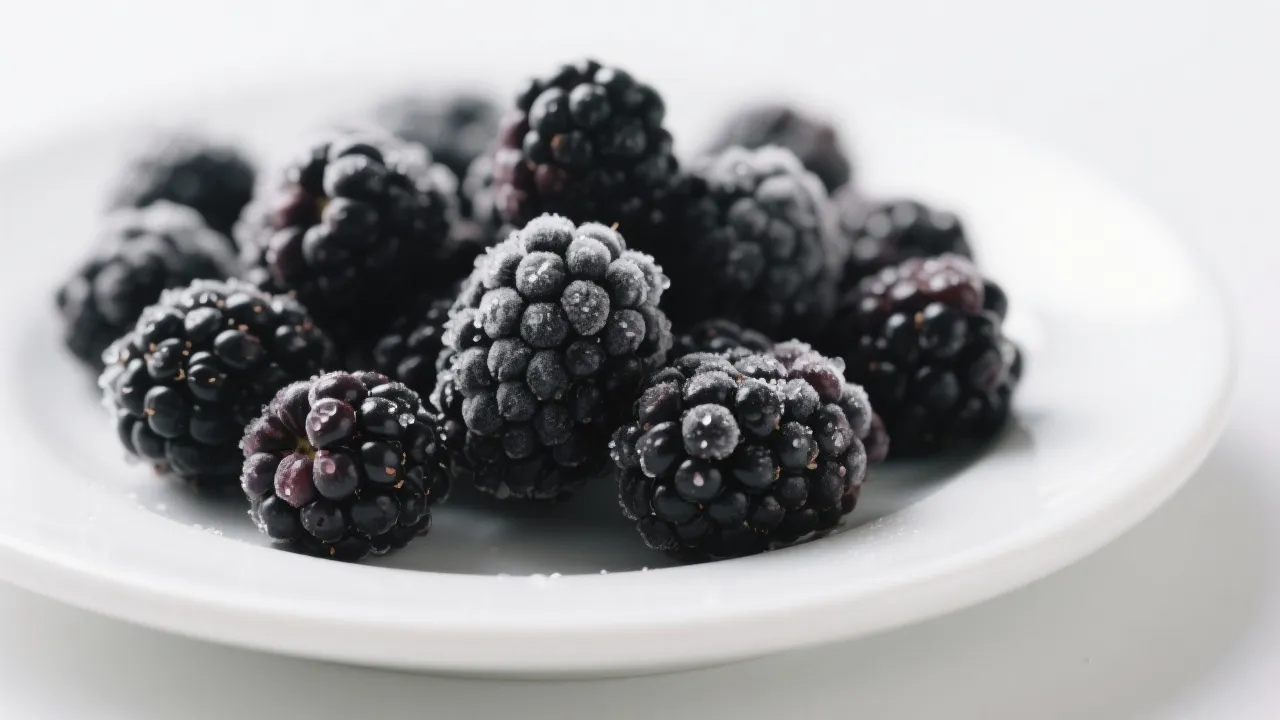
In the frozen fruit and vegetable industry, packaging faces a dual challenge of functionality and environmental protection. On one hand, it must effectively protect the products from damage during freezing, transportation, and storage. For instance, maintaining the quality of frozen blackberries requires packaging that can withstand low - temperature conditions and prevent freezer burn. On the other hand, with increasing global awareness of environmental issues, there is a growing demand for eco - friendly packaging. According to industry reports, over 60% of consumers in developed markets are more likely to choose products with sustainable packaging.
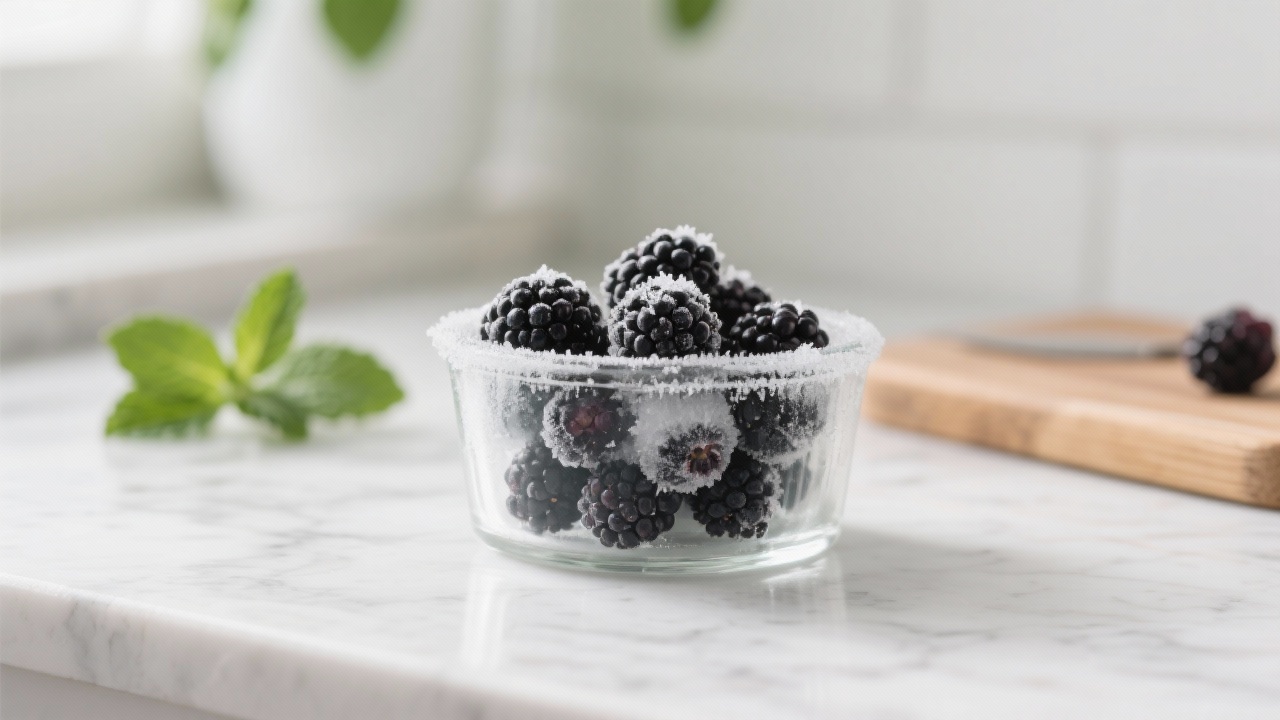
Custom packaging plays a crucial role in shaping brand image, enhancing user convenience, and segmenting target markets. A well - designed custom package can make a brand stand out on the shelves. For example, a unique shape or color scheme can increase the recognition of frozen blackberries. In terms of user convenience, packages with easy - open features or appropriate portion sizes can improve the user experience. Moreover, by segmenting the target market, companies can design packaging that meets the specific needs of different customer groups, such as single - serving packages for individuals or family - sized packages for households.
Packaging is often the first thing that customers notice about a product. A high - quality, well - designed package can convey a brand's values and quality. For example, using premium materials in the packaging of frozen blackberries can create an impression of high - end and healthy products, which is in line with the brand's positioning as a provider of top - notch healthy food.
Convenience is a significant factor in consumer purchasing decisions. Custom packaging can be designed with features such as resealable zippers or easy - to - pour spouts, making it more convenient for consumers to use and store the product. This can lead to increased customer satisfaction and loyalty.
Different market segments have different needs. For example, young consumers may prefer trendy and minimalist packaging, while older consumers may value traditional and reliable packaging. By segmenting the market and designing packaging accordingly, companies can better meet the needs of different customers and increase market share.
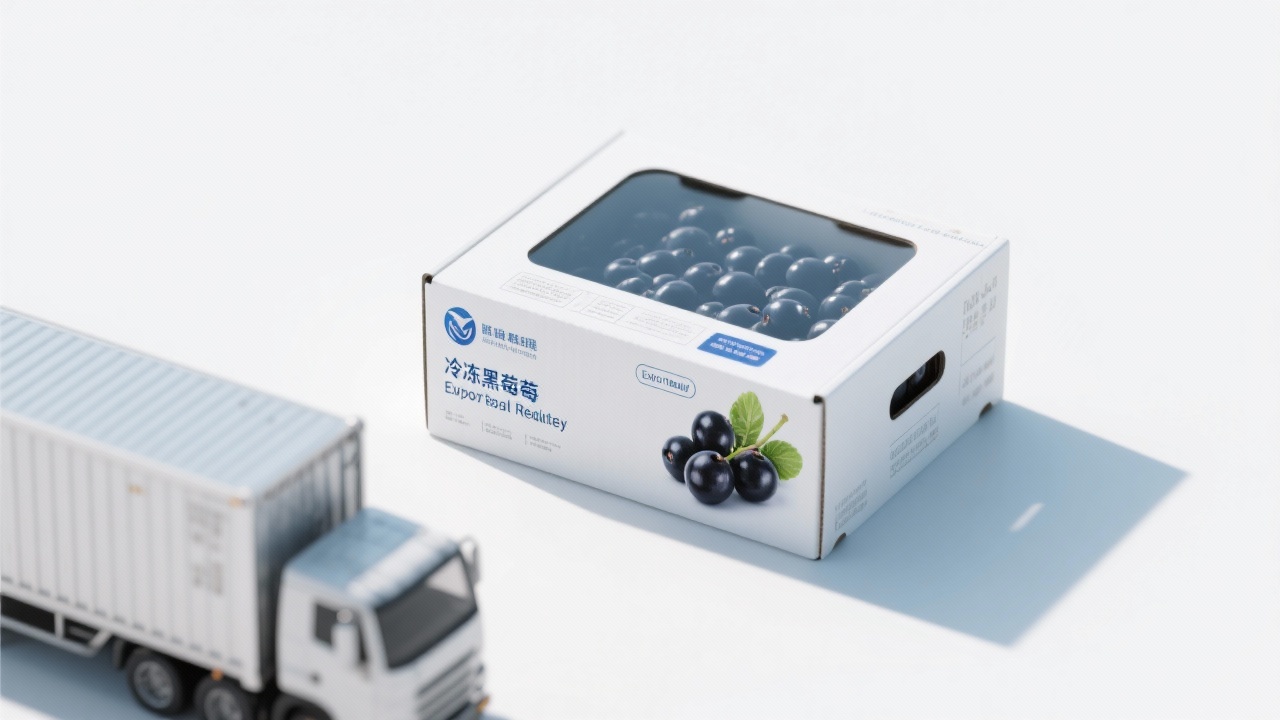
There are significant differences in packaging requirements between different regions, especially between Europe and America and Asia. In Europe and America, consumers are more concerned about sustainability. They prefer packaging made from biodegradable materials and are more likely to support brands with strong ESG (Environmental, Social, and Governance) performance. In fact, 70% of European consumers are willing to pay a premium for products with sustainable packaging. In contrast, Asian consumers, especially in countries like Japan and South Korea, emphasize quality and trust. They prefer packaging that can clearly show the product's origin, quality certification, and nutritional information.
Using biodegradable materials and plastic - reduction solutions can significantly enhance a company's ESG image. Green procurement decision - makers are increasingly looking for suppliers who can provide sustainable packaging solutions. For example, a company that uses compostable packaging for its frozen blackberries can attract large - scale green buyers, such as supermarkets with strict ESG policies. According to a survey, companies with strong ESG performance in packaging can increase their market share by up to 20% in the green procurement market.
There are many successful cases in the industry that demonstrate the benefits of packaging customization.
One company redesigned its frozen blackberry packaging to be more eco - friendly and user - friendly. After the change, the customer satisfaction rate increased from 70% to 90%, and the repurchase rate increased by 30%.This shows that packaging customization can not only improve customer satisfaction but also lead to higher repurchase rates.
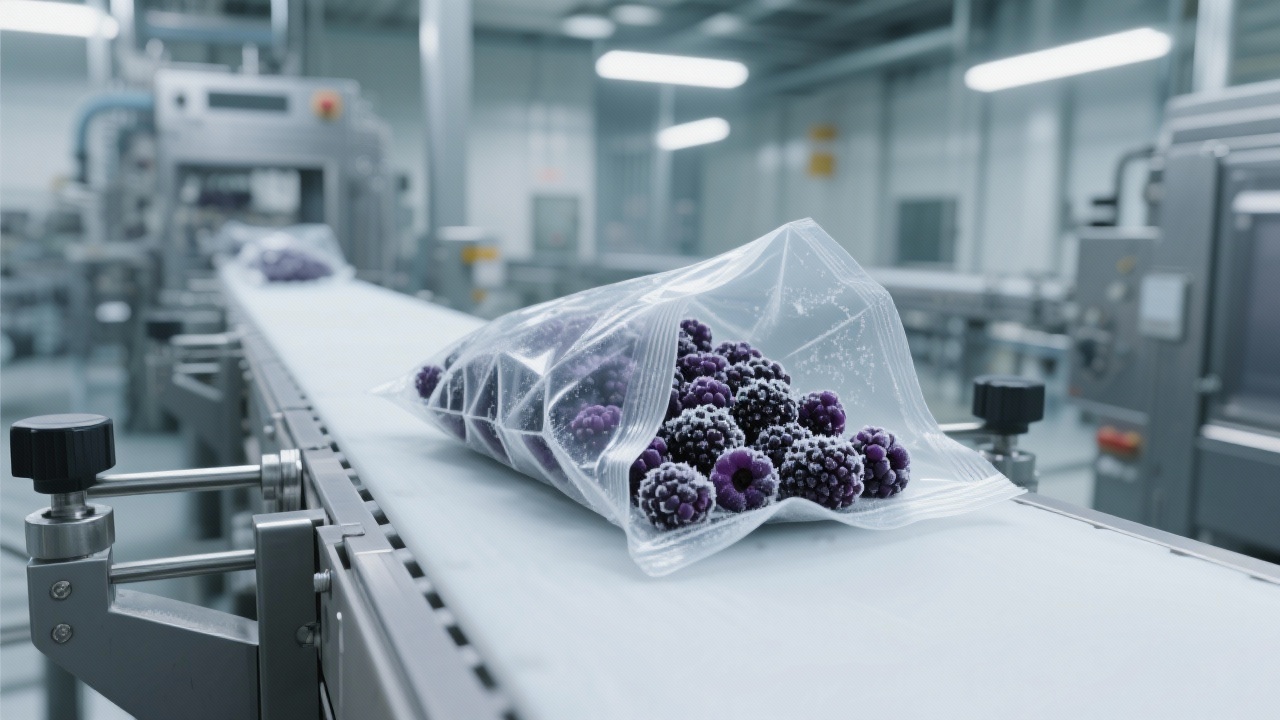
Packaging design is not just about protecting products; it is a strategic marketing touchpoint. A well - designed package can convey a brand's message, attract customers, and increase brand loyalty. In today's competitive market, companies should move from passive compliance with packaging regulations to active innovation in packaging design. By doing so, they can differentiate themselves from competitors and achieve long - term growth. Let every pack of blackberries become a brand ambassador!

 110
|
110
|
 EU frozen blackcurrant import standards
HACCP certification supply chain compliance
frozen fruit cold chain management
blackcurrant export to Europe
food export compliance guidelines
415
|
frozen black currant quality control
three-stage manual sorting
liquid nitrogen freezing technology
cold chain logistics for fruit
export consistency in berry processing
91
|
rapid freezing technology
food safety management system
HACCP certification
ISO 22000
frozen blackberry preservation
207
|
frozen fruit sourcing strategy
small batch trial procurement
OEM private label frozen fruit
food supply chain flexibility
frozen berry packaging compliance
145
|
Freeze-dried raspberry powder
Anthocyanin protection
Bioavailability enhancement
Functional food addition
Active ingredient stability
EU frozen blackcurrant import standards
HACCP certification supply chain compliance
frozen fruit cold chain management
blackcurrant export to Europe
food export compliance guidelines
415
|
frozen black currant quality control
three-stage manual sorting
liquid nitrogen freezing technology
cold chain logistics for fruit
export consistency in berry processing
91
|
rapid freezing technology
food safety management system
HACCP certification
ISO 22000
frozen blackberry preservation
207
|
frozen fruit sourcing strategy
small batch trial procurement
OEM private label frozen fruit
food supply chain flexibility
frozen berry packaging compliance
145
|
Freeze-dried raspberry powder
Anthocyanin protection
Bioavailability enhancement
Functional food addition
Active ingredient stability



.png?x-oss-process=image/resize,h_100,m_lfit/format,webp)
.png?x-oss-process=image/resize,h_100,m_lfit/format,webp)
.png?x-oss-process=image/resize,h_100,m_lfit/format,webp)
 English


