
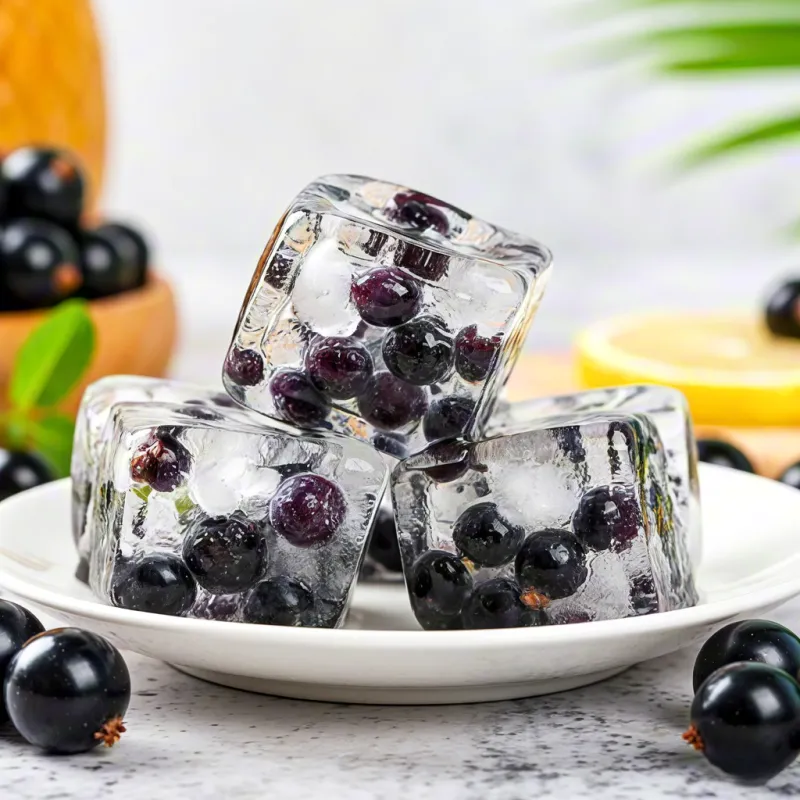
In the realm of food processing, frozen blackcurrants have emerged as a game - changer. But how do they ensure the stable quality of juice, jam, and desserts? Let's dive deep into the core value of frozen blackcurrants in food processing.
To understand the benefits of frozen blackcurrants, we must first look at the mechanism of ice crystal formation. When fruits are frozen slowly, large ice crystals form within the cells. These crystals can rupture cell walls, leading to significant cell damage and nutrient loss. In contrast, quick freezing reduces the formation of large ice crystals. By rapidly dropping the temperature, the water in the cells forms numerous tiny ice crystals, minimizing cell damage. This is crucial for preserving the nutrients and flavor of blackcurrants.
There is a significant difference in nutrient retention between traditional freezing methods and advanced quick - freezing techniques like liquid nitrogen or tunnel freezing. Traditional freezing may result in up to 30% nutrient loss, while advanced quick - freezing can retain over 90% of the original nutrients in blackcurrants. An information chart (such as an ice crystal size comparison chart) can clearly illustrate this difference.
Quality control is of utmost importance in the export of frozen blackcurrants. Three - round manual screening plays a vital role in industrial - grade quality control. This process involves carefully inspecting each batch of blackcurrants to remove damaged or sub - standard fruits. Through this meticulous screening, the whole - fruit rate can be increased to over 95%. This high whole - fruit rate ensures a more consistent product for food processing, reducing the risk of inconsistent flavor and texture in the final products.
Maintaining a - 18°C cold - chain throughout transportation is essential for preventing microbial growth and flavor loss. Microorganisms are less active at this low temperature, which inhibits their growth and reproduction. Additionally, low temperatures slow down chemical reactions that can cause flavor changes. By controlling the temperature, we can ensure that the blackcurrants reach the processing facilities in the best possible condition.
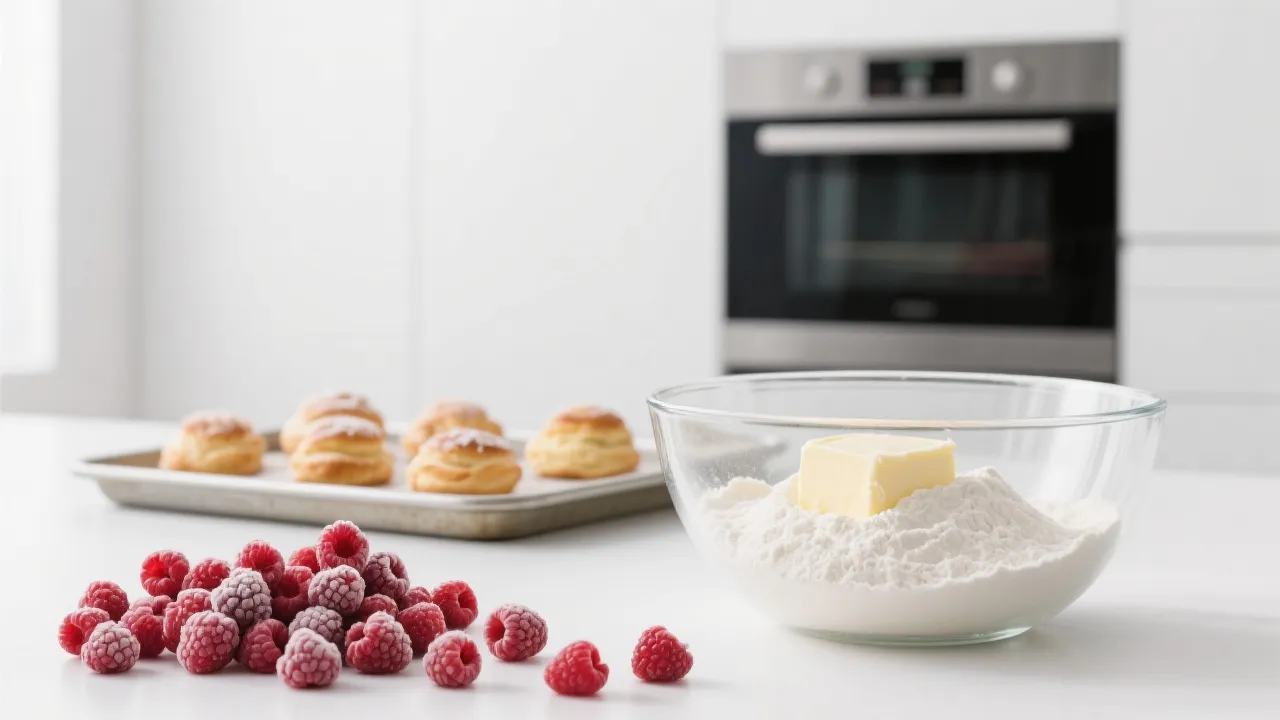
When it comes to processing blackcurrants into juice, jam, or frozen desserts, specific operation suggestions can optimize the process. For juice production, using freshly thawed blackcurrants can enhance the flavor. Adding a small amount of pectinase can improve the juice yield. In jam - making, adjusting the sugar - to - fruit ratio according to the natural sugar content of blackcurrants can ensure a consistent texture. For frozen desserts, incorporating blackcurrant puree at the right stage of the freezing process can create a more evenly distributed flavor.
Our company offers efficient and reliable supply - chain services, ensuring that you receive high - quality frozen blackcurrants every time. We understand the pain points in real - world production scenarios, such as inconsistent jam texture, and are committed to providing practical solutions.
We'd love to hear from you! Have you ever used frozen blackcurrants in your food processing? What challenges have you faced? Share your experiences in the comments below.

 218
|
218
|
 quick freezing technology
frozen blackberry nutrition retention
food preservation techniques
frozen fruit processing
blackberry antioxidant content
195
|
frozen blackberry distribution efficiency
custom packaging for organic frozen berries
high-quality frozen fruit supply chain solutions
HACCP certified frozen fruits
international food ingredient sourcing
279
|
Quick freezing technology
Nutrient retention in frozen blackberries
Fruit preservation technology
Frozen fruit and vegetable supply chain
E - BizBridge blackberries
279
|
frozen blackcurrant processing techniques
blackcurrant quick-freezing technology
frozen fruit nutrition retention
juice and jam process optimization
cold chain temperature control
131
|
rapid freezing technology
frozen blackberry nutrition retention
export-grade frozen berries
blackberry freeze preservation
food supply chain quality control
quick freezing technology
frozen blackberry nutrition retention
food preservation techniques
frozen fruit processing
blackberry antioxidant content
195
|
frozen blackberry distribution efficiency
custom packaging for organic frozen berries
high-quality frozen fruit supply chain solutions
HACCP certified frozen fruits
international food ingredient sourcing
279
|
Quick freezing technology
Nutrient retention in frozen blackberries
Fruit preservation technology
Frozen fruit and vegetable supply chain
E - BizBridge blackberries
279
|
frozen blackcurrant processing techniques
blackcurrant quick-freezing technology
frozen fruit nutrition retention
juice and jam process optimization
cold chain temperature control
131
|
rapid freezing technology
frozen blackberry nutrition retention
export-grade frozen berries
blackberry freeze preservation
food supply chain quality control



.png?x-oss-process=image/resize,h_100,m_lfit/format,webp)
.png?x-oss-process=image/resize,h_100,m_lfit/format,webp)
.png?x-oss-process=image/resize,h_100,m_lfit/format,webp)
 English


