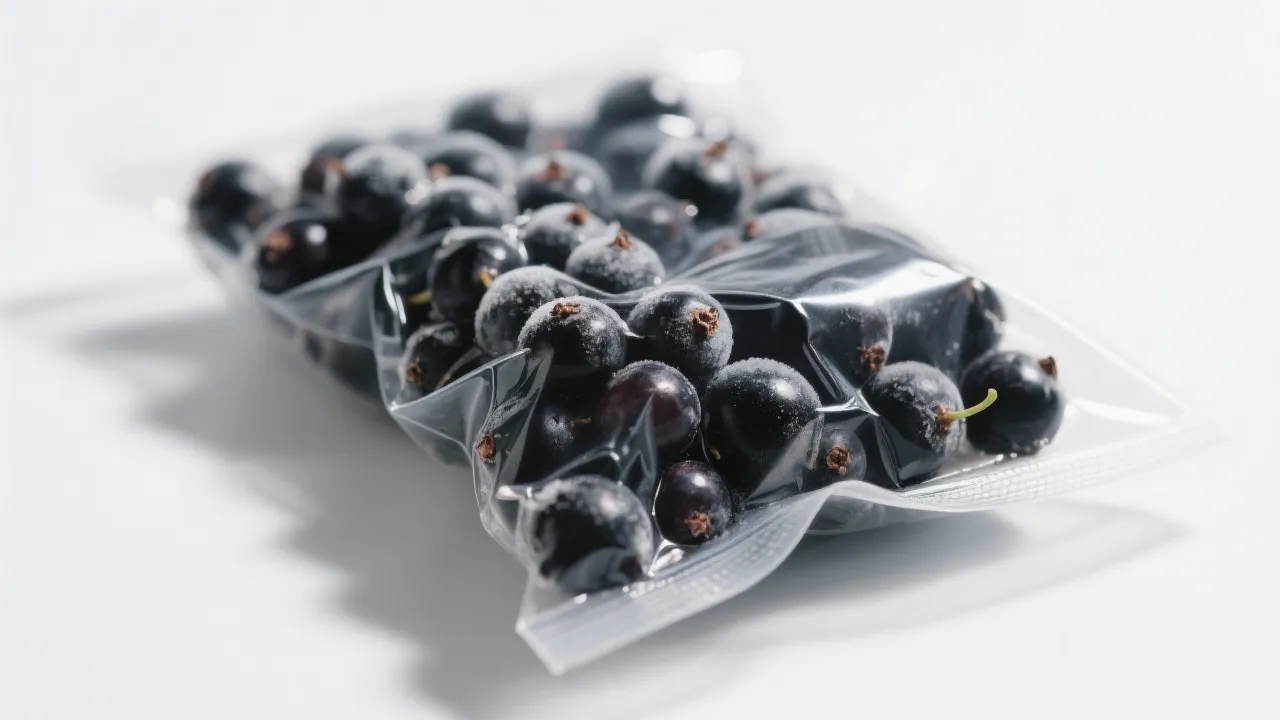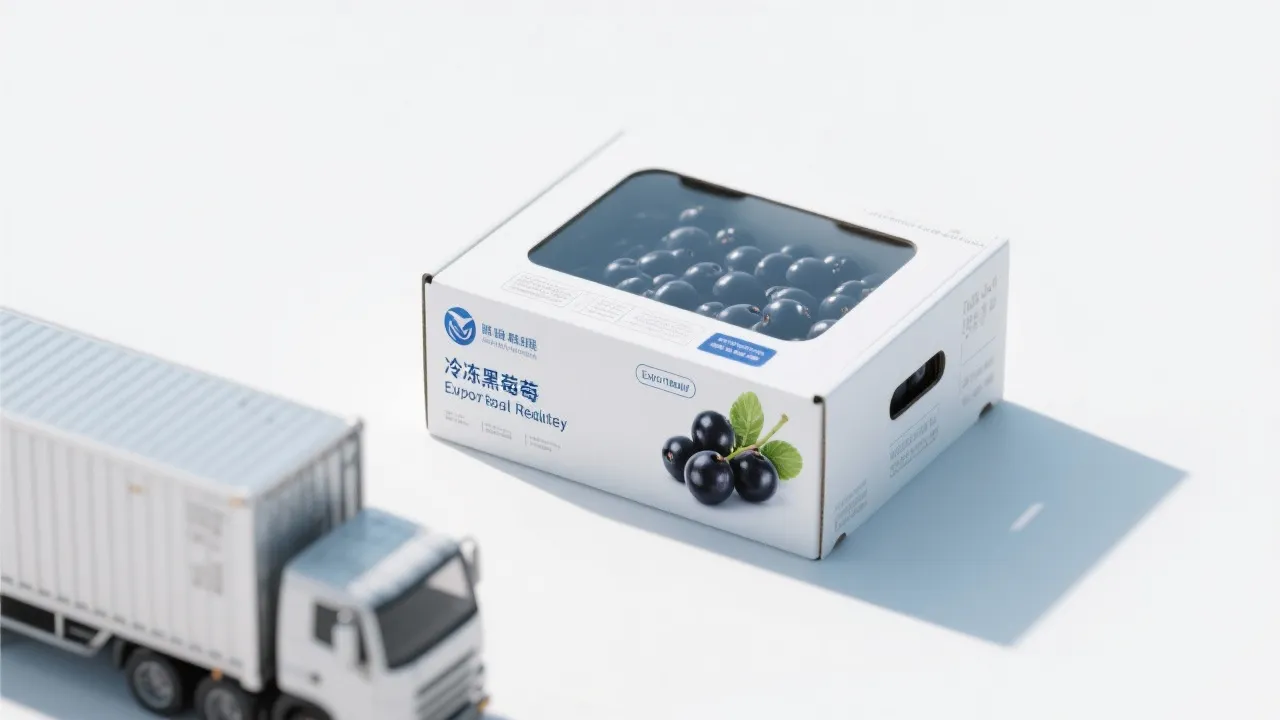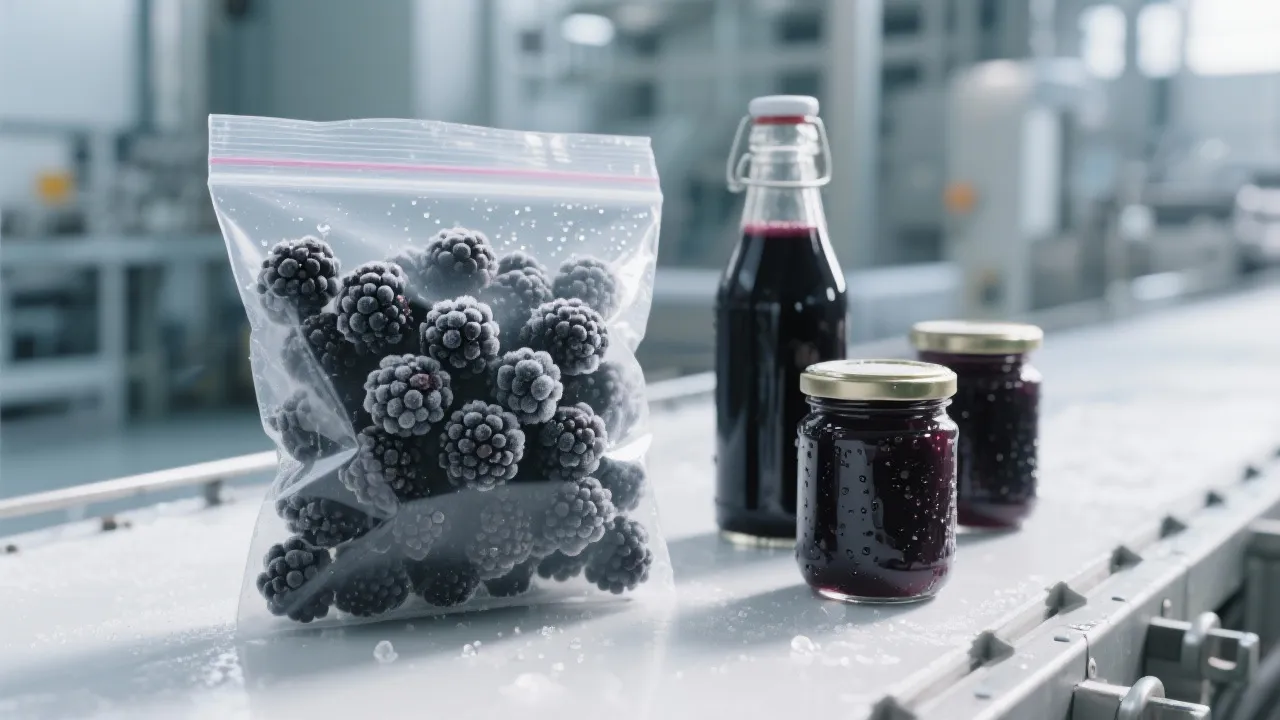
For food manufacturers specializing in premium fruit products, the integrity of frozen ingredients directly impacts end-product quality and profitability. Among these, frozen blackcurrants present unique challenges in maintaining whole fruit structure throughout processing and storage. This technical analysis explores how optimized sorting processes can achieve over 95% whole fruit retention rates, with practical applications for juice producers, jam manufacturers, and dessert innovators.
Blackcurrants (Ribes nigrum) are particularly susceptible to structural damage due to their delicate cell walls and high moisture content (approximately 82% water by weight). Research indicates that conventional mechanical sorting processes typically result in 15-25% fruit breakage, significantly reducing their value for premium applications. Three primary factors contribute to this challenge:
These challenges are compounded when processing for international markets, where shipping and extended storage introduce additional freeze-thaw cycles. A study by the International Institute of Food Technology found that each additional freeze-thaw cycle can reduce whole fruit yield by 8-12% in conventional processing systems.
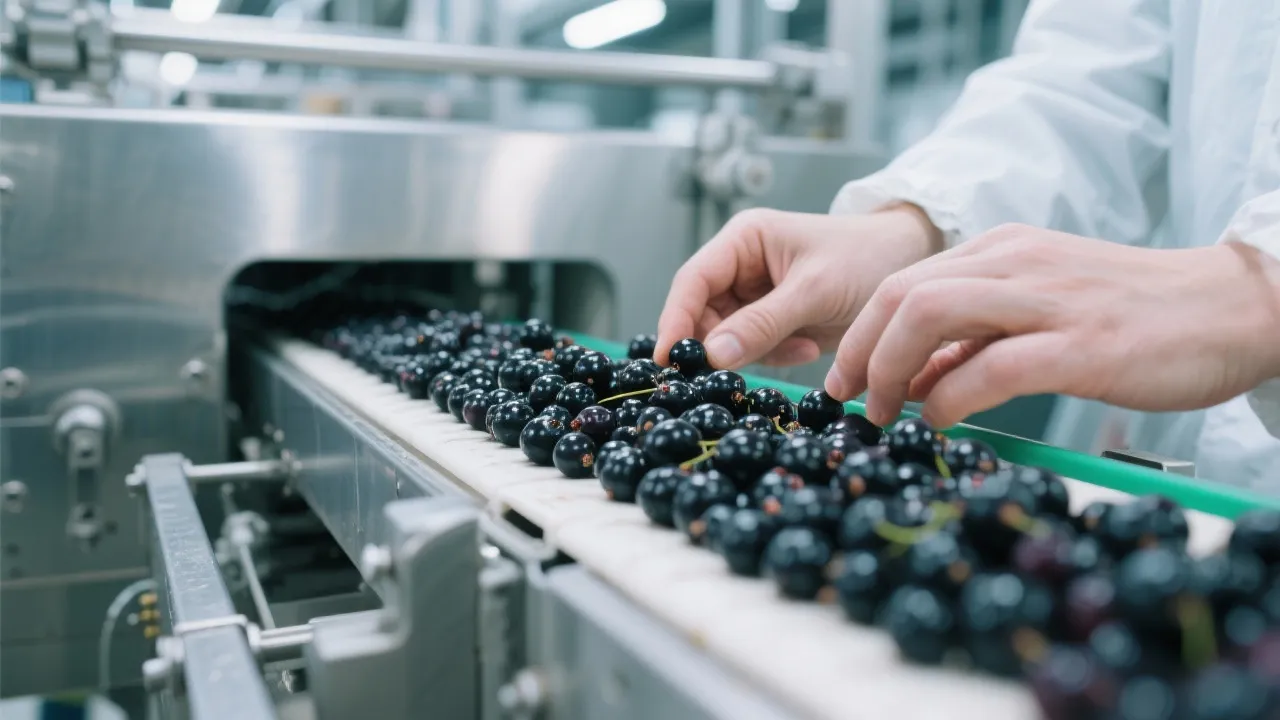
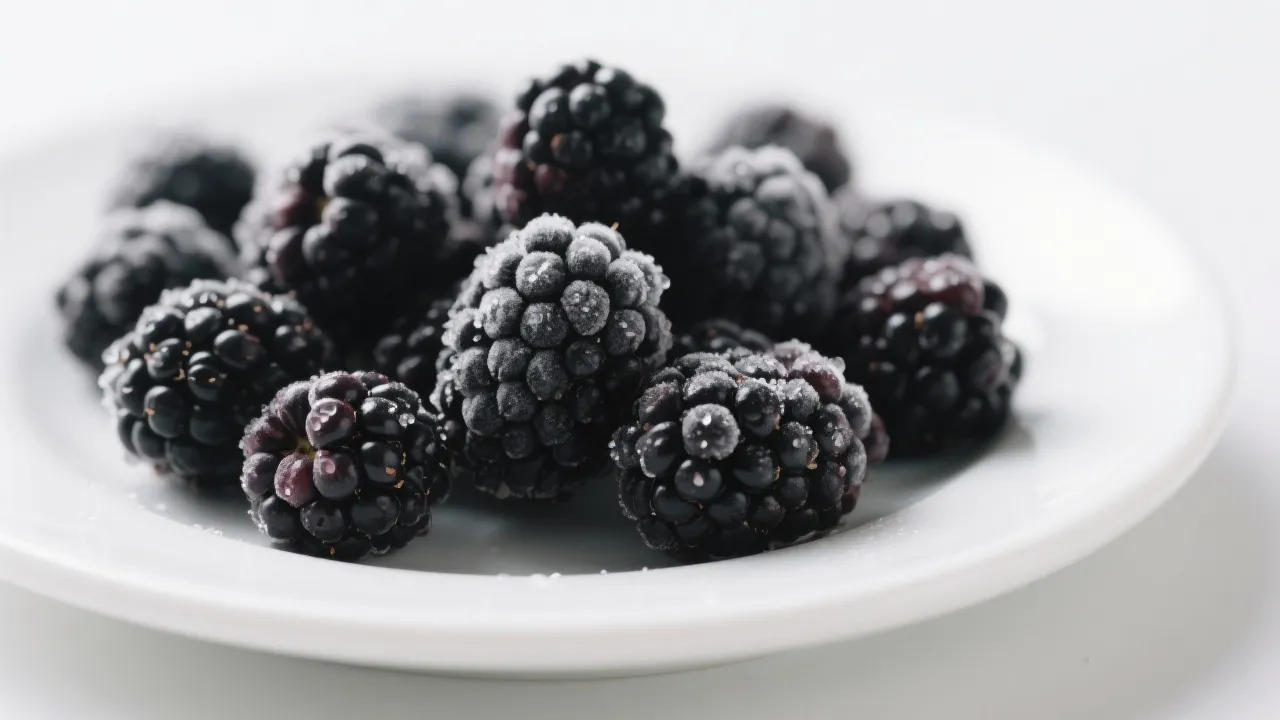
Upon arrival at processing facilities, blackcurrant batches undergo rigorous initial inspection. Trained sorters evaluate each lot for maturity (measuring soluble solids content between 14-18°Brix for optimal quality), external damage, and foreign material contamination. This first pass removes approximately 6-8% of incoming fruit that would otherwise compromise final whole fruit yield.
Using calibrated sizing screens and visual inspection stations, the second sorting stage separates fruit into uniform size categories (typically 8-10mm, 10-12mm, and 12mm+ diameters). This step addresses the industry challenge of variable fruit size, which can cause uneven processing and increased breakage during freezing. Sorters simultaneously remove fruits with visible defects such as skin breaks, insect damage, or stem remnants.
"Precision in size grading reduces processing stress by up to 40%," explains food technologist Maria Svensson from the European Fruit Processing Association. "Uniform fruit dimensions ensure consistent freezing rates and minimal mechanical damage during handling."
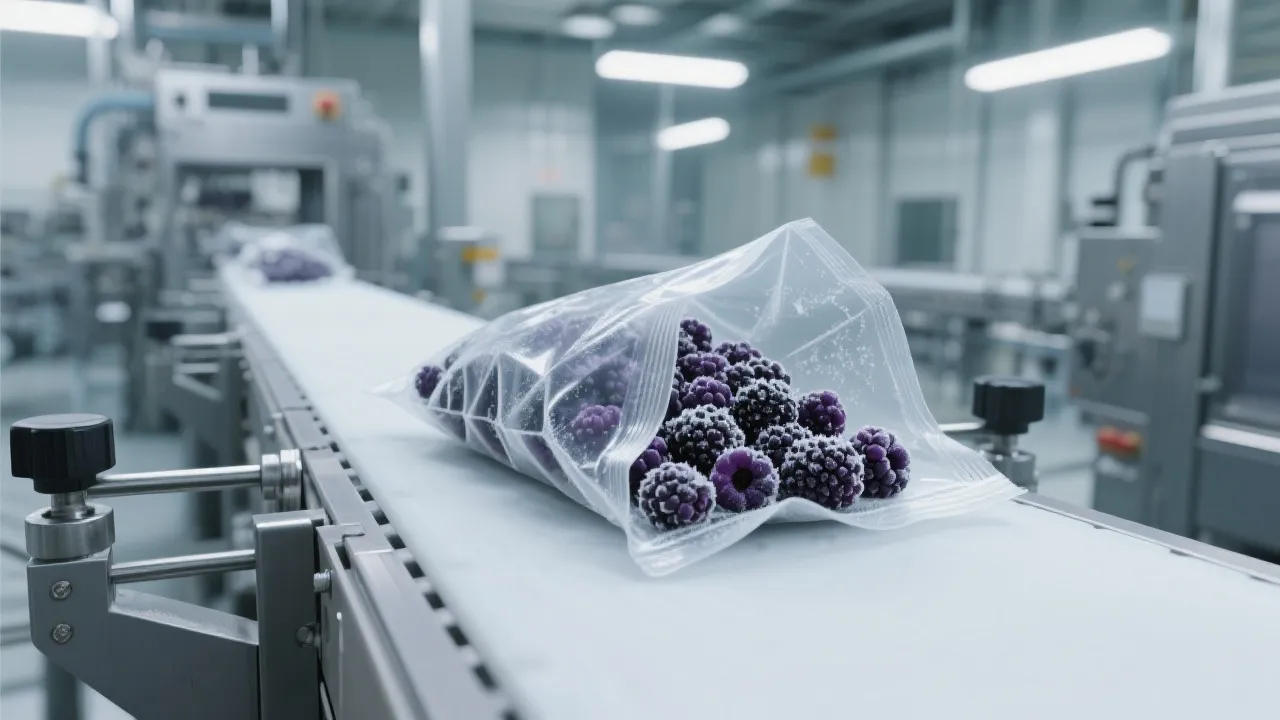
The final sorting stage occurs immediately before individual quick freezing (IQF). This critical inspection identifies any fruits that may have been damaged during previous handling stages. Sorters受过专门培训,能够识别细微的皮肤张力变化,这些变化预示着解冻后可能破裂。This three-stage approach, implemented by companies like 亿商桥 who specialize in international agricultural trade, consistently achieves whole fruit retention rates exceeding 95%.
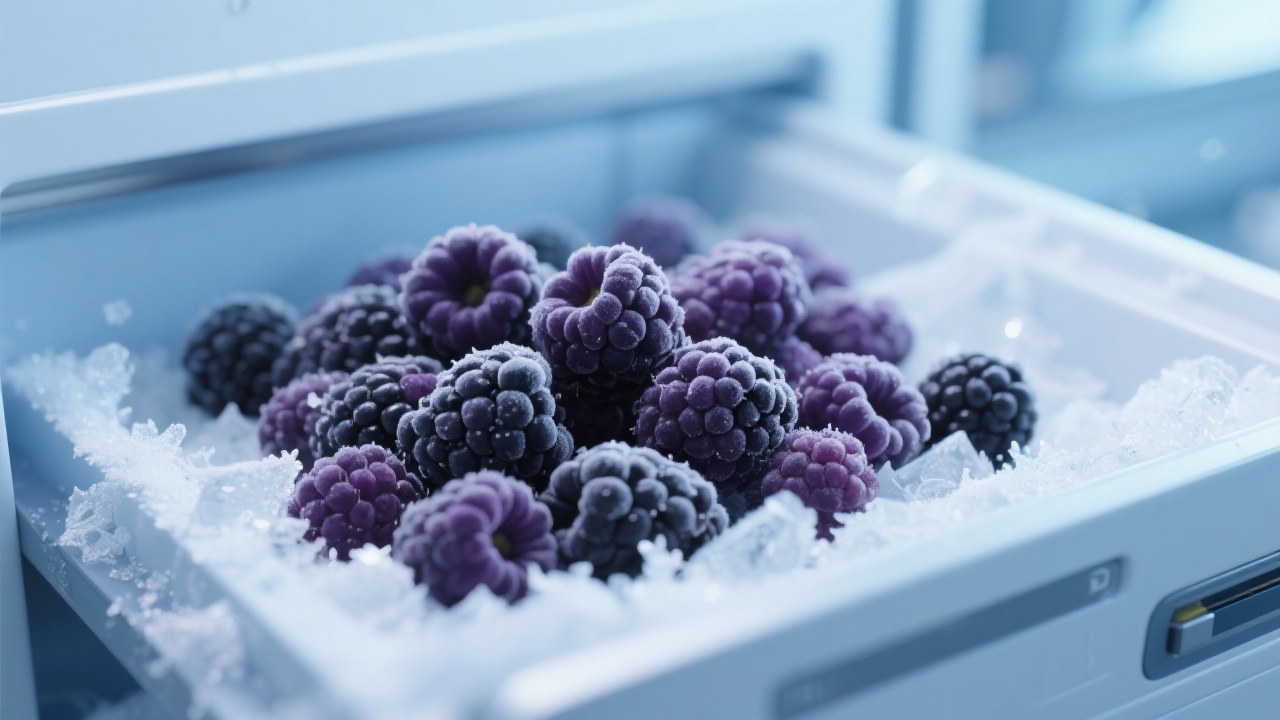
Understanding the optimal fruit integrity for different applications is crucial for maximizing原料价值. While the 95% whole fruit standard represents premium quality, certain products benefit from different fruit characteristics:
| Product Application | Optimal Whole Fruit Percentage | Key Benefits |
|---|---|---|
| Premium jam and preserves | 90-95% | Visual appeal, texture, perceived value |
| Artisanal desserts and pastries | 85-90% | Structural integrity during baking, visual presentation |
| Juice and smoothie bases | 40-60% | Enhanced flavor extraction, efficient processing |
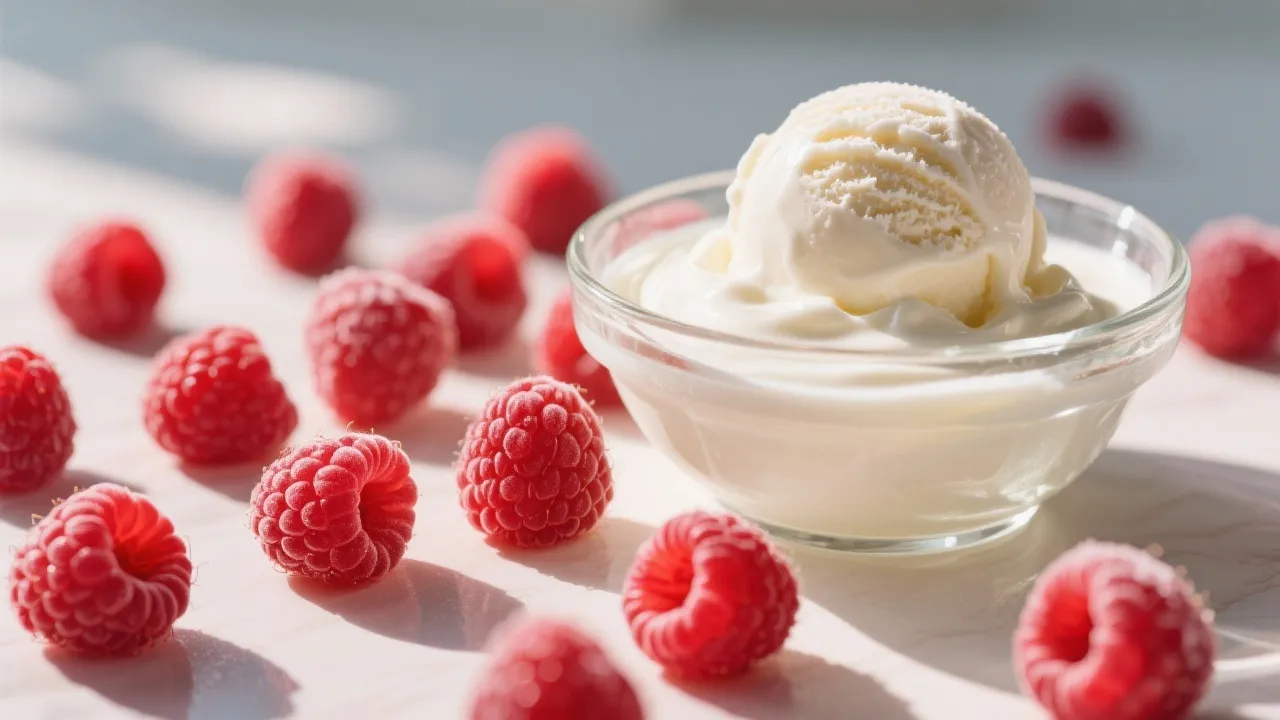
| Yogurt and ice cream inclusions | 75-85% | Texture contrast, flavor release, visual appeal |
Beyond sorting, proper handling and processing parameters significantly impact final whole fruit yield. Based on industry best practices and client case studies, we recommend the following operational guidelines:
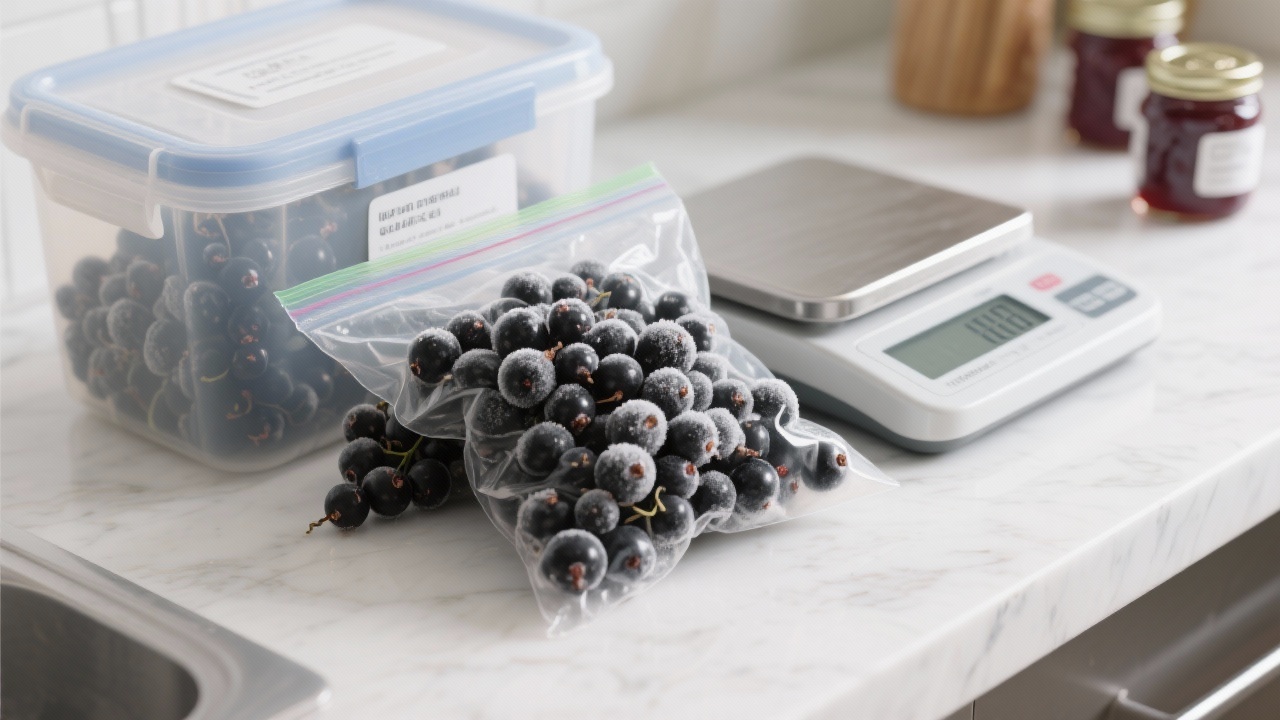
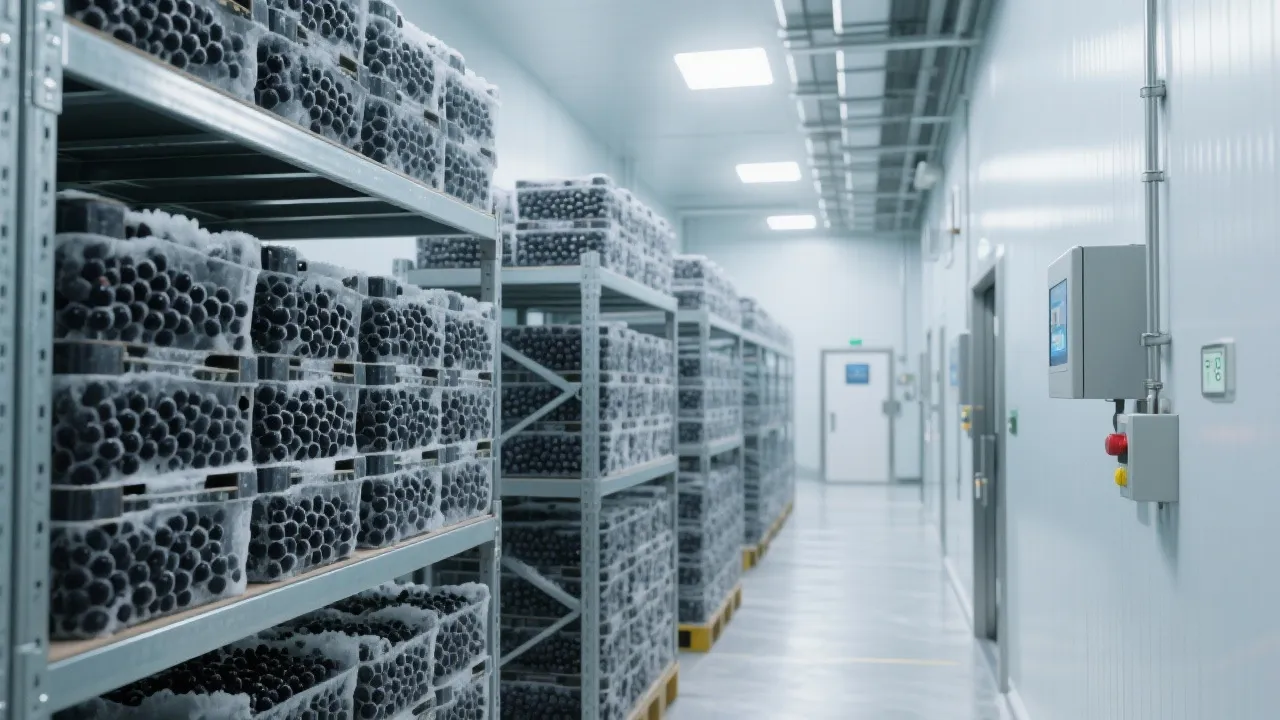
Maintaining whole fruit integrity goes hand-in-hand with food safety and quality assurance. Reputable suppliers implement comprehensive HACCP systems covering all processing stages, from raw material接收 to final distribution. This includes strict temperature monitoring throughout the cold chain, with digital tracking systems that record temperatures at 15-minute intervals during transit.
For European markets, compliance with EU Regulation (EC) No 852/2004 on food hygiene is mandatory, while North American buyers typically require FDA compliance and third-party audits. These certifications not only ensure product safety but also contribute to consistent quality by establishing standardized processes that minimize variability.
Experience the difference 95%+ whole fruit integrity can make in your formulations. Whether you're developing artisanal jams, premium desserts, or functional beverages, our expertise in frozen fruit processing ensures consistent quality and optimal yields.
Request Your Sample Batch TodayWe support small-batch trials and OEM customization to meet your specific product requirements
A: Higher whole fruit percentages reduce processing time by 15-20% in applications like jam production, as broken fruits release excess moisture requiring additional cooking time to reach desired consistency.
A: Yes, specialized sizing is available for unique applications, with minimum order quantities starting at 500kg for custom grades.
A: When properly stored at -18°C or lower, frozen blackcurrants maintain optimal quality for 18-24 months, with whole fruit integrity remaining above 90% for the first 12 months.
As consumer demand for premium fruit products continues to grow, the ability to consistently deliver high-quality frozen ingredients becomes increasingly important. By implementing advanced sorting processes and maintaining strict quality control standards throughout the supply chain, manufacturers can achieve the dual goals of product excellence and operational efficiency.

 455
|
455
|
 frozen blackberries in energy bars
maintain whole fruit shape
enhance antioxidant function
organic frozen blackberries
flash freezing technology
285
|
frozen whole red raspberries
dietary supplement ingredients
triple manual sorting
cold chain fresh-locking
raw material purity control
426
|
frozen blackcurrant
blackcurrant juice processing
flavor retention technology
freezing rate control
-18℃ cold chain
272
|
blackcurrant processing techniques
pH control in fruit juice
antioxidant application in fruit products
color stability in juices
sugar optimization in jams
228
|
frozen blackberries
smoothie making tips
blackberry milkshake recipe
natural color extraction
beverage innovation
frozen blackberries in energy bars
maintain whole fruit shape
enhance antioxidant function
organic frozen blackberries
flash freezing technology
285
|
frozen whole red raspberries
dietary supplement ingredients
triple manual sorting
cold chain fresh-locking
raw material purity control
426
|
frozen blackcurrant
blackcurrant juice processing
flavor retention technology
freezing rate control
-18℃ cold chain
272
|
blackcurrant processing techniques
pH control in fruit juice
antioxidant application in fruit products
color stability in juices
sugar optimization in jams
228
|
frozen blackberries
smoothie making tips
blackberry milkshake recipe
natural color extraction
beverage innovation


.png?x-oss-process=image/resize,h_100,m_lfit/format,webp)
.png?x-oss-process=image/resize,h_100,m_lfit/format,webp)
.png?x-oss-process=image/resize,h_100,m_lfit/format,webp)
 English