

The frozen black currant supply chain faces stringent challenges to meet the ever-evolving European Union (EU) import standards and HACCP certification requirements. Ensuring fruit integrity and maintaining optimal cold chain temperature control have emerged as pivotal factors for compliance and competitive advantage. This article offers a thorough analysis of regulatory frameworks, practical supply chain risk points, and industry-proven strategies—including real-world case studies—that enable suppliers and traders to elevate product quality, reduce losses, and accelerate market growth within Europe.
The EU has implemented comprehensive food safety regulations that directly impact frozen fruit imports, with black currants subject to specific legislation such as Regulation (EC) No 178/2002 on food safety and Regulation (EC) No 852/2004 on hygiene of foodstuffs. Coupled with mandatory HACCP (Hazard Analysis Critical Control Points) certification, these standards demand rigorous control across all supply chain stages—from harvesting to final distribution.
Latest figures from the European Food Safety Authority (EFSA) indicate that supply chains compliant with HACCP report a 30% reduction in non-compliance incidents and a 15% lower product rejection rate at EU borders. These figures underscore the critical importance of embedding HACCP principles into daily operations.
| Supply Chain Stage | Critical Compliance Requirement | Common Risk / Impact |
|---|---|---|
| Harvest & Selection | Fruit integrity inspections, pesticide residue levels | Damaged fruit lowers overall quality; regulatory rejection risk |
| Processing & Packaging | Sanitation, cold chain initiation, traceability labeling | Contamination risk; mislabeling affects compliance |
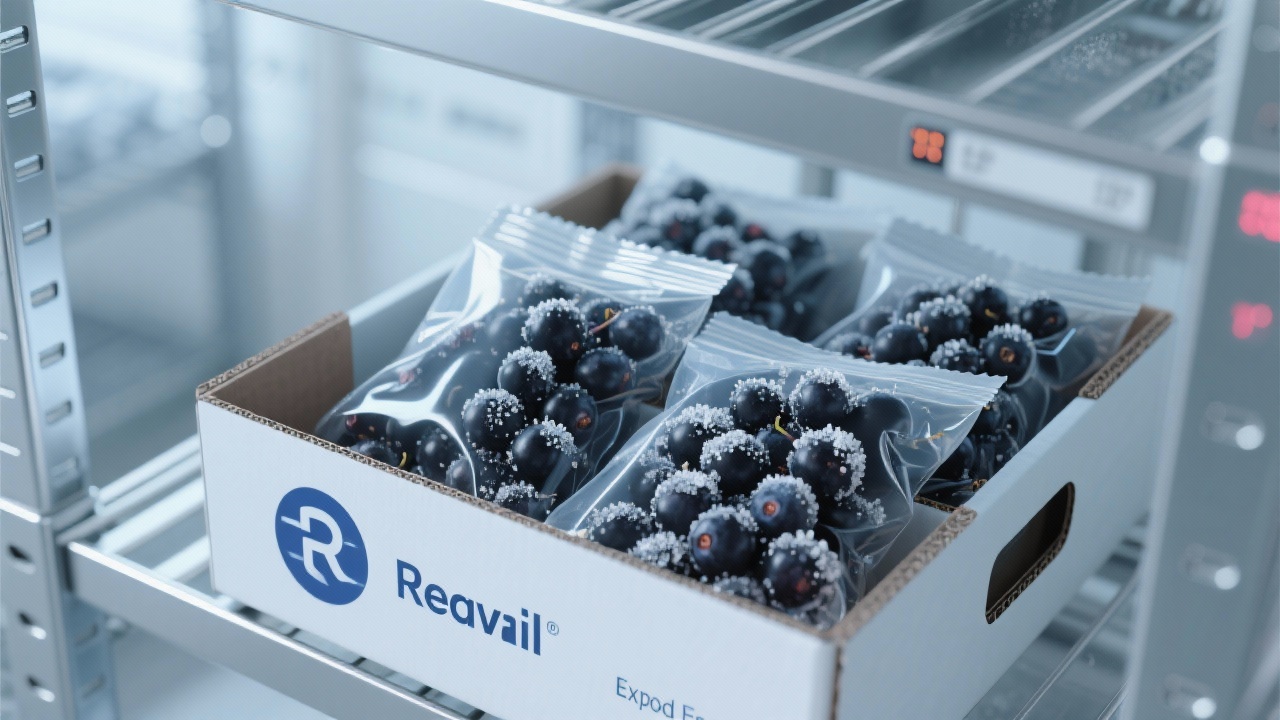
| Cold Storage & Transport | Continuous temperature monitoring (-18°C or below), humidity control | Lost fruit firmness; microbial growth risks |
| Final Inspection & Customs Clearance | Documentation auditing, product sampling | Delays and shipment refusals from non-compliance |
A leading Eastern European frozen black currant supplier implemented an integrated cold chain monitoring system using IoT sensors and blockchain-based traceability tools. The outcome after 12 months included a 25% increase in whole fruit retention due to early detection and mitigation of temperature abuse during transit and warehouse operations. Additionally, batch traceability reduced customs clearance time by 20%, supporting faster market entry in Germany and France.
Instrumental tactics included:
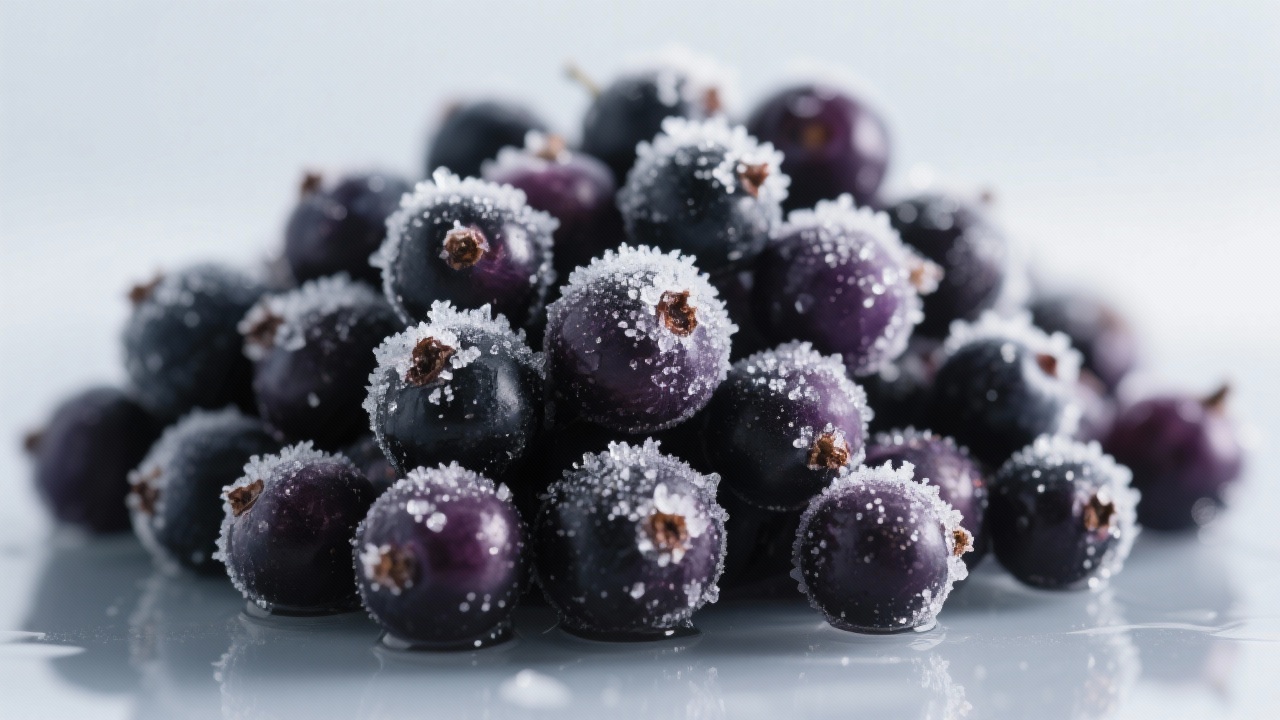
To align with EU regulations while elevating product quality metrics, suppliers and traders should consider the following actionable measures:
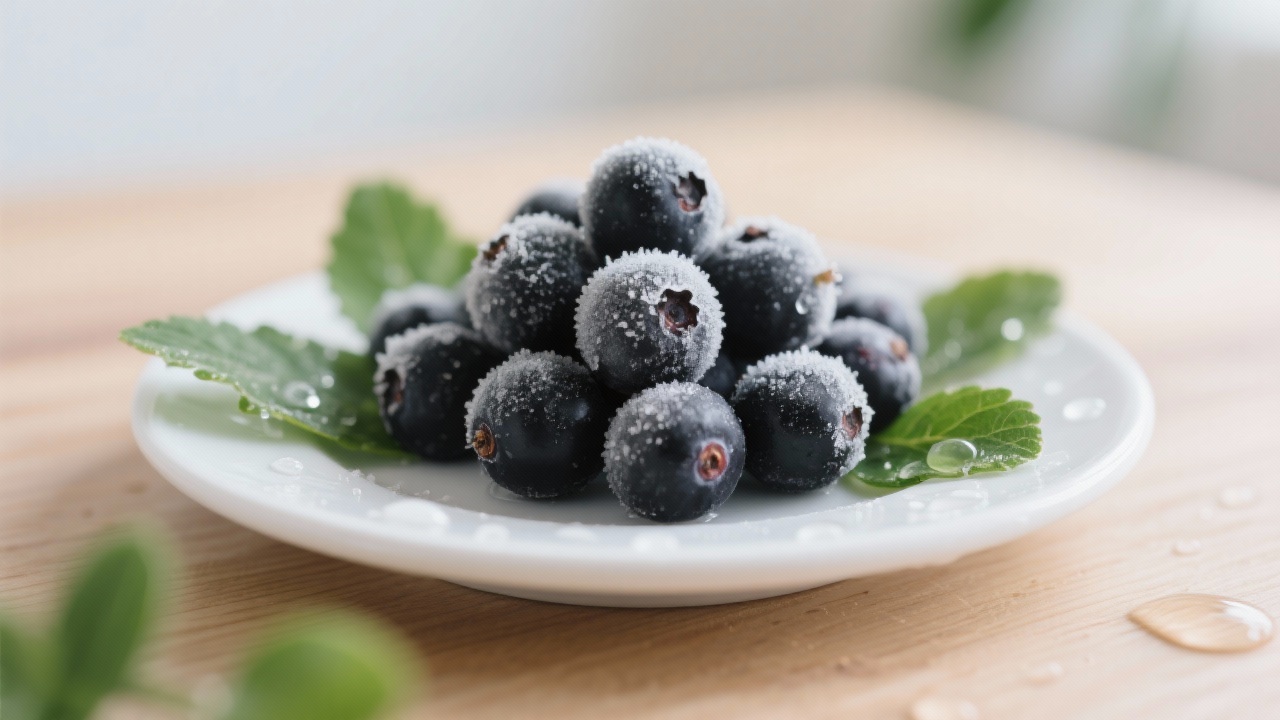
Keeping abreast with policy updates, such as the EU Green Deal’s emphasis on sustainable packaging, also positions products favorably in discerning European markets demanding eco-compliance.
Establishing a robust, HACCP-compliant frozen black currant supply chain not only safeguards food safety but also boosts brand reputation and secures new partnerships across Europe. Forward-thinking suppliers who deploy optimized cold chain technologies and maintain whole fruit integrity achieve up to 30% greater repeat orders from premium buyers.


.png?x-oss-process=image/resize,h_100,m_lfit/format,webp)
.png?x-oss-process=image/resize,h_100,m_lfit/format,webp)
.png?x-oss-process=image/resize,h_100,m_lfit/format,webp)
 English


