
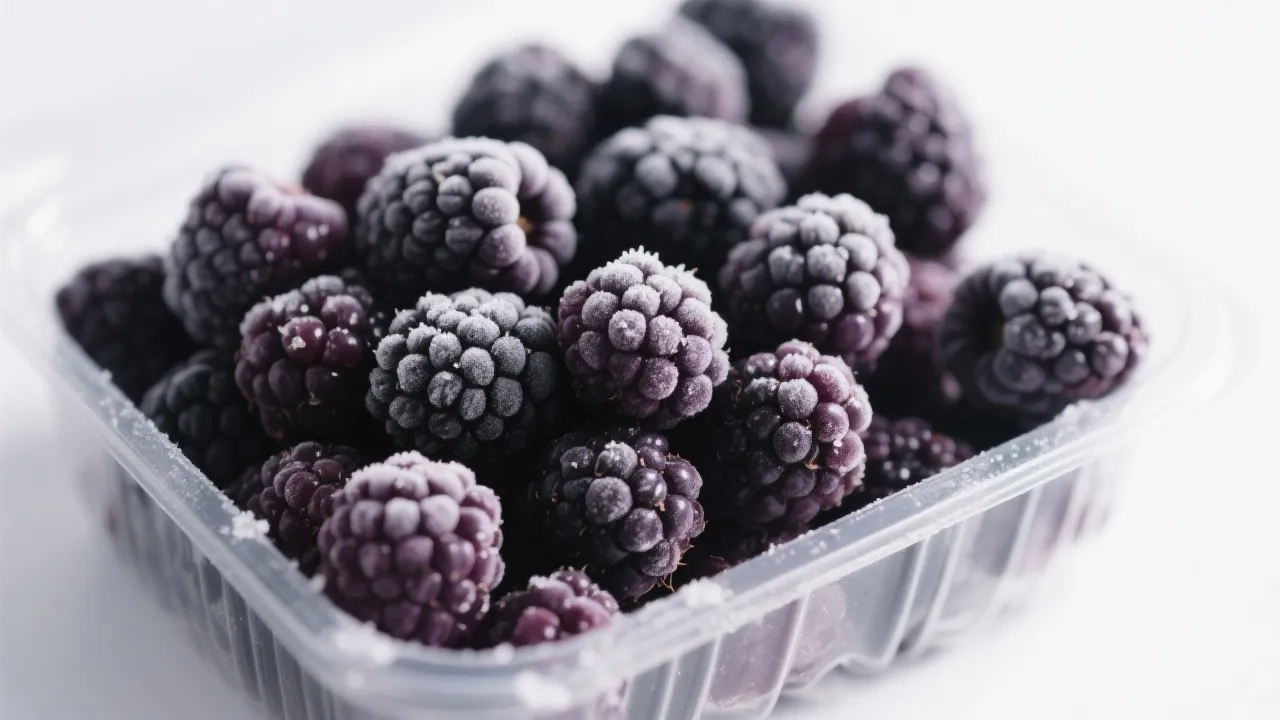
Preserving the unique flavor and nutritional integrity of blackcurrants during freezing hinges on a meticulously controlled process—from harvest to cold chain logistics. Understanding each preservation stage ensures that food processors capitalize on high-quality raw materials, ultimately enhancing product taste and stability. This detailed guide delves into the core preservation technologies applied in frozen blackcurrant production, offering actionable insights for professionals in the berry processing sector.
The foundation of superior frozen blackcurrants lies in rigorous maturity assessment at harvest. Optimal maturity is typically determined through a combination of:
Harvesting within this optimal window significantly impacts downstream product characteristics, directly influencing taste profiles, nutrient preservation, and texture post-freezing.
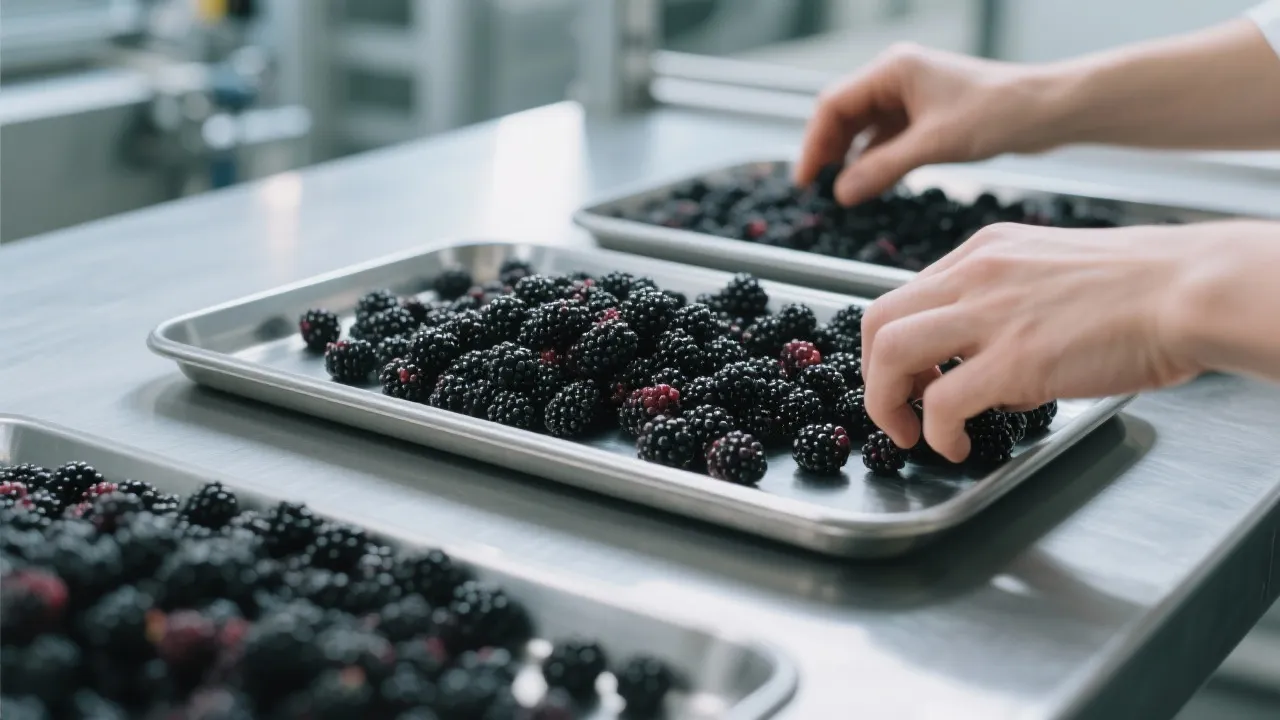
Ensuring a high whole-fruit retention rate is vital for premium frozen berry products. An industry-proven triple manual sorting protocol has been implemented to elevate whole-berry yield beyond 95%. The procedure includes:
This multi-step sorting elevates product uniformity and reduces waste, offering processors premium raw materials suitable for high-value applications.
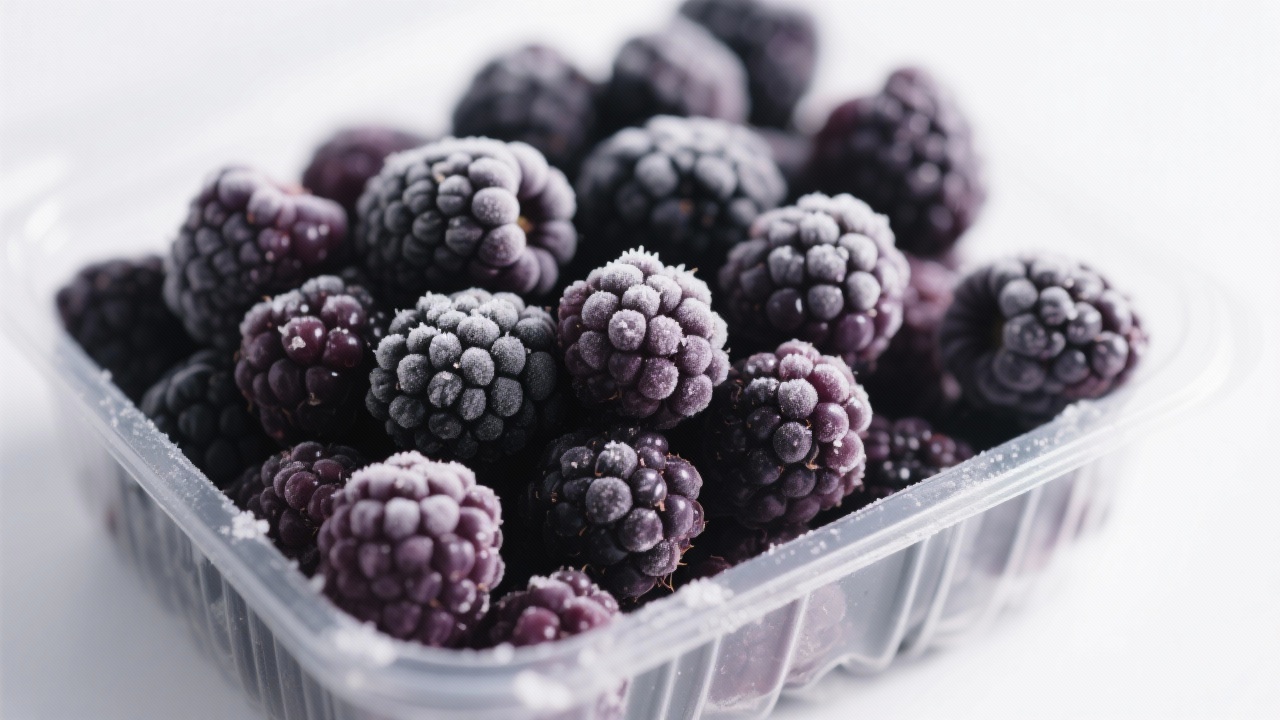
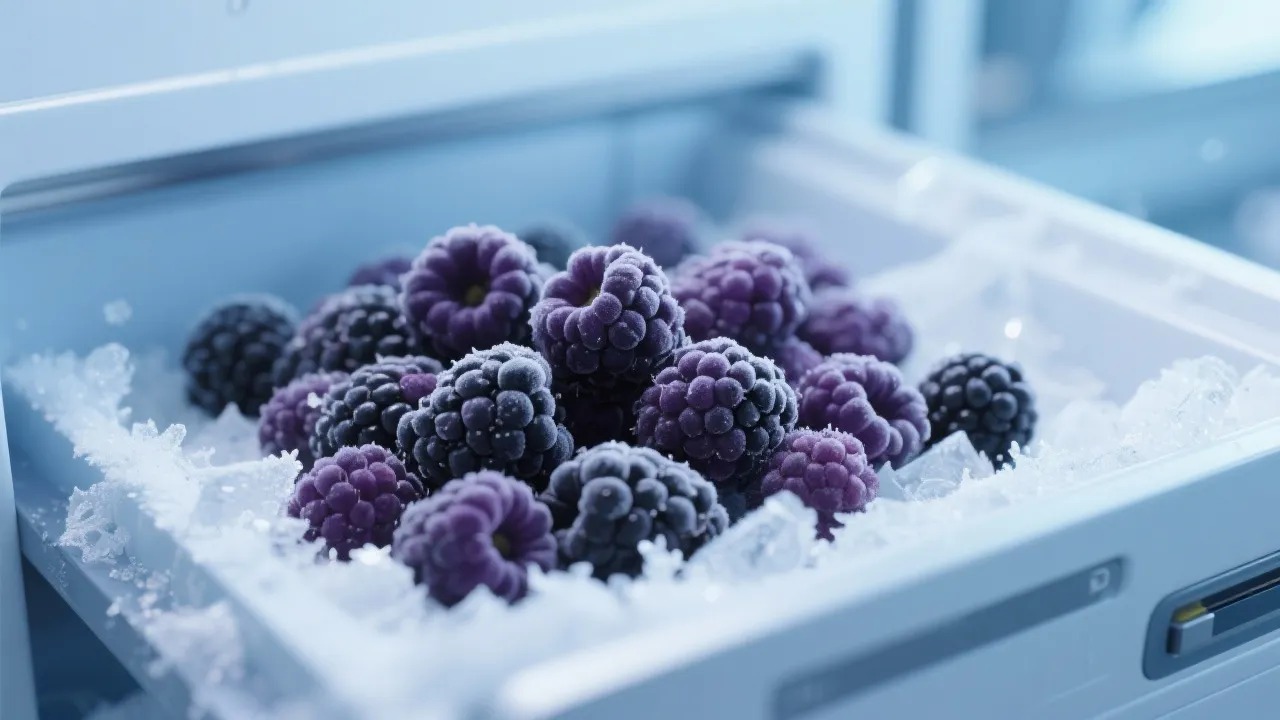
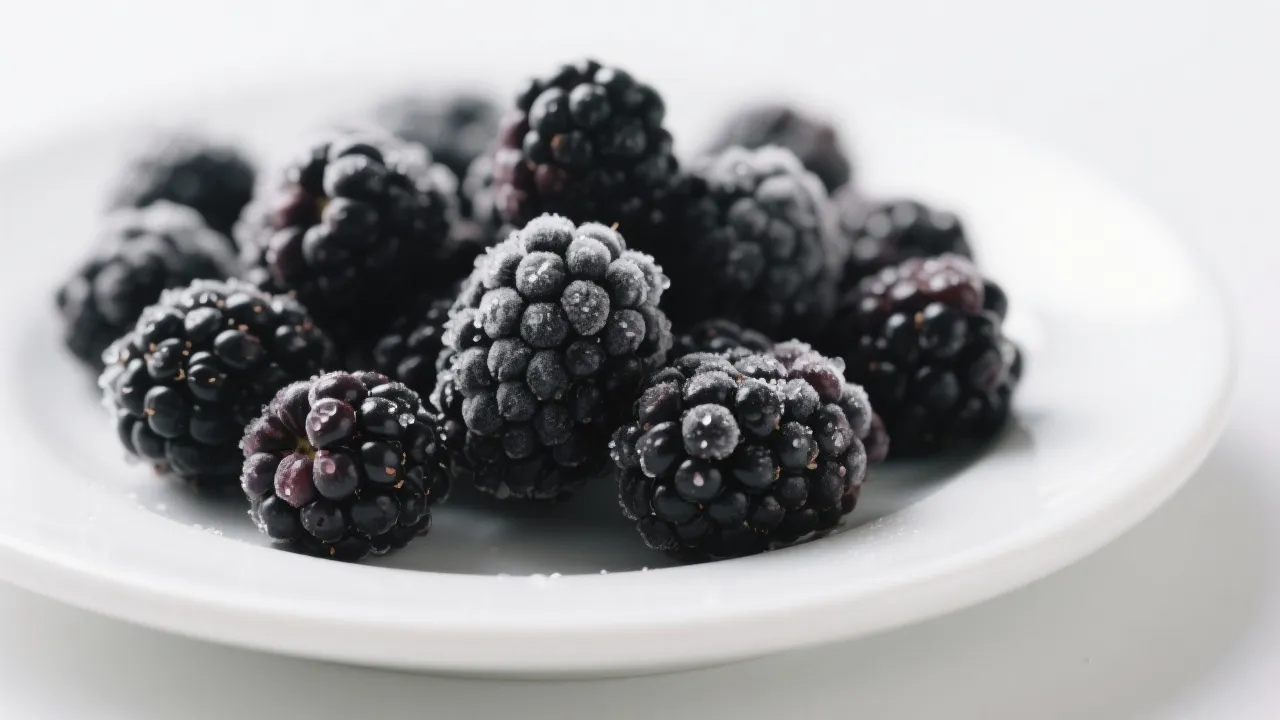
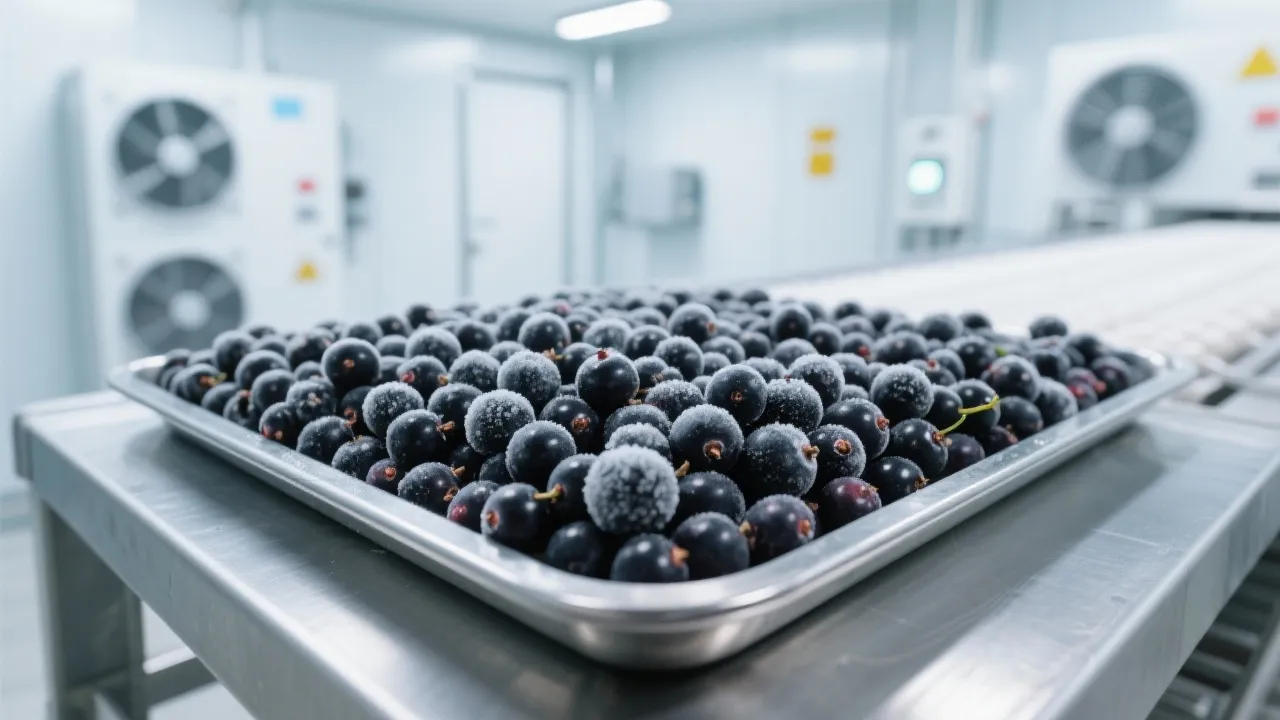
Individually Quick Frozen (IQF) technology represents a quantum leap in preserving the fragile structure of blackcurrants. Its primary advantages stem from:
Empirical studies demonstrate that berries frozen via IQF retain 15-20% more vitamin C and up to 30% better texture quality compared to traditional block freezing methods, validating this technology’s industrial dominance.
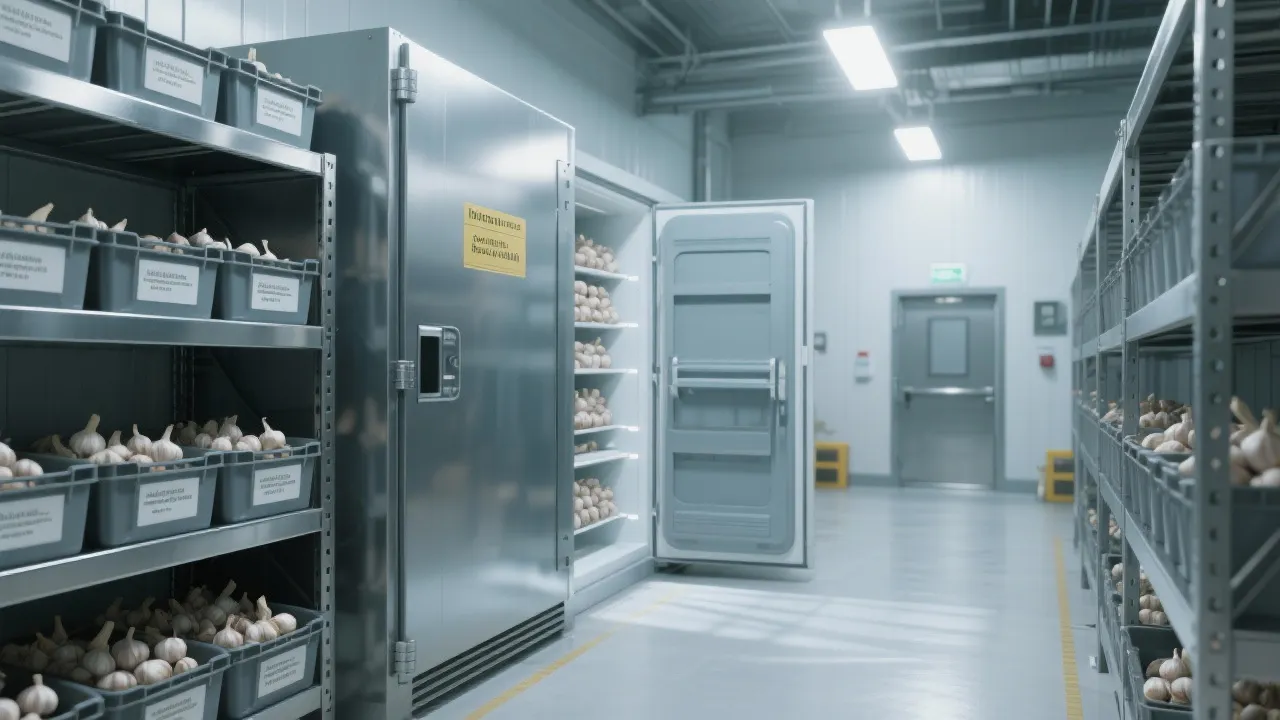
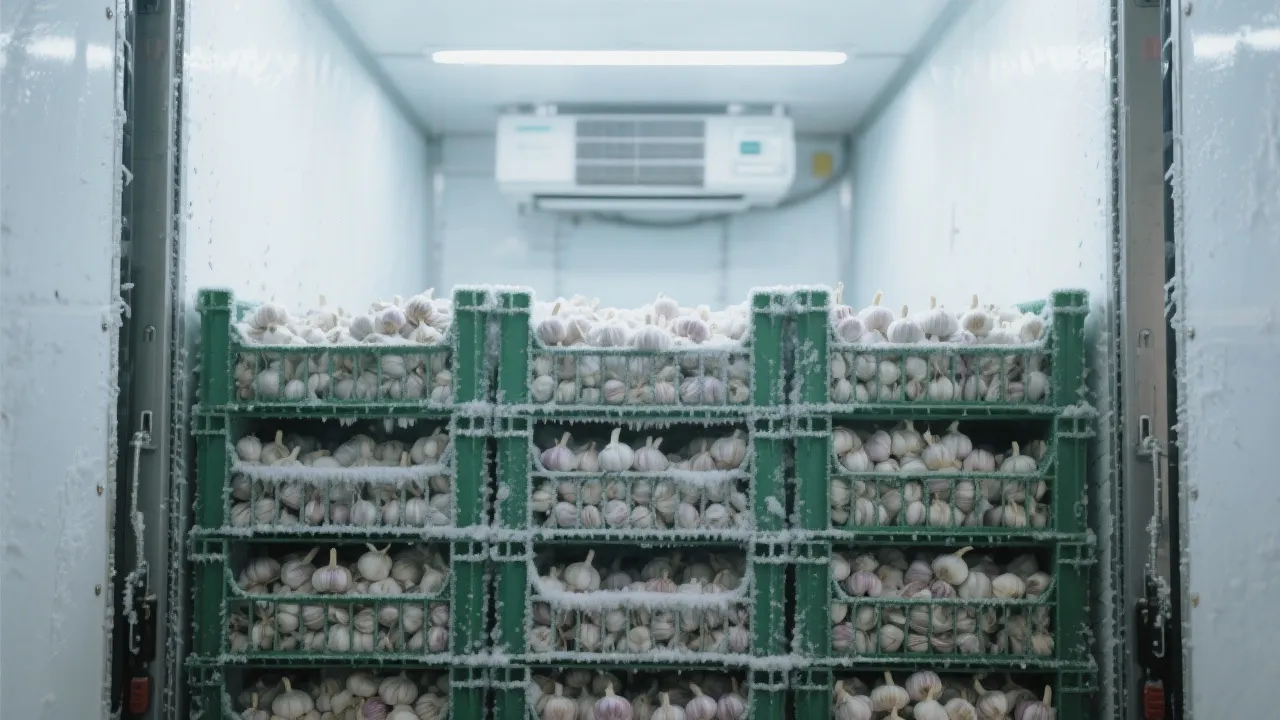
The final preservation step encompasses cold chain logistics maintaining a stable -18°C environment throughout storage and transport. This continuous low-temperature control is critical in:
Industry case data from controlled trials underline that frozen blackcurrants maintained at a steady -18°C exhibit up to 25% better retention of anthocyanins, the pigments responsible for rich color and antioxidant benefits, compared to fluctuating temperature logistics.
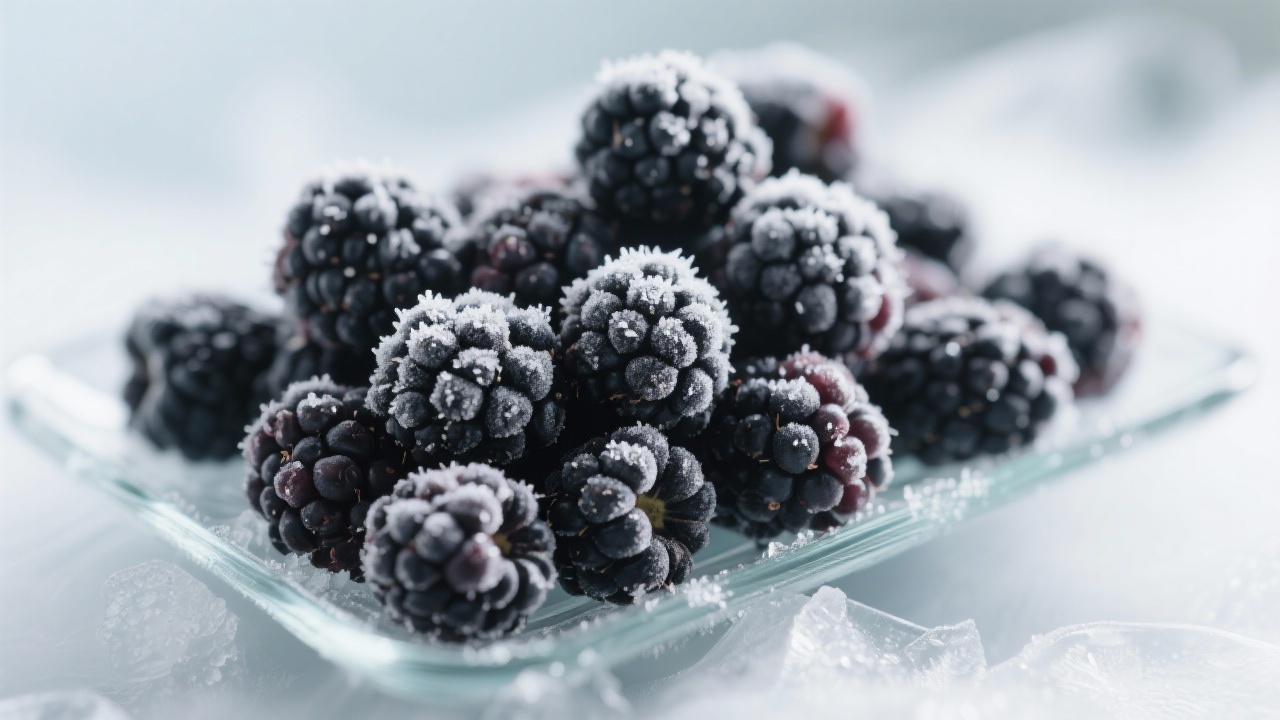
Consolidated research integrating field data reveals the cumulative benefits of the described preservation techniques. For example:
These quantified improvements confirm the indispensable role of integrated preservation protocols in elevating frozen blackcurrant product quality, directly benefiting juice producers, jam manufacturers, and frozen dessert developers.
Due to their preserved flavor, texture, and nutrient profiles, frozen blackcurrants produced with this method find versatile applications:
This preservation system consistently supports manufacturers aiming for differentiation through ingredient quality, ensuring product excellence.
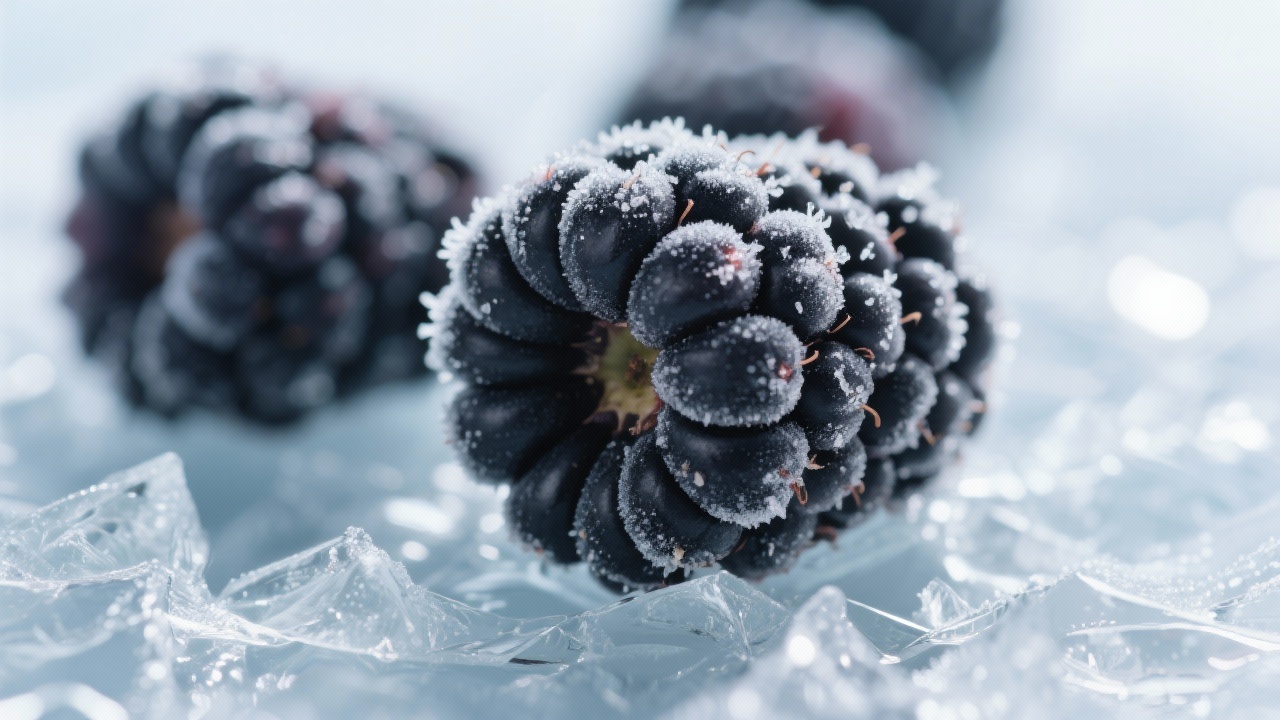
“Effective cold chain management coupled with precise IQF freezing is a game-changer for maintaining blackcurrant nutritional quality post-harvest.” – International Journal of Food Science & Technology

 239
|
239
|
 freeze dried raspberry powder supply chain
cold chain logistics for food export
B2B raspberry powder procurement
temperature-controlled shipping
supply chain stability in food exports
102
|
freeze-dried red raspberry powder
anthocyanin stability
bioavailability enhancement
functional food formulation
tablet confectionery additives
59
|
Flash frozen blackberries
Nutrient retention in frozen blackberries
Blackberry freezing technology
Food processing raw material selection
Advantages of frozen fruit technology
58
|
rapid freezing technology
frozen blackberry preservation
blackberry nutrient retention
food safety certification
frozen fruit quality
118
|
whole fruit freeze dried raspberry powder
premium dietary supplement ingredients
functional food raw materials
cold chain preservation technology
manual triple screening process
freeze dried raspberry powder supply chain
cold chain logistics for food export
B2B raspberry powder procurement
temperature-controlled shipping
supply chain stability in food exports
102
|
freeze-dried red raspberry powder
anthocyanin stability
bioavailability enhancement
functional food formulation
tablet confectionery additives
59
|
Flash frozen blackberries
Nutrient retention in frozen blackberries
Blackberry freezing technology
Food processing raw material selection
Advantages of frozen fruit technology
58
|
rapid freezing technology
frozen blackberry preservation
blackberry nutrient retention
food safety certification
frozen fruit quality
118
|
whole fruit freeze dried raspberry powder
premium dietary supplement ingredients
functional food raw materials
cold chain preservation technology
manual triple screening process


.png?x-oss-process=image/resize,h_100,m_lfit/format,webp)
.png?x-oss-process=image/resize,h_100,m_lfit/format,webp)
.png?x-oss-process=image/resize,h_100,m_lfit/format,webp)
 English


