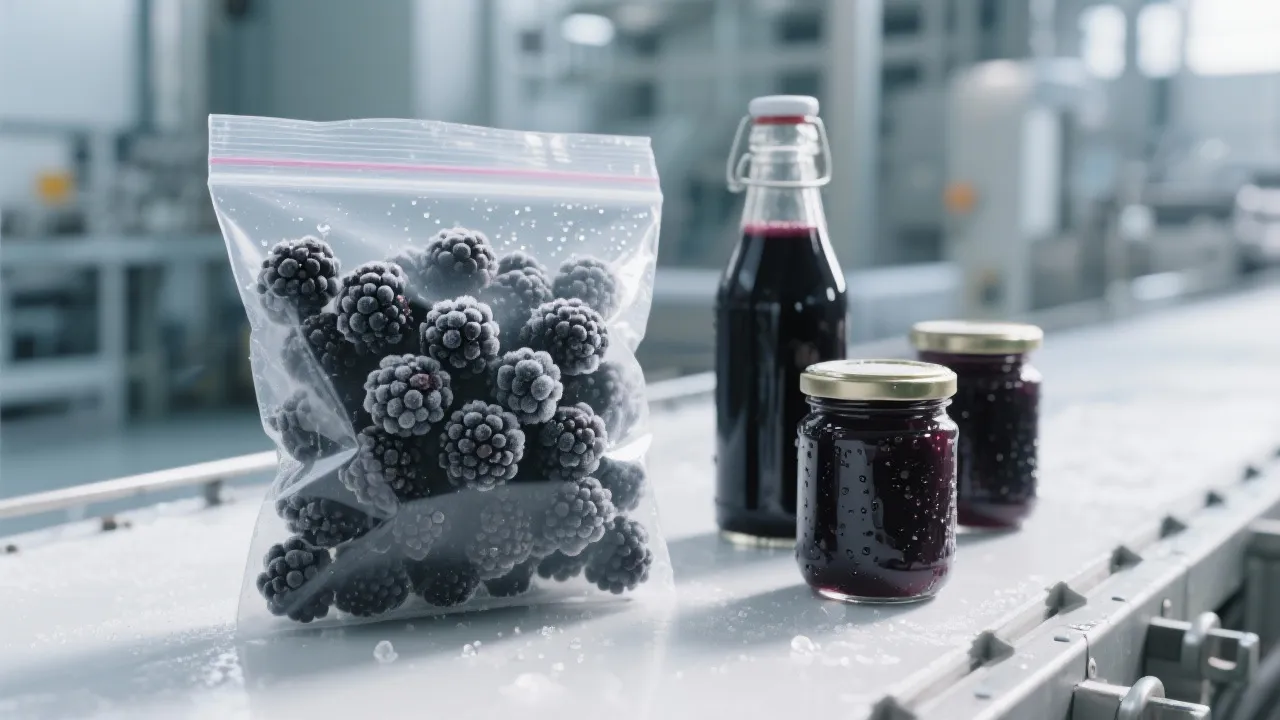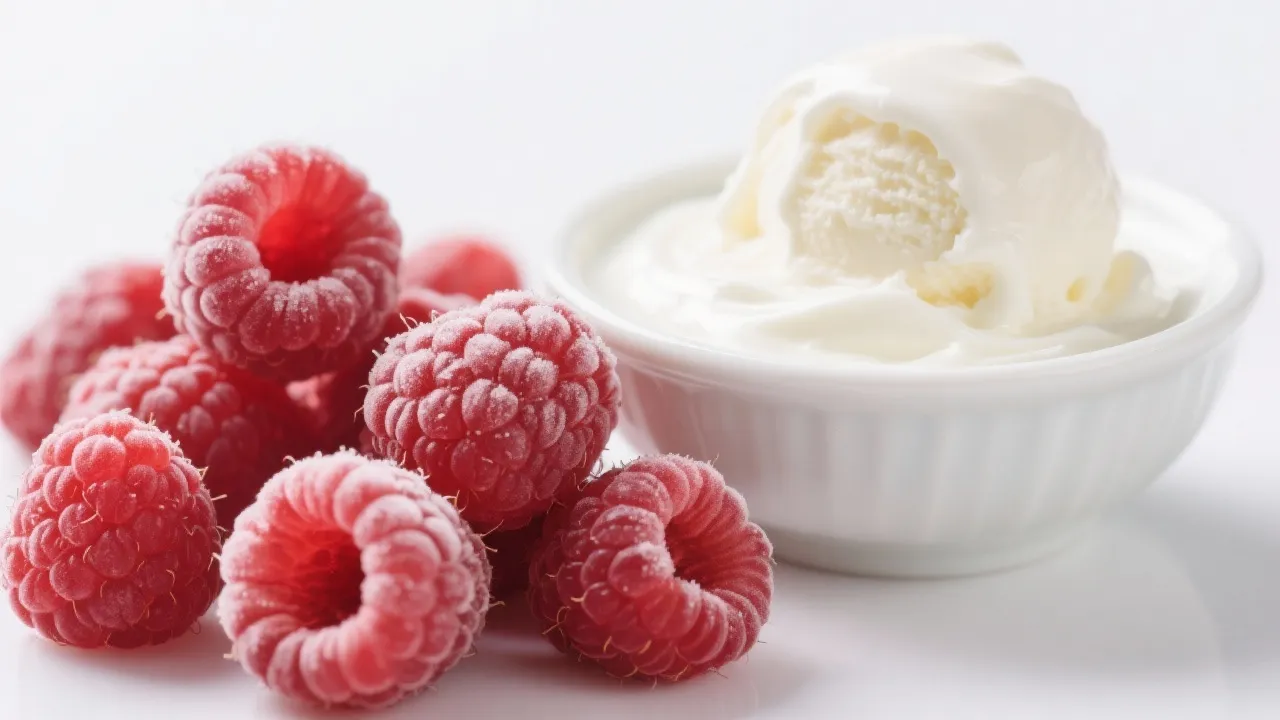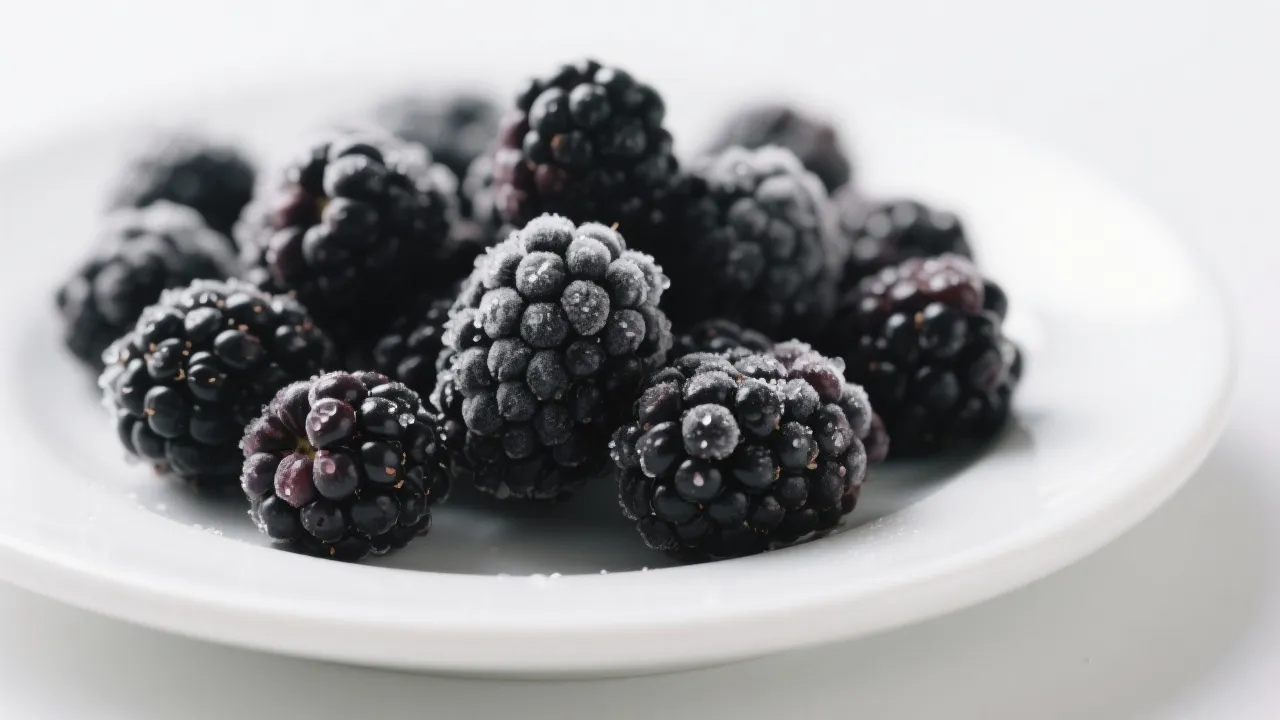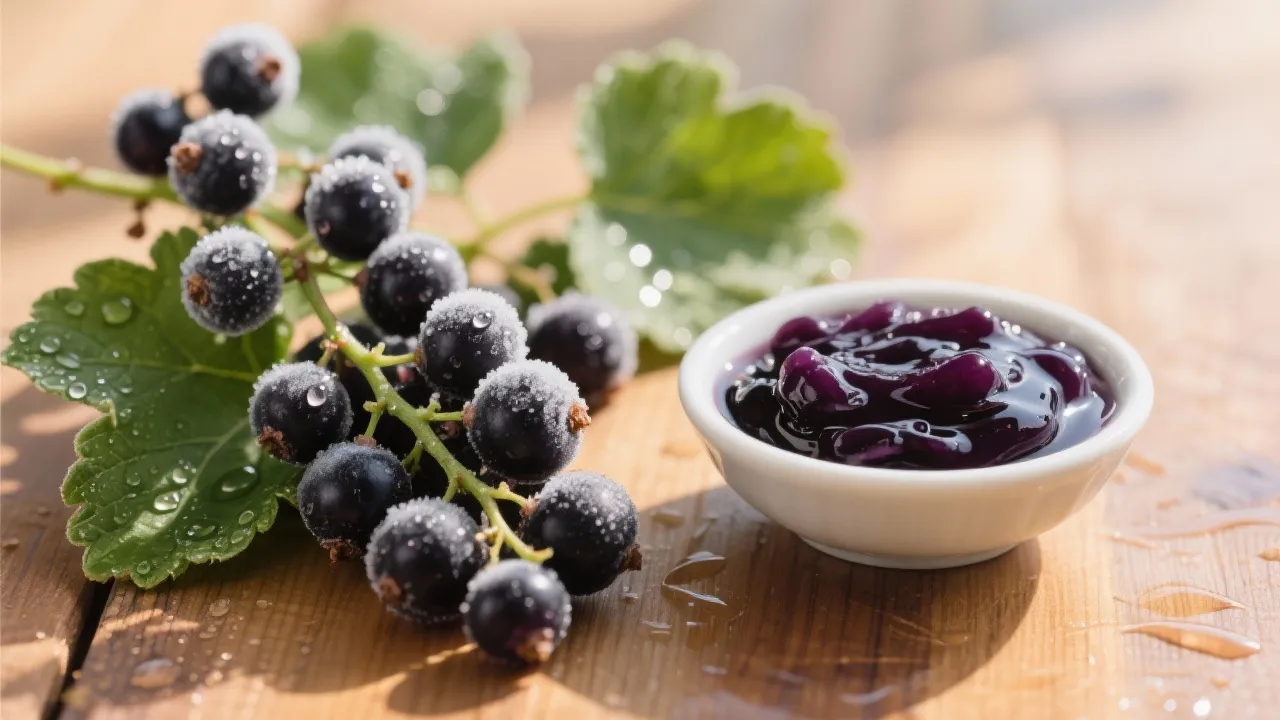
Blackcurrants are nature's nutritional powerhouses, packed with anthocyanins, vitamin C (up to 181mg per 100g), and essential antioxidants. However, preserving these valuable nutrients and the fruit's distinctive flavor during juice processing has long been a challenge for manufacturers worldwide. Recent advancements in freezing technology have revolutionized how we maintain the integrity of blackcurrant cells, directly impacting the quality of the final juice product.
When blackcurrants are frozen using conventional methods, ice crystals form within the cells, often reaching sizes between 50-100μm. These large crystals rupture cell walls, leading to significant leakage of intracellular fluids containing flavor compounds and nutrients during thawing. Research published in the Journal of Food Science indicates that improper freezing can result in up to 40% loss of anthocyanins and 30% reduction in volatile aroma compounds.
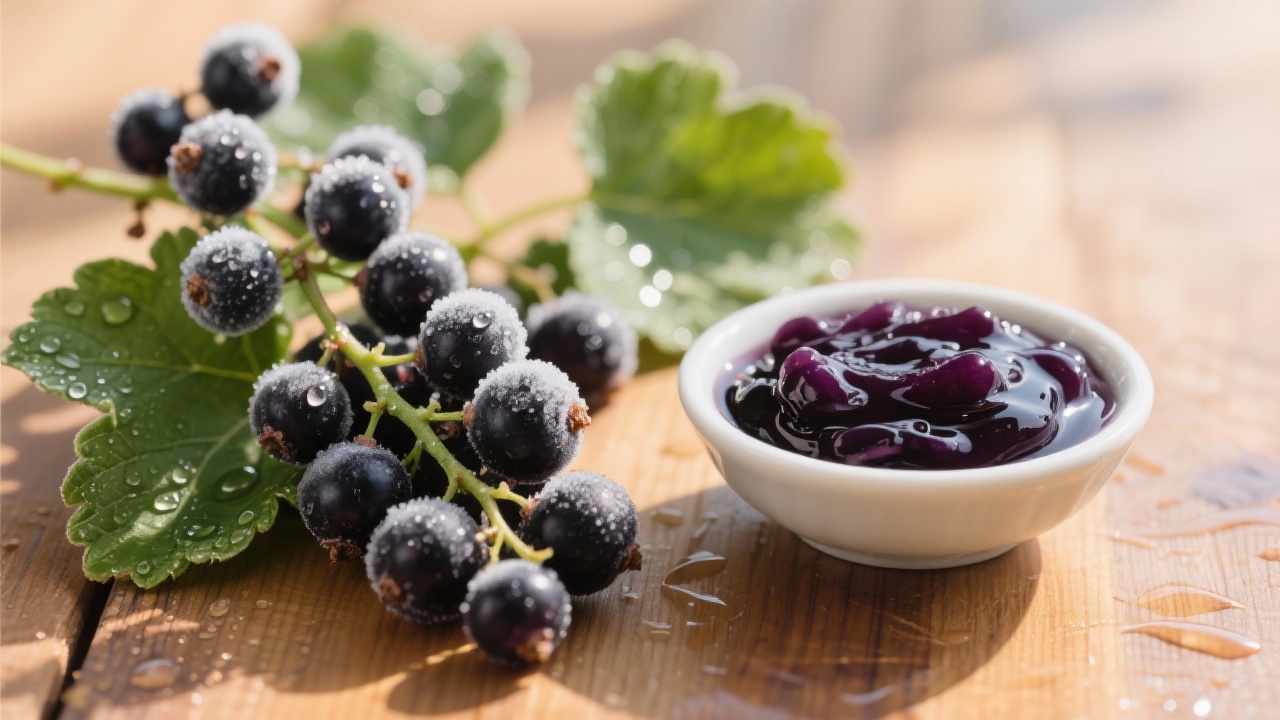
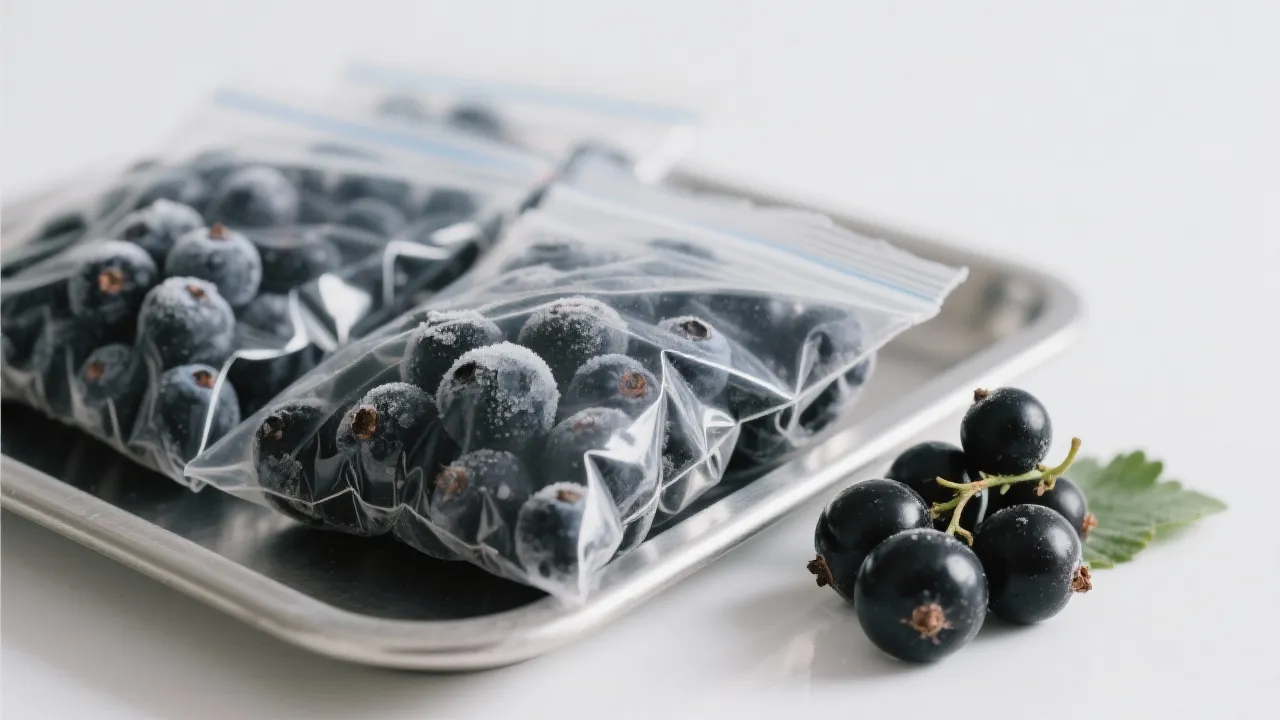
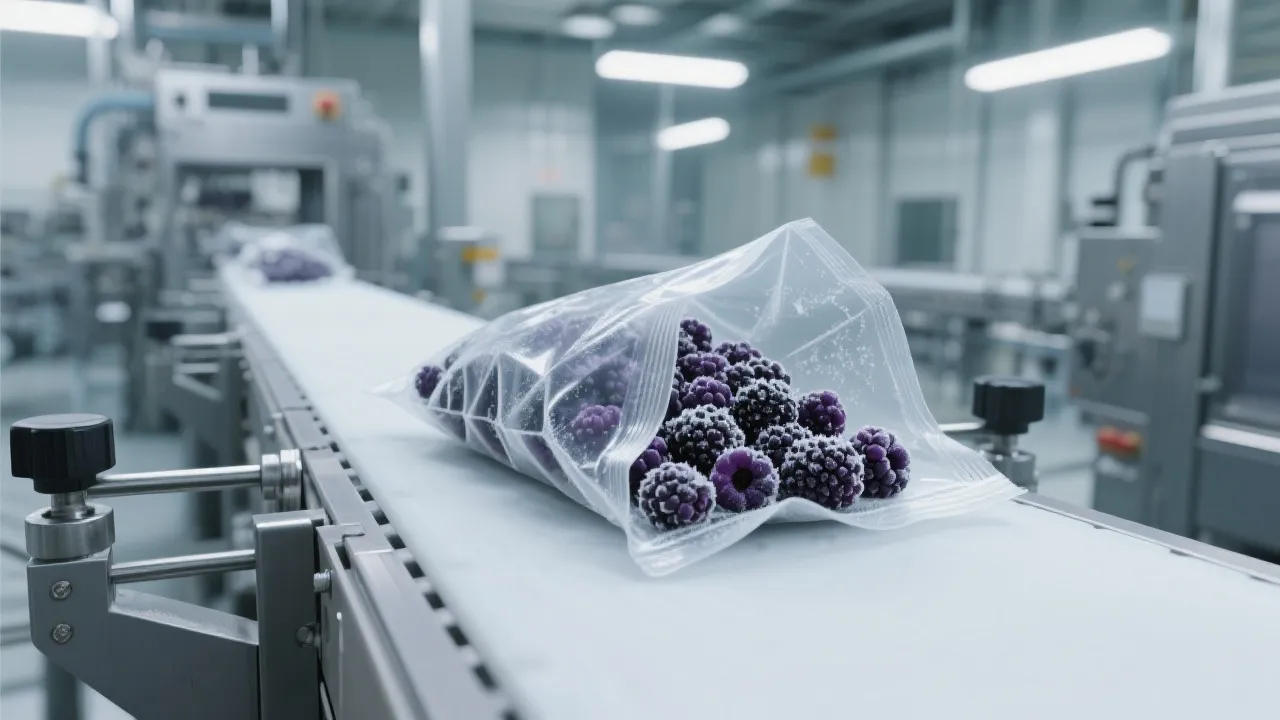
Rapid freezing technology has emerged as a game-changer for blackcurrant processors. By achieving freezing rates of -5°C per minute or faster, the formation of large ice crystals is minimized. Instead, numerous small ice crystals (typically 5-20μm) form throughout the fruit tissue, significantly reducing cellular damage.
"Controlled-rate freezing at temperatures below -30°C within 30 minutes of harvest has been shown to preserve up to 92% of blackcurrant's original anthocyanin content, compared to only 65% with conventional freezing methods." — International Journal of Food Preservation, 2022
Do you struggle with inconsistent color intensity in your blackcurrant juice products? The solution may lie in optimizing your freezing parameters rather than adjusting your processing line.
Once properly frozen, maintaining a consistent -18°C storage temperature is critical for long-term quality preservation. Fluctuating temperatures during storage can cause recrystallization, where small ice crystals merge into larger ones, damaging cell structures. Studies show that temperature fluctuations of just ±3°C can reduce shelf life by 30% and increase nutrient loss by up to 15% over a 6-month period.
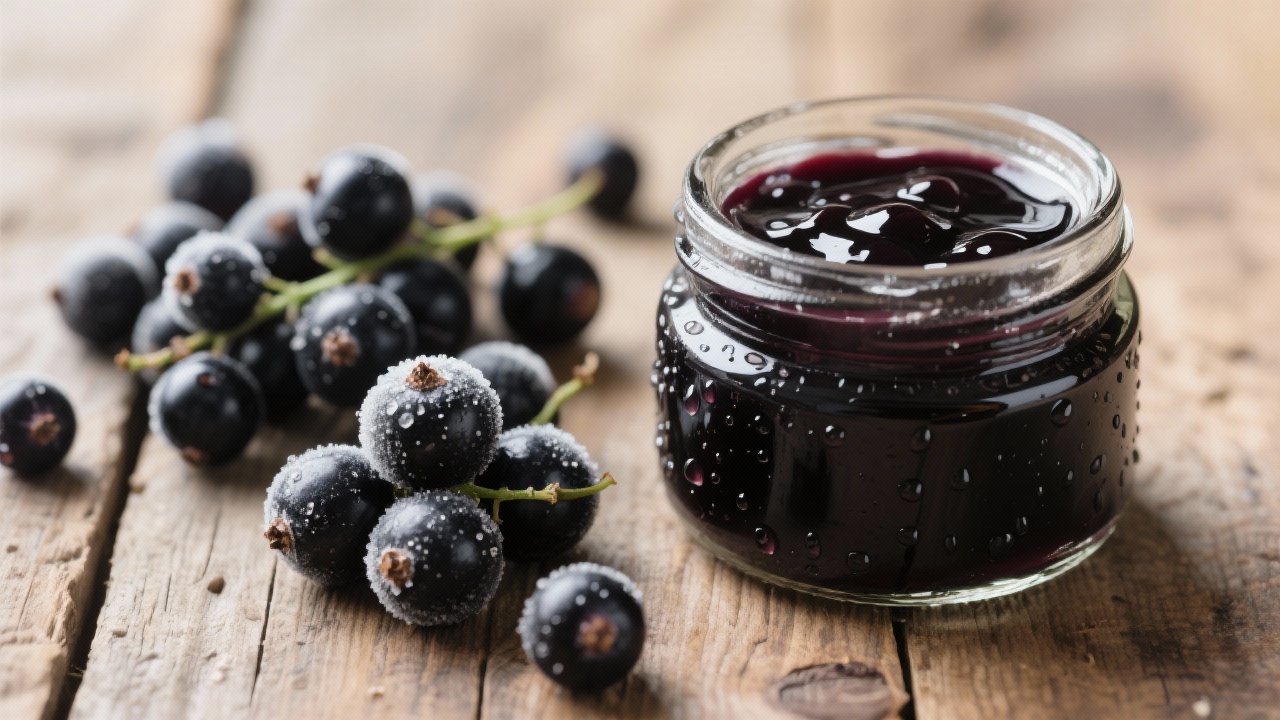
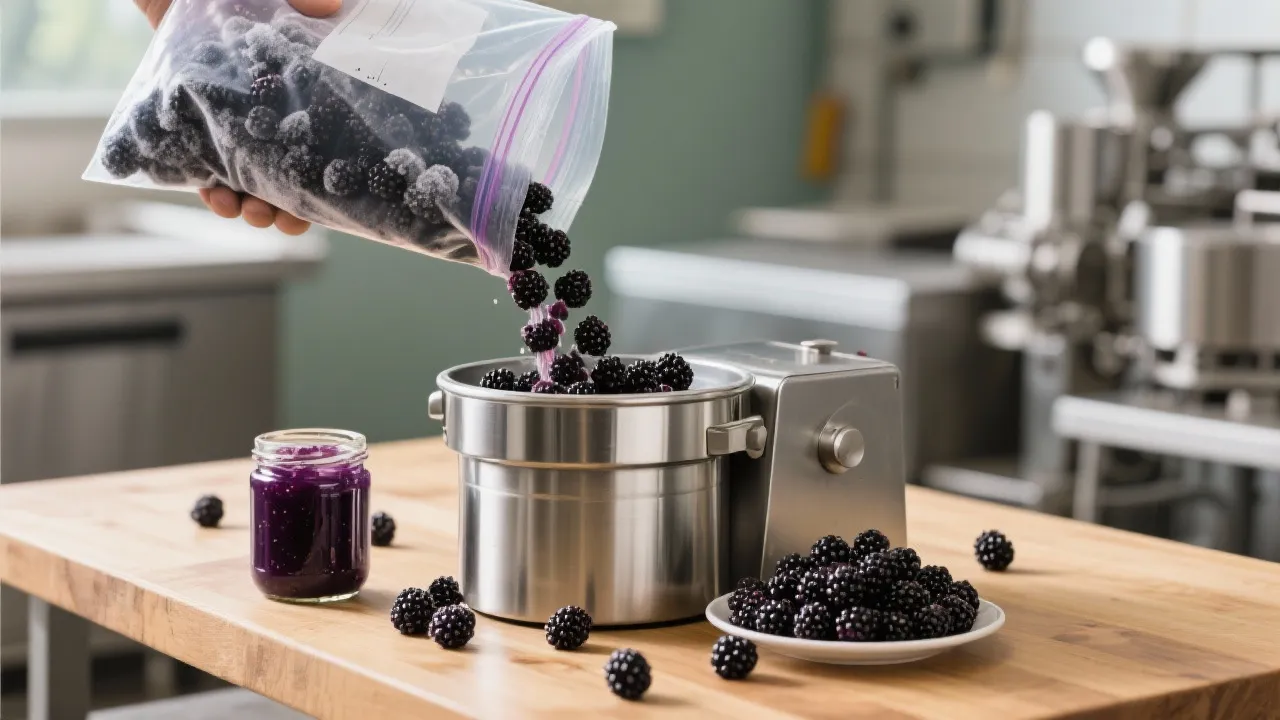
The final critical step in preserving cellular structure is the thawing process. Rapid thawing at high temperatures can cause cell membranes to rupture due to uneven heating. The optimal method involves controlled thawing at 4-6°C over 12-16 hours, which allows for gradual ice crystal melting and minimizes osmotic shock to the cells.
Processors implementing this method have reported up to 25% higher juice yield and 18% better color retention compared to those using room-temperature thawing methods. Additionally, controlled thawing results in 22% higher viscosity in the final juice product, an important sensory attribute for consumers.
Many juice manufacturers face specific issues when working with frozen blackcurrants. Here are science-backed solutions to common problems:
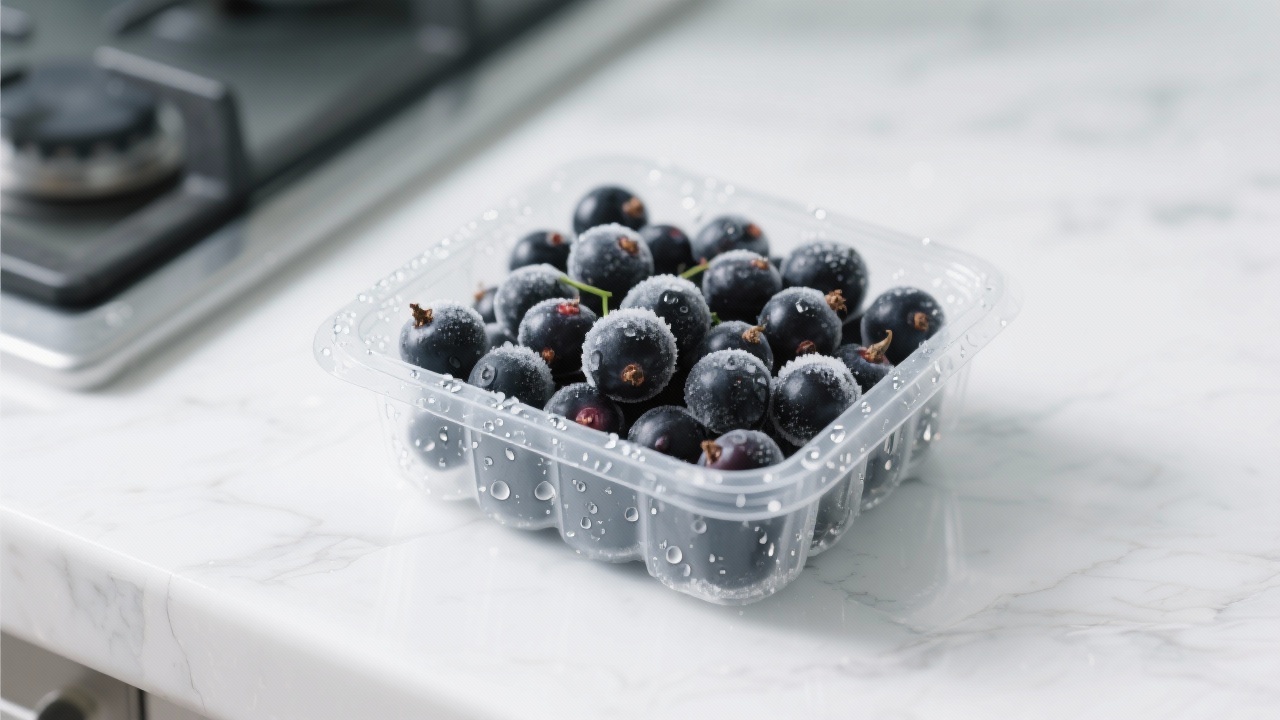
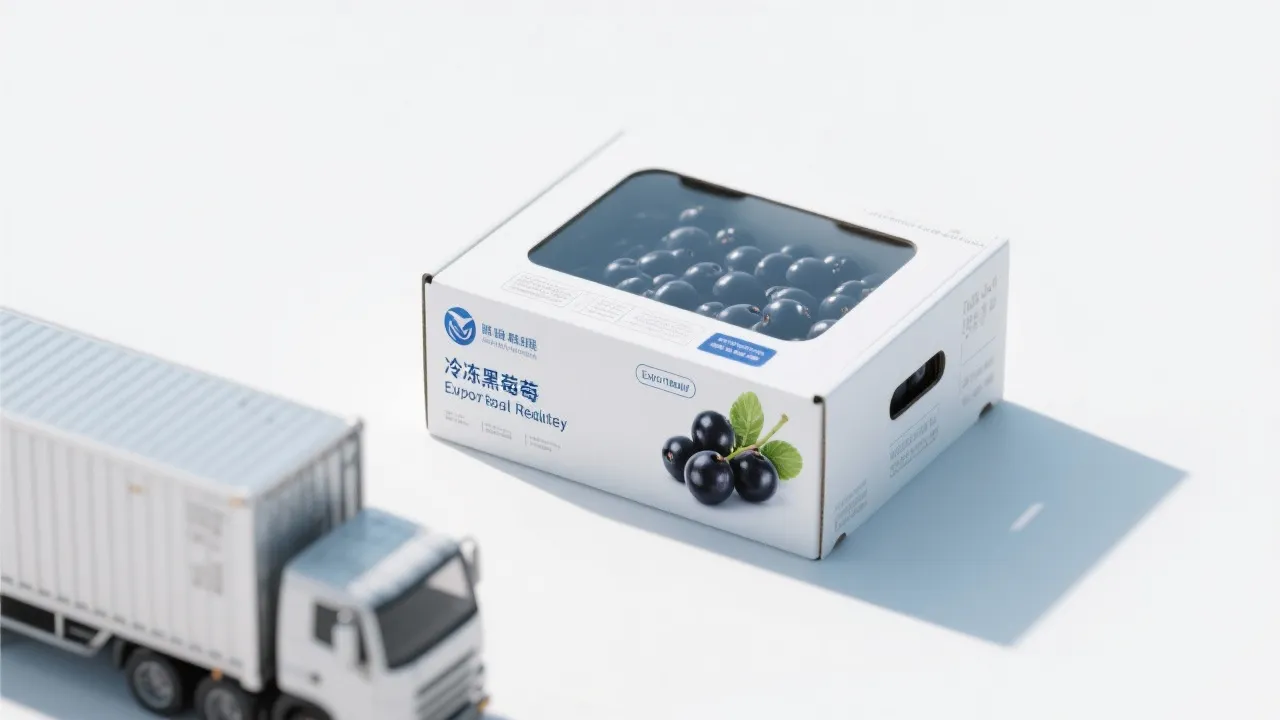
For over a decade, 亿商桥 (Yishangqiao) has been at the forefront of implementing these advanced freezing technologies for blackcurrant processing. Our commitment to scientific excellence ensures that our frozen blackcurrant products maintain the highest possible nutritional value and flavor profile, providing juice manufacturers with a superior raw material for their premium products.
Experience the difference that scientifically optimized frozen blackcurrants can make in your juice products
Discover 亿商桥's Premium Frozen BlackcurrantsBy partnering with suppliers who prioritize cellular structure protection through advanced freezing technologies, juice manufacturers can consistently produce products that meet consumer demands for both nutritional value and sensory experience. The science is clear: proper freezing and storage techniques directly translate to measurable improvements in product quality and market competitiveness.

 237
|
237
|
 frozen blackberries
smoothie enhancement techniques
cocktail garnish ideas
natural color extraction
rapid freezing preservation
285
|
blackcurrant frozen fruit thawing
blackcurrant processing optimization
frozen fruit juice application
blackcurrant dessert processing
frozen fruit supply chain
426
|
frozen blackcurrant
blackcurrant juice processing
flavor retention technology
freezing rate control
-18℃ cold chain
351
|
red raspberry ingredient sourcing
premium nutrition drink ingredients
anthocyanin retention
vitamin C stability
freeze-dried vs hot-air dried vs frozen raspberries
463
|
EU frozen blackcurrant standards
HACCP certification for frozen fruits
food safety compliance Europe
IQF technology blackcurrants
European fruit import regulations
frozen blackberries
smoothie enhancement techniques
cocktail garnish ideas
natural color extraction
rapid freezing preservation
285
|
blackcurrant frozen fruit thawing
blackcurrant processing optimization
frozen fruit juice application
blackcurrant dessert processing
frozen fruit supply chain
426
|
frozen blackcurrant
blackcurrant juice processing
flavor retention technology
freezing rate control
-18℃ cold chain
351
|
red raspberry ingredient sourcing
premium nutrition drink ingredients
anthocyanin retention
vitamin C stability
freeze-dried vs hot-air dried vs frozen raspberries
463
|
EU frozen blackcurrant standards
HACCP certification for frozen fruits
food safety compliance Europe
IQF technology blackcurrants
European fruit import regulations


.png?x-oss-process=image/resize,h_100,m_lfit/format,webp)
.png?x-oss-process=image/resize,h_100,m_lfit/format,webp)
.png?x-oss-process=image/resize,h_100,m_lfit/format,webp)
 English