
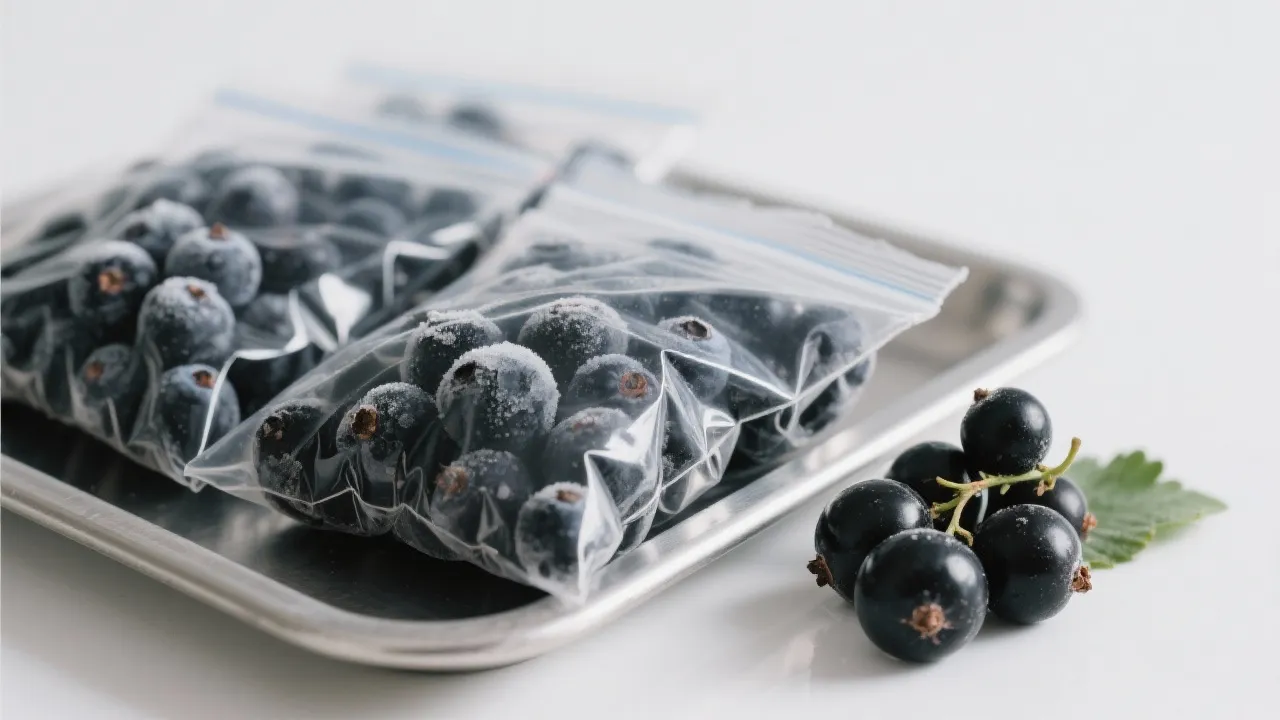
For juice manufacturers, maintaining the authentic flavor profile of blackcurrants from harvest to finished product represents a significant technical challenge. The delicate balance of volatile aromatic compounds that give blackcurrants their distinctive taste can be easily compromised during processing. Recent advancements in freezing technology, however, have provided new solutions for preserving these natural qualities. This article explores how optimized freezing parameters and storage conditions can help juice processors achieve consistent flavor profiles while extending shelf life.
"The retention of volatile aroma compounds in frozen fruits directly correlates with the integrity of cellular structures, which is primarily determined during the initial freezing process." — Journal of Food Science and Technology, 2023
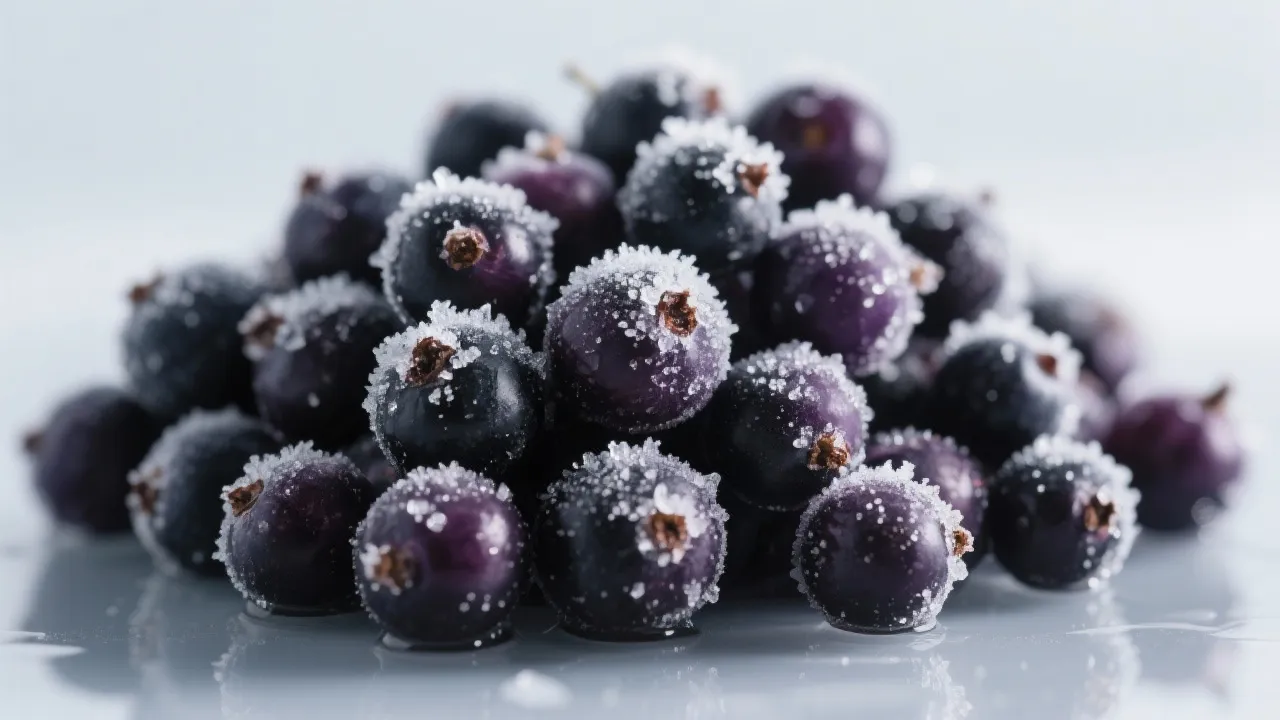
The rate at which blackcurrants are frozen significantly impacts their cellular integrity and subsequent flavor retention. Slow freezing (typically below 0.5°C per minute) allows ice crystals to form large structures that puncture cell walls, leading to juice leakage and aroma loss during thawing. In contrast, rapid freezing at rates exceeding 5°C per minute produces smaller, more uniform ice crystals that minimize cellular damage.
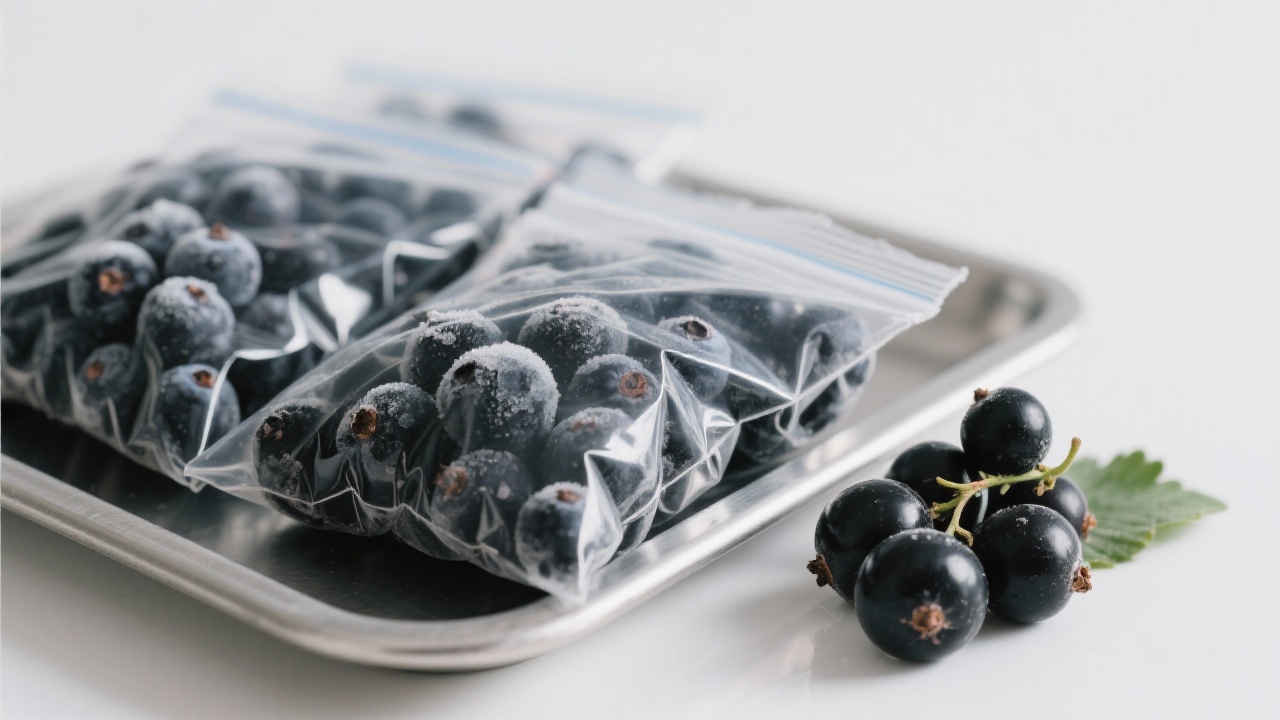
Industry data shows that optimal freezing rates (3-7°C per minute) can result in up to 95% cell integrity preservation in blackcurrants, compared to only 65-70% with conventional freezing methods. This translates directly to better aroma retention, with laboratory tests documenting 30-40% higher levels of key volatile compounds such as linalool and α-terpineol in rapidly frozen samples.
Maintaining a consistent storage temperature of -18°C is critical for long-term preservation of frozen blackcurrants. This temperature strikes the ideal balance between microbial inhibition and chemical stability. At -18°C, microbial growth is completely halted, while the rate of oxidative reactions—responsible for flavor degradation—is reduced by approximately 90% compared to storage at -10°C.
| Storage Temperature | Microbial Activity | Estimated Flavor Retention (6-month storage) | Recommended Storage Duration |
|---|---|---|---|
| -10°C | Limited growth possible | 65-70% | 2-3 months |
| -18°C | No growth | 90-92% | 12-18 months |
| -25°C | No growth | 93-95% | 18-24 months |
Temperature fluctuations during storage can be equally damaging as improper temperature settings. Even brief temperature rises above -15°C can initiate recrystallization, where smaller ice crystals merge into larger ones, causing additional cellular damage. This underscores the importance of a well-maintained cold chain throughout the supply chain.
The method used to thaw frozen blackcurrants represents the final critical step in preserving flavor compounds. Natural thawing at room temperature, while convenient, results in approximately 20-25% loss of volatile aroma compounds and up to 15% loss of total acids. Controlled thawing methods, however, can significantly reduce these losses.
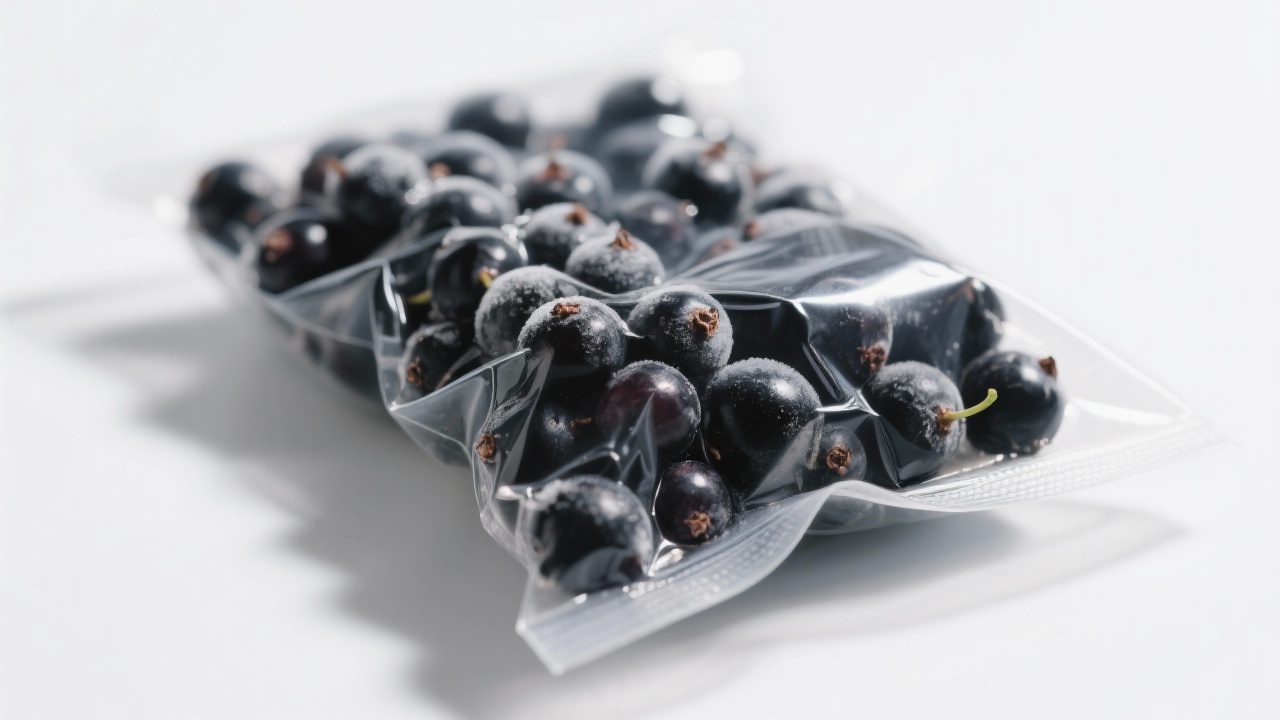
Industry best practices increasingly favor controlled-temperature thawing at 4-6°C over 12-18 hours, which minimizes drip loss to less than 5% while preserving over 90% of key flavor compounds. For high-volume operations, microwave-assisted thawing under controlled conditions has shown promise, reducing thawing time to under 2 hours while maintaining acceptable flavor retention levels.
Juice processors frequently encounter specific sensory issues when working with frozen blackcurrants. These challenges and their corresponding solutions include:
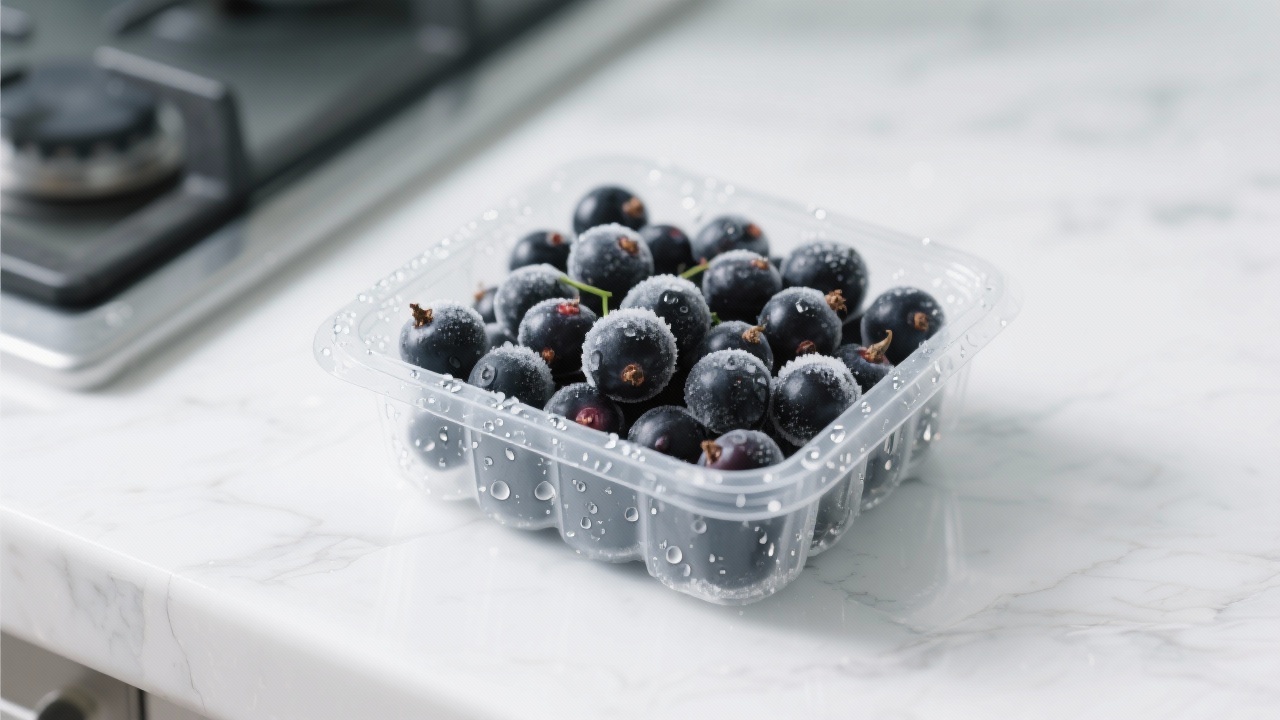
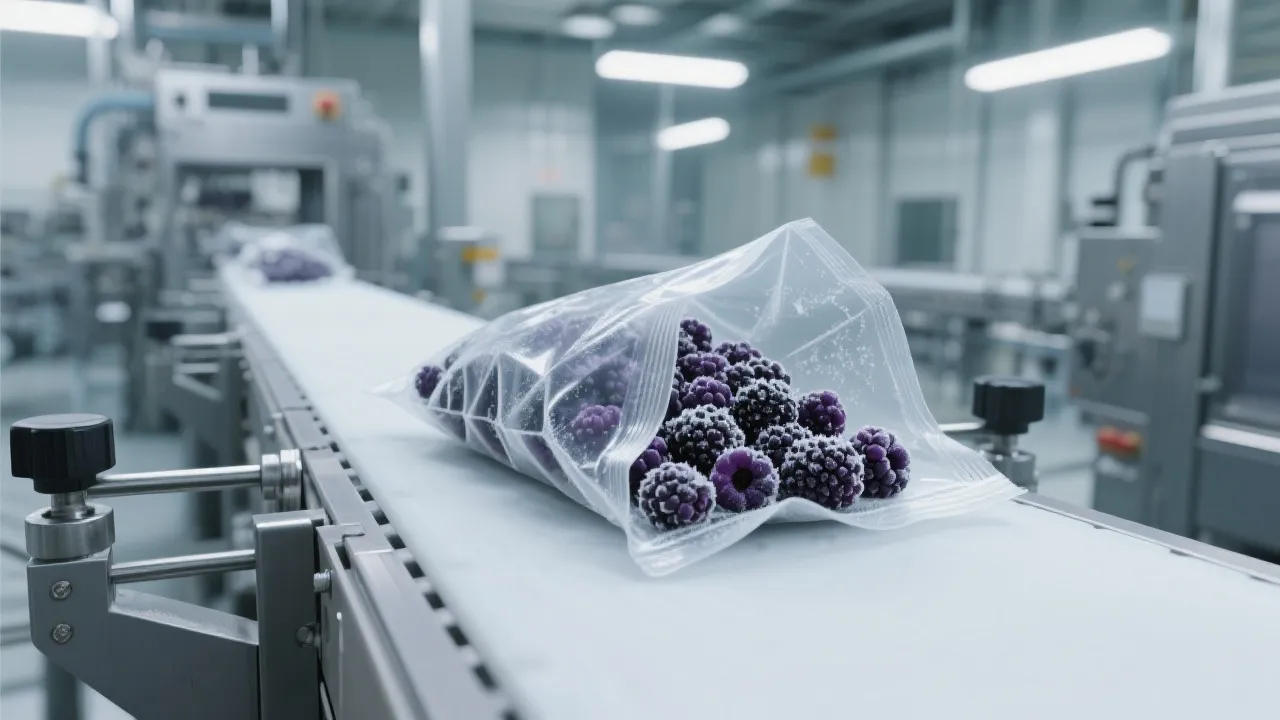
While processing parameters are critical, the foundation of flavor stability begins with the quality of the frozen blackcurrants themselves. 亿商桥 (Yishangqiao) has developed a comprehensive approach to ensure consistent flavor preservation through every stage of the supply chain. From carefully timed harvests at optimal ripeness to state-of-the-art IQF (Individual Quick Freezing) technology that achieves freezing rates of 6°C per minute, each step is designed to lock in the natural aroma and flavor compounds that make blackcurrant juice so distinctive.
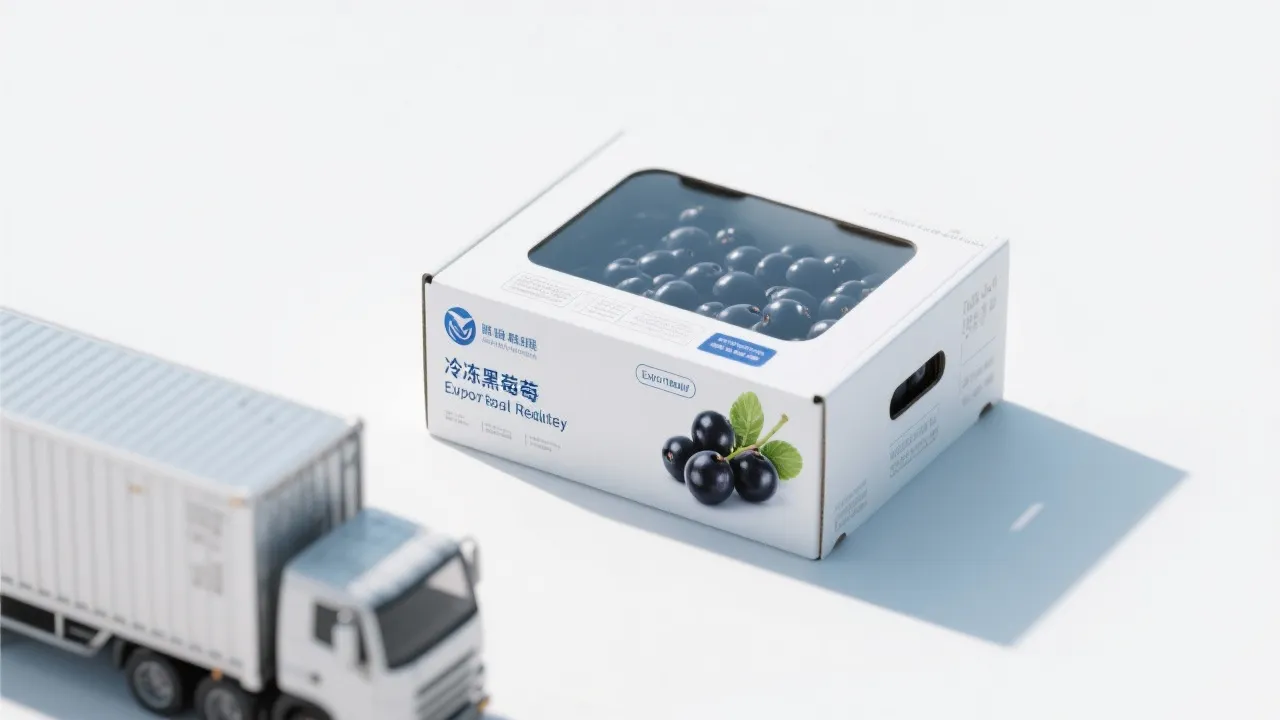
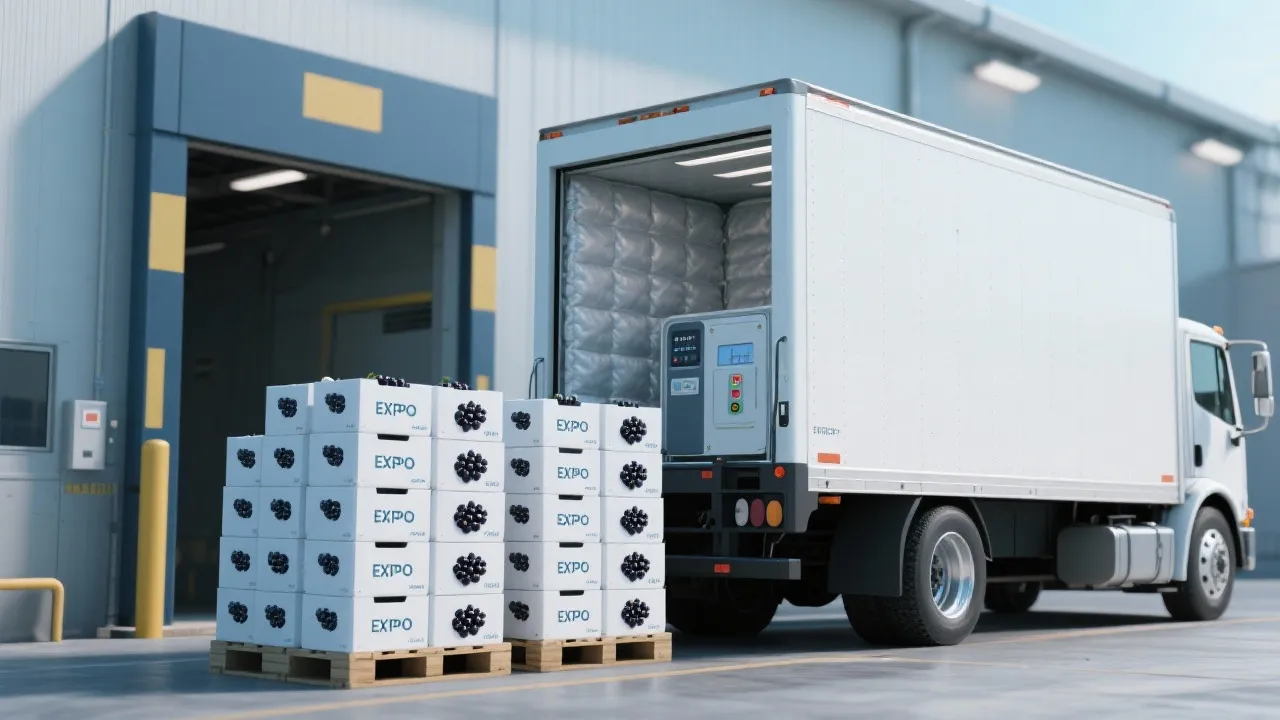
The implementation of blockchain technology for cold chain monitoring provides processors with complete visibility into storage conditions from harvest to delivery, ensuring that the -18°C temperature is maintained throughout the journey. This level of control results in a product with predictable flavor characteristics and a shelf life of up to 18 months without significant quality degradation.
The difference in flavor between properly processed and sub-optimally frozen blackcurrants is unmistakable to consumers. By partnering with a supplier that prioritizes flavor stability through advanced freezing technology and strict quality control, juice manufacturers can create products that stand out in a competitive market.
Discover How 亿商桥 Frozen Blackcurrants Preserve Natural FlavorAs consumer demand for natural, authentic flavors continues to grow, the ability to consistently deliver products with the fresh-picked taste of blackcurrants becomes a key competitive advantage. By implementing the scientific principles of optimal freezing, storage, and thawing, processors can ensure that their blackcurrant juice products maintain the distinctive flavor profile that consumers crave, batch after batch.

 237
|
237
|
 frozen blackberries
smoothie enhancement techniques
cocktail garnish ideas
natural color extraction
rapid freezing preservation
285
|
blackcurrant frozen fruit thawing
blackcurrant processing optimization
frozen fruit juice application
blackcurrant dessert processing
frozen fruit supply chain
426
|
frozen blackcurrant
blackcurrant juice processing
flavor retention technology
freezing rate control
-18℃ cold chain
341
|
export frozen red raspberry
ISO 22000 certification
HACCP implementation
SGS testing
international food safety standards
485
|
small-batch frozen blackcurrants
European import standards
HACCP certified frozen fruits
cold chain logistics for frozen fruits
OEM packaging for frozen fruits
frozen blackberries
smoothie enhancement techniques
cocktail garnish ideas
natural color extraction
rapid freezing preservation
285
|
blackcurrant frozen fruit thawing
blackcurrant processing optimization
frozen fruit juice application
blackcurrant dessert processing
frozen fruit supply chain
426
|
frozen blackcurrant
blackcurrant juice processing
flavor retention technology
freezing rate control
-18℃ cold chain
341
|
export frozen red raspberry
ISO 22000 certification
HACCP implementation
SGS testing
international food safety standards
485
|
small-batch frozen blackcurrants
European import standards
HACCP certified frozen fruits
cold chain logistics for frozen fruits
OEM packaging for frozen fruits



.png?x-oss-process=image/resize,h_100,m_lfit/format,webp)
.png?x-oss-process=image/resize,h_100,m_lfit/format,webp)
.png?x-oss-process=image/resize,h_100,m_lfit/format,webp)
 English


