
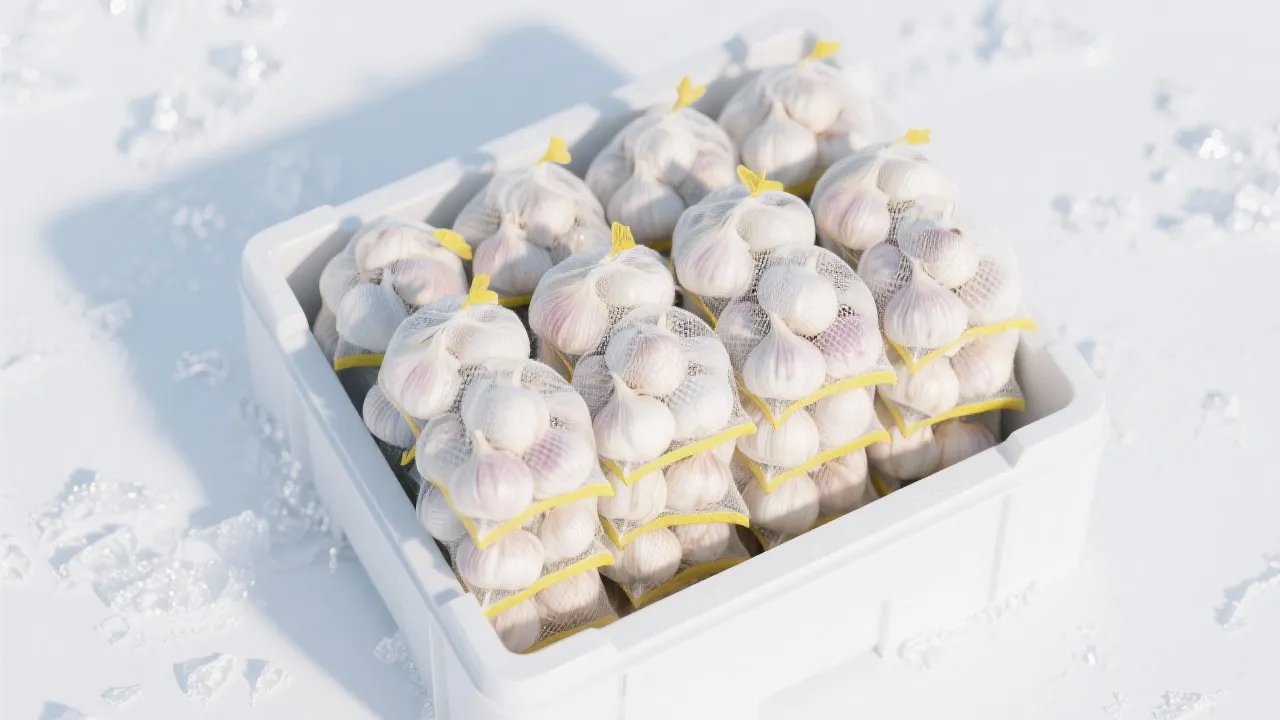
Did you know? The European frozen fruit market is projected to reach €8.7 billion by 2027, growing at a CAGR of 4.2%. However, 12% of food import rejections in the EU are due to non-compliant labeling, according to the European Commission's 2023 border control statistics.
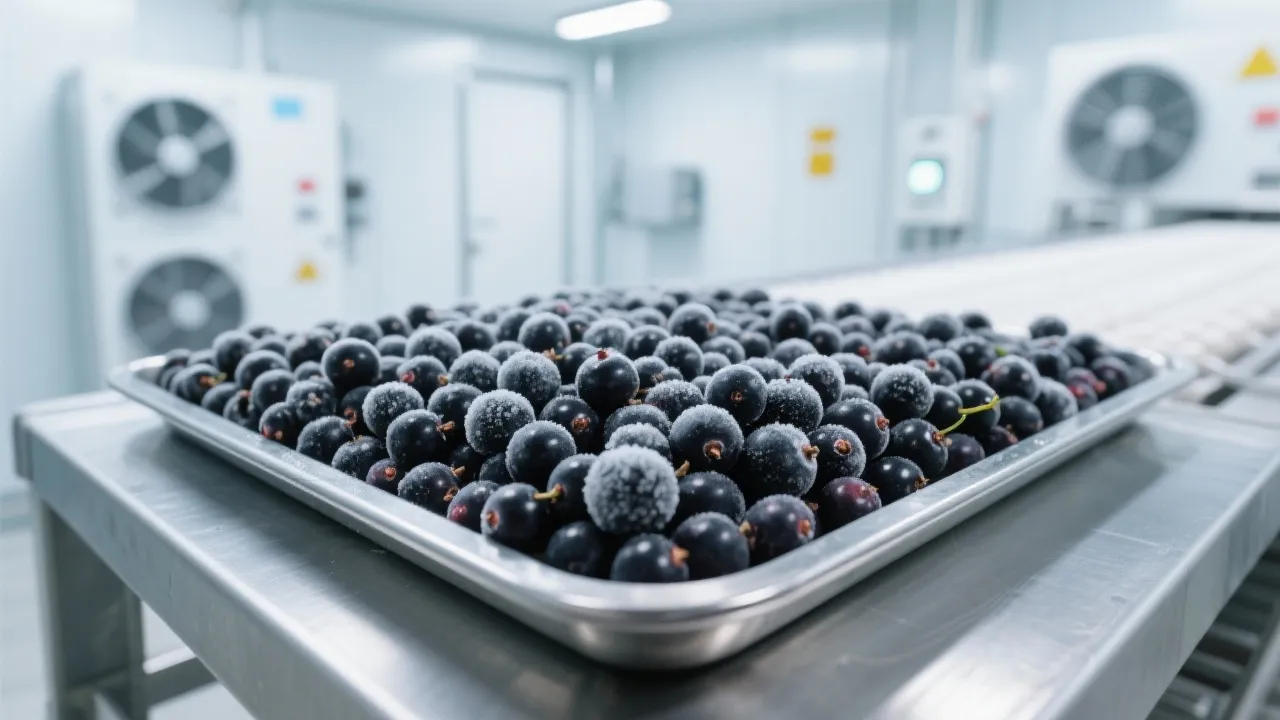
For food manufacturers targeting the European market, compliance with EU regulations isn't just a legal requirement—it's a critical business imperative. The European Union maintains one of the world's most stringent food safety frameworks, and frozen blackcurrant products face particular scrutiny due to their widespread use in juice production, jam manufacturing, and dietary supplements.
Non-compliance can result in costly consequences: border detentions, product recalls, financial penalties, and reputational damage. A single labeling error can delay market entry by 4-6 weeks and increase operational costs by 15-20%. This guide, drawing on the practical experience of 亿商桥 (Yishangqiao) International Trade Co., provides a comprehensive overview of the essential labeling requirements under EU Regulation 2023/2024 for frozen blackcurrant OEM packaging.
The latest amendment to the EU food information regulation (EU 1169/2011), Regulation 2023/2024, introduces critical changes that impact frozen fruit exporters. Implemented in January 2024, this regulation strengthens traceability requirements and clarifies labeling standards for processed fruits.
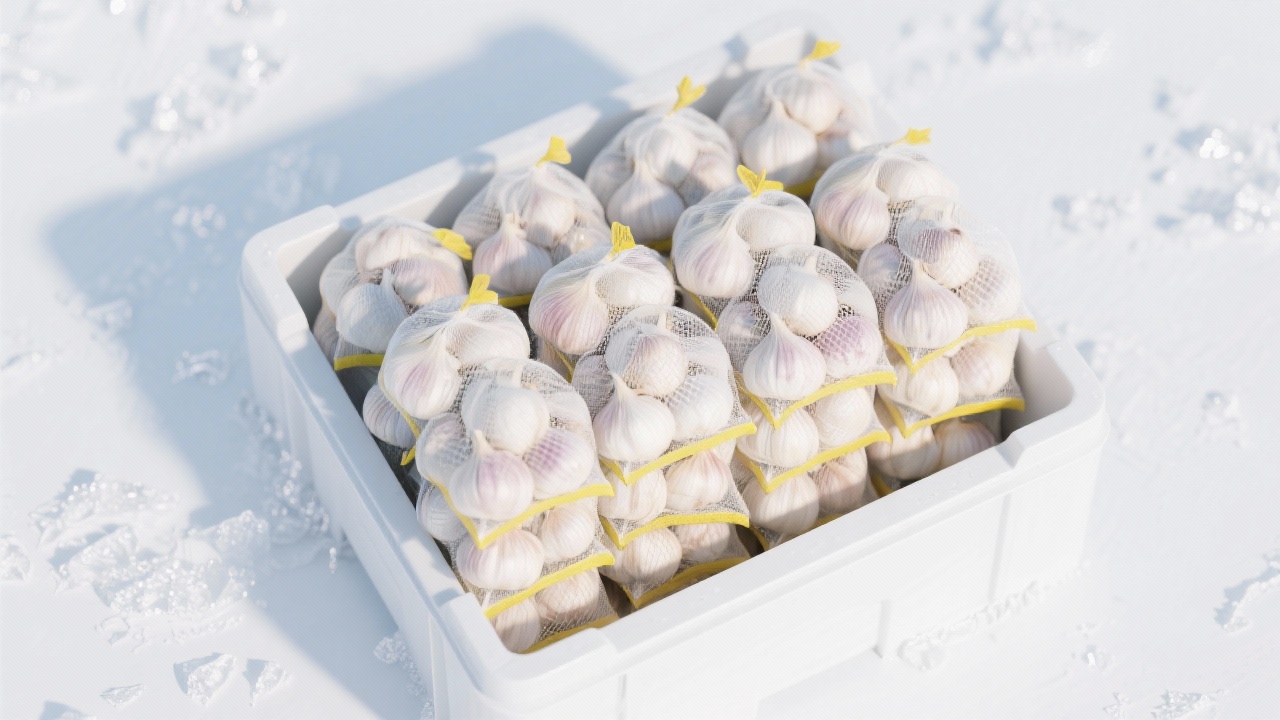
All frozen blackcurrant packaging must display core product information in a clear, legible font with a minimum character height of 1.2mm. This includes product name, net weight, and storage instructions. The name "frozen blackcurrants" must be prominently displayed, with any additional descriptors (e.g., "IQF" for individually quick frozen) meeting EU definitions.
Even for single-ingredient products like frozen blackcurrants, an ingredient list is mandatory. If sulfites or other preservatives are used (common in some processing methods), they must be declared. Allergens must be highlighted—typically in bold or underlined—with sulfites requiring specific declaration when present above 10mg/kg.
Country of origin must be clearly stated (e.g., "Produced in [Country]"). For products from multiple origins, all countries must be listed. Batch coding is mandatory, with codes that allow full traceability from harvest to final product. 亿商桥 recommends including a QR code linking to detailed traceability information as a value-added compliance measure.
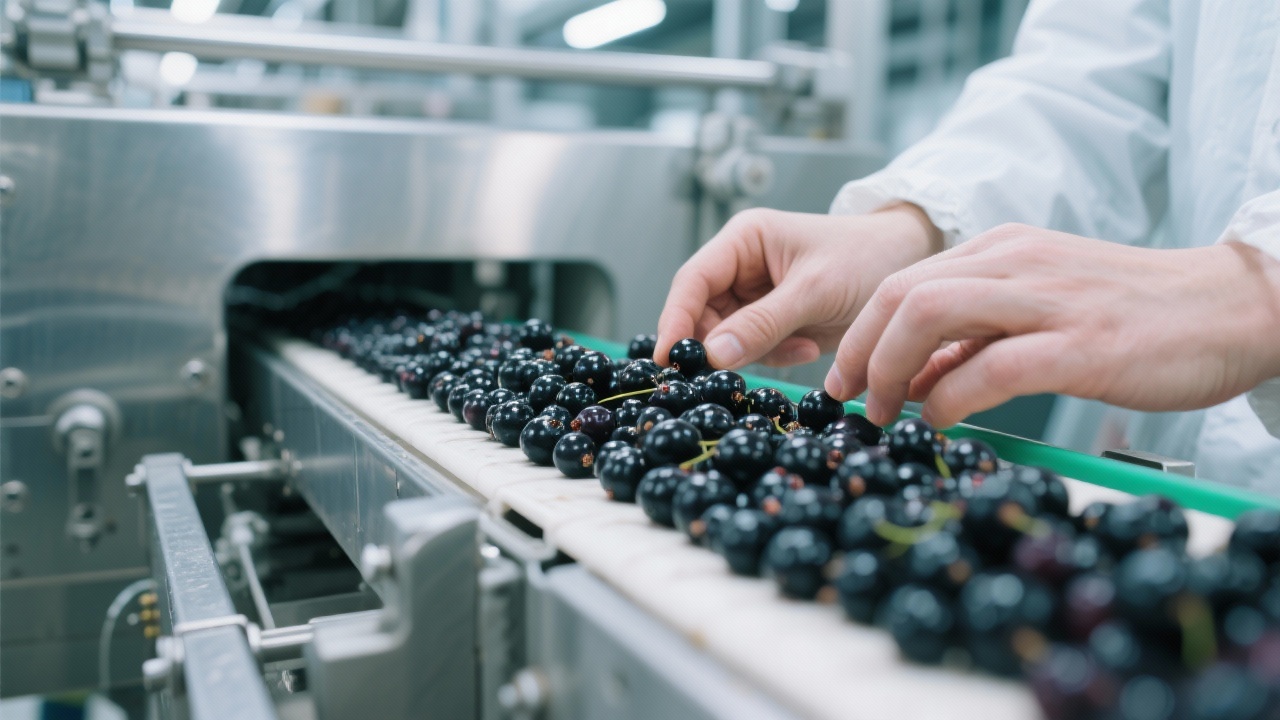
The nutrition declaration must follow the standardized EU format, presenting values per 100g. For frozen blackcurrants, key nutrients include vitamin C content, dietary fiber, and sugar content. The panel must use the official EU nutrition reference values (NRVs) for percentage calculations.
EU Regulation 2023/2024 introduces enhanced requirements for frozen products. Packages must display the "keep frozen" symbol (a snowflake icon) and specify the maximum storage temperature (-18°C for blackcurrants). Transport packaging now requires temperature indicators that show if products have been exposed to non-compliant temperatures.
The name and address of the EU-registered importer must appear on packaging, along with contact information. For OEM products, both the manufacturer and the brand owner information may be required, depending on the distribution model. 亿商桥 can assist with EU-based importer identification for companies without European entities.
Labeling must be in at least one official language of the EU member state where the product is first marketed. For multi-country distribution, consider multilingual labeling. Key terms like "allergen information" and "storage instructions" must be translated accurately—machine translations often miss regulatory nuances.
A Chinese frozen fruit exporter recently faced a €45,000 loss when 32 tons of blackcurrants were rejected at Rotterdam port due to insufficient allergen labeling. The products had been treated with sulfites during processing, but this information was not properly declared. By the time the labeling was corrected, the products had been in storage for three weeks, resulting in quality degradation and additional storage fees.
"We thought our previous labeling was sufficient, but the new EU regulations caught us off guard," admitted the company's export manager. "Working with 亿商桥 on compliance has since helped us avoid similar issues and improve our market reputation."
Successfully navigating EU labeling requirements requires a systematic approach. Start by conducting a thorough compliance audit of your current packaging against EU Regulation 2023/2024. Consider these practical steps:
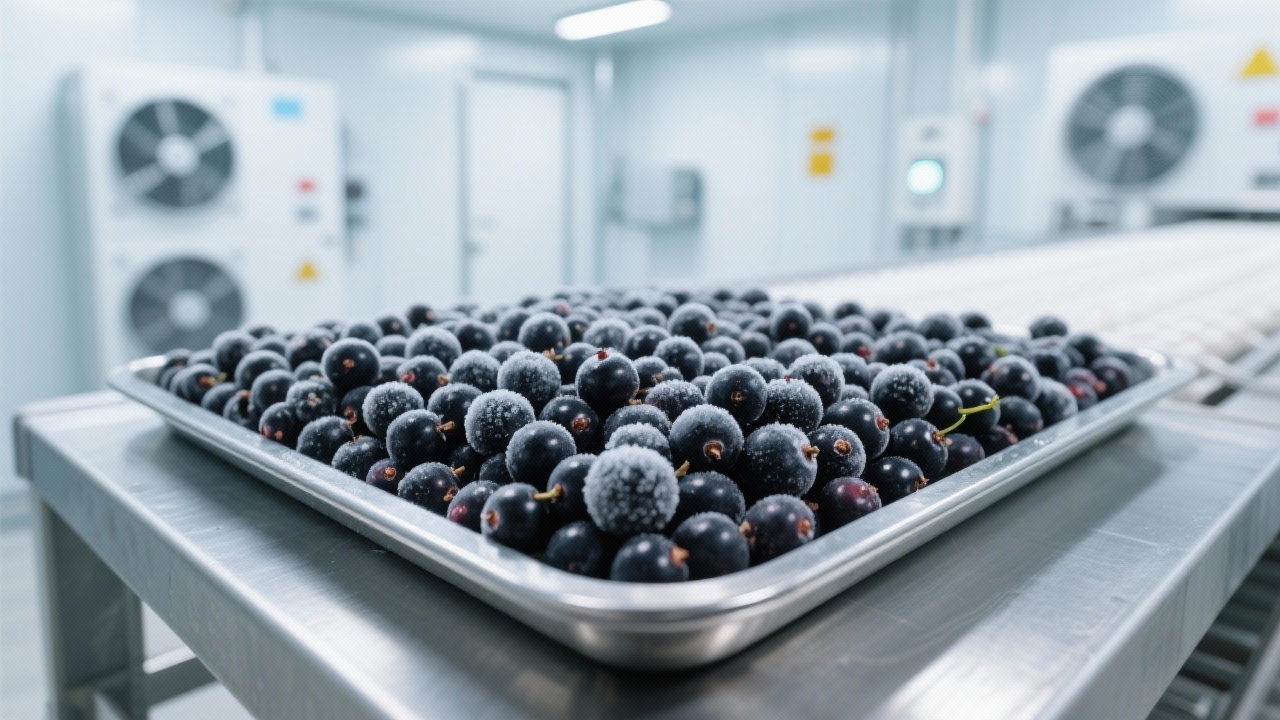
Remember that compliance is an ongoing process, not a one-time task. Regular training for your team on regulatory updates is essential, as is maintaining documentation of all compliance activities. Many EU buyers now require compliance certificates as part of their supplier qualification process, making this a competitive advantage.
亿商桥 provides end-to-end support for EU market entry, from regulatory consulting to OEM packaging solutions that meet all EU requirements.
Explore Custom EU-Compliant Packaging SolutionsAs European consumers increasingly demand transparency and safety in their food products, compliant labeling has become a key differentiator in the marketplace. By investing in proper labeling practices, you not only avoid costly penalties but also build trust with European buyers and position your frozen blackcurrant products for long-term success in this valuable market.

 295
|
295
|
 blackcurrant frozen fruit thawing
blackcurrant processing optimization
juice processing technology
dessert blackcurrant application
frozen blackcurrant supply
119
|
frozen blackberries
functional foods
health food trends
antioxidant-rich foods
U.S. and Europe market
272
|
blackcurrant processing techniques
pH control in fruit juice
antioxidant application in fruit products
color stability in juices
sugar optimization in jams
156
|
blackcurrant frozen fruit
juice processing technology
thawing methods
flavor preservation
cold chain logistics
327
|
premium nutritional drinks
natural berry ingredients
red raspberry active components
food safety standards
berry processing technology
blackcurrant frozen fruit thawing
blackcurrant processing optimization
juice processing technology
dessert blackcurrant application
frozen blackcurrant supply
119
|
frozen blackberries
functional foods
health food trends
antioxidant-rich foods
U.S. and Europe market
272
|
blackcurrant processing techniques
pH control in fruit juice
antioxidant application in fruit products
color stability in juices
sugar optimization in jams
156
|
blackcurrant frozen fruit
juice processing technology
thawing methods
flavor preservation
cold chain logistics
327
|
premium nutritional drinks
natural berry ingredients
red raspberry active components
food safety standards
berry processing technology



.png?x-oss-process=image/resize,h_100,m_lfit/format,webp)
.png?x-oss-process=image/resize,h_100,m_lfit/format,webp)
.png?x-oss-process=image/resize,h_100,m_lfit/format,webp)
 English


