
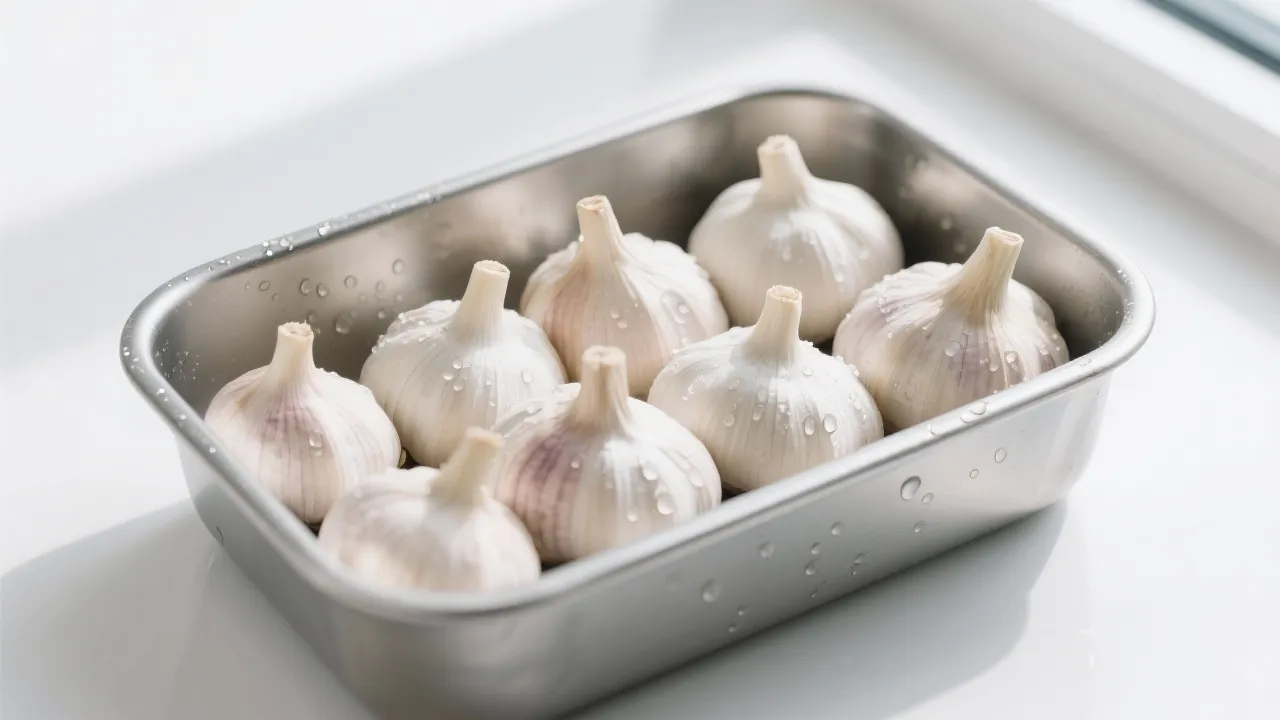
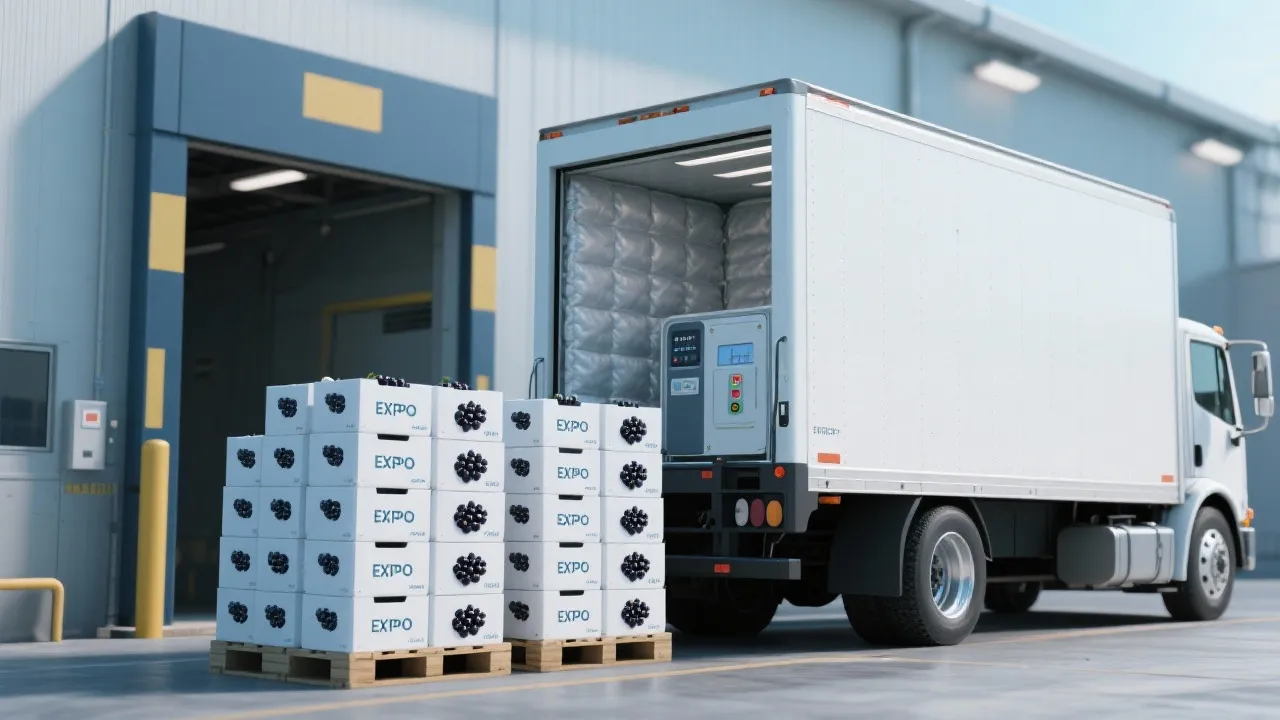
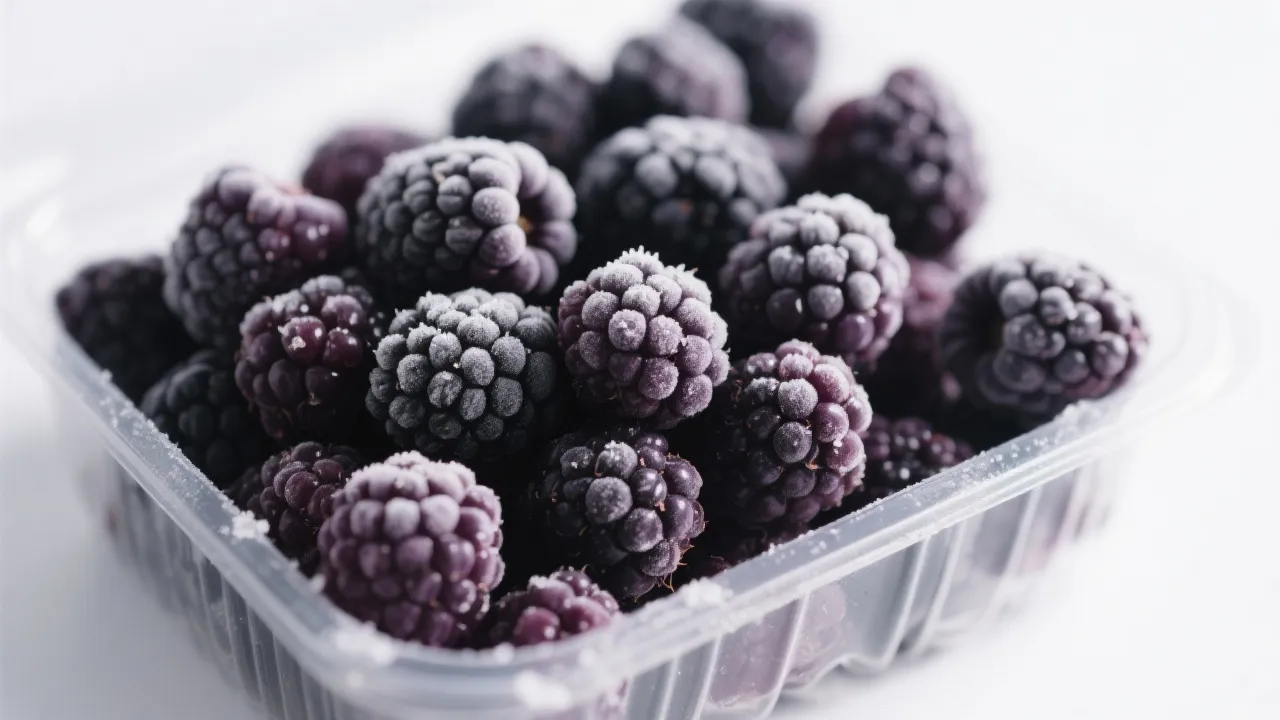
For wholesalers and retailers dealing with frozen blackberries, maintaining product quality throughout the supply chain is not just a matter of customer satisfaction—it directly impacts your bottom line. Recent industry studies show that improper temperature management can lead to up to 35% product loss, with temperature fluctuations being identified as the primary culprit behind quality degradation in frozen berry products.
Blackberries are particularly vulnerable to temperature variations due to their high water content (approximately 85%) and delicate cellular structure. When frozen berries experience temperature fluctuations as small as ±2°C, the formation and reformation of ice crystals occur, leading to irreversible damage to cell membranes.
Microscopic analysis reveals that temperature cycling causes ice crystals to grow from 5μm to over 40μm in diameter, puncturing cell walls and releasing intracellular fluids. This process results in the characteristic texture degradation and juice leakage observed in improperly stored frozen blackberries.
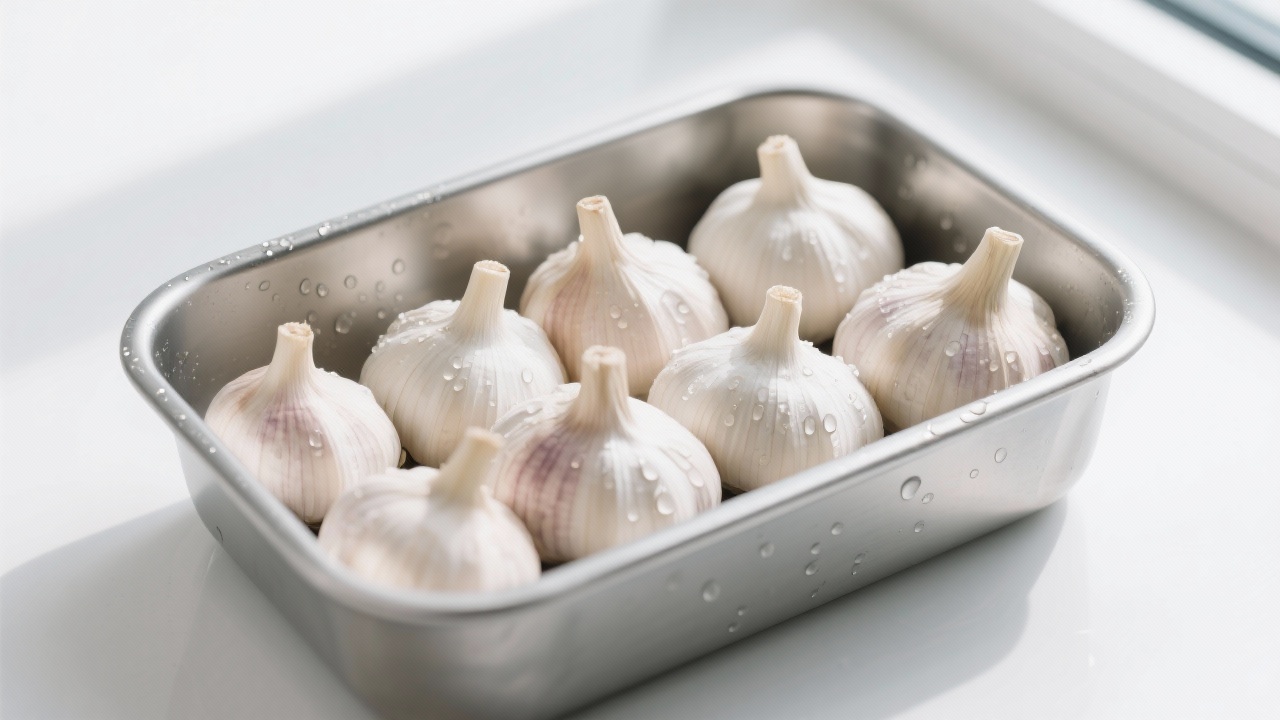
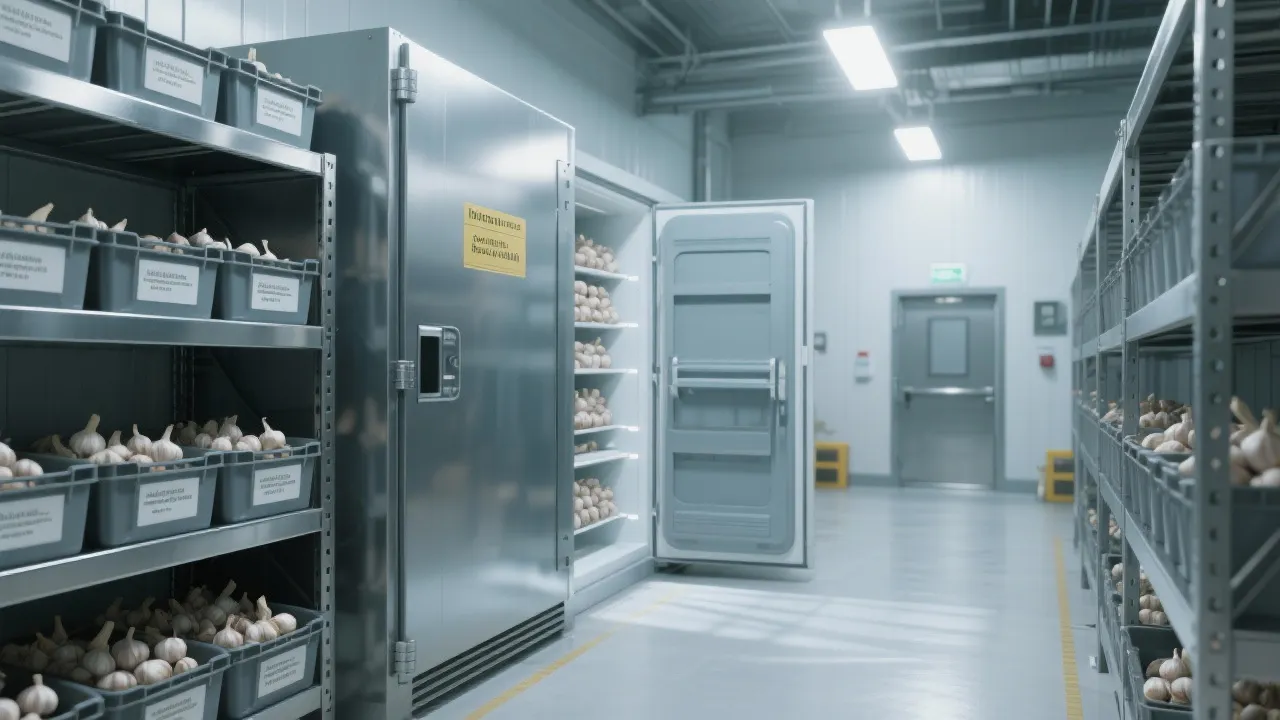
Industry best practices, supported by research from the International Institute of Refrigeration, confirm that maintaining a stable temperature of -18°C or lower is critical for preserving frozen blackberry quality. Temperature stability is even more important than the absolute temperature itself—studies show that berries stored at a consistent -20°C maintain quality 47% better than those stored at -18°C with daily fluctuations of 3°C.
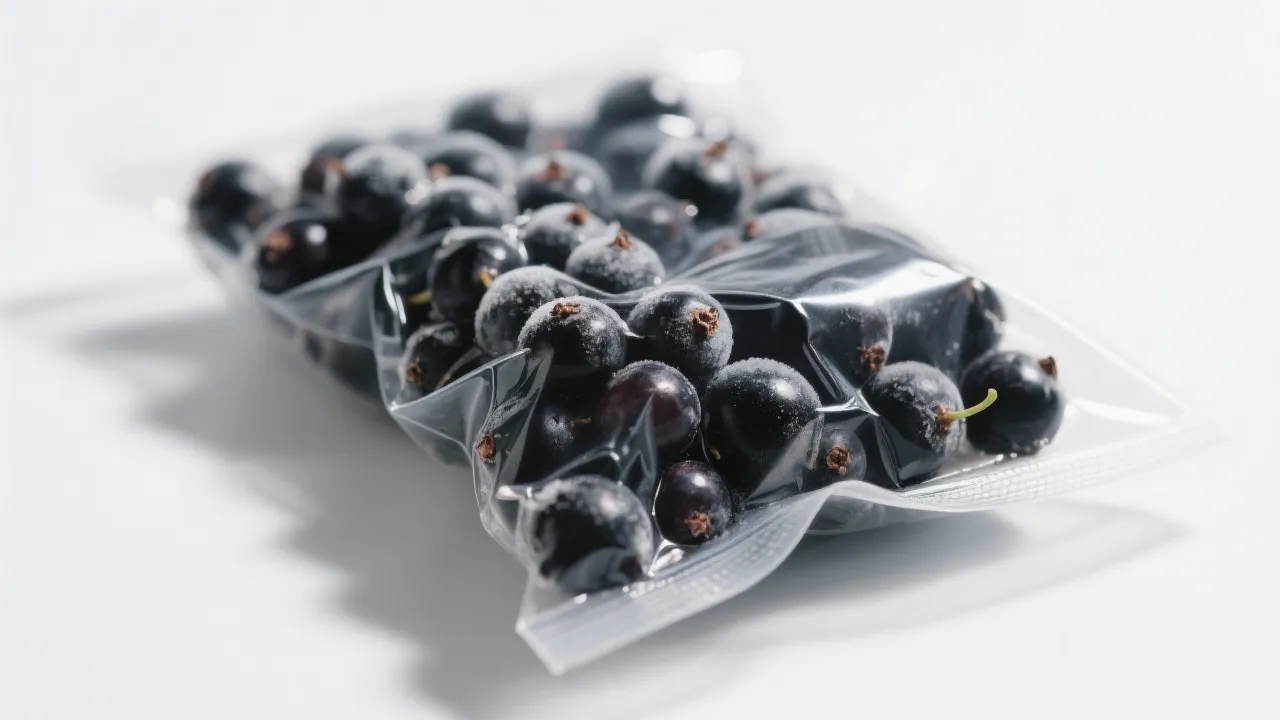
Even with optimal temperature control, inadequate packaging can undermine the entire cold chain. A study by the Food Packaging Institute found that 23% of frozen berry quality issues originate from packaging failures rather than temperature problems.
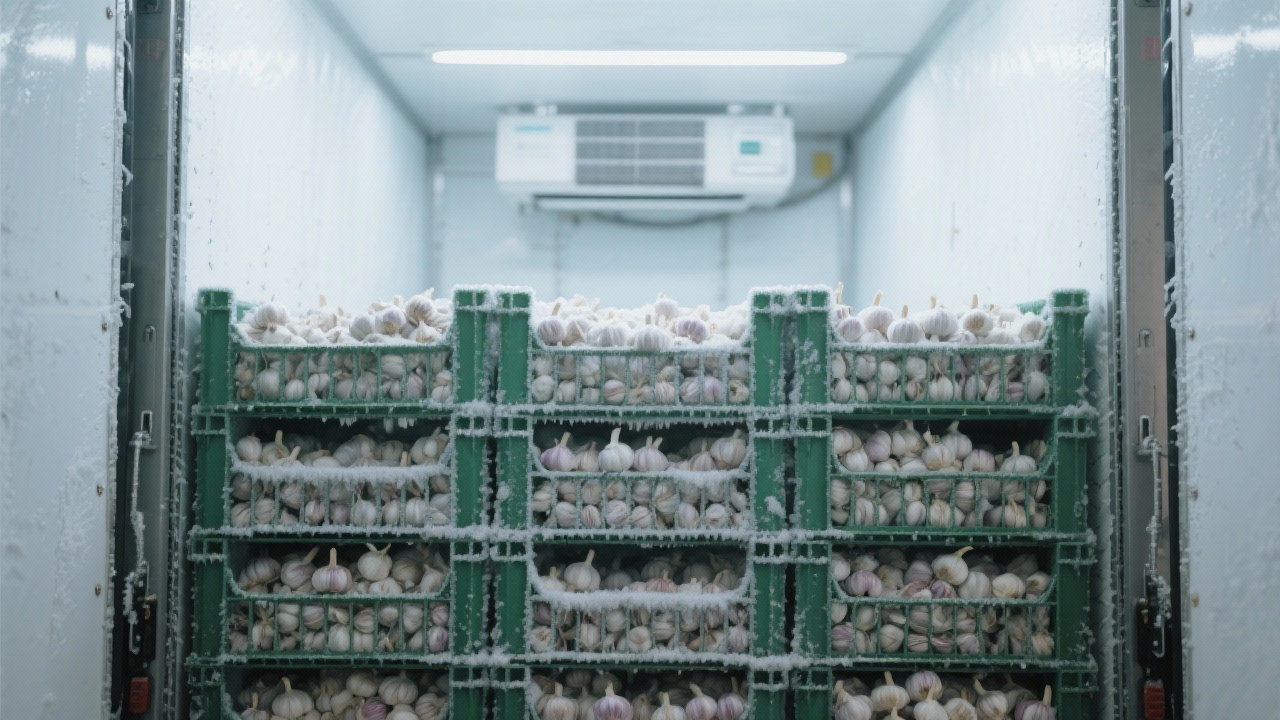
For frozen blackberries, we recommend implementing three complementary testing protocols:
Implementing a systematic inventory rotation system can reduce losses by an estimated 28-35% according to industry benchmarks. The key is combining FIFO (First-In-First-Out) principles with real-time temperature monitoring and batch tracking.
Leading retailers have achieved significant results using digital inventory management systems that track not just shelf life, but also temperature exposure history. This allows for more accurate quality assessment and reduces the risk of prematurely discarding product that has been properly stored.
Even with rigorous controls, issues can arise. Here's how to diagnose and address the most common problems:
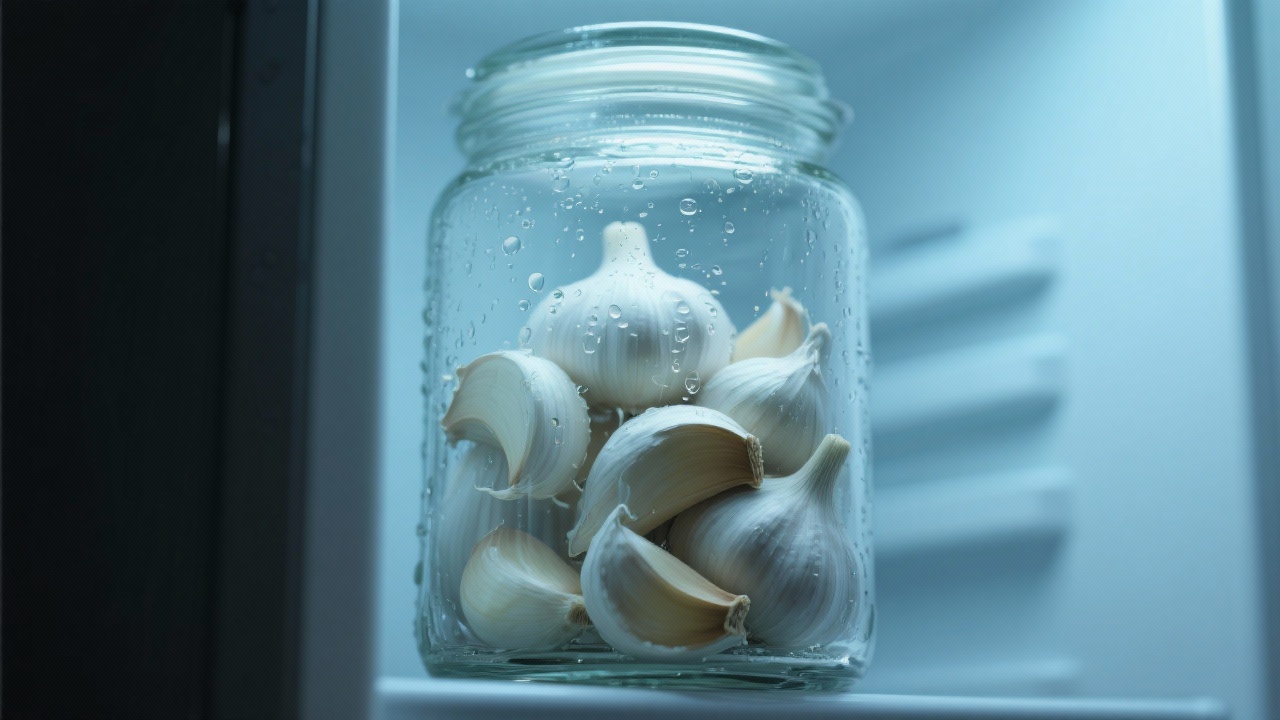
| Issue | Common Cause | Solution |
|---|---|---|
| Surface Frost | Temperature fluctuations, poor packaging seal, low humidity | Check door seals, verify temperature stability, increase humidity to 92-95% |
| Off-Odors | Cross-contamination, extended storage, packaging failure | Implement proper segregation, check expiration dates, enhance packaging barriers |
| Discoloration | Oxidation, temperature abuse, light exposure | Ensure oxygen barrier packaging, maintain -18°C, use opaque storage containers |
By implementing these science-backed storage protocols, businesses can significantly improve product quality, extend shelf life by 30-40%, and reduce overall waste. The key is recognizing that frozen blackberry quality is a result of multiple interdependent factors—temperature stability, humidity control, packaging integrity, and inventory management—all working in harmony.
Ready to reduce losses, improve quality, and enhance your bottom line? Discover our comprehensive cold chain management solutions tailored specifically for frozen berry products.
Explore 亿商桥 Cold Chain SolutionsRemember that in the frozen food industry, quality control is an ongoing process that requires vigilance, proper training, and the right tools. By staying informed about the latest storage technologies and best practices, you can ensure your customers receive frozen blackberries that meet the highest quality standards, while maximizing your profitability.

 158
|
158
|
 frozen raspberry
functional beverage
antioxidant properties
export market application
beverage formulation
159
|
Halal Kosher frozen fruit
frozen berry export compliance
Halal Kosher certification standards
international food raw material certification
Yishangqiao organic frozen blackberries
443
|
frozen blackberries functional food applications
high antioxidant berry ingredients
organic frozen blackberries usage tips
frozen berries in energy bars
cold brew beverage ingredient innovation
81
|
red raspberry production standardization
HACCP microbial control
frozen fruit quality management
whole raspberry processing
ISO22000 certification
485
|
small-batch frozen blackcurrants
European import standards
HACCP certified frozen fruits
cold chain logistics for frozen fruits
OEM packaging for frozen fruits
frozen raspberry
functional beverage
antioxidant properties
export market application
beverage formulation
159
|
Halal Kosher frozen fruit
frozen berry export compliance
Halal Kosher certification standards
international food raw material certification
Yishangqiao organic frozen blackberries
443
|
frozen blackberries functional food applications
high antioxidant berry ingredients
organic frozen blackberries usage tips
frozen berries in energy bars
cold brew beverage ingredient innovation
81
|
red raspberry production standardization
HACCP microbial control
frozen fruit quality management
whole raspberry processing
ISO22000 certification
485
|
small-batch frozen blackcurrants
European import standards
HACCP certified frozen fruits
cold chain logistics for frozen fruits
OEM packaging for frozen fruits




.png?x-oss-process=image/resize,h_100,m_lfit/format,webp)
.png?x-oss-process=image/resize,h_100,m_lfit/format,webp)
.png?x-oss-process=image/resize,h_100,m_lfit/format,webp)
 English


