
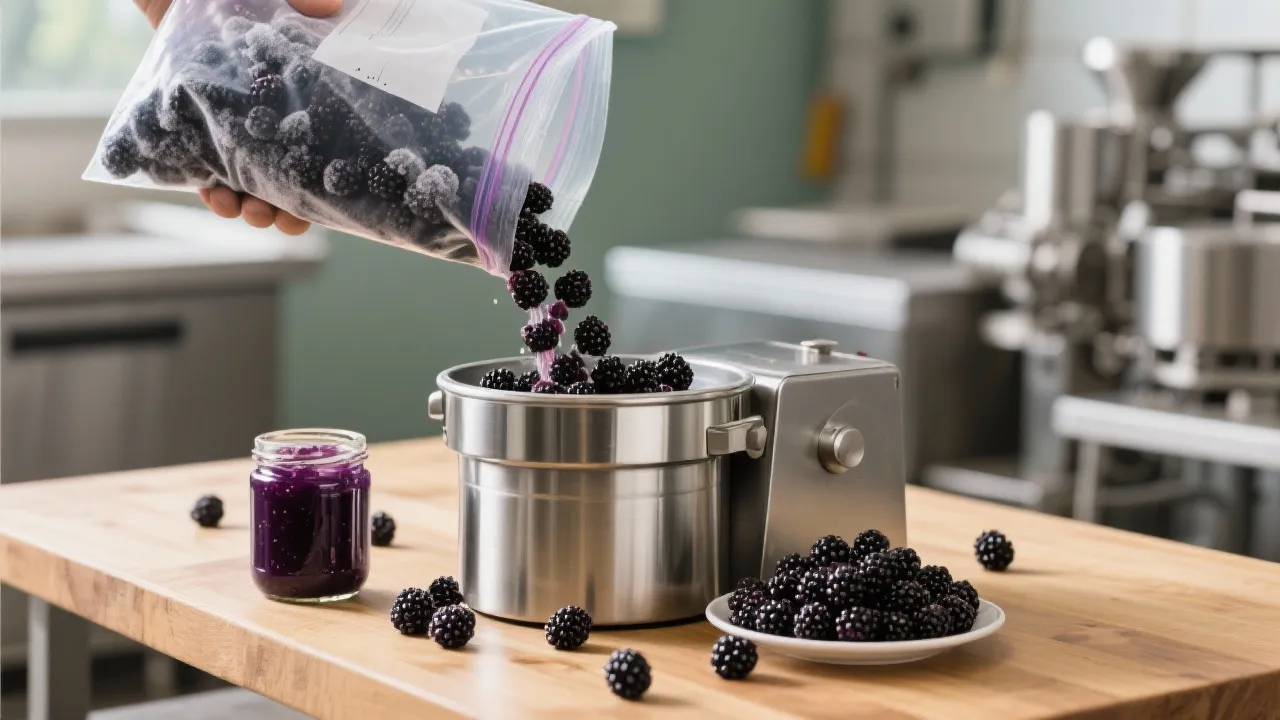
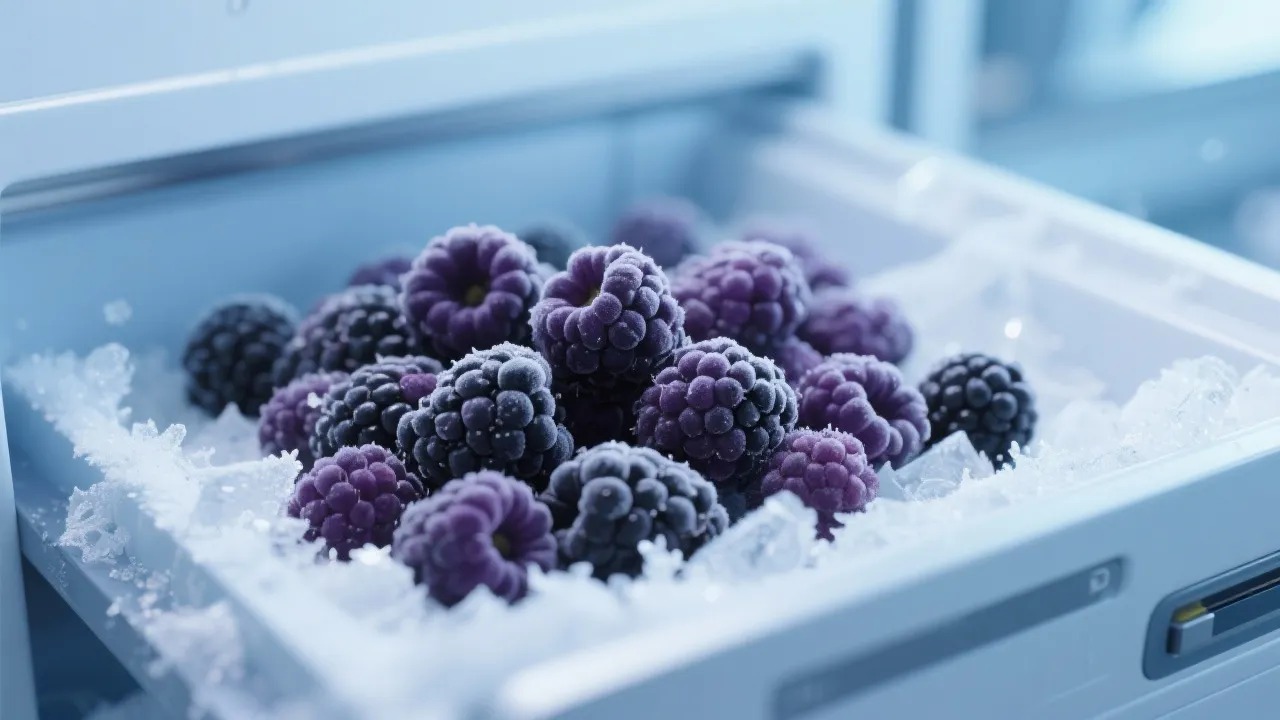
In today’s global food market, frozen berries—especially blackberries—are no longer just a commodity. For B2B buyers sourcing premium ingredients for health-conscious brands or retail chains, certification is now a non-negotiable differentiator. Among the most impactful credentials? Organic certification and Halal compliance. Together, they transform a simple fruit into a trusted product that meets both ecological standards and cultural expectations across continents.
According to recent data from the USDA and EU Food Safety Authority, over 72% of European and North American retailers now require organic certification for imported frozen fruits. Meanwhile, in the Middle East and Southeast Asia, Halal certification has become a mandatory gatekeeper—not just for religious compliance but also for consumer trust. In fact, a 2023 report by Statista shows that certified organic frozen berries command up to 25% higher margins in premium markets compared to non-certified alternatives.
For exporters, this isn’t just about meeting rules—it’s about building brand equity. Each certification acts as a seal of quality that speaks directly to buyer psychology: “This product was grown responsibly, processed safely, and respects my values.”
Organic certification ensures that your frozen blackberries are free from synthetic pesticides, GMOs, and chemical fertilizers. It guarantees traceability—from farm to freezer—and verifies that harvesting practices preserve the berry's natural integrity. A typical organic processing facility maintains an average fruit retention rate of 95%, meaning minimal waste and maximum yield per batch—a key metric for cost-conscious B2B buyers.
Moreover, organic certification opens doors to high-value segments like clean-label snacks, functional beverages, and premium bakery ingredients where transparency drives purchasing decisions.
Halal certification confirms that the entire production chain—from raw material sourcing to packaging—is compliant with Islamic law. This includes avoiding alcohol-based sanitizers, ensuring animal-derived additives (like gelatin) come from halal-slaughtered sources, and maintaining strict separation between halal and non-halal products during storage and transport.
Interestingly, even non-Muslim consumers increasingly value Halal-certified foods due to perceived cleanliness and ethical sourcing. In countries like Malaysia, Indonesia, and the UAE, more than 60% of supermarket shelves feature Halal-certified frozen fruits—even in general grocery aisles.
While the core principles remain consistent, regional requirements vary significantly:
These nuances mean that one-size-fits-all approaches fail. Smart exporters invest in region-specific compliance strategies—not just for entry, but for long-term positioning.
A leading Chinese frozen berry producer achieved 40% YoY growth in Europe and 35% in GCC countries after securing dual certification. Their secret? Transparent supply chain mapping, real-time labeling updates, and active engagement with local distributors who understood cultural nuances. They didn’t just meet standards—they became trusted partners.
Ultimately, certifications aren't just checkboxes—they're strategic assets. They reduce risk, build trust, and enable deeper relationships with buyers who prioritize sustainability, ethics, and reliability.
Discover how our certified organic and Halal frozen blackberries help B2B buyers achieve consistent quality, regulatory confidence, and faster time-to-market.
Learn how we ensure every berry meets global standards
 66
|
66
|
 frozen black currant whole berry yield
EU food import regulations
HACCP certified frozen fruit
cold chain logistics for berries
quality control in frozen fruit processing
102
|
freeze-dried red raspberry powder
anthocyanin stability
bioavailability enhancement
functional food formulation
tablet confectionery additives
286
|
frozen black currants export to EU
HACCP certification for food exports
EU food import regulations
cold chain logistics for berries
food safety compliance in agriculture
38
|
frozen blackberry certification
organic halal certification
health food supply chain
international food standards
frozen berry export
354
|
frozen blackcurrants export to EU
HACCP certification for berries
cold chain compliance for frozen fruit
EU food safety regulations
supply chain management for frozen berries
frozen black currant whole berry yield
EU food import regulations
HACCP certified frozen fruit
cold chain logistics for berries
quality control in frozen fruit processing
102
|
freeze-dried red raspberry powder
anthocyanin stability
bioavailability enhancement
functional food formulation
tablet confectionery additives
286
|
frozen black currants export to EU
HACCP certification for food exports
EU food import regulations
cold chain logistics for berries
food safety compliance in agriculture
38
|
frozen blackberry certification
organic halal certification
health food supply chain
international food standards
frozen berry export
354
|
frozen blackcurrants export to EU
HACCP certification for berries
cold chain compliance for frozen fruit
EU food safety regulations
supply chain management for frozen berries





.png?x-oss-process=image/resize,h_100,m_lfit/format,webp)
.png?x-oss-process=image/resize,h_100,m_lfit/format,webp)
.png?x-oss-process=image/resize,h_100,m_lfit/format,webp)
 English


