
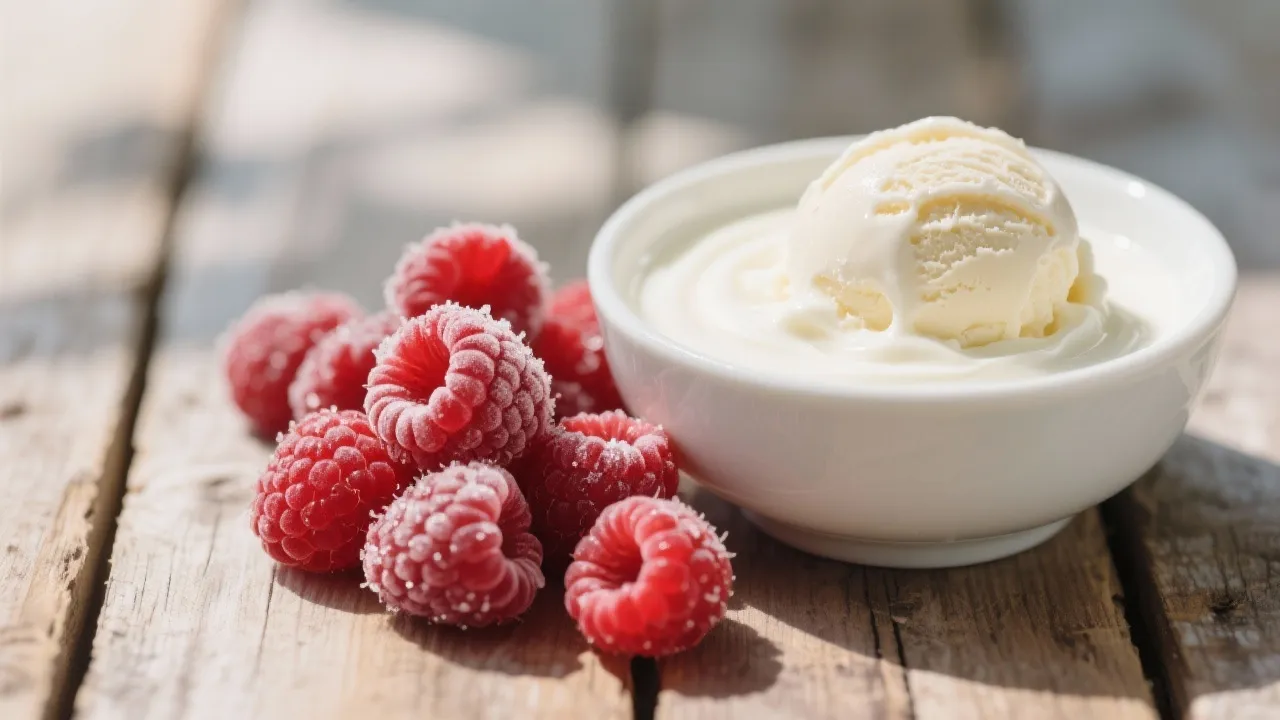
In the global marketplace, exporting high-quality blackberries demands rigorous food safety protocols and advanced preservation techniques. This article explores the critical role of rapid freezing technology in maintaining organic frozen blackberries’ freshness, flavor, and nutritional integrity. Furthermore, it examines the implementation essentials of internationally recognized food safety management systems — HACCP and ISO 22000 — emphasizing their value in guaranteeing export-grade safety and quality.
Traditional freezing methods often lead to the formation of large ice crystals that rupture cellular structures in blackberries, causing texture degradation, loss of vibrant color, and diminished nutrient levels, especially sensitive antioxidants like vitamin C and anthocyanins. Studies show that slow freezing can reduce vitamin C retention by up to 40%, severely impacting both sensory appeal and health benefits.
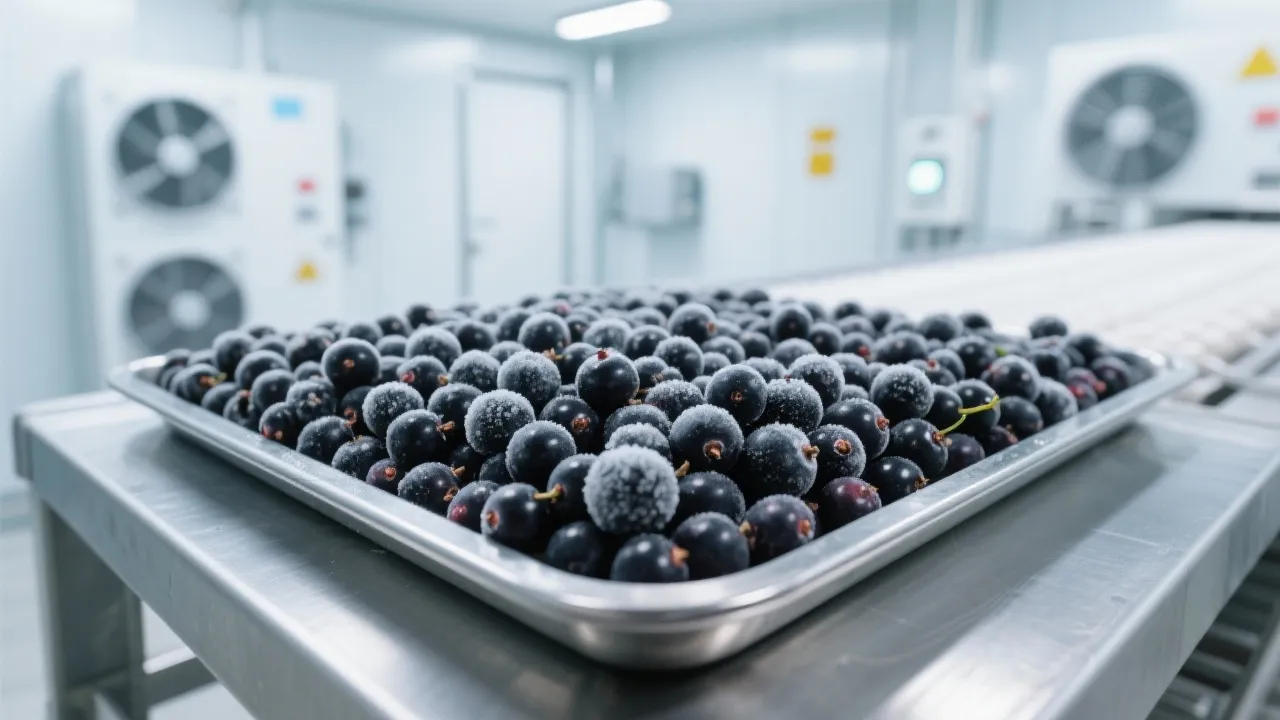
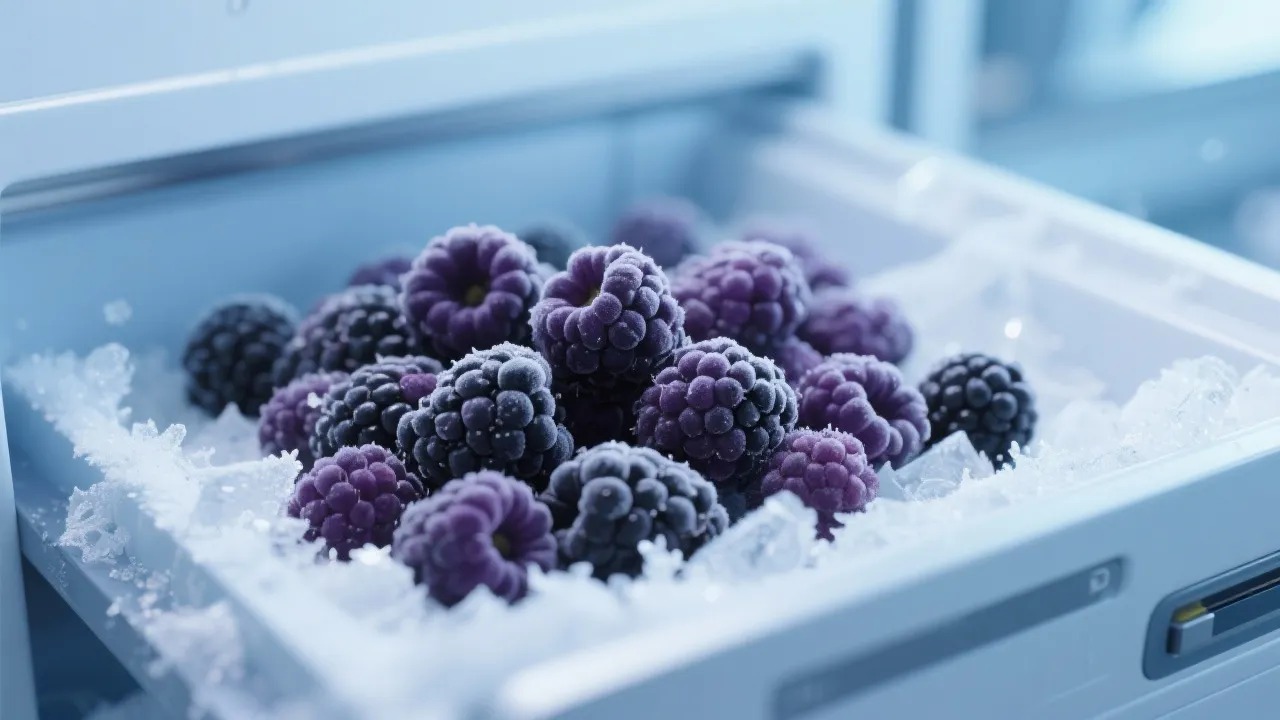
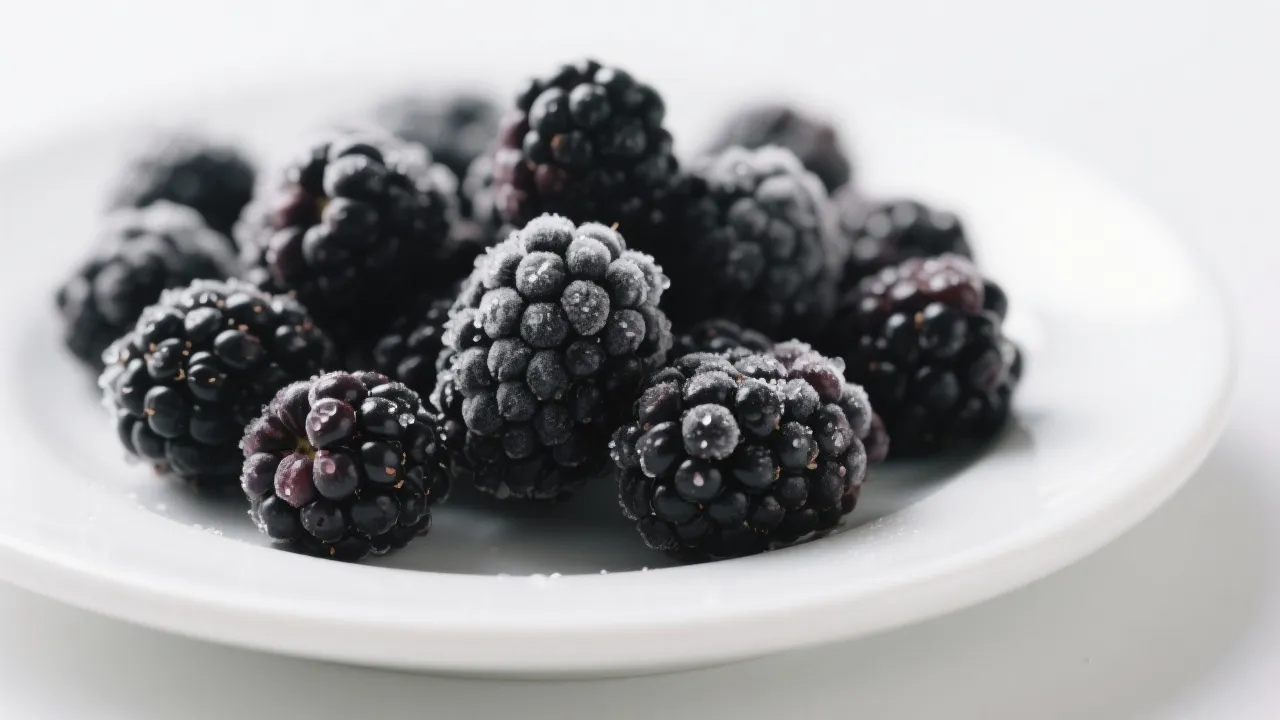
Rapid freezing technology sharply lowers the temperature of blackberries within minutes, limiting ice crystal size to microscale dimensions. This process preserves the integrity of cell membranes, preventing leakage of natural juices and nutrient loss. According to research conducted by the International Frozen Food Association, rapid freezing retains approximately 85-90% of vitamin C content and over 90% of anthocyanins compared to fresh fruit.
Key Benefits of Rapid Freezing for Blackberries:
Safety and quality assurance is paramount for exporters. The Hazard Analysis and Critical Control Points (HACCP) and ISO 22000 systems form the backbone of internationally accepted food safety management. While HACCP focuses on identifying potential hazards and establishing key control points in the production chain, ISO 22000 integrates HACCP principles with general management system requirements to cover the entire food supply chain.
Implementation begins with a comprehensive hazard analysis, assessing biological, chemical, and physical risks from farm to export. Critical control points (CCPs) such as freezing temperature, storage conditions, and packaging integrity are rigorously monitored. ISO 22000 requires documented procedures, regular internal audits, and supplier verification to establish a culture of continuous improvement.
For frozen blackberries, the freezing process is a critical CCP where temperature must be consistently kept below −18°C, ensuring microbial safety and enzymatic inactivity. These protocols are essential not only for compliance but also to build trust with international buyers demanding transparency and safety guarantees.
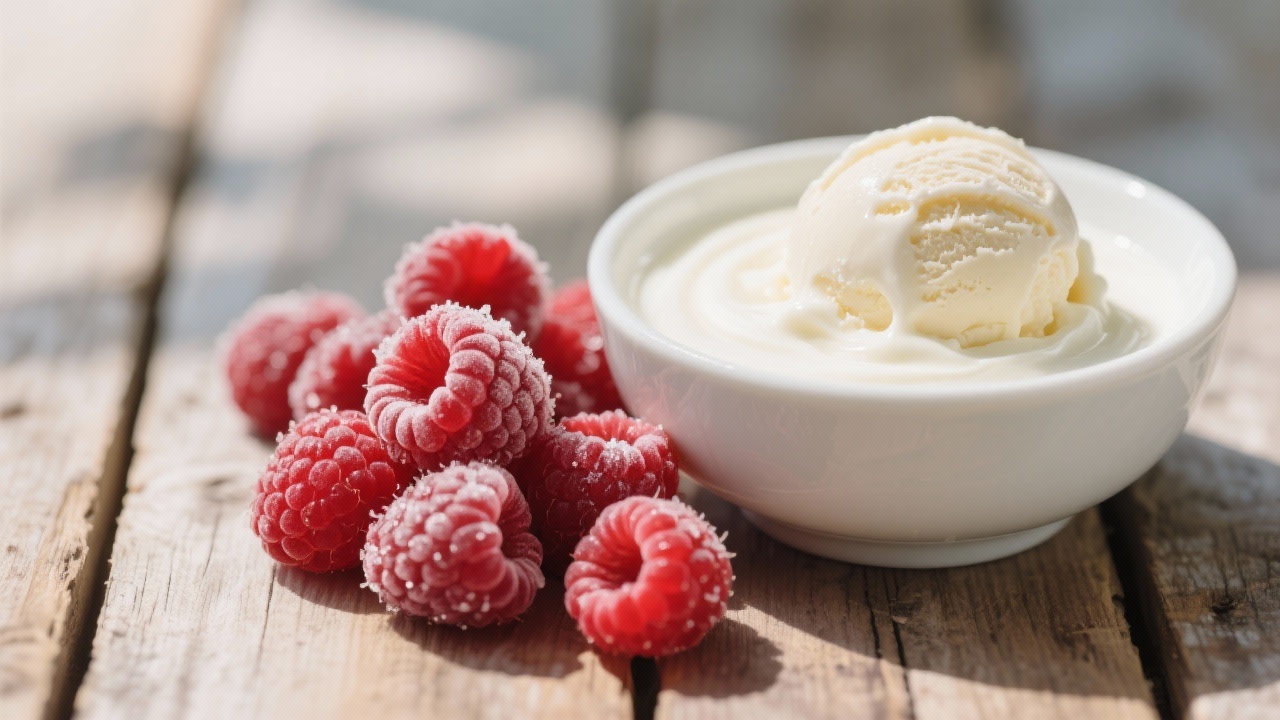
Consumers increasingly prioritize both health and safety when selecting frozen fruits. Understanding the science of rapid freezing empowers buyers and foodservice professionals to make informed choices. From a practical standpoint, food manufacturers benefit from standardized documentation and validated freezing protocols to meet stringent export requirements.
Additionally, integrating HACCP and ISO 22000 into the production framework facilitates smoother customs clearance, reduces recalls, and enhances brand reputation in competitive international markets.
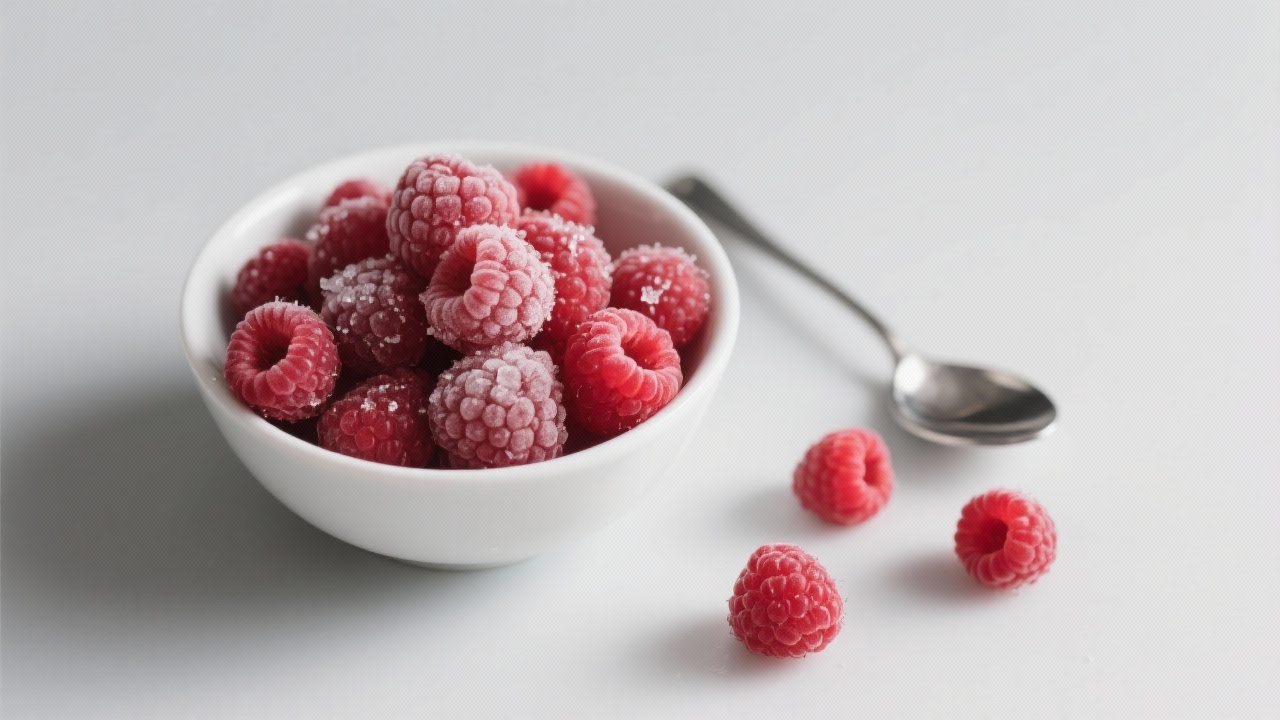
Continuous data logging and temperature controls supported by IoT sensors ensure real-time tracking of frozen blackberry storage conditions. Industry data indicates that exporters applying these technologies reduce spoilage rates by over 30%, significantly boosting product consistency and customer satisfaction.
Furthermore, training employees on HACCP principles and maintaining ISO-certified management practices fosters a proactive safety culture, aligning operational excellence with global food safety expectations.

 111
|
111
|
 Frozen blackcurrant quick - freezing process
Blackcurrant nutrient value retention
Juice and jam processing techniques
Frozen fruit quality control
Cold - chain transportation standards
460
|
Frozen blackcurrants
Three - round manual screening
Quick - freezing technology
Whole fruit rate improvement
Cold - chain transportation
216
|
organic frozen blackberries
healthy smoothie recipes
frozen fruit applications
nutritious drink formulation
natural ingredient pairing
432
|
small batch trial order
frozen blackcurrant export
OEM private label packaging
food supply chain flexibility
frozen fruit packaging requirements
220
|
frozen blackcurrants
quick freezing technology
blackcurrant nutrition retention
frozen fruit processing
cold chain logistics
Frozen blackcurrant quick - freezing process
Blackcurrant nutrient value retention
Juice and jam processing techniques
Frozen fruit quality control
Cold - chain transportation standards
460
|
Frozen blackcurrants
Three - round manual screening
Quick - freezing technology
Whole fruit rate improvement
Cold - chain transportation
216
|
organic frozen blackberries
healthy smoothie recipes
frozen fruit applications
nutritious drink formulation
natural ingredient pairing
432
|
small batch trial order
frozen blackcurrant export
OEM private label packaging
food supply chain flexibility
frozen fruit packaging requirements
220
|
frozen blackcurrants
quick freezing technology
blackcurrant nutrition retention
frozen fruit processing
cold chain logistics
_(2).jpg?x-oss-process=image/resize,h_800,m_lfit/format,webp)



.png?x-oss-process=image/resize,h_100,m_lfit/format,webp)
.png?x-oss-process=image/resize,h_100,m_lfit/format,webp)
.png?x-oss-process=image/resize,h_100,m_lfit/format,webp)
 English


