
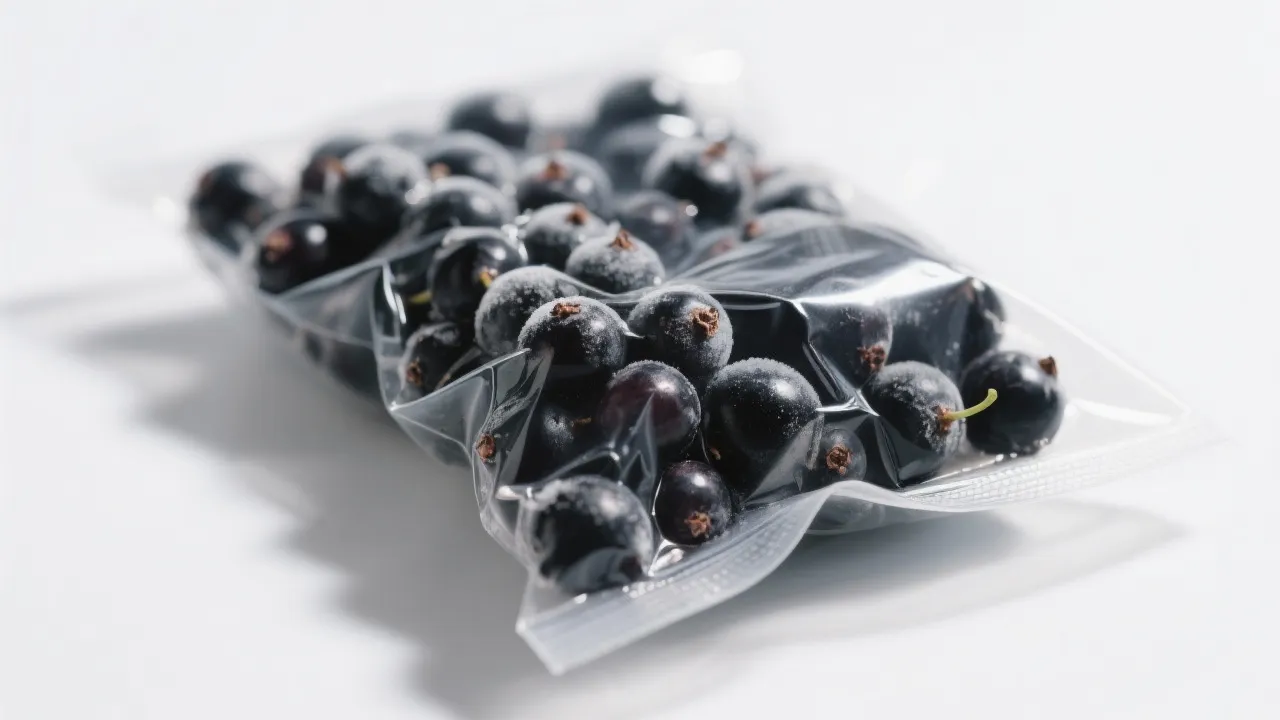
In the global frozen berry market, especially for EU and U.S. buyers, quality isn’t just about appearance—it’s about structure, nutrition, and compliance. Many suppliers fail to meet expectations not because of poor sourcing, but due to outdated freezing methods that damage cell integrity. Here's how rapid freezing technology—backed by science and certification—transforms ordinary blackberries into premium export-grade fruit.
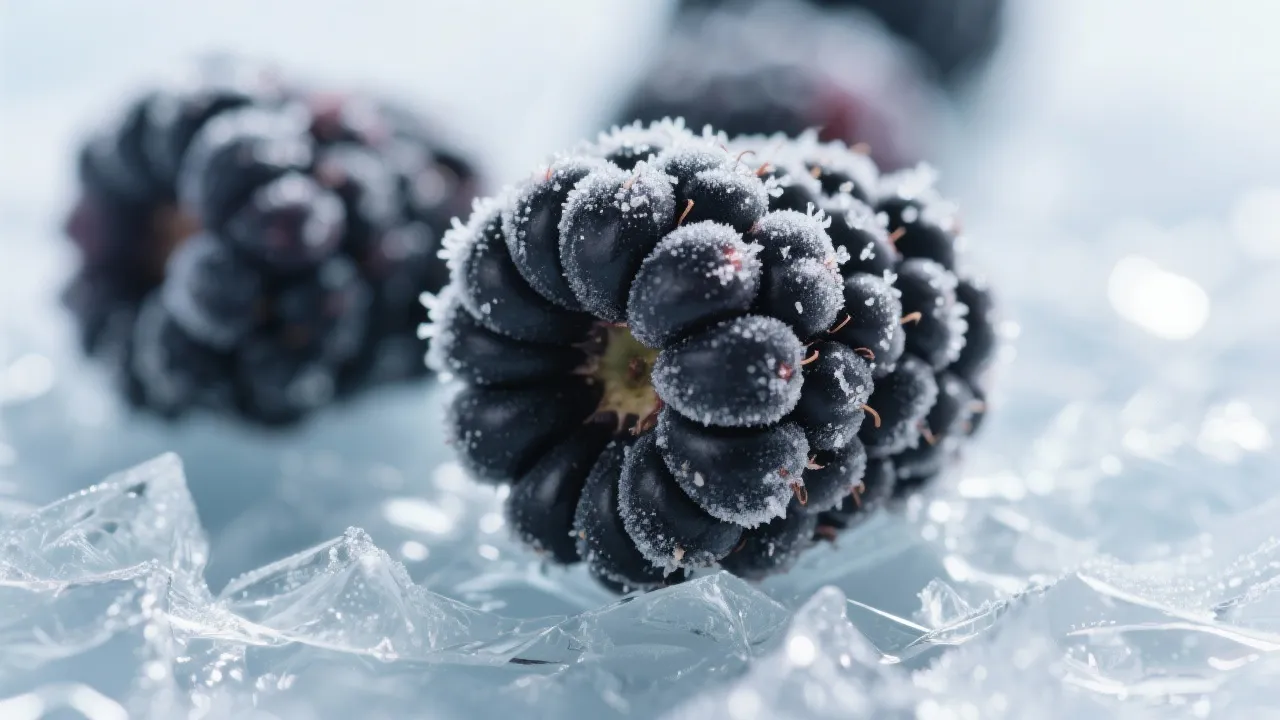
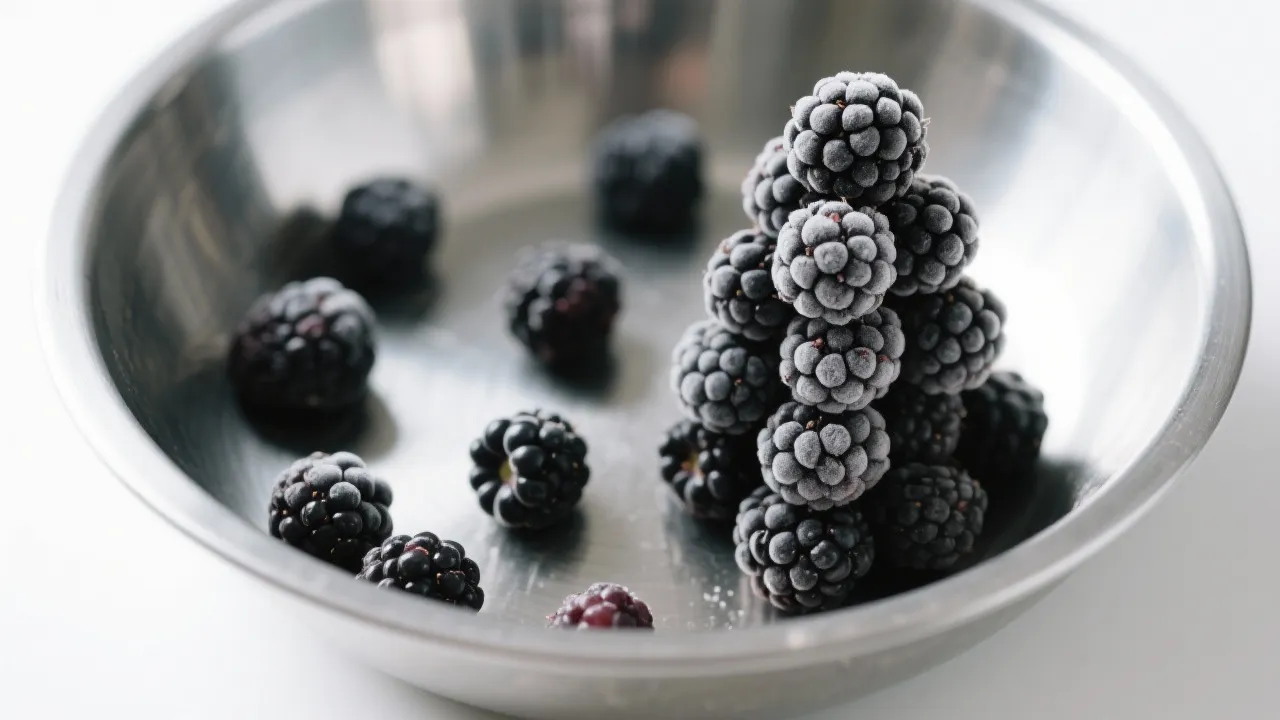
Traditional slow freezing (–1°C/min) creates large ice crystals that rupture cell walls, leading to juice loss, mushy texture, and discoloration. In contrast, rapid freezing at –20°C or lower (as per Food Chemistry, 2021 study) forms microcrystals under 5 microns—preserving cellular structure. This means up to 95% whole-fruit retention and better nutrient preservation, including anthocyanins and vitamin C.
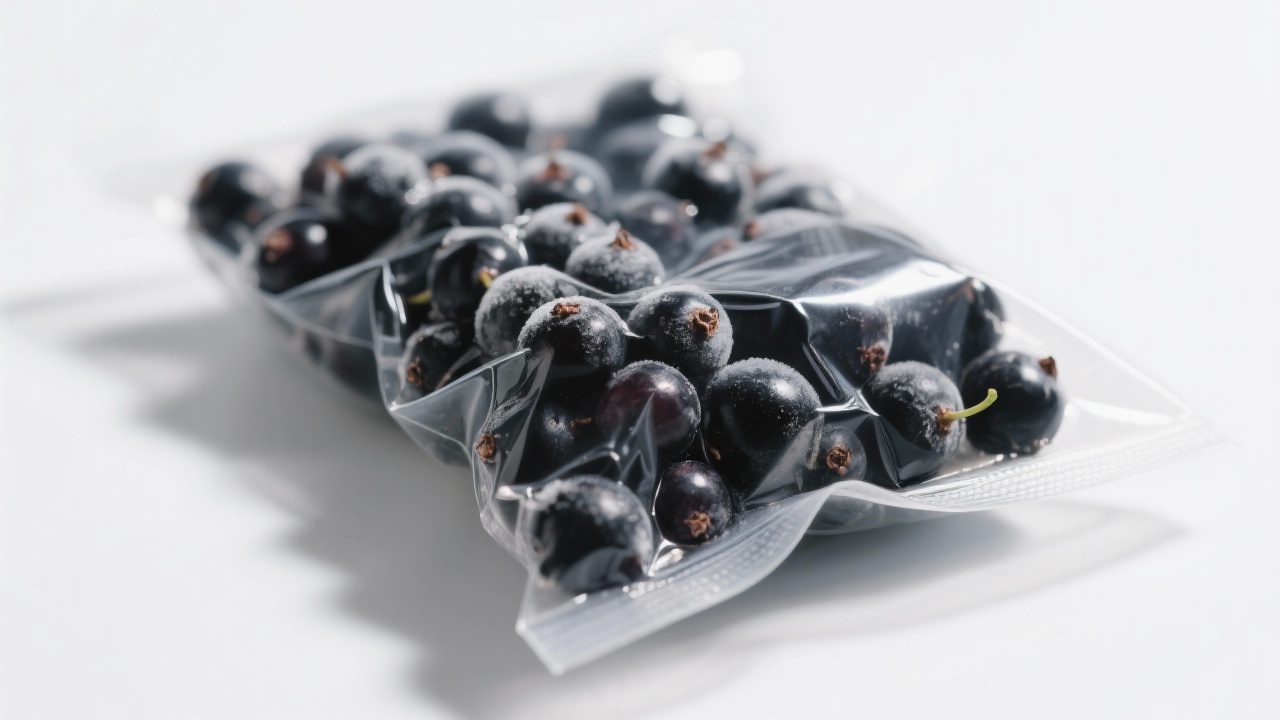
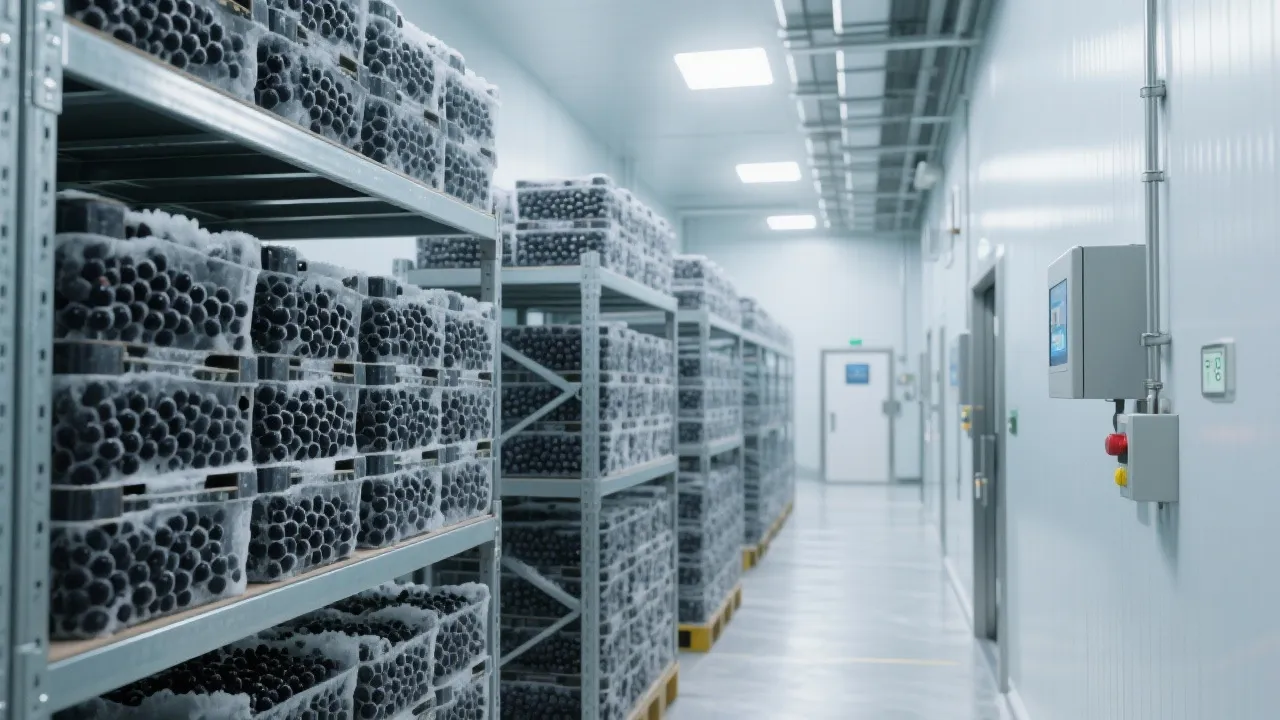
To enter European and North American markets, your process must align with HACCP and ISO 22000 standards. Key checkpoints include:
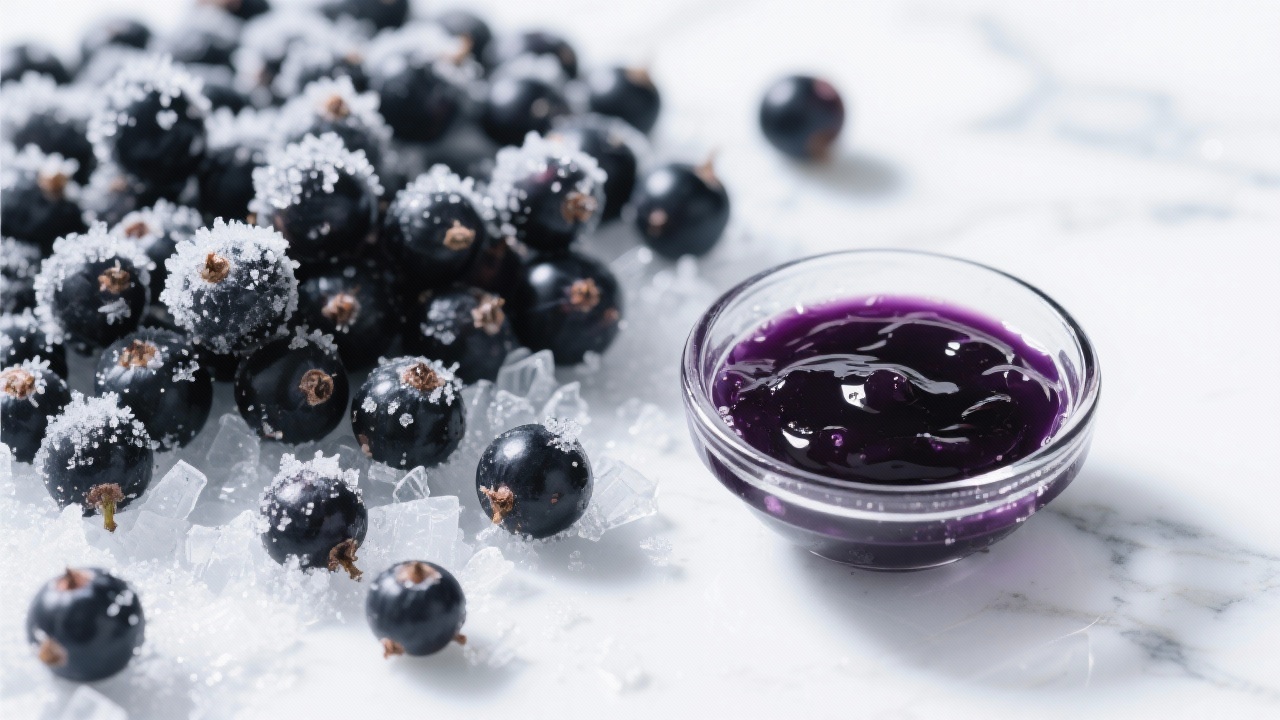
Buyers in the U.S. and EU prioritize certified suppliers. A recent survey by Global Food Safety Initiative found that 78% of foodservice buyers reject non-HACCP-certified suppliers—even if pricing is competitive. Kosher and Halal certifications further expand access to niche markets like Middle Eastern bakeries and religious institutions.
Bakery chains, dessert manufacturers, and restaurant kitchens prefer our blackberries because they retain shape, color, and natural sweetness even after thawing. One client in California reported a 30% reduction in waste compared to conventional frozen berries—a direct impact on profitability.
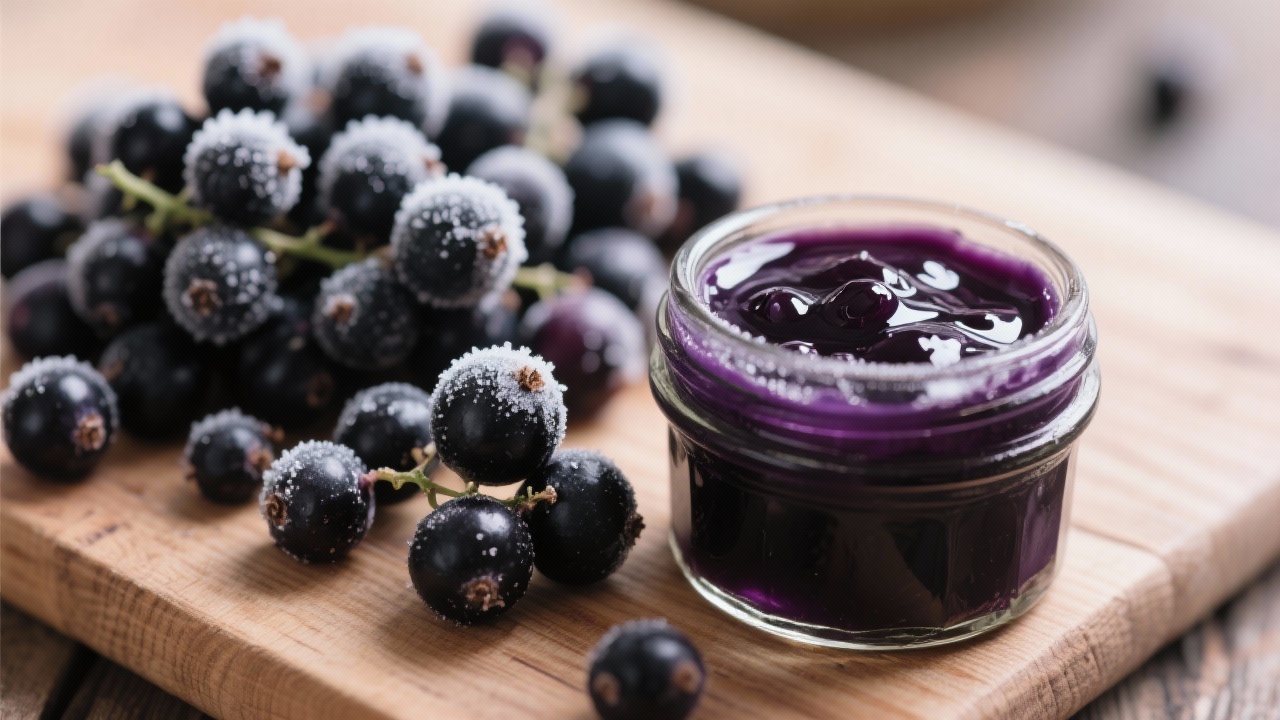
Ready to elevate your frozen blackberry offerings? Let every berry you ship become an asset—not a risk.
Get Certified, Get Competitive — Explore Our Export-Grade Blackberries
 330
|
330
|
 HACCP certification for frozen berries
EU food import regulations
cold chain management in fruit processing
black currant quality control
food safety compliance in frozen foods
48
|
frozen blackberry sourcing guide
organic frozen fruit selection
food processing raw material quality control
HACCP certified frozen berries
triple manual screening standard
75
|
organic certification for frozen berries
halal certification process
frozen fruit export compliance
organic halal dual certification
international frozen fruit market access
205
|
black currant freezing technology
quick freezing nutrient retention
cold chain transportation -18℃
manual sorting for fruit quality
frozen berry processing for food manufacturers
430
|
EU import standards
HACCP certification
frozen blackcurrants
supply chain management
detection process standardization
HACCP certification for frozen berries
EU food import regulations
cold chain management in fruit processing
black currant quality control
food safety compliance in frozen foods
48
|
frozen blackberry sourcing guide
organic frozen fruit selection
food processing raw material quality control
HACCP certified frozen berries
triple manual screening standard
75
|
organic certification for frozen berries
halal certification process
frozen fruit export compliance
organic halal dual certification
international frozen fruit market access
205
|
black currant freezing technology
quick freezing nutrient retention
cold chain transportation -18℃
manual sorting for fruit quality
frozen berry processing for food manufacturers
430
|
EU import standards
HACCP certification
frozen blackcurrants
supply chain management
detection process standardization



.png?x-oss-process=image/resize,h_100,m_lfit/format,webp)
.png?x-oss-process=image/resize,h_100,m_lfit/format,webp)
.png?x-oss-process=image/resize,h_100,m_lfit/format,webp)
 English


