
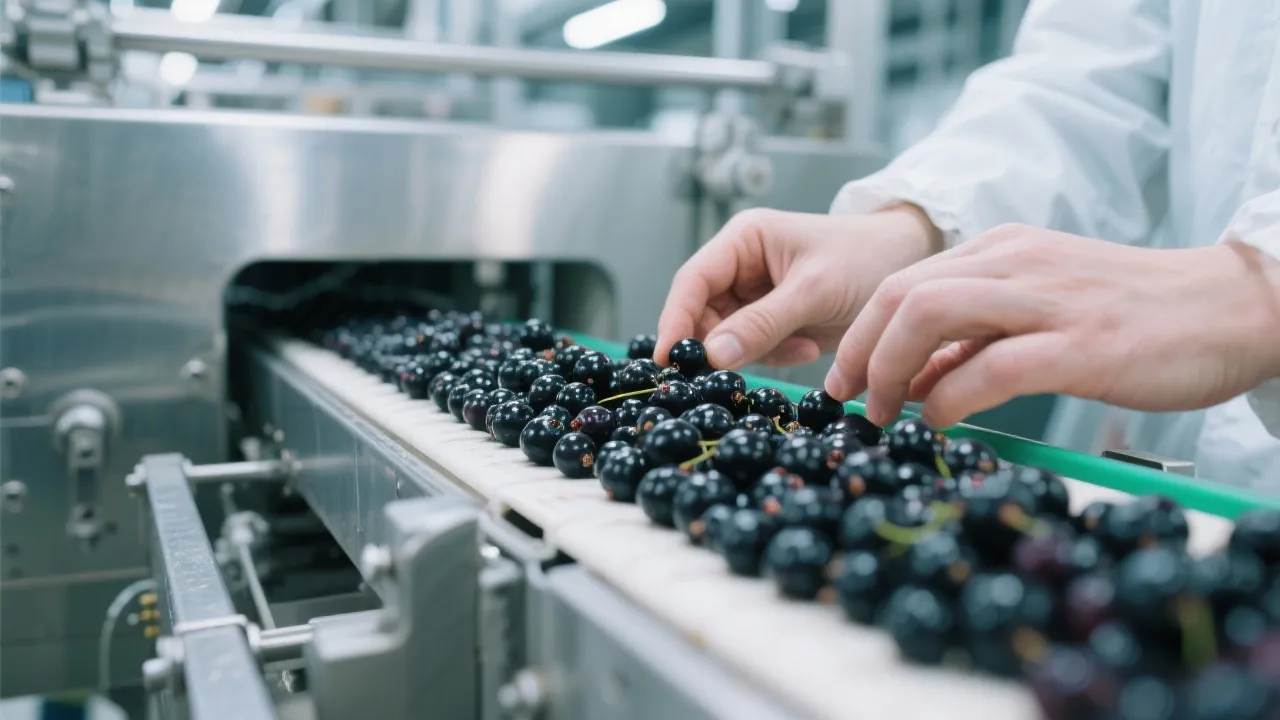
For exporters of frozen berries—especially blackberries—the path to global market access isn’t just about quality—it’s about trust. In today’s competitive B2B landscape, food safety and cultural compliance are no longer optional; they’re non-negotiables. According to the Food and Agriculture Organization (FAO), over 70% of international buyers in Europe and the Middle East now require at least one of these three certifications before considering long-term partnerships.
While HACCP ensures hazard control during processing, and ISO 22000 provides a systematic approach to food safety management, Halal certification addresses religious and ethical requirements—particularly critical for Muslim-majority markets like Saudi Arabia, UAE, and Indonesia. Together, they form a powerful triad that builds buyer confidence across diverse regions.
For example, a leading Chinese frozen berry supplier saw a 40% increase in inbound inquiries from Gulf countries after achieving both organic and Halal certifications. Why? Because importers in those markets can now confidently label their products as “clean,” “safe,” and “culturally compliant”—key drivers in private label and retail procurement decisions.
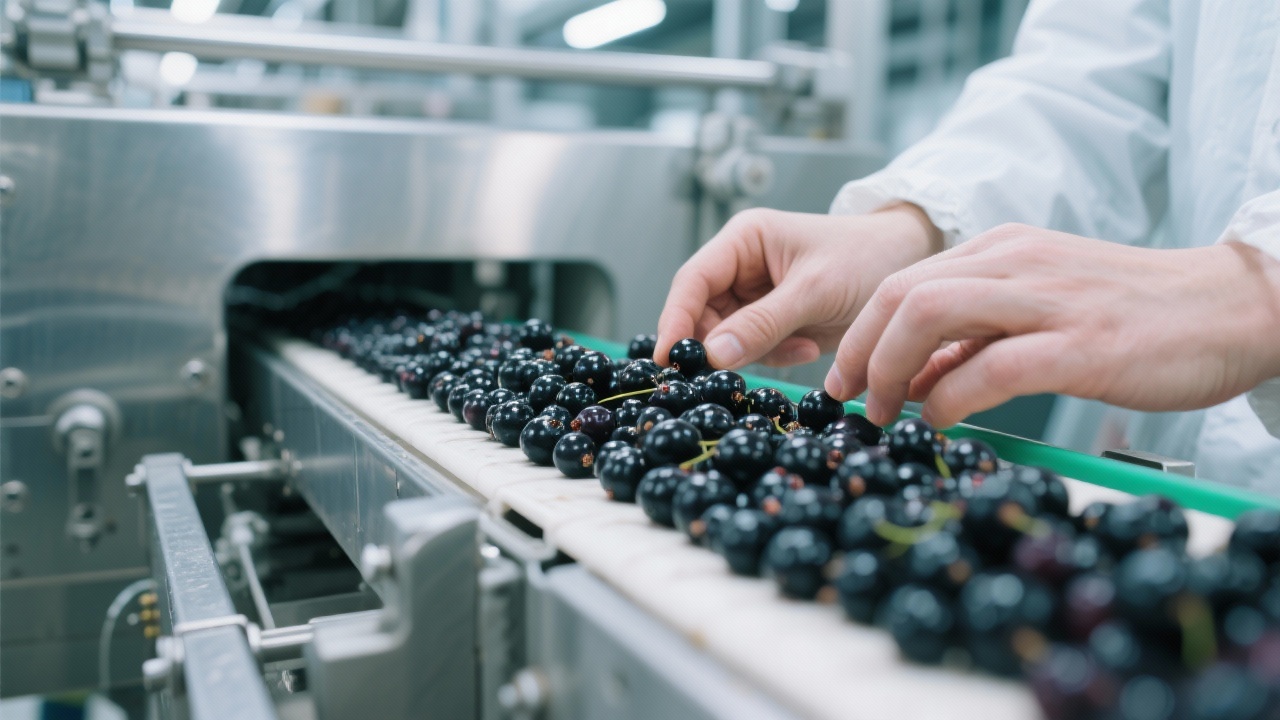
Europe tends to prioritize HACCP and ISO 22000, often with strict documentation on traceability and allergen controls. Meanwhile, Middle Eastern buyers frequently demand Halal verification—not just for ingredients but also for production lines, packaging materials, and even transportation logistics. A recent survey by Euromonitor International found that 68% of foodservice buyers in Dubai would reject a product if it lacked clear Halal proof—even if it met all EU standards.
This means that simply having one certification isn't enough—you must align your entire supply chain. That includes documenting raw material sourcing, avoiding cross-contamination risks, and training staff on religious sensitivity. The good news? Once implemented correctly, these systems become part of your operational DNA—and significantly reduce rejection rates at ports like Jebel Ali or Rotterdam.
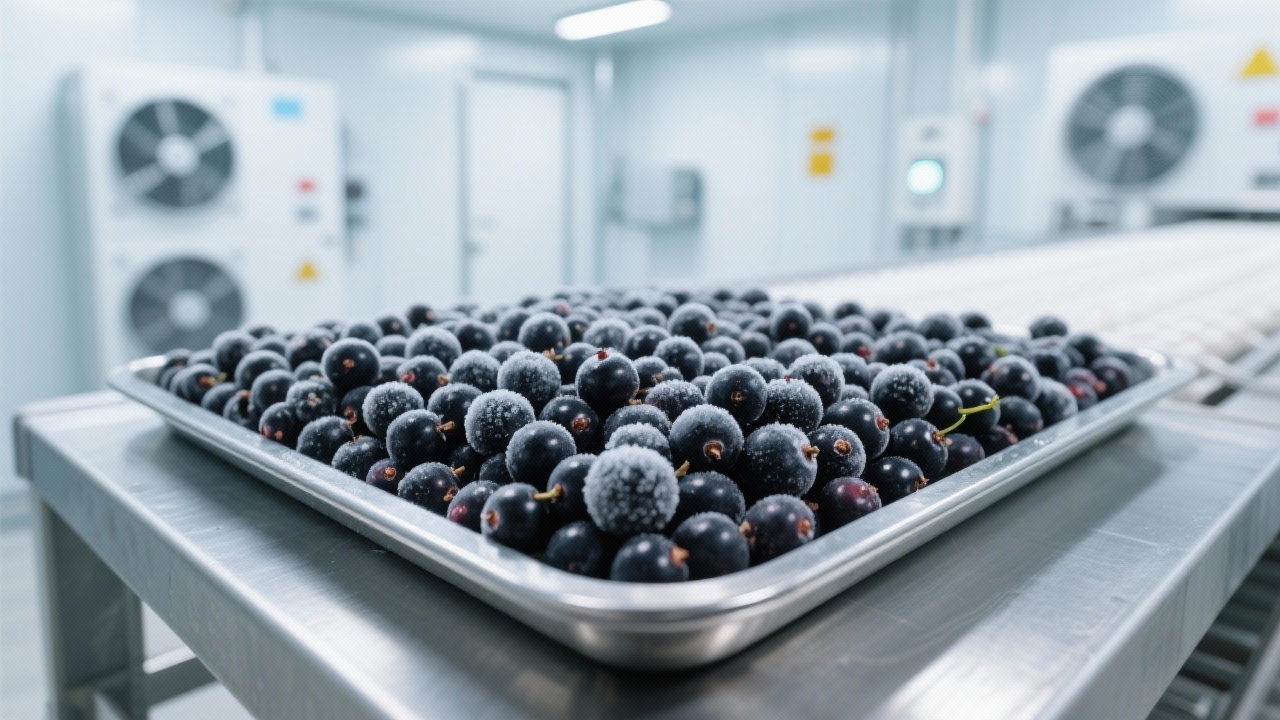
In practice, companies that invest in integrated certification frameworks don’t just meet compliance—they build credibility. One U.S.-based distributor reported that clients were willing to pay up to 15% more for frozen blackberries certified under all three standards, citing reduced risk and faster customs clearance times.
Don’t just list your certifications—tell a story. On your website, use short videos showing your team conducting daily hygiene checks, explain why Halal matters beyond religion (e.g., purity, ethical sourcing), and highlight how ISO 22000 improves consistency across batches.
On LinkedIn, share case studies like this one: “How a small exporter in Yunnan doubled exports to Malaysia within 12 months using targeted content around Halal-certified frozen berries.” Use hashtags like #HalalCertified, #FrozenBerriesExport, and #FoodSafetyFirst to reach niche B2B audiences.
Let our experts guide you through the full certification journey—from preparation to approval—with tailored support for your frozen fruit business.
Get Certified. Get Noticed. Grow Faster.
 380
|
380
|
 Small-batch trial orders
OEM private-label customization
Frozen fruit packaging solutions
Flexible procurement in the food supply chain
Frozen blackcurrant packaging requirements
195
|
frozen blackberry distribution efficiency
custom packaging for organic frozen berries
high-quality frozen fruit supply chain solutions
HACCP certified frozen fruits
international food ingredient sourcing
59
|
Flash frozen blackberries
Nutrient retention in frozen blackberries
Blackberry freezing technology
Food processing raw material selection
Advantages of frozen fruit technology
233
|
small batch trial order
frozen fruit OEM private label
cold chain logistics for frozen fruit
food packaging compliance
flexible frozen fruit procurement
180
|
freeze dried raspberry powder supply chain
-18°C冷链运输标准
cold chain logistics tracking
temperature-controlled food ingredients
B2B raw material sourcing
Small-batch trial orders
OEM private-label customization
Frozen fruit packaging solutions
Flexible procurement in the food supply chain
Frozen blackcurrant packaging requirements
195
|
frozen blackberry distribution efficiency
custom packaging for organic frozen berries
high-quality frozen fruit supply chain solutions
HACCP certified frozen fruits
international food ingredient sourcing
59
|
Flash frozen blackberries
Nutrient retention in frozen blackberries
Blackberry freezing technology
Food processing raw material selection
Advantages of frozen fruit technology
233
|
small batch trial order
frozen fruit OEM private label
cold chain logistics for frozen fruit
food packaging compliance
flexible frozen fruit procurement
180
|
freeze dried raspberry powder supply chain
-18°C冷链运输标准
cold chain logistics tracking
temperature-controlled food ingredients
B2B raw material sourcing



.png?x-oss-process=image/resize,h_100,m_lfit/format,webp)
.png?x-oss-process=image/resize,h_100,m_lfit/format,webp)
.png?x-oss-process=image/resize,h_100,m_lfit/format,webp)
 English


