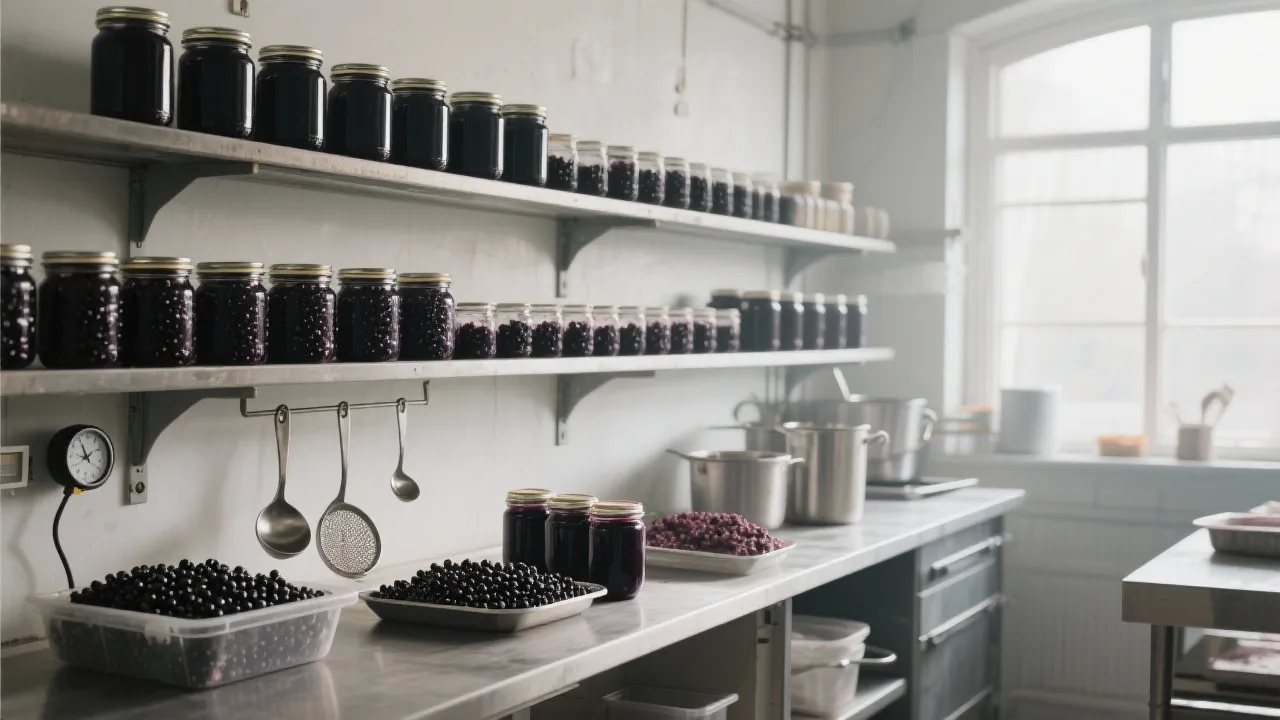
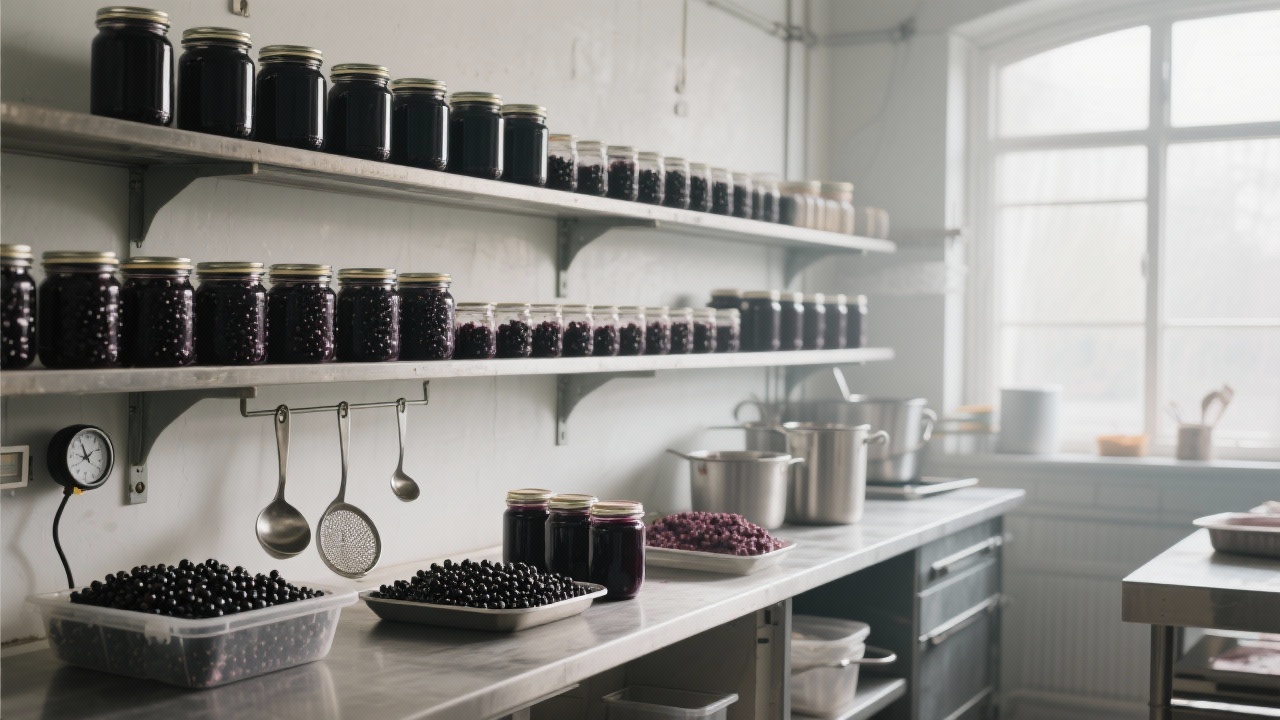
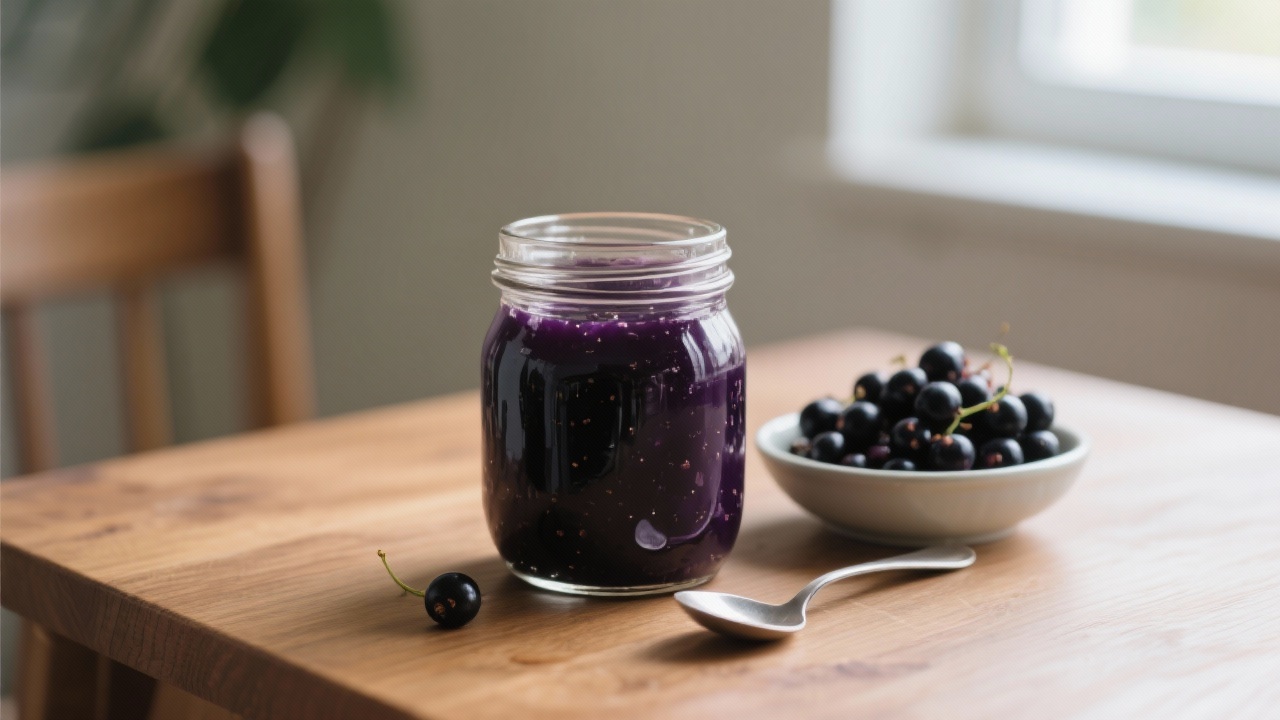
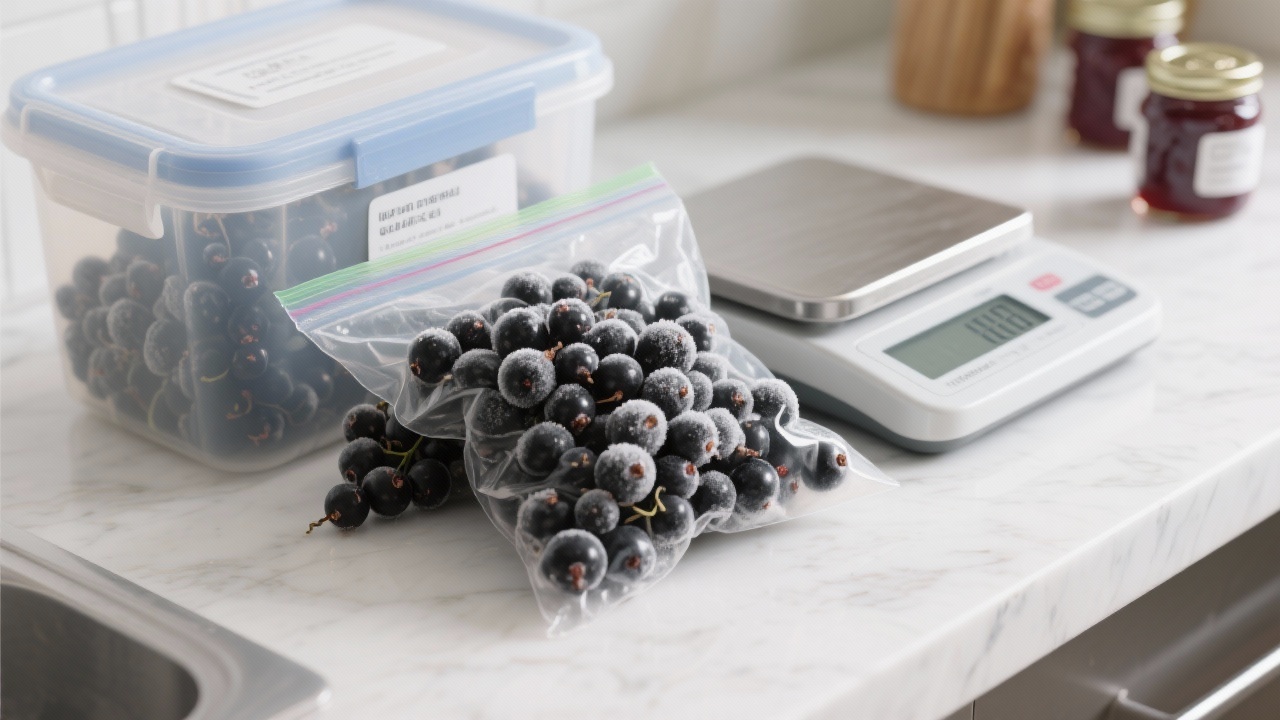
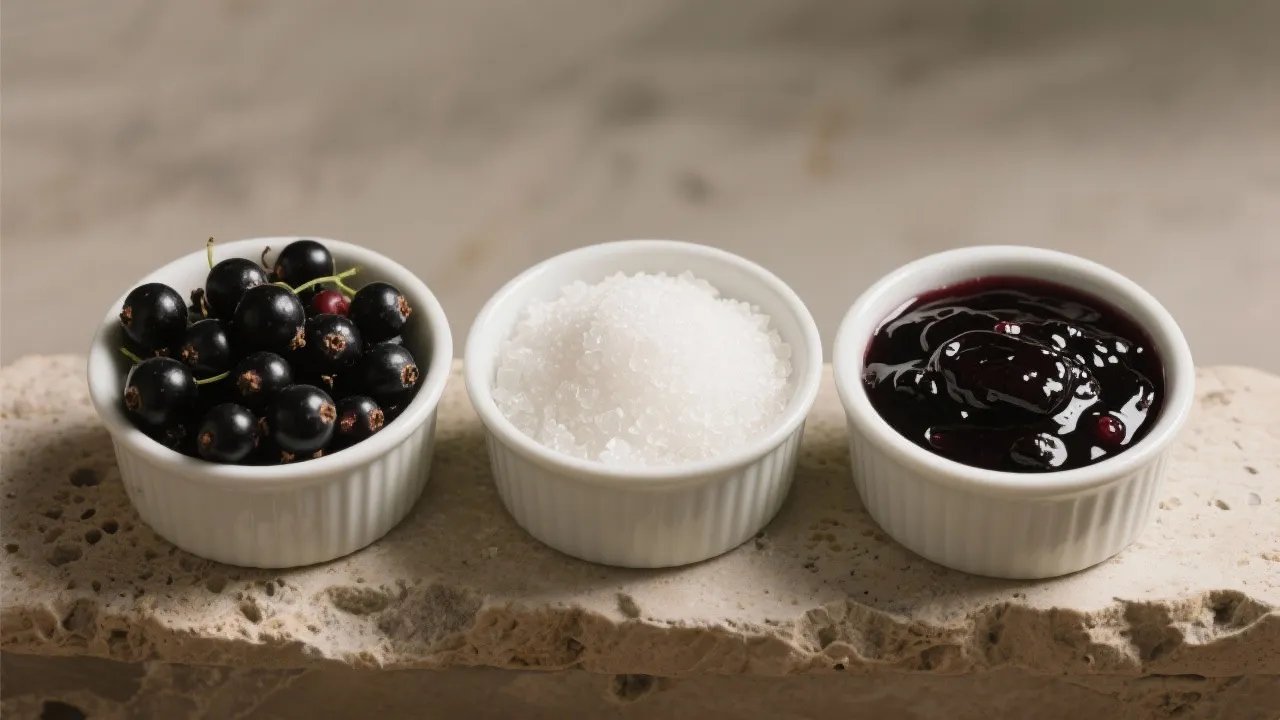
Frozen Blackberries for Smoothies & Milkshakes: 5 Proven Bar Techniques for Better Texture, Color, and Speed
E-BizBridge
2026-02-21
Tutorial Guide
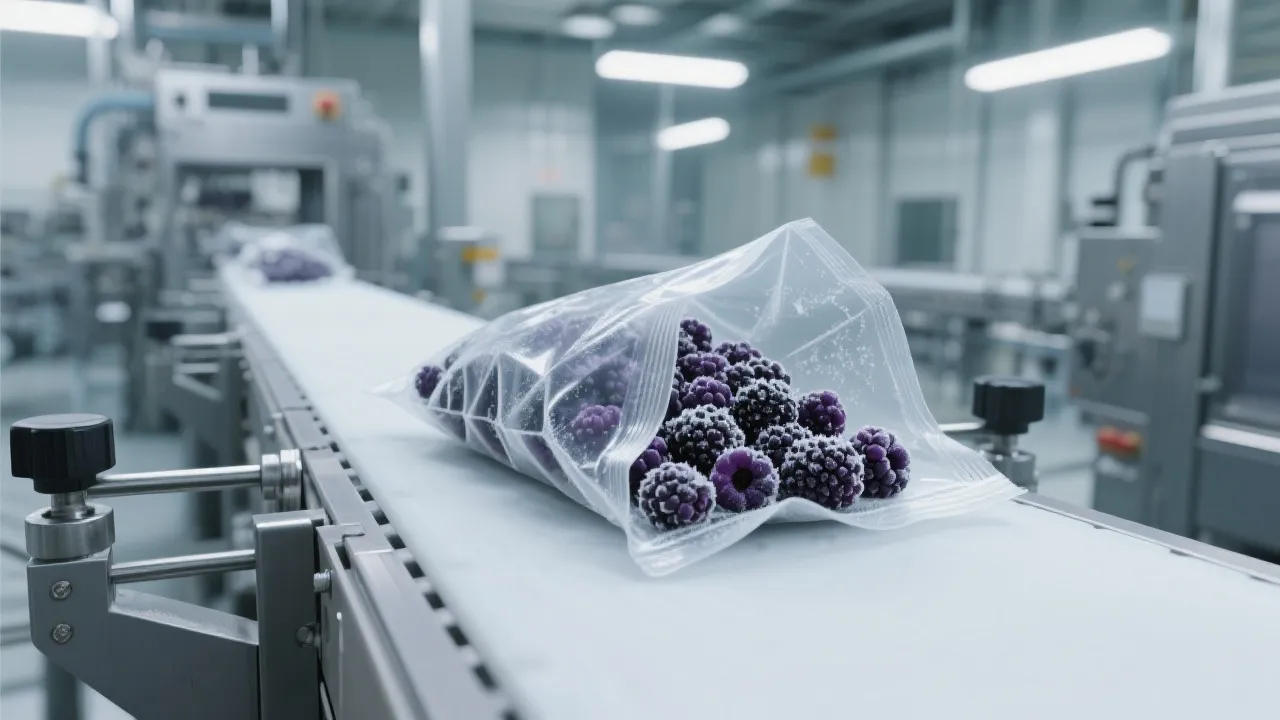
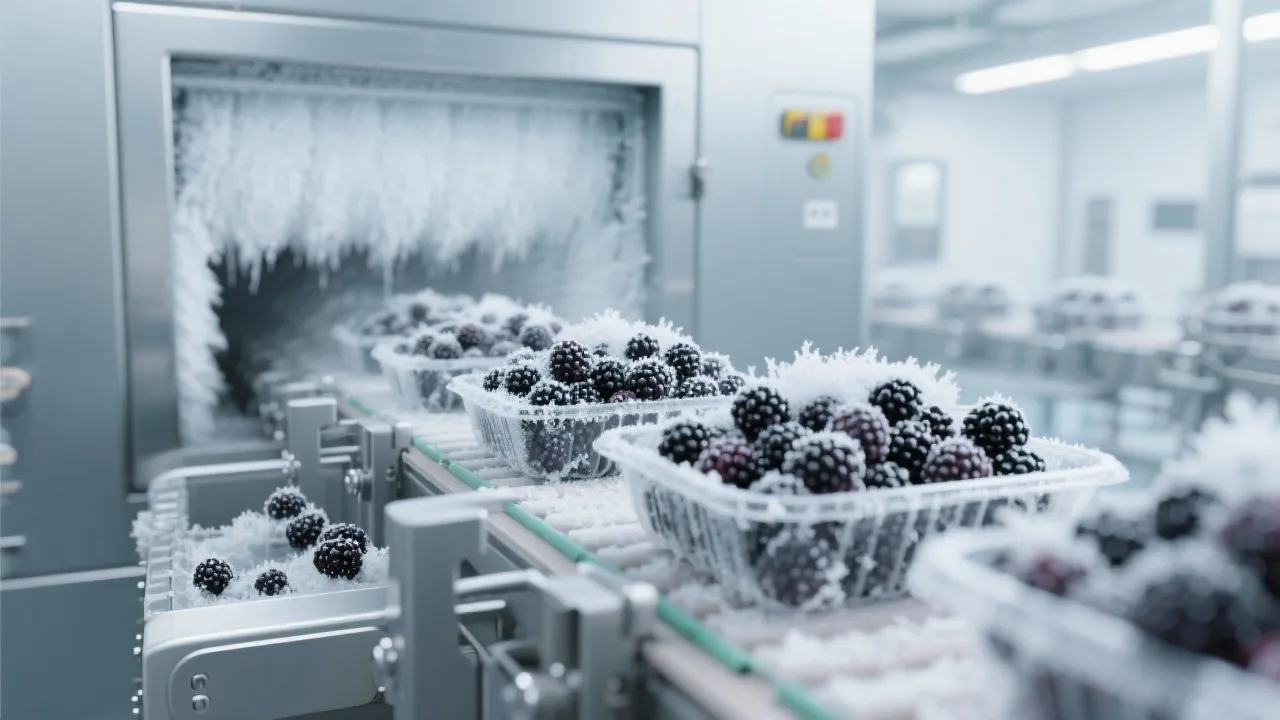
This guide explains how frozen blackberries can be used more efficiently in overseas foodservice—especially in smoothies and milkshakes—to improve mouthfeel, visual impact, and prep speed. It addresses common operational pain points such as thin flavor profiles and inconsistent blending, then presents five bartender-tested methods: blending from frozen (no thaw), layered “rainbow” builds, pairing with coconut milk and yogurt for a creamier body, using blackberry-based garnishes for premium presentation, and cold extraction for stable natural color. Supported by practical parameters (blend time, temperature control) and real-world café and home-use examples, the article offers actionable recipes, production tips, and cross-platform content ideas (infographics, photo steps, and short video demos) to help brands innovate responsibly, strengthen product consistency, and build credibility through quality certifications and after-sales assurance—without relying on price-driven messaging.
Frozen Blackberries in Foodservice: A High-Efficiency Playbook for Better Smoothies & Milkshakes
In overseas foodservice, frozen blackberries are no longer “just a berry option.” Used with the right technique, they can lift mouthfeel, color stability, and prep speed—three factors that directly influence repeat orders in the smoothie and milkshake category. This guide focuses on practical, bartender-tested methods that help operators and beverage developers build more competitive drinks without overcomplicating the line.
SEO: frozen blackberriesSEO: smoothie making tipsSEO: milkshake recipeSEO: drink innovationSEO: natural color extraction
Why Frozen Blackberries Fit Modern Beverage Menus
Foodservice teams often face the same two obstacles when scaling berry drinks: thin flavor (sweet but not memorable) and slow production (thawing, draining, inconsistent Brix). Frozen blackberries help solve both, because they are processed at peak ripeness and stored at stable low temperatures—supporting repeatable results across shifts.
On the consumer side, berry-forward drinks are pulled by a “better-for-you” halo. In 2023–2024 menu trend roundups across North America and Europe, berries continued to appear as top-performing smoothie ingredients, and blackberries benefit from a premium perception thanks to their deep color and “wild fruit” associations. Nutritionally, blackberries are also recognized for being rich in dietary fiber and polyphenols; as a reference, raw blackberries typically provide ~5 g fiber per 100 g and are a known source of anthocyanins, the pigments responsible for purple-black hues.
The 5 Pro Methods: Make Frozen Blackberries Work Harder
The techniques below are designed for overseas cafés, juice bars, QSR beverage stations, and hotel breakfast bars. Each method includes a “why it works” note and realistic parameters you can test immediately. Results will vary by blender power, ice type, and base viscosity—so keep a small log for the first week.
1) No-thaw blending for speed and thickness (the “zero-wait” build)
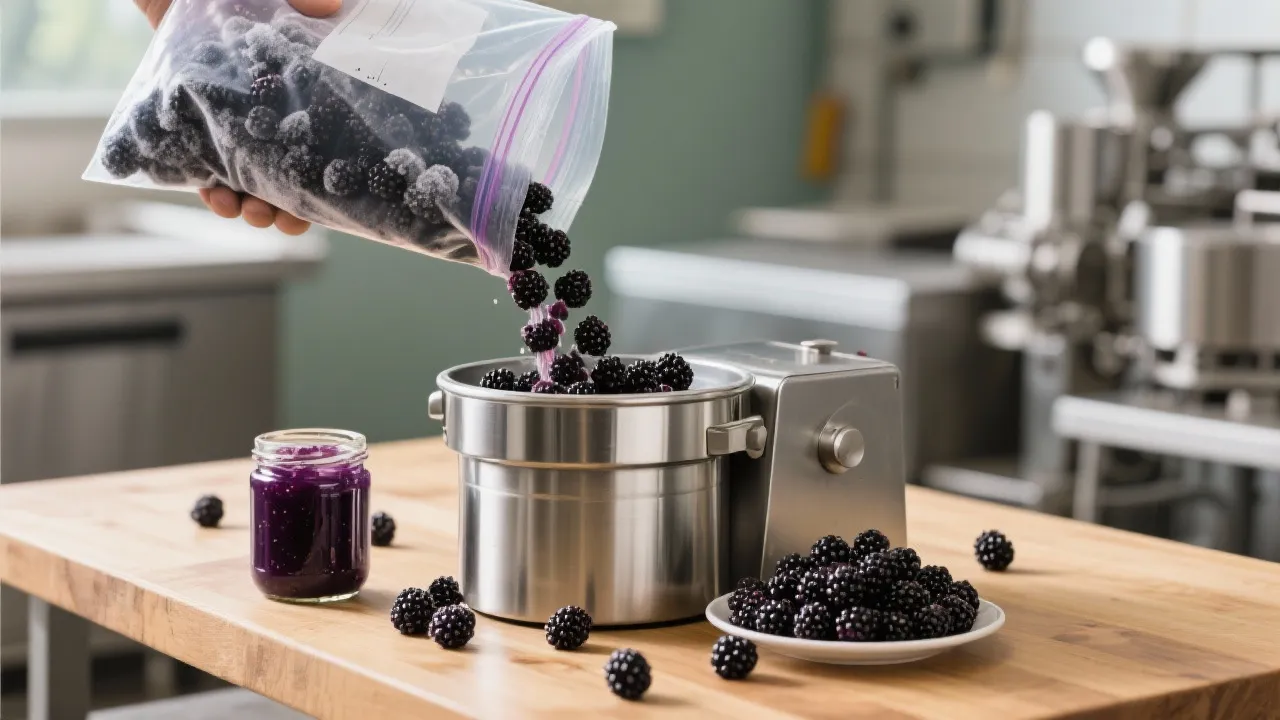
For many operators, the fastest win is to stop thawing. No-thaw blending keeps the berry’s water locked as ice crystals during the first seconds of blending, helping create a thicker mouthfeel with less added ice.
Recommended berry ratio: 80–120 g frozen blackberries per 400–500 ml total beverage volume.
Blend parameters (reference): 20–35 seconds on high power; pulse first 2–3 times to prevent cavitation.
Temperature target: serve at -1°C to 3°C for smoothies; slightly warmer for milkshakes to protect dairy texture.
Why it works: less free water early on means less “watery tail” after 3–5 minutes on the counter—especially important for delivery and takeaway.
2) Layered rainbow build to increase perceived value (without extra SKU)
“Layering” is a visual technique that raises perceived craftsmanship. With frozen blackberries, the deep purple layer reads premium and contrasts well against mango, banana, or coconut bases.
Texture rule: make the blackberry layer slightly thicker than the base (add 1–2% chia or a small banana piece).
Pour rule: pour slowly over the back of a spoon to prevent mixing.
Hold time: best visual separation within the first 8–12 minutes after build (use for dine-in, social posts, and “first sip” moments).
Why it works: color contrast increases attention and sharing; brands commonly see higher photo-taking behavior on visually stacked drinks compared with single-tone blends.
3) Coconut milk + yogurt pairing for “creamy but clean” mouthfeel
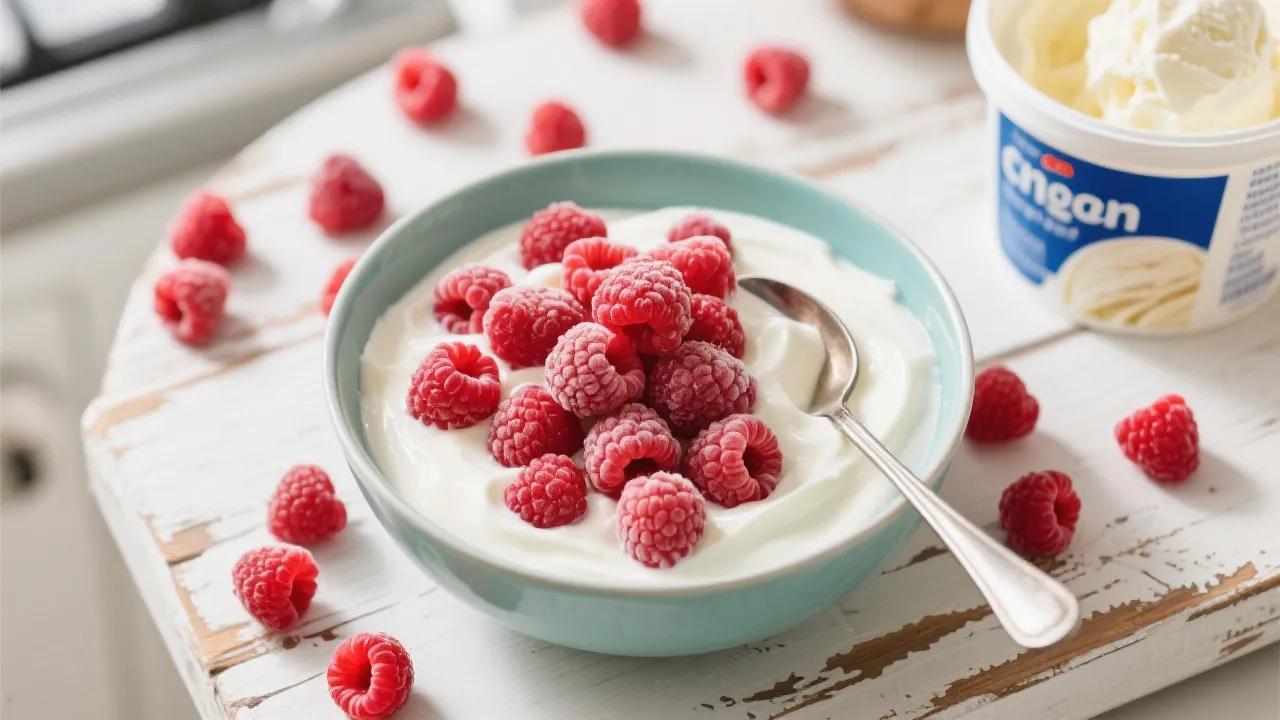
Blackberries bring acidity and tannin-like structure; that’s a gift when you have the right fat and protein to carry it. A blend of coconut milk and yogurt can build body while keeping a lighter, modern finish.
Base option
What it adds
Best use case
Coconut milk (full-fat)
Silky texture, aroma lift
Milkshake-style “treat” drinks without heavy dairy notes
Greek-style yogurt
Protein body, gentle tang
Breakfast smoothies, high-satiety positioning
Coconut milk + yogurt (70/30)
Balanced creaminess + freshness
Signature drinks that must appeal to broad audiences
Reference formulation (500 ml): 100 g frozen blackberries + 220 ml coconut milk + 80 g yogurt + 10–15 ml lemon (optional) + sweetener to spec. Keep sweetness modest to let berry aromatics stay present.
4) Garnish and finishing: turn one blend into three menu items
In beverage retail, finishing is often the difference between “good” and “worth recommending.” With frozen blackberries, finishing can be clean-label and functional rather than decorative for decoration’s sake.
Quick berry crown: rinse 2–3 frozen berries for 3–5 seconds, pat dry, place on top—keeps shape and signals “real fruit.”
Texture contrast: granola dust, toasted coconut, or cocoa nibs add crunch and reduce “one-note” sipping.
Aroma lift: a micro-squeeze of citrus peel or a mint leaf works well with blackberry’s dark-fruit profile.
Why it works: a consistent finishing system simplifies staff training and creates a recognizable visual identity across locations.
5) Low-temperature natural color extraction (for sauces, swirls, and foam)
One of the most underrated applications of frozen blackberries is creating a natural, deep-purple component for visual swirls or signature “ink” lines inside the cup. Low-temperature extraction helps keep the color vivid while preserving fresh berry notes.
Method: mix 200 g frozen blackberries with 20–30 g water; hold at 4–8°C for 6–10 hours in a covered container; strain through fine mesh.
Stabilize (optional): add 0.2–0.3% citrus juice for brightness; keep pH slightly acidic to support anthocyanin color.
Usage: 10–20 ml per cup as a swirl, or blend into foam/yogurt topping for a two-tone finish.
Why it works: a separate berry “color layer” boosts consistency and speeds service during rush—staff can assemble signature looks in seconds.
Performance Benchmarks: What to Measure in Week 1
To make drink innovation repeatable, operators should track a few simple metrics. A realistic goal is to improve speed and reduce remakes while keeping flavor consistent.
Suggested KPI table (practical references)
KPI
Target range (reference)
Why it matters
Build time per drink
45–75 seconds
Queue control during peak hours
Remake rate
< 2%
Consistency and training effectiveness
Hold quality (taste + thickness)
Acceptable after 10 minutes
Takeaway and delivery satisfaction
Color stability
Minimal browning in 15 minutes
Visual appeal and social sharing
Mini case: café rollout with a “blackberry coconut shake”
A mid-size beverage bar in Western Europe tested a new milkshake recipe built around frozen blackberries and coconut milk. The team replaced a thawed-berry workflow with no-thaw blending and prepped a low-temperature blackberry swirl overnight. Over two weeks, staff reported a noticeable reduction in peak-time bottlenecks, and the drink became one of the most photographed items on their social channels—primarily because the swirl gave every cup a consistent signature look. Customer comments repeatedly mentioned “real berry taste” and “not overly sweet,” which helped position the drink as indulgent yet balanced.
For international foodservice buyers and distributors, “quality” is proven through documentation and repeatability. When sourcing frozen blackberries, many professional buyers prioritize clear batch traceability, stable cold-chain handling, and credible food safety systems.
Food safety systems: suppliers commonly provide HACCP-based management; many facilities also align with GFSI-recognized standards (where applicable).
Specification clarity: size grading, moisture/ice glazing guidance, foreign matter control, and microbiological parameters should be documented.
After-sales support: reliable suppliers help troubleshoot texture issues (ice/dilution), advise on storage (-18°C recommended), and provide recipe guidance for new launches.
Short video demo (for staff training)
A 45–60 second clip format works well: no-thaw blending → layering pour → swirl finish. For convenience, place your training link here: Watch the step-by-step smoothie workflow
A Practical Starting Menu: 3 Drinks Built on One Berry Base
For rapid testing, build three beverages around the same frozen blackberry core. This keeps inventory tight while letting the menu look “new.”
Blackberry Oat Smoothie (clean energy)
Frozen blackberries + oat base + banana for body. Keep added sweetener minimal; let berry aroma lead. This aligns with “breakfast smoothie” demand and travels well.
Coconut Blackberry Milkshake (creamy but bright)
Coconut milk + yogurt pairing with a blackberry swirl. The result is creamy without feeling heavy, with a purple finish that reads premium in takeaway cups.
Blackberry “Sunset” Layer (photo-first signature)
Mango or pineapple base + thicker blackberry top layer. The layered contrast supports seasonal campaigns and encourages customers to share “first sip” videos.
CTA: Upgrade Your Smoothie Line with Certified Frozen Blackberries
If your team needs consistent color, strong berry aroma, and faster service builds, the right frozen blackberries make the difference. Request product specs, documentation, and application guidance for your market—so your new drinks launch with confidence and stay consistent across every shift.
Typical support includes: traceability files, food safety certifications (as applicable), storage guidance, and recipe templates for smoothies and milkshakes.
2026-01-14|208|Halal certified frozen fruit frozen blackberry export to Middle East organic and Halal certification halal food market entry frozen fruit international standards


.png?x-oss-process=image/resize,h_100,m_lfit/format,webp)
.png?x-oss-process=image/resize,h_100,m_lfit/format,webp)
.png?x-oss-process=image/resize,h_100,m_lfit/format,webp)
 English