.png?x-oss-process=image/resize,h_100,m_lfit/format,webp)
.png?x-oss-process=image/resize,h_100,m_lfit/format,webp)
.png?x-oss-process=image/resize,h_100,m_lfit/format,webp)
 English
A) Coconut Velvet Blackberry Smoothie
- Frozen blackberries: 150 g
- Coconut milk (barista or regular): 200 ml
- Banana (optional, frozen slices): 40–60 g
- Lime juice: 3–5 ml
- Sweetener: to target 10–12° Brix (reference range for many fruit smoothies)
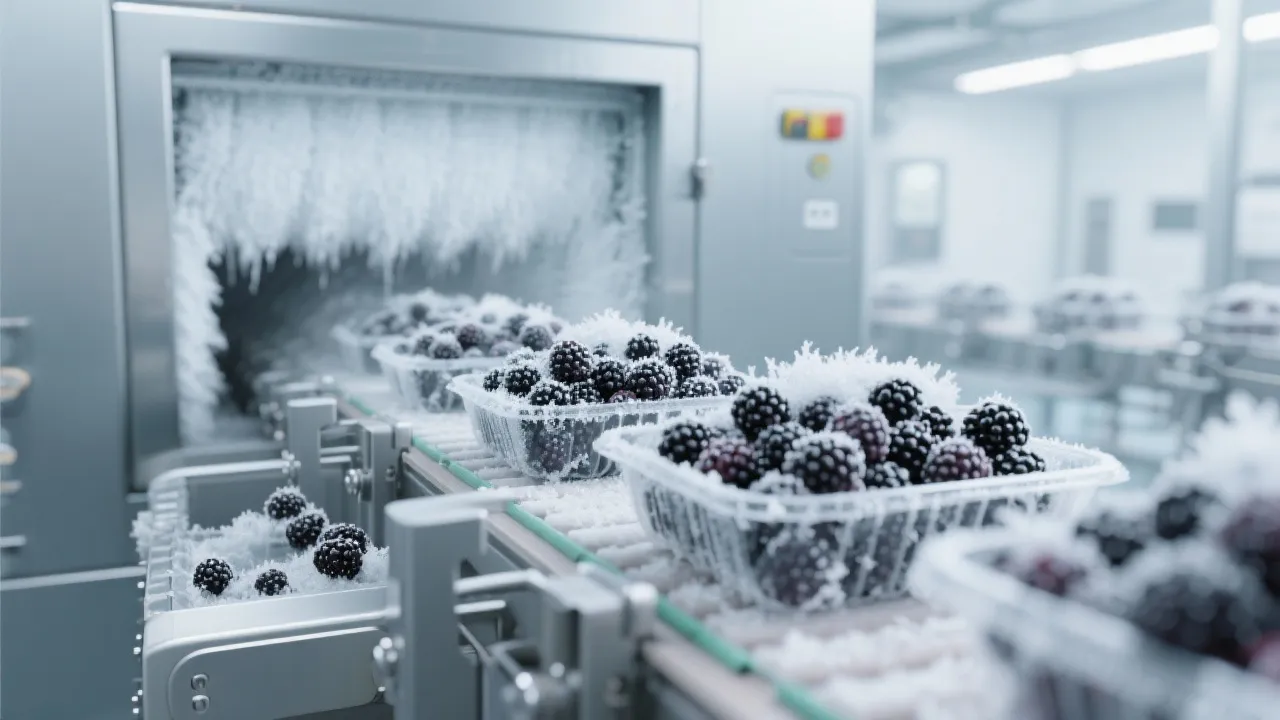
In cafés and beverage labs alike, frozen blackberries have quietly become a high-performing ingredient: stable year-round, visually striking, and naturally flavor-forward. Yet many operators still struggle with three repeating issues—watery texture, dull purple color, and slow production during peak hours. This tutorial lays out five practical techniques that help beverage entrepreneurs, coffee shop owners, and drink creators use frozen blackberries more efficiently—without sacrificing premium sensory quality.
Premium cold drinks are judged fast: mouthfeel in the first sip, color within the first second, and aroma before the straw even touches the lips. Frozen blackberries help on all three—if handled correctly.
| Performance Factor | What Buyers Notice | Practical Benchmark (Reference) |
|---|---|---|
| Natural color density (anthocyanins) | Deep purple/black glow instead of “grey” | pH-sensitive; richest tone often shows around pH 3.0–3.6 |
| Seed & pulp texture | “Luxury thickness” vs gritty finish | Blend time typically 20–35 seconds for café blenders (single serve) |
| Frozen structure | Faster build, less ice dilution | Replacing 30–60% of ice with frozen berries often improves flavor intensity |
The goal isn’t “just blend berries.” It’s to use frozen blackberries as a texture tool, a color system, and a speed lever—especially when lines get long.
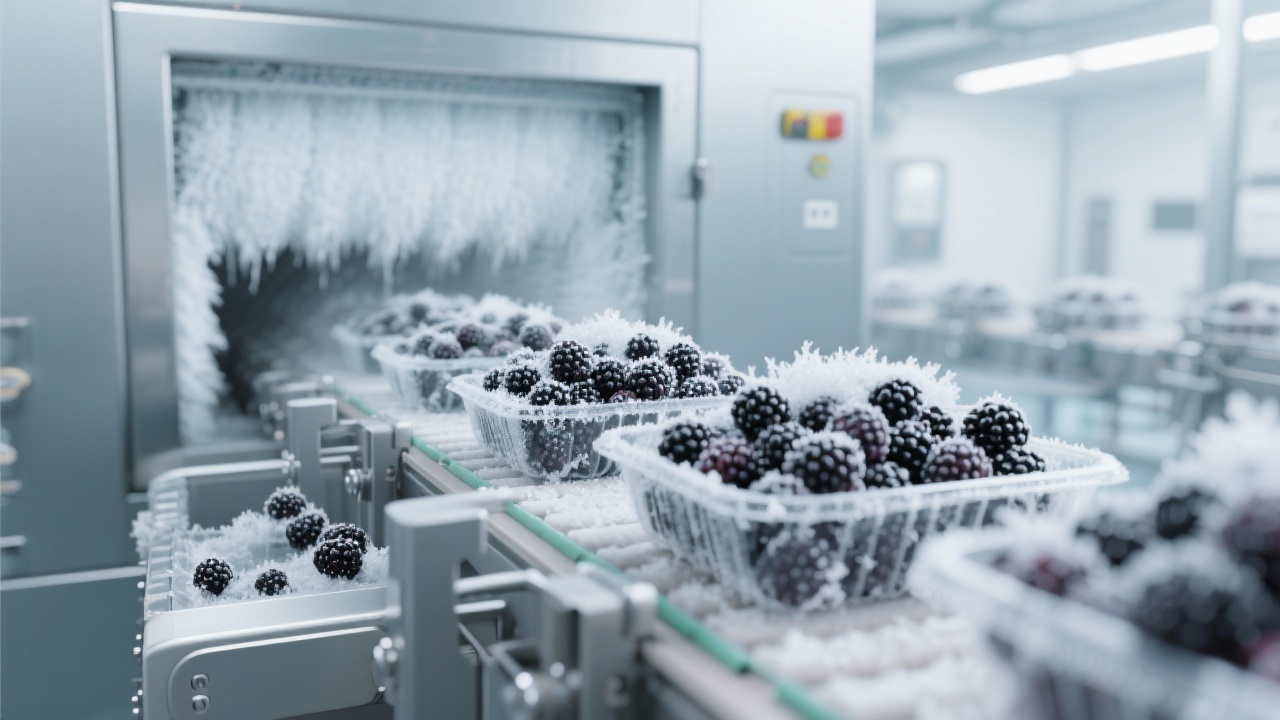
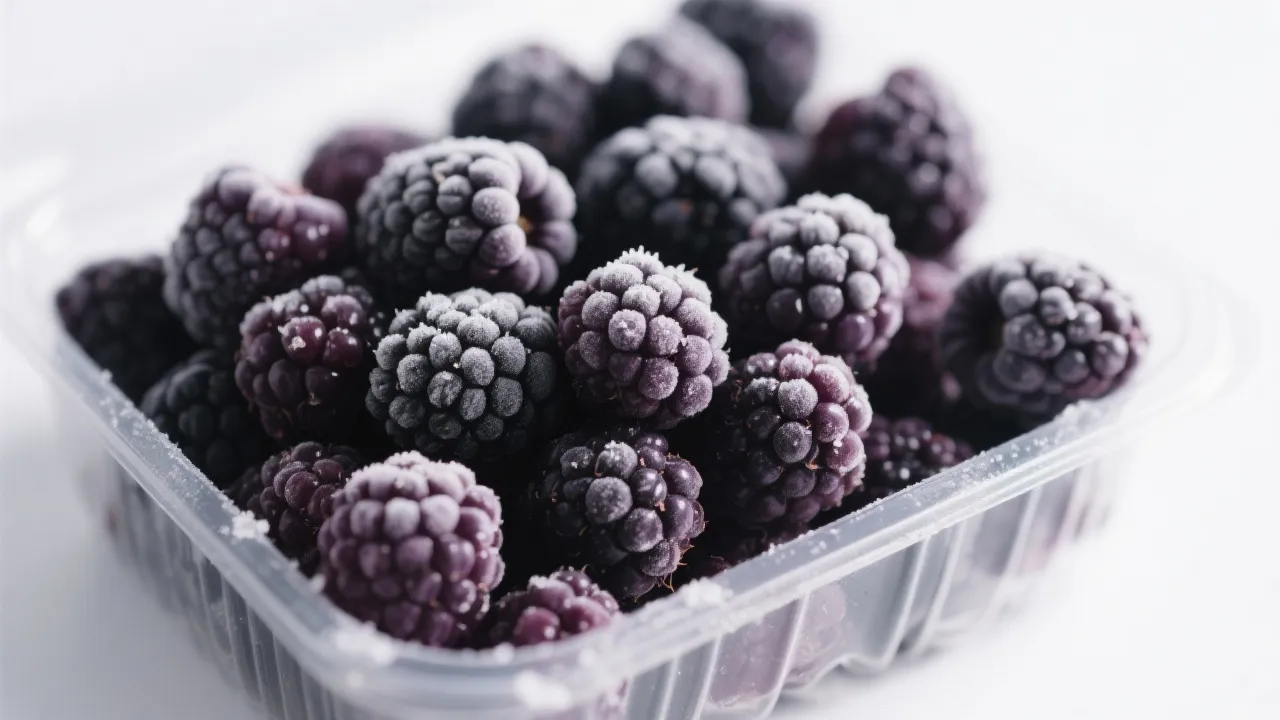
Thawing is where many blackberry drinks lose their premium feel. Once thawed, cell walls break down and release water quickly, which often forces operators to add more ice—then flavor gets weaker. Using frozen blackberries directly reduces dilution and improves throughput.
Layering isn’t only visual; it’s a profit driver when customers post it. The challenge is separation: layers bleed when viscosity is too low or the drink is too warm. Frozen blackberries help create a dense, slow-moving base that supports clean separation.
Viscosity hack: Add 0.15–0.25% citrus fiber or 0.10–0.20% pectin (by total beverage weight) to stabilize layers without making it gummy.
Service hack: Chill cups in the freezer for 3–5 minutes. Cold walls slow bleeding and buy you a longer “photo window.”
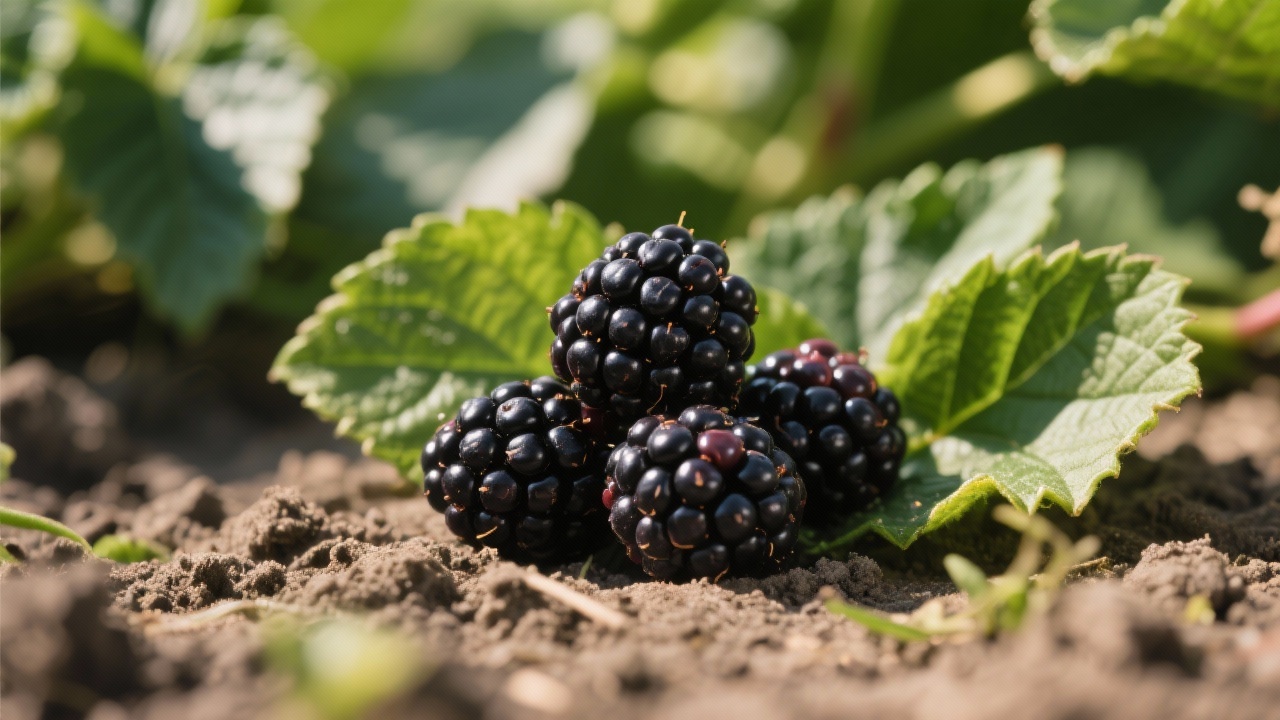
Blackberry flavor can lean sharp, especially when paired with straight water or low-fat milk. Coconut milk and yogurt reshape perception: fat carries aroma, protein adds structure, and gentle acidity helps the berry feel brighter rather than harsh.
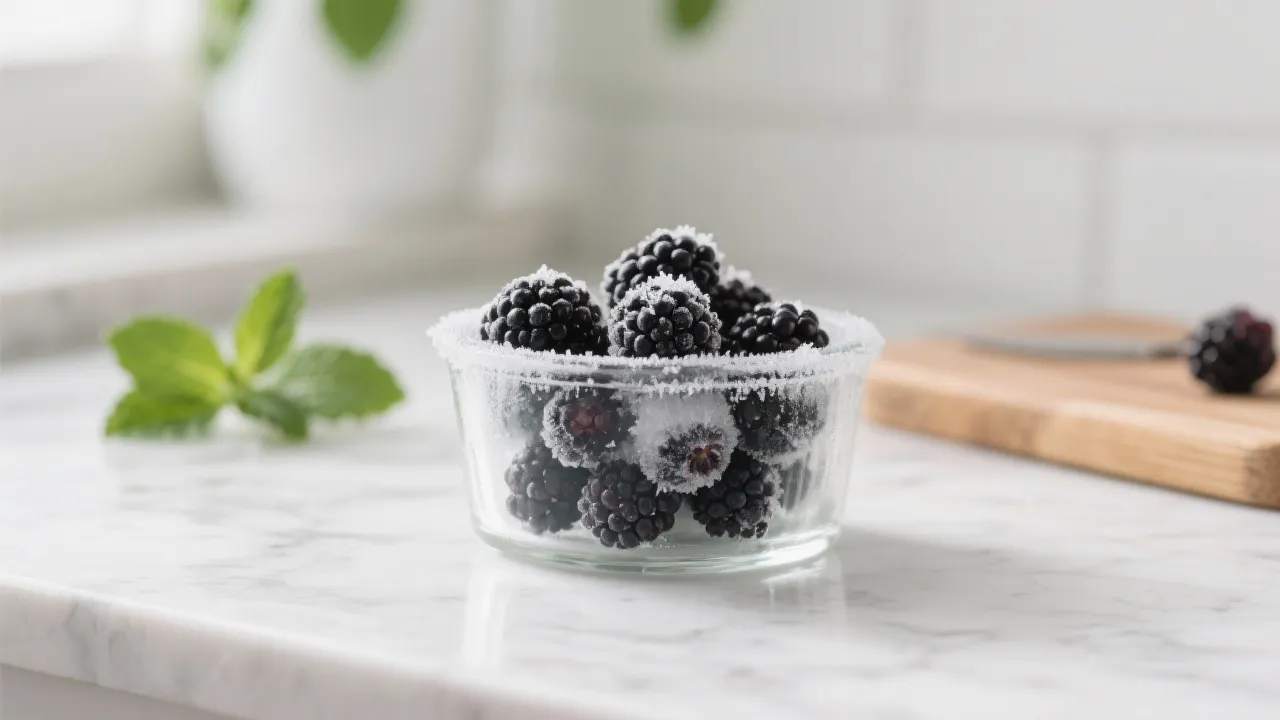
In premium cold drinks, garnishing is a conversion tool: it signals care, makes the color look deeper, and gives customers a reason to share. The key is to keep it consistent, fast, and food-safe under service conditions.
Service detail that matters: If garnish prep takes more than 6–8 seconds per drink in peak hours, it often gets skipped. Build a “garnish station” with pre-portioned cups so the premium look stays consistent across staff.
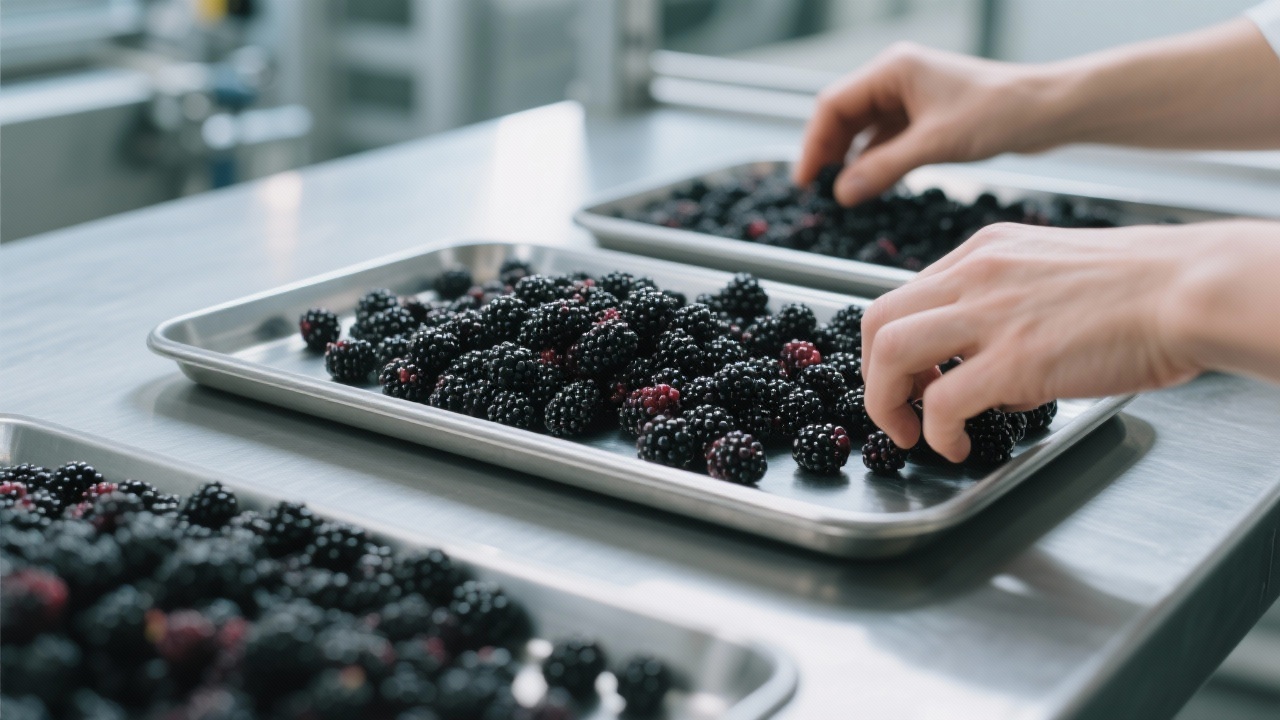
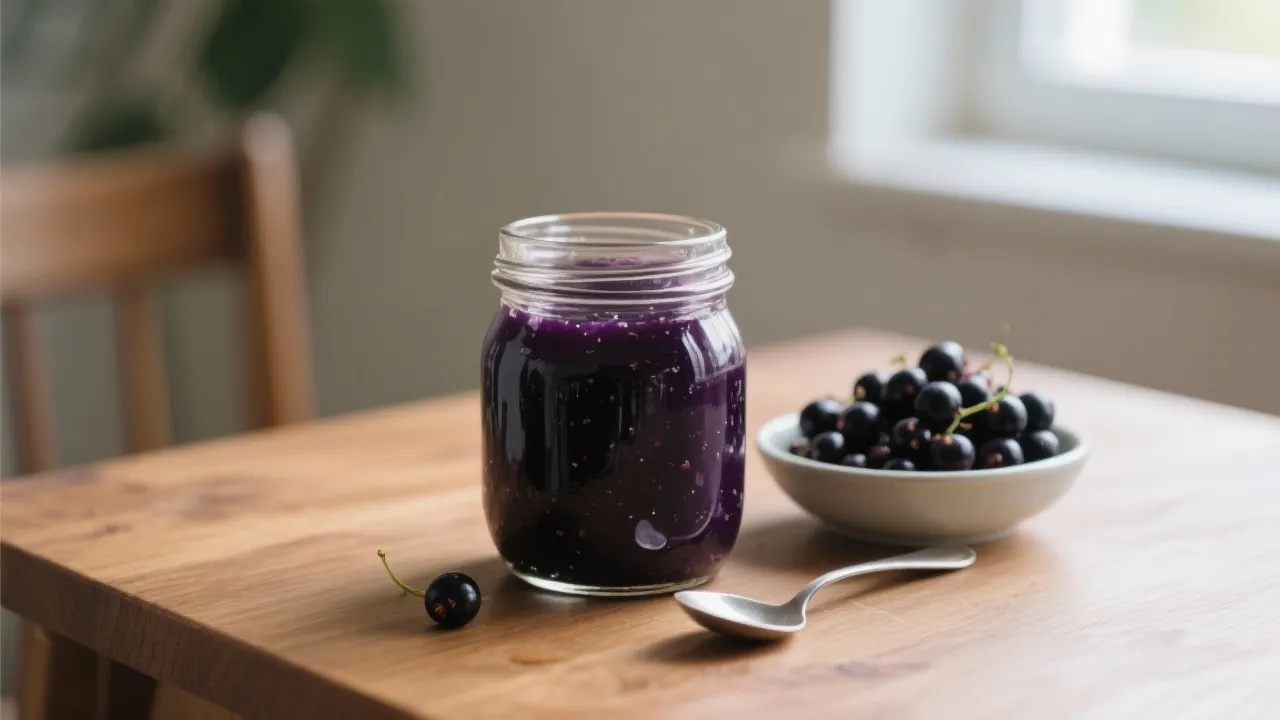
Some brands want the color impact of blackberry without adding too much fiber, seed texture, or acidity. A low-temperature extraction creates a natural blackberry “color shot” you can use to tint milkshakes, layered drinks, and signature foam—while keeping flavor clean.
| Problem | Likely Cause | Fast Fix (Operational) |
|---|---|---|
| Smoothie turns watery after 5 minutes | Too much ice / thawed berries / low solids | Use frozen berries directly; reduce ice 30–50%; add yogurt or banana for body |
| Purple looks grey or weak | pH drift; dairy dilution; oxidation | Add a small acid touch (lemon/lime 2–5 ml); keep blend time controlled; use color concentrate |
| Gritty finish | Seeds/pulp not fully integrated | Increase blend time slightly; use higher-power blender; strain a portion or use concentrate for color |
| Taste feels “flat” | Low aroma carry; sweetness imbalance | Switch to coconut milk or yogurt base; target 10–12° Brix; add vanilla or a pinch of salt to round |
Readers can turn this into a mini R&D sprint. In the comments, ask them to include three numbers so comparisons are meaningful: frozen blackberry grams, base type (water/coconut/yogurt), and blend time.
Comment prompt: What was your biggest improvement—thickness, color, or speed? Post your recipe ratio so others can try it.
Quick vote: Which technique upgraded your drinks most? (1) No-thaw blending (2) Layering (3) Coconut/yogurt pairing (4) Garnish system (5) Cold color shot
For teams that need consistency, a one-page cheat sheet helps standardize grams, seconds, and layer order—especially when training new staff or launching seasonal drinks.
Inside the PDF: direct-from-freezer ratios, 3-layer build guide, coconut/yogurt pairing formulas, garnish station checklist, and cold extraction steps for natural color.
If a recipe from this guide improves your smoothie or milkshake menu, invite your customers to share a photo and tag your shop—layered blackberry drinks are naturally social, and the story travels fast when the color is right.

 409
|
409
|
 Flash-frozen blackberries
Stability of frozen blackberries
Preservation of baking ingredients
Retention of blackberry nutrients
Food freezing technology
102
|
freeze-dried red raspberry powder
anthocyanin stability
bioavailability enhancement
functional food formulation
tablet confectionery additives
416
|
frozen blackberry packaging solutions
custom packaging for frozen berries
sustainable fruit packaging
organic frozen blackberry packaging
functional food packaging design
304
|
Whole fruit freeze-dried red raspberry powder
High-end nutritional supplement raw materials
Triple manual screening
Functional food raw materials
Dietary supplement raw materials
39
|
Frozen blackcurrant EU standards
HACCP certification supply chain
Frozen fruit quality control
European market food safety
Blackcurrant custom packaging
Flash-frozen blackberries
Stability of frozen blackberries
Preservation of baking ingredients
Retention of blackberry nutrients
Food freezing technology
102
|
freeze-dried red raspberry powder
anthocyanin stability
bioavailability enhancement
functional food formulation
tablet confectionery additives
416
|
frozen blackberry packaging solutions
custom packaging for frozen berries
sustainable fruit packaging
organic frozen blackberry packaging
functional food packaging design
304
|
Whole fruit freeze-dried red raspberry powder
High-end nutritional supplement raw materials
Triple manual screening
Functional food raw materials
Dietary supplement raw materials
39
|
Frozen blackcurrant EU standards
HACCP certification supply chain
Frozen fruit quality control
European market food safety
Blackcurrant custom packaging