
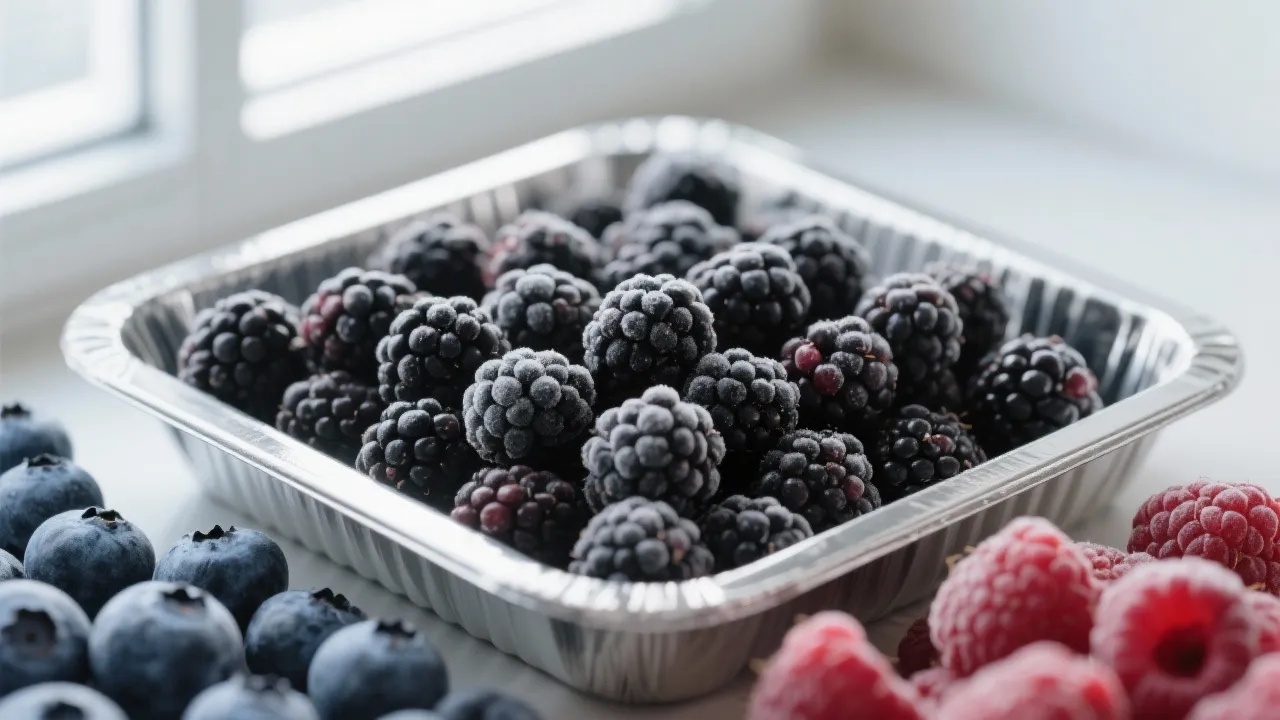
In the ever-evolving landscape of health-conscious consumers across Europe and North America, functional foods have emerged as a pivotal category, with an expected compound annual growth rate (CAGR) of over 8% through 2028 according to industry forecasts. Among these, frozen blackberries stand out as an ingredient of strategic importance, combining potent antioxidant properties, a low glycemic index, and rigorous compliance with international safety certifications like HACCP and GlobalGAP. This article offers an in-depth analysis of how frozen blackberries are catalyzing innovation in fitness meals, meal replacement shakes, and pediatric nutrition, while addressing supply chain efficiencies and market opportunities for food manufacturers and health-driven consumers.
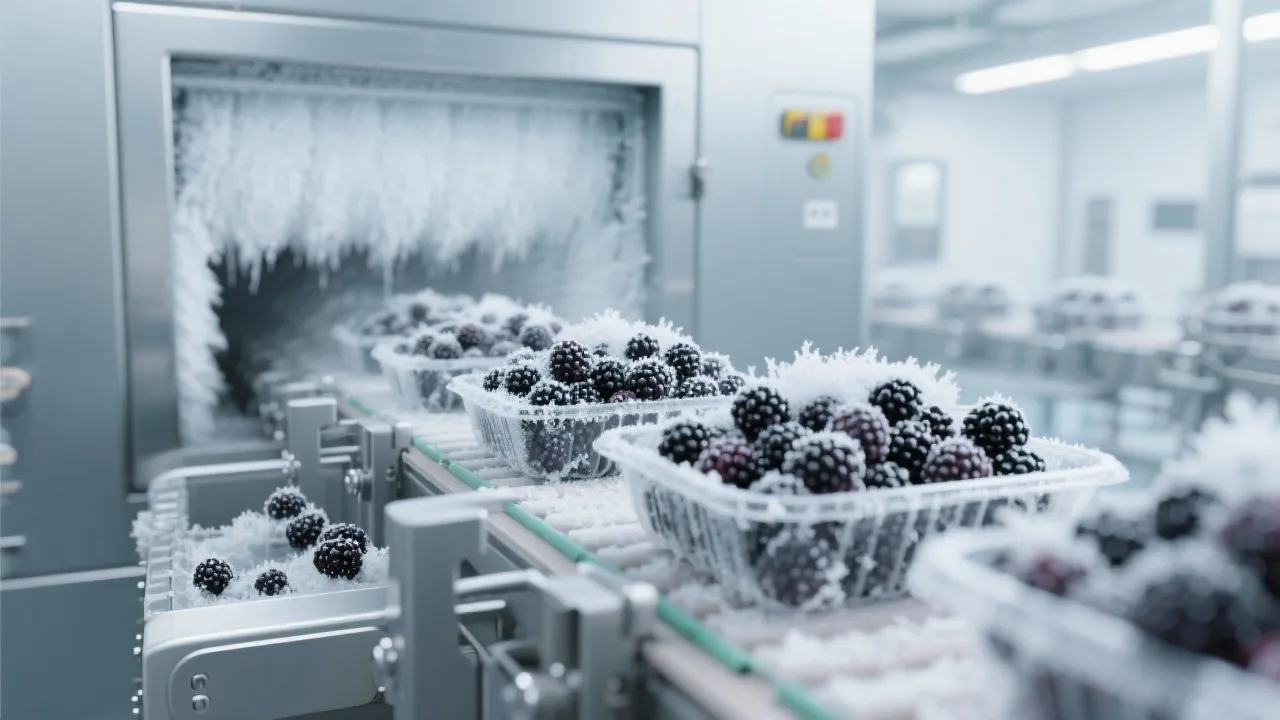
Blackberries are naturally rich in anthocyanins, vitamins C and K, and fiber—compounds scientifically validated for reducing oxidative stress, improving cardiovascular health, and aiding metabolic balance. When frozen at peak ripeness, blackberries retain up to 95% of their nutrients, offering more stable quality compared to fresh berries which degrade rapidly post-harvest. Moreover, with a glycemic index value below 25, frozen blackberries support blood sugar regulation, making them ideal for diabetic-friendly and low-GI food products.
From a market perspective, the powdered and frozen berry segments showed year-over-year revenue growth exceeding 12% in 2023 in North America and Europe, driven by demand in clean label and plant-based categories. The convenience of long-term storage, combined with customizable portion packaging, enhances inventory turnover and reduces product waste — benefits critical for manufacturers navigating fluctuating supply chains.
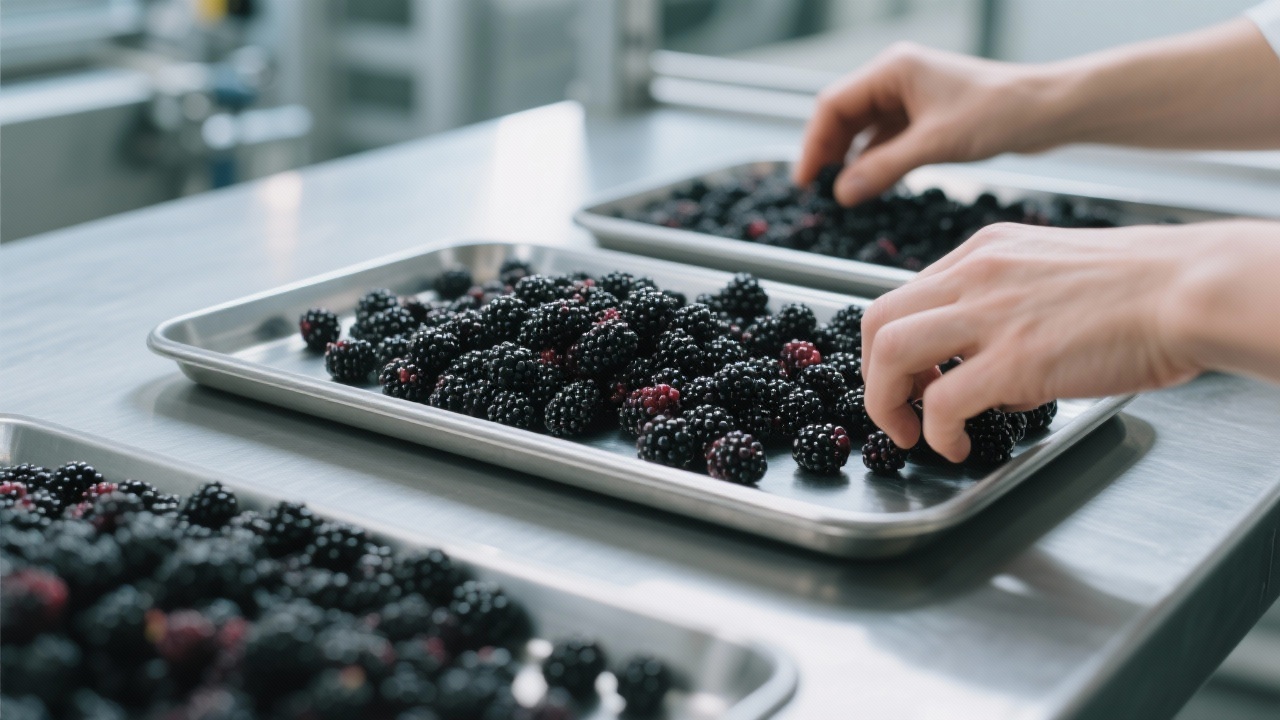
Compliance with global food safety protocols such as HACCP, ISO 22000, and certifications like Non-GMO Project Verified and Organic EU/NOP enhances frozen blackberries’ appeal among discerning consumers and B2B buyers. These certifications validate not only product safety but also adherence to sustainability and traceability principles that epitomize the Clean Label movement.
Such standards promote transparency in sourcing and processing, crucial for functional food manufacturers targeting trust-driven marketplaces. Frozen blackberries’ minimal processing and absence of artificial additives perfectly align with brands positioning on natural health benefits and environmental responsibility.
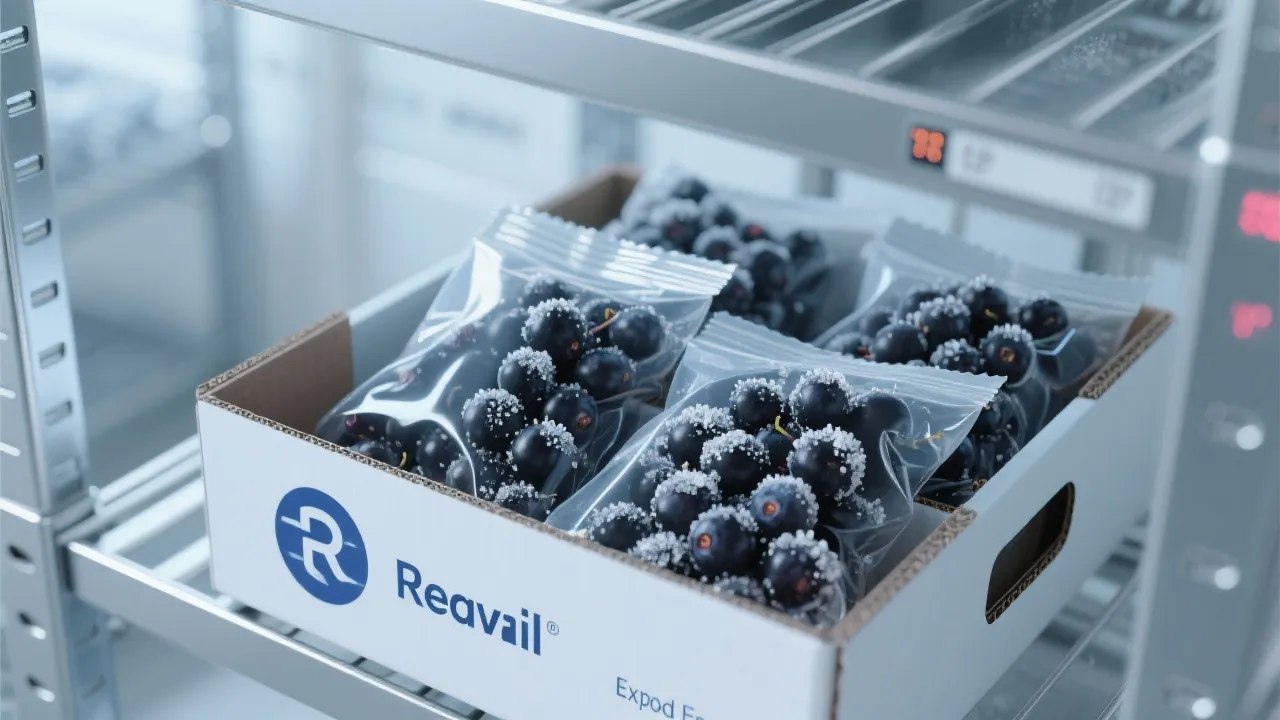
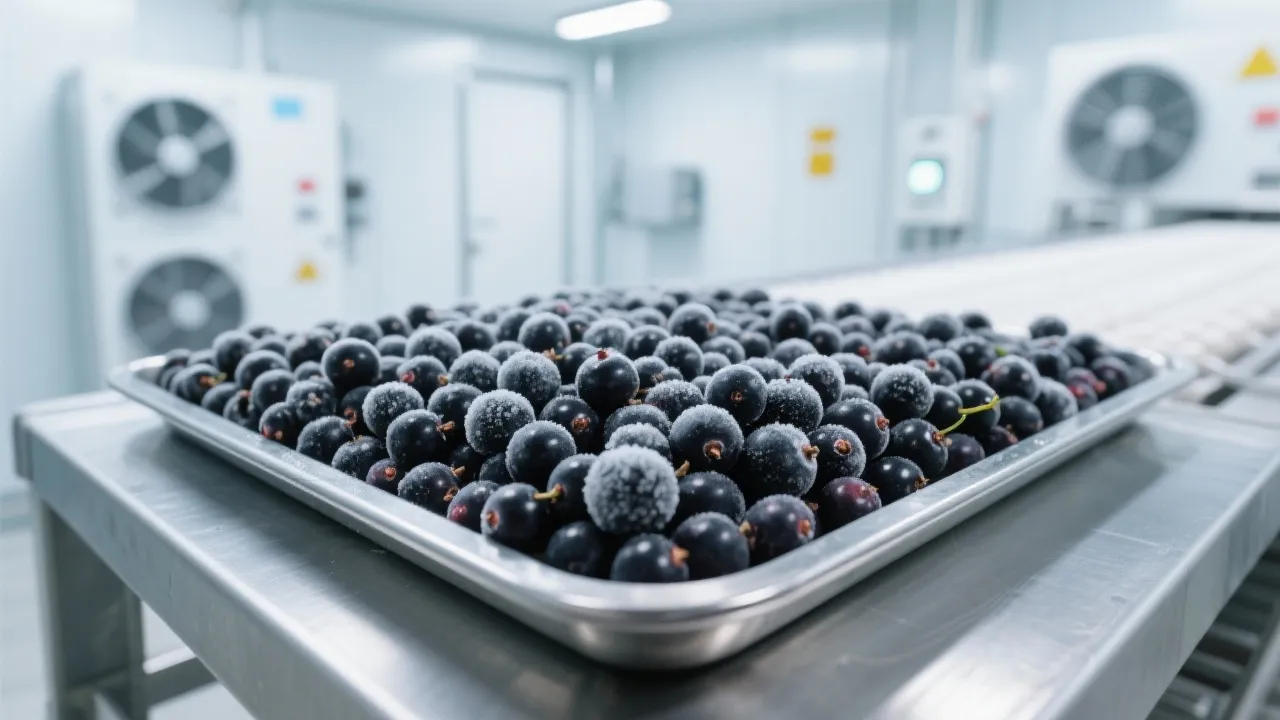
Flexible packaging solutions, including resealable pouches and portion-controlled trays, empower customers to optimize usage, reduce spoilage, and facilitate just-in-time production models. This agility is vital for health food manufacturers offering tailored SKUs for gym enthusiasts’ meal preps, liquid nutrition formulas, or children's snacks.
Additionally, frozen blackberries’ year-round availability mitigates seasonality risks, supporting predictable procurement planning and cost efficiencies. Forward-thinking enterprises leverage these features to strengthen supplier relationships and shorten lead times, ultimately enhancing market responsiveness.
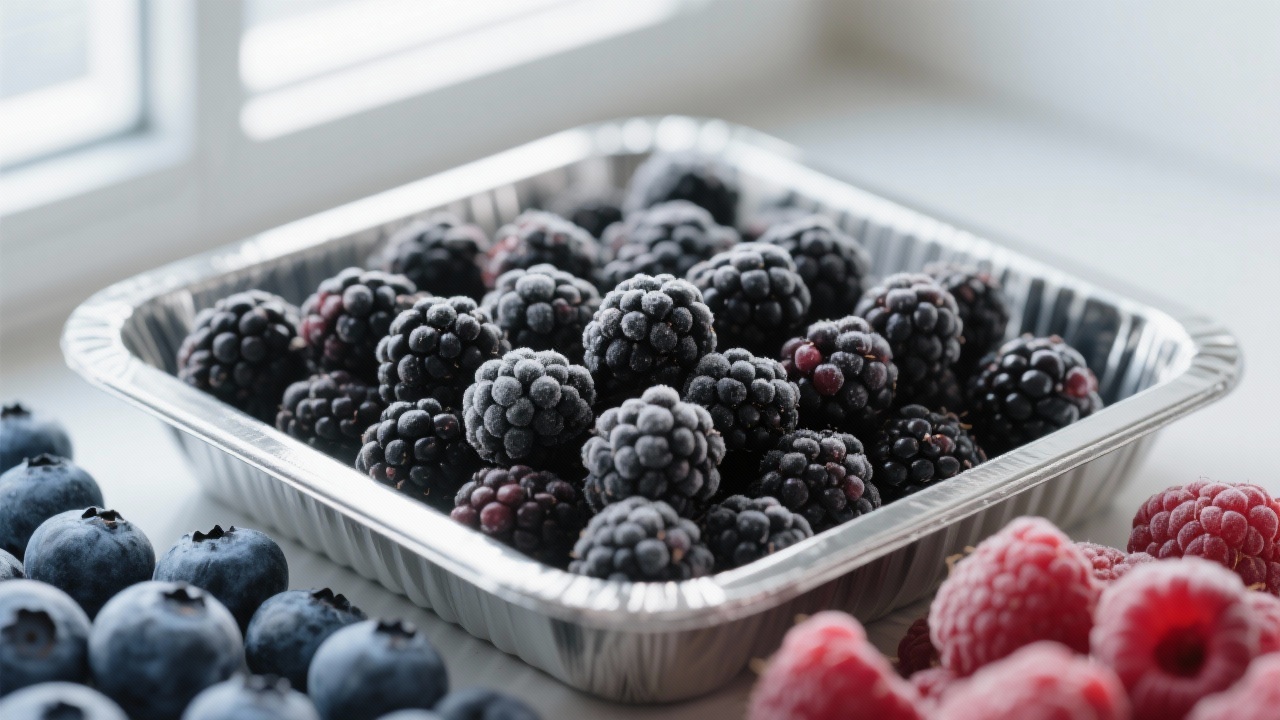
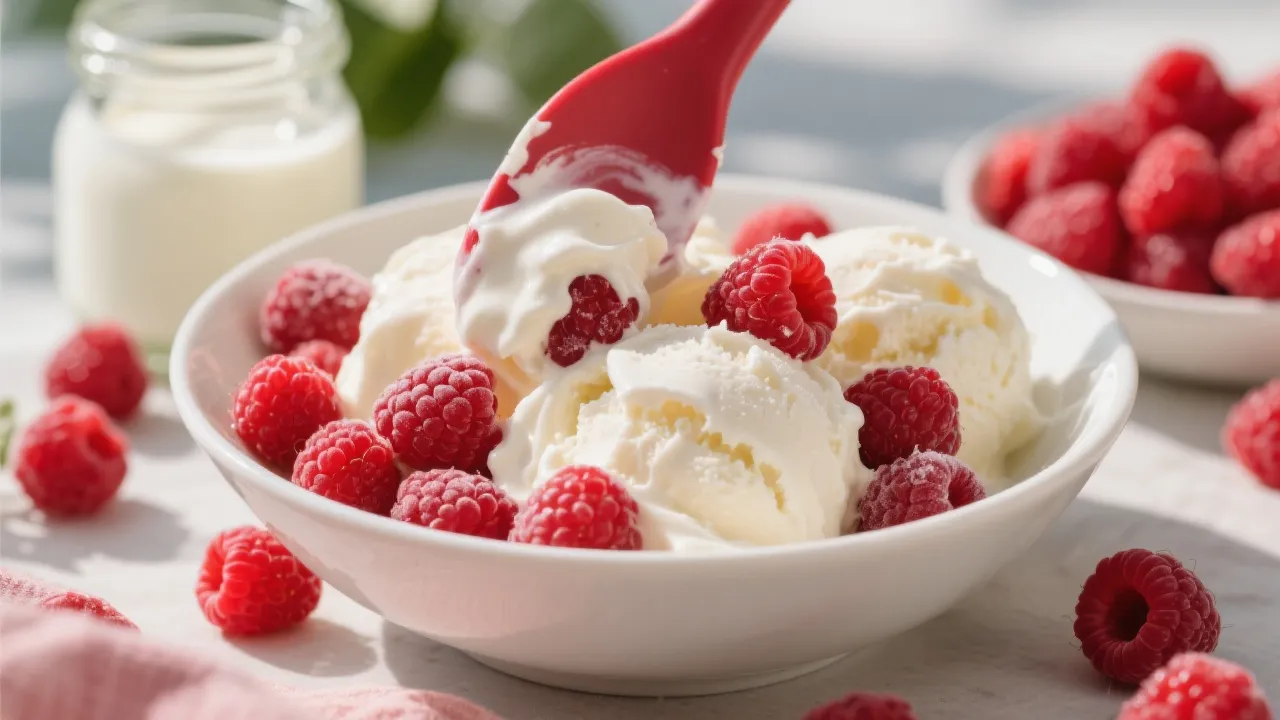
In fitness and wellness circles, frozen blackberries are prized for their synergistic effects with proteins and superfoods, forming an essential ingredient in post-workout smoothies and energy-boosting bowls. Their natural sweetness and texture enhance palatability without compromising health goals.
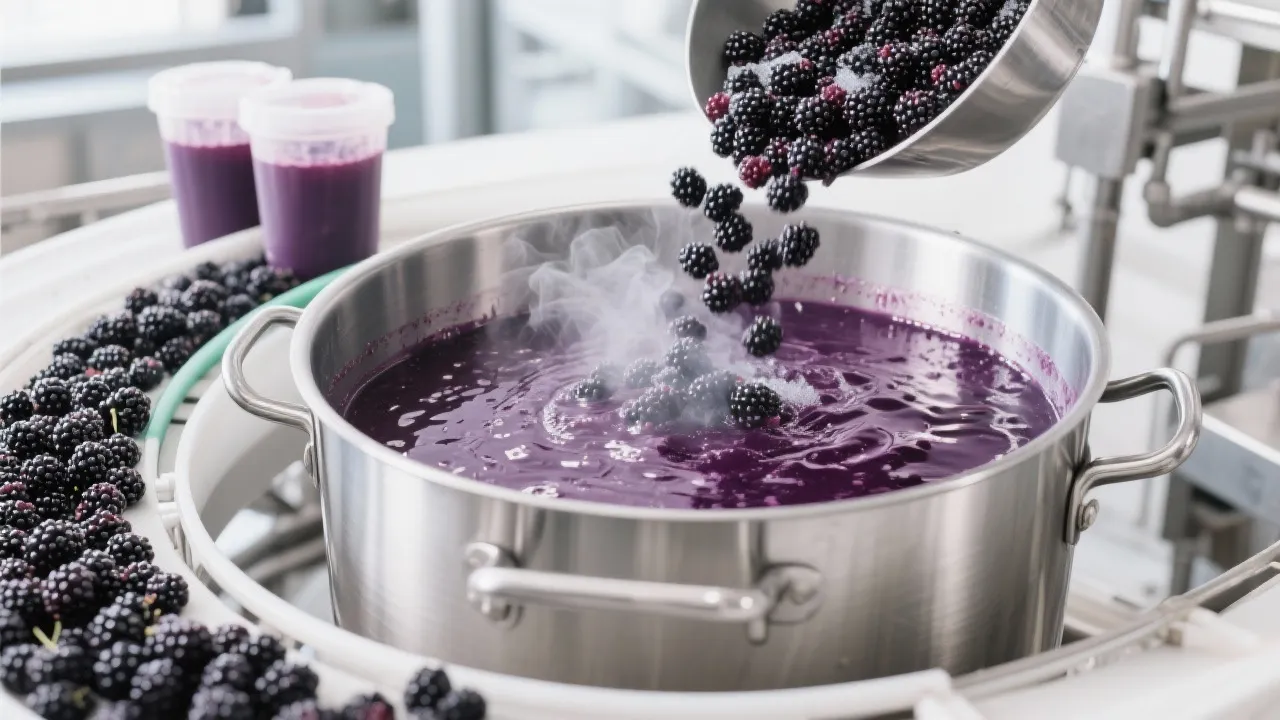
For meal replacement products, especially plant-based powders and shakes, inclusion of frozen blackberry extracts contributes bioactive polyphenols that support immune function and inflammation control. Market surveys reveal that 42% of adult consumers in Europe and the US seek antioxidant-enriched meal replacements, underscoring this ingredient’s relevance.
Pediatric nutrition also benefits from frozen blackberries’ nutrient density. Their versatility extends to purees and soft food formulations, addressing parental demand for natural, allergen-free ingredients that support cognitive development and gut health.
Industrial buyers report a 15% average increase in consumer acceptance rates when formulating with such functional fruits that offer combined sensory appeal and documented health benefits.
Expert commentary from nutritionists emphasizes the role of frozen blackberries as a functional superfruit with multi-dimensional benefits. Dr. Emily Sanchez, a leading dietitian at the European Functional Food Institute, notes: “The anthocyanin profile in blackberries is among the most potent for combating oxidative damage, making it an excellent candidate for expanding health product portfolios.”
Consumer surveys in 2023 further reveal 68% of health-focused buyers are willing to pay a premium for products exhibiting transparency in sourcing and conformance with eco-friendly standards, validating brands that integrate frozen blackberries under stringent certification regimes.
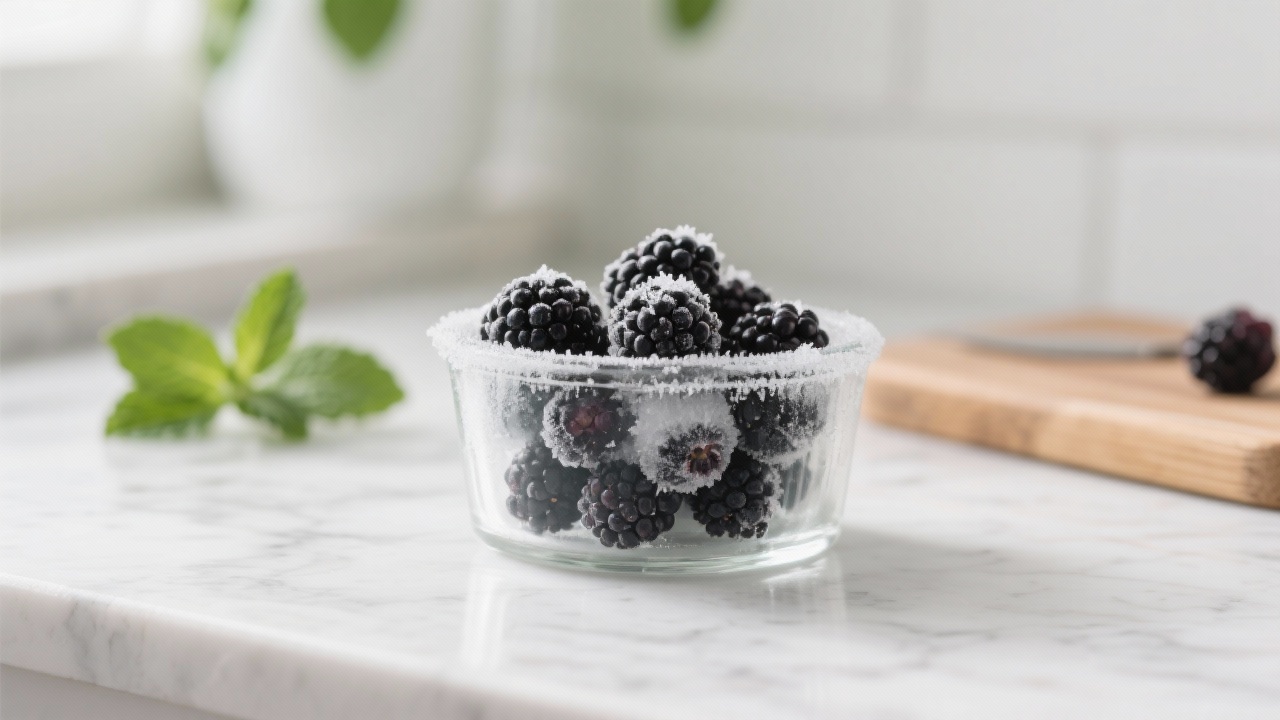
Q1: How does freezing affect blackberry nutritional quality?
Freezing preserves up to 95% of antioxidants, vitamins, and minerals when processed rapidly after harvest, superior to fresh berries stored beyond 3 days.
Q2: Are frozen blackberries suitable for clean label products?
Yes, frozen blackberries meet clean label requirements as they require no preservatives or artificial additives during processing.
Q3: What certifications ensure product safety and compliance?
Common certifications include HACCP, ISO 22000, GlobalGAP, and organic standards, all of which top suppliers for frozen blackberries typically hold.

 108
|
108
|
 freeze dried raspberry powder supply chain
cold chain logistics for food export
跨境供应链管理
OEM small batch production
ingredient quality assurance
153
|
organic frozen blackberries
triple manual sorting
rapid freezing technology
HACCP certification
custom packaging services
147
|
EU import standards
HACCP certification
frozen blackcurrant supply chain
whole - fruit rate improvement
cold - chain temperature control management
430
|
quick freezing technology
blackberry preservation principle
food freezing process
nutrition retention techniques
how to choose frozen blackberries
63
|
EU import standards
HACCP certification
frozen blackcurrant supply chain
cold - chain temperature control
supply chain optimization suggestions
freeze dried raspberry powder supply chain
cold chain logistics for food export
跨境供应链管理
OEM small batch production
ingredient quality assurance
153
|
organic frozen blackberries
triple manual sorting
rapid freezing technology
HACCP certification
custom packaging services
147
|
EU import standards
HACCP certification
frozen blackcurrant supply chain
whole - fruit rate improvement
cold - chain temperature control management
430
|
quick freezing technology
blackberry preservation principle
food freezing process
nutrition retention techniques
how to choose frozen blackberries
63
|
EU import standards
HACCP certification
frozen blackcurrant supply chain
cold - chain temperature control
supply chain optimization suggestions



.png?x-oss-process=image/resize,h_100,m_lfit/format,webp)
.png?x-oss-process=image/resize,h_100,m_lfit/format,webp)
.png?x-oss-process=image/resize,h_100,m_lfit/format,webp)
 English


