
Have you ever noticed inconsistent flavor or texture in your fruit-based products—like jam, smoothies, or frozen desserts? The culprit might not be your recipe—it could be how your blackcurrants are handled during transport and storage.
In food processing, maintaining consistent quality starts long before the factory door. For frozen berries like blackcurrants, a temperature of -18°C (0°F) isn’t just a recommendation—it’s a scientifically backed standard that preserves nutritional value, cell integrity, and process reliability. Here's why this matters more than you think.
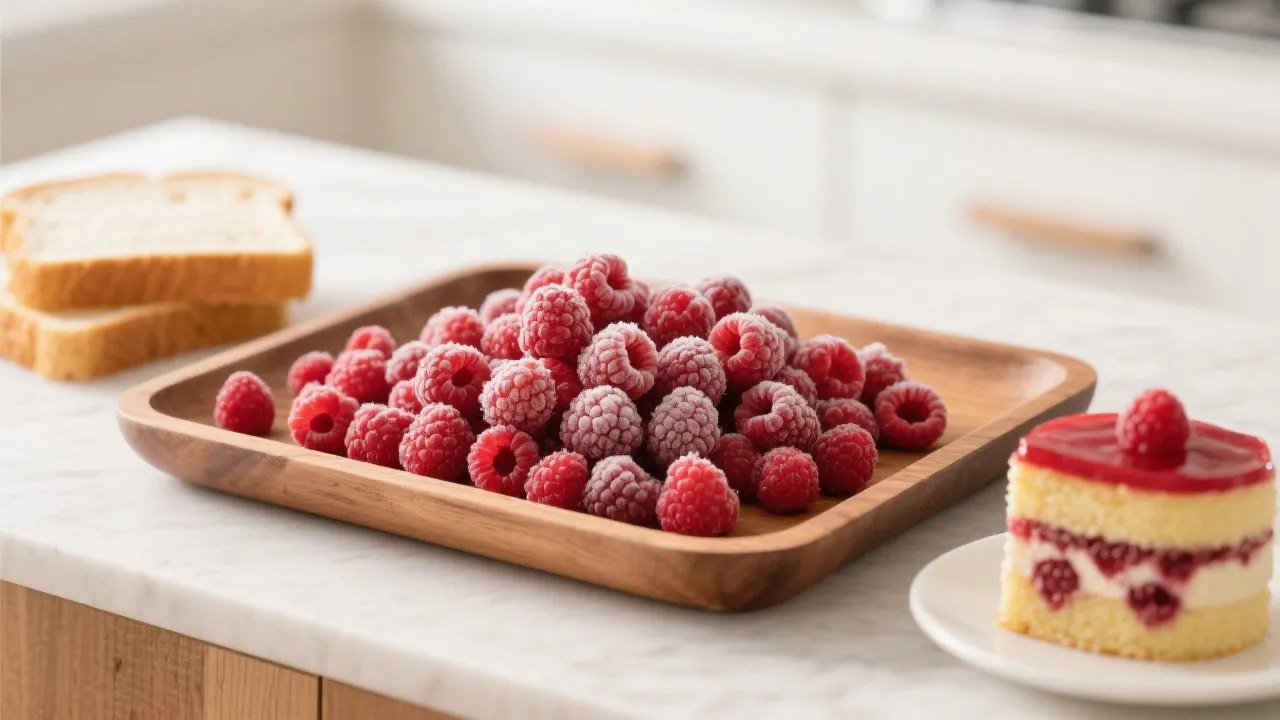
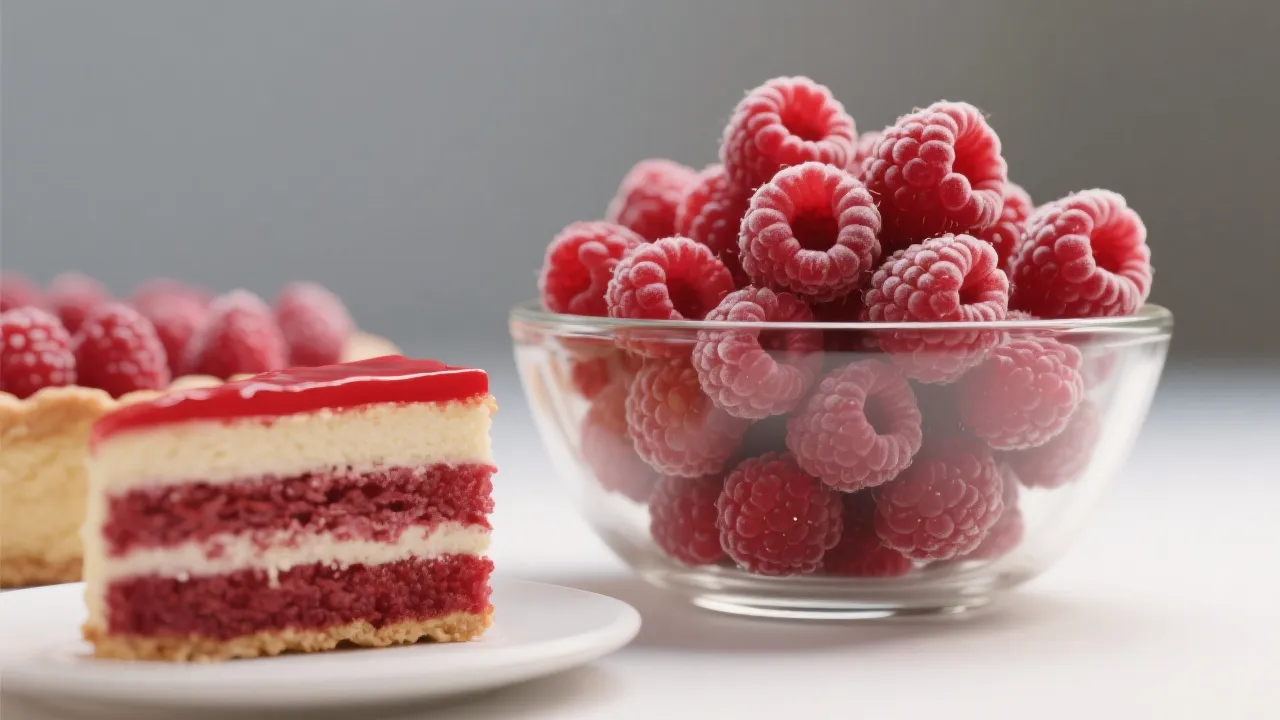
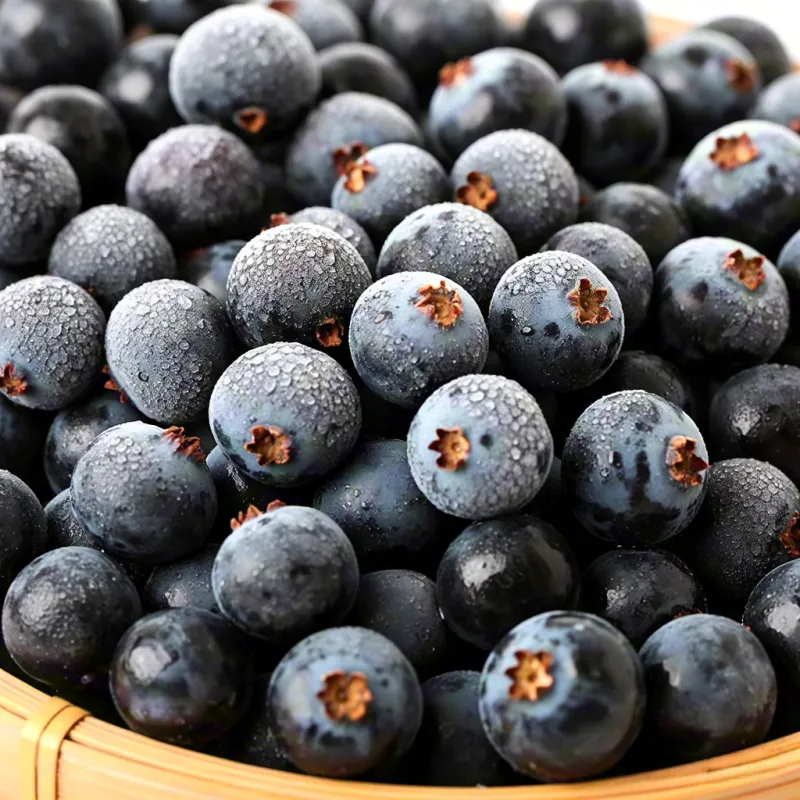
During freezing, water inside plant cells forms ice crystals. In traditional slow-freezing methods, large ice crystals develop, damaging cellular structures and causing nutrient loss when thawed. Advanced quick-freezing techniques—such as tunnel freezers or liquid nitrogen systems—create smaller, more uniform crystals. This minimizes cell rupture, preserving texture, color, and vitamin C levels by up to 25% higher retention compared to conventional methods (based on industry studies from IFST and EFSA).
| Freezing Method | Ice Crystal Size | Cell Damage Risk | Nutrient Retention |
|---|---|---|---|
| Slow Freezing | Large (>50µm) | High | ~70% |
| Advanced Quick Freeze | Small (<10µm) | Low | ~95% |
Our production line includes three rounds of manual sorting—a practice often overlooked but critical for industrial-grade consistency. First pass removes debris and damaged berries. Second ensures uniform size for even freezing. Third checks for color, firmness, and absence of bruising. This multi-step approach boosts whole-fruit yield to over 95%, reducing waste and ensuring better performance in downstream applications like pureeing or blending.
Imagine trying to make jam with half-crushed berries—you’ll get inconsistent viscosity and unpredictable sweetness. With properly sorted, rapidly frozen blackcurrants, your processing team gets reliable inputs every time.
At -18°C, microbial activity slows dramatically—enough to prevent spoilage over months of transit and storage. It’s also cold enough to avoid “temperature shock” when moving between warehouses, trucks, and cold rooms. We maintain this standard throughout the entire journey—from farm to factory—to ensure no deviation compromises quality.
For processors using blackcurrants in juices, sauces, or premium desserts, this means fewer batch failures, reduced rework, and consistent customer satisfaction across seasons.
What’s your biggest challenge with frozen fruit quality? Are you seeing texture issues in your final product? Is there inconsistency in flavor from one batch to another? Share your experience below—we’re listening.
Explore our certified quick-frozen blackcurrants with triple-sorted quality assurance and full -18°C冷链 control — perfect for high-volume food manufacturers.
Get Sample Now →
 139
|
139
|
 Rapid freezing technology
Nutrient preservation of frozen blackberries
Vitamin C preservation
Antioxidant preservation
Blackberry supply - chain management
415
|
frozen black currant quality control
three-stage manual sorting
liquid nitrogen freezing technology
cold chain logistics for fruit
export consistency in berry processing
201
|
Organic frozen blackberry smoothie recipe
Healthy smoothie making tutorial
Nutritional benefits of frozen blackberries
Homemade smoothie tips
Natural additive - free drinks
423
|
frozen blackcurrants
advanced freezing technology
nutrient retention
cold chain logistics
food processing
388
|
organic frozen blackberry smoothie
frozen berry nutrition benefits
healthy smoothie recipes
high-quality frozen fruit applications
natural beverage formulation
Rapid freezing technology
Nutrient preservation of frozen blackberries
Vitamin C preservation
Antioxidant preservation
Blackberry supply - chain management
415
|
frozen black currant quality control
three-stage manual sorting
liquid nitrogen freezing technology
cold chain logistics for fruit
export consistency in berry processing
201
|
Organic frozen blackberry smoothie recipe
Healthy smoothie making tutorial
Nutritional benefits of frozen blackberries
Homemade smoothie tips
Natural additive - free drinks
423
|
frozen blackcurrants
advanced freezing technology
nutrient retention
cold chain logistics
food processing
388
|
organic frozen blackberry smoothie
frozen berry nutrition benefits
healthy smoothie recipes
high-quality frozen fruit applications
natural beverage formulation
.jpg?x-oss-process=image/resize,h_800,m_lfit/format,webp)



.png?x-oss-process=image/resize,h_100,m_lfit/format,webp)
.png?x-oss-process=image/resize,h_100,m_lfit/format,webp)
.png?x-oss-process=image/resize,h_100,m_lfit/format,webp)
 English


