
In the competitive landscape of frozen fruit supply, especially for delicate varieties like black currants, HACCP (Hazard Analysis and Critical Control Point) certification stands as a pivotal benchmark for food safety assurance. This internationally recognized system meticulously identifies and controls potential hazards at every stage of production, proactively preventing microbiological contamination, cross-contamination, and quality degradation. For suppliers looking to penetrate European markets, compliance with the European Union’s food safety regulations is a critical requirement that also builds invaluable buyer trust.
The foundation of an effective HACCP plan lies in a thorough hazard analysis. For frozen berries, key safety risks typically include microbial contamination during harvesting and handling, enzymatic spoilage during processing, and temperature abuse during storage and transport. Establishing Critical Control Points (CCPs) allows for targeted interventions at crucial stages:
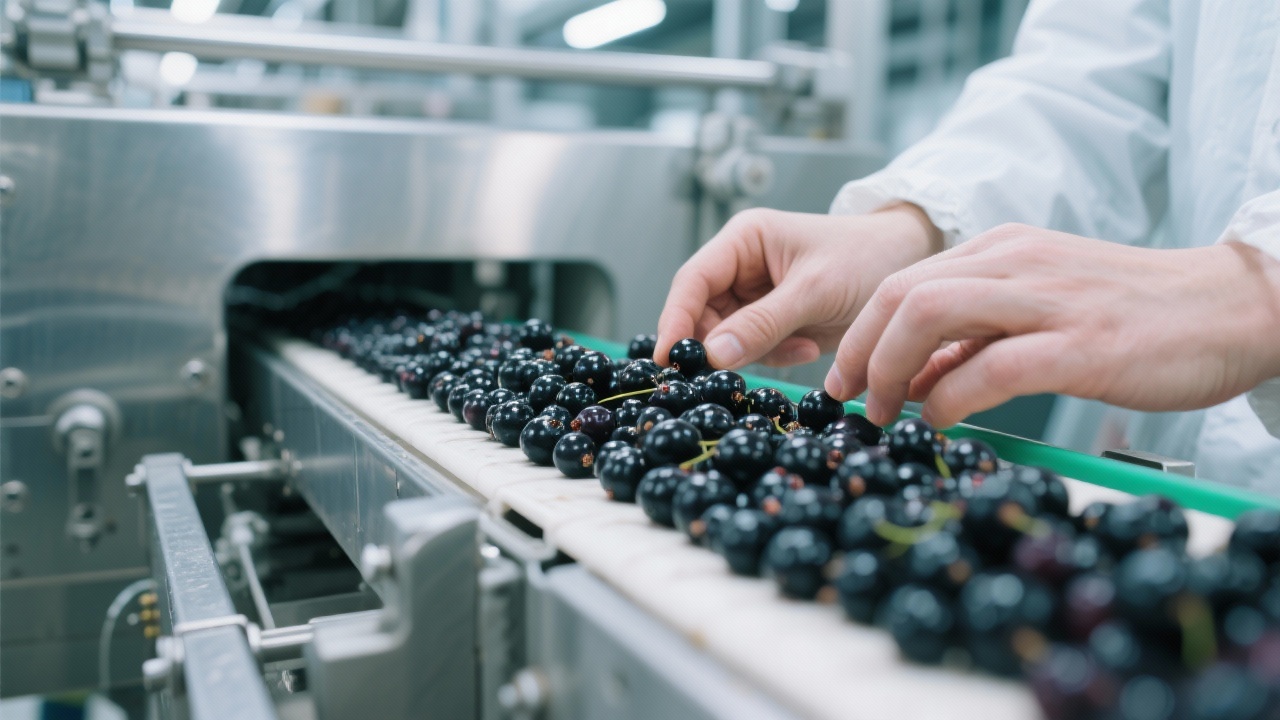
Suppliers must establish stringent raw material acceptance procedures aligned with HACCP protocols and EU regulations such as Regulation (EC) No 2073/2005. This involves validated criteria for sensory examination, microbial testing, and traceability documentation. For example, black currants should be inspected for signs of mold, foreign matter, and pests before processing. The traceability requirement not only facilitates rapid response in case of contamination but also enhances customer confidence in product integrity.
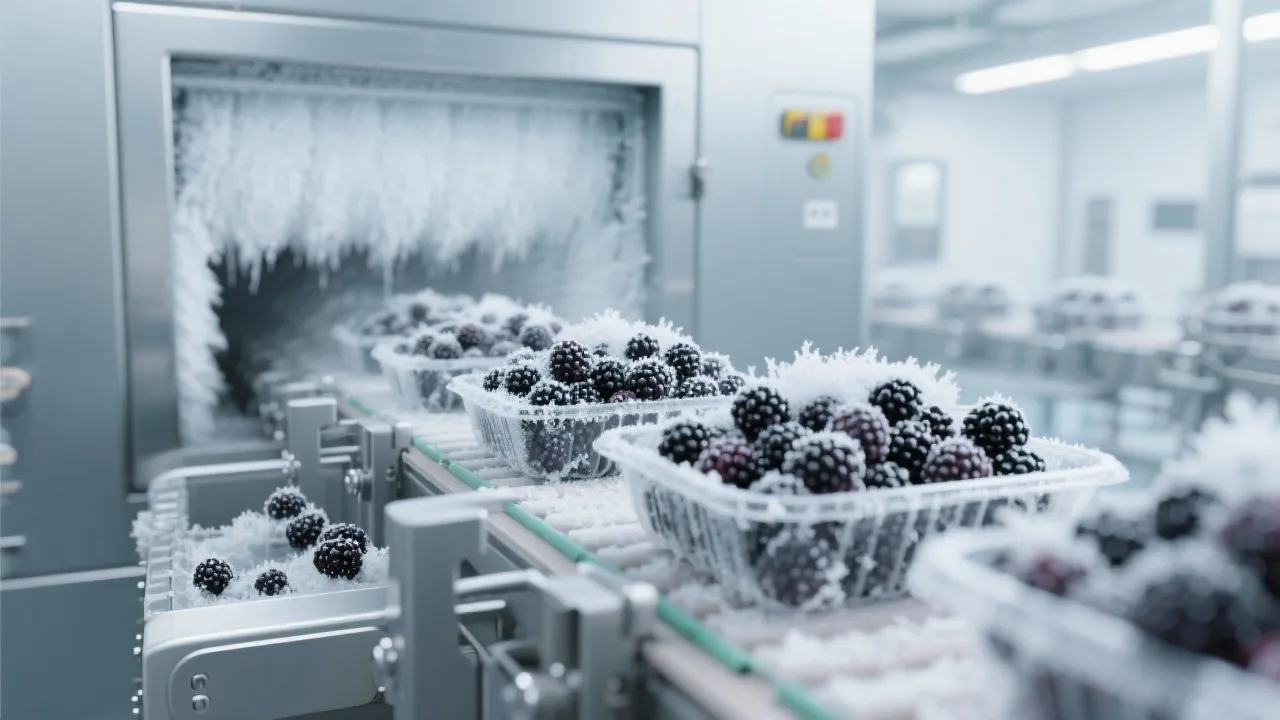
The freezing step is pivotal in controlling microbial hazards. Quick-freeze systems, including blast freezing or cryogenic freezing, rapidly lower berry core temperatures typically to -30°C within minutes. This rapid transition minimizes ice crystal formation, thus reducing cellular damage and limiting enzymatic activity. Scientific studies demonstrate that such technology can reduce microbial populations by up to 2 log CFU/g compared to slow freezing methods.
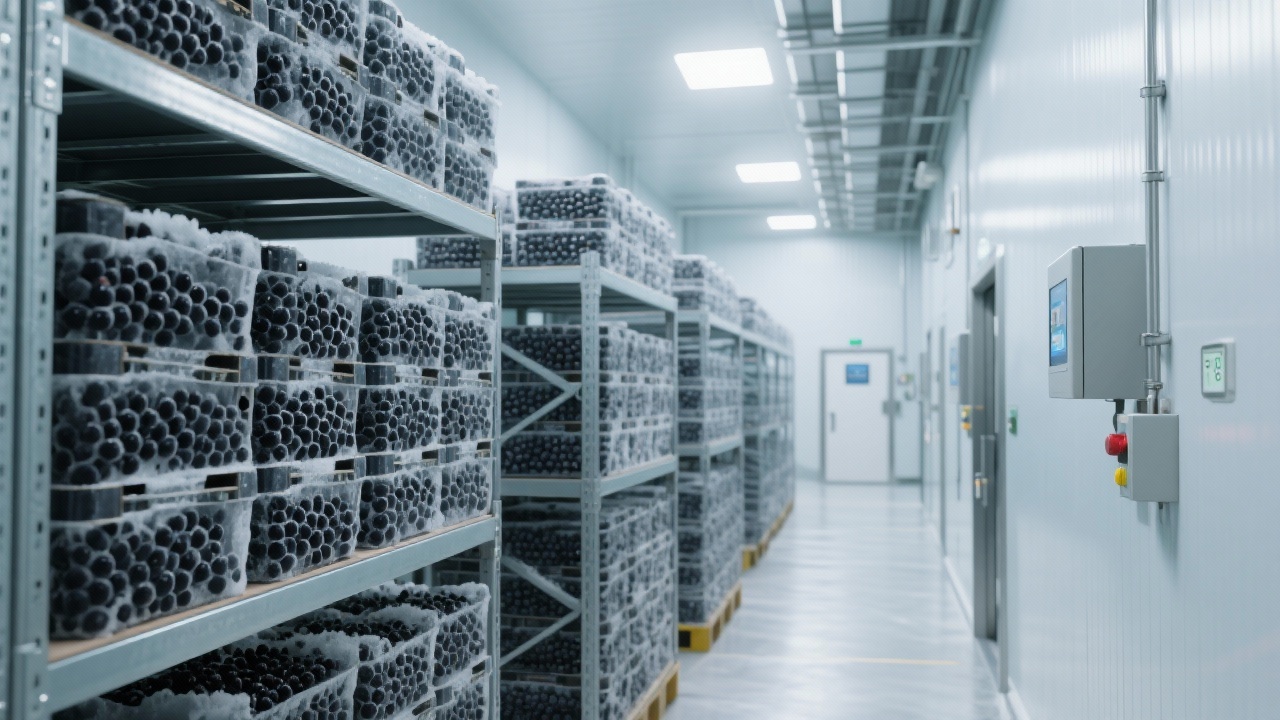
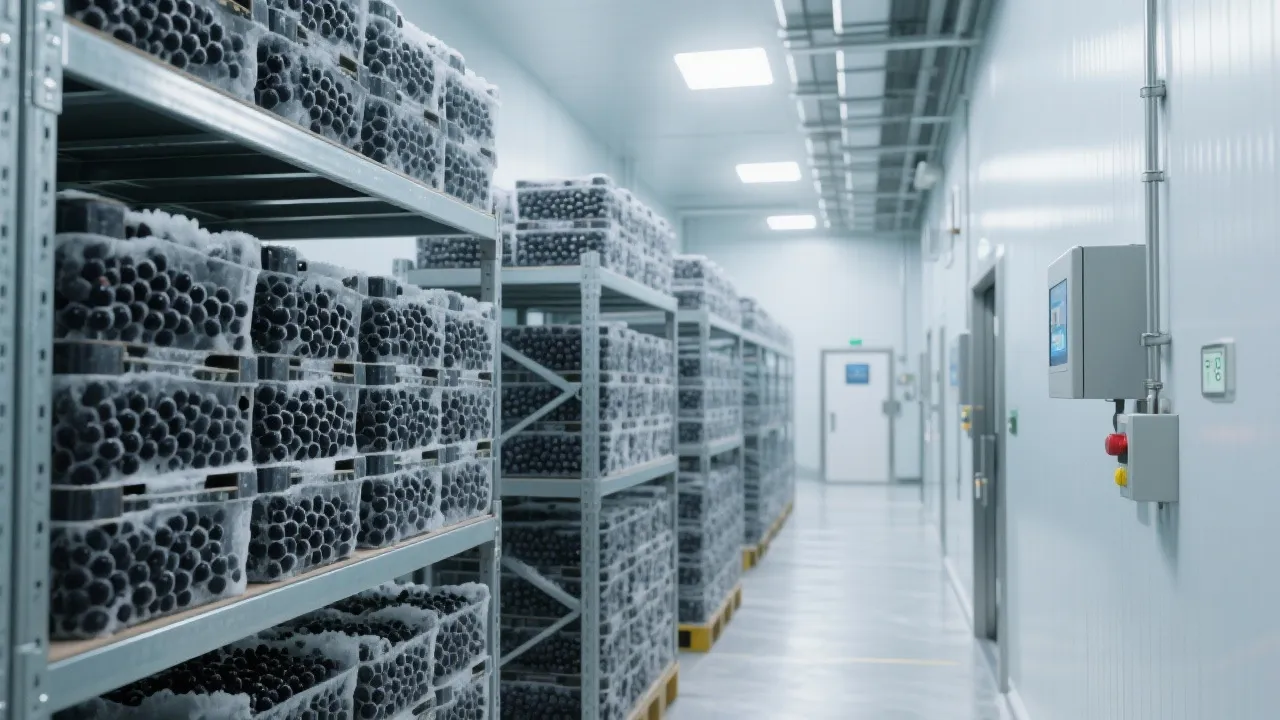
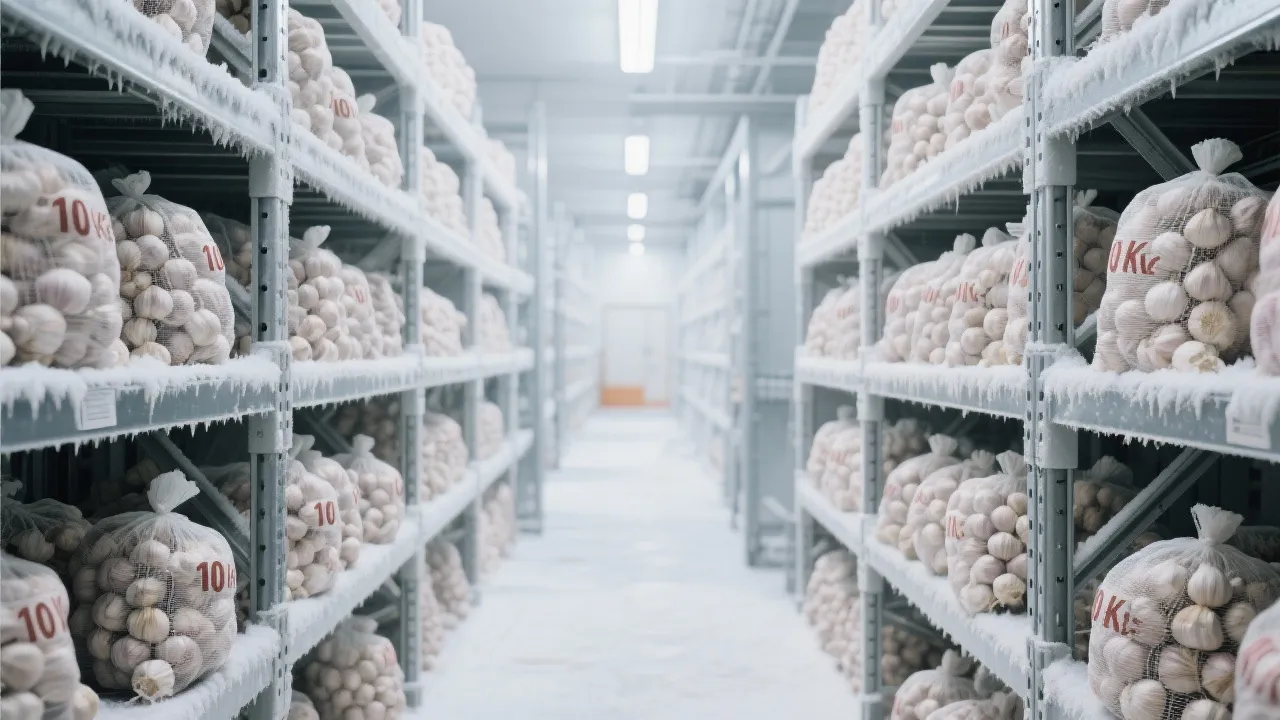
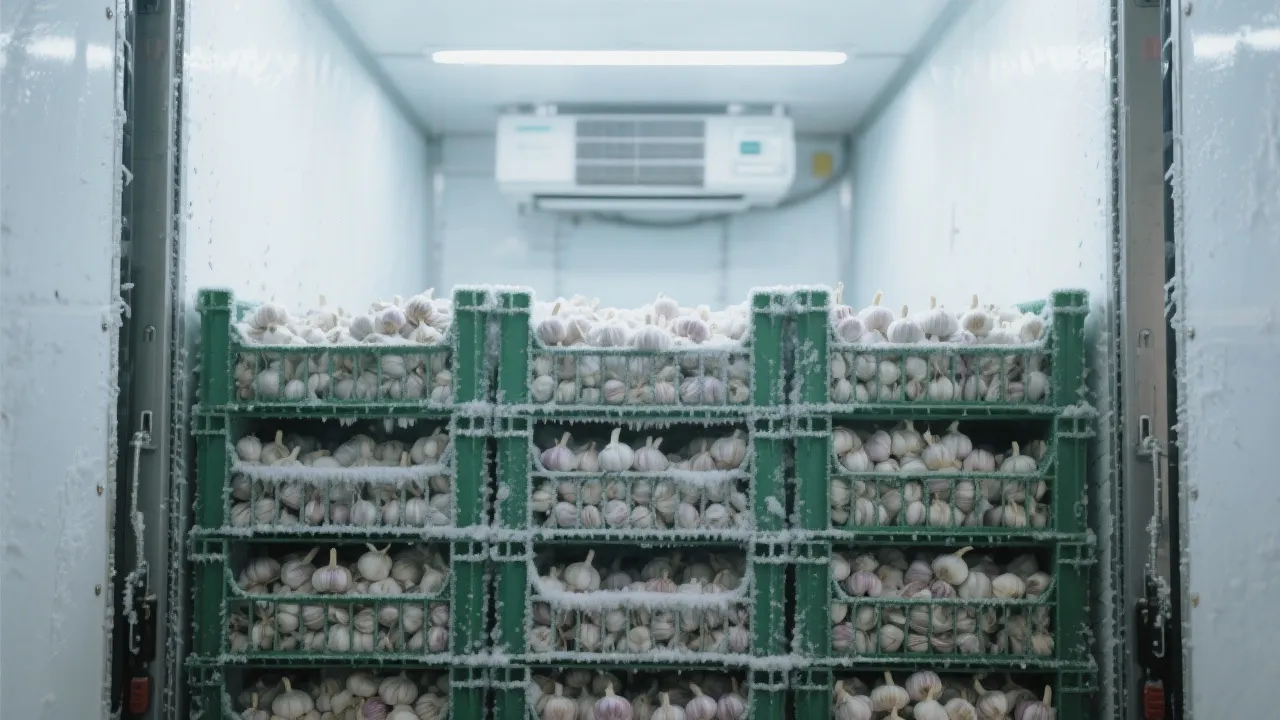
Maintaining unbroken cold chain logistics from processing facilities to delivery hubs is indispensable for preserving frozen berry quality. Storage at or below -18°C ensures stability by inhibiting pathogen growth and retarding biochemical changes. Monitoring systems equipped with temperature loggers and alarms contribute to real-time control and traceability, mitigating risks of temperature abuse — a common cause of product spoilage.
Achieving HACCP certification aligned with EU food safety laws such as Regulation (EC) No 178/2002 not only satisfies legal import requirements but also differentiates suppliers in a saturated market. Importers and retailers increasingly demand documented evidence of compliance to reduce liability and enhance customer safety assurance. This certification also facilitates smoother customs clearance, reducing delays and shipment rejections.
A1: HACCP systematically identifies hazards and establishes control measures at critical steps such as raw material inspection and freezing, significantly limiting microbial loads before packaging and distribution.
A2: Maintaining a stable temperature at or below -18°C throughout storage and shipping is mandatory to prevent microbial growth and preserve berry texture and flavor.
A3: Compliance ensures products meet stringent safety and traceability standards, which minimizes risks for buyers and builds long-term supplier reliability and brand trust.

 110
|
110
|
 EU frozen blackcurrant import standards
HACCP certification supply chain compliance
frozen fruit cold chain management
blackcurrant export to Europe
food export compliance guidelines
79
|
Small-Batch Trial Orders
OEM Private Label Customization
Frozen Fruit Packaging Solutions
Flexible Procurement in Food Supply Chain
Frozen Blackcurrant Packaging Requirements
271
|
EU import standards
HACCP certification
frozen blackcurrants
supply chain management
food safety
202
|
Organic frozen blackberry smoothie recipe
Healthy smoothie making tutorial
Nutritional benefits of frozen blackberries
Homemade smoothie tips
Natural additive - free drinks
122
|
quick freezing technology
blackberry nutrition preservation
anthocyanin retention
vitamin C freezing stability
food freezing process
EU frozen blackcurrant import standards
HACCP certification supply chain compliance
frozen fruit cold chain management
blackcurrant export to Europe
food export compliance guidelines
79
|
Small-Batch Trial Orders
OEM Private Label Customization
Frozen Fruit Packaging Solutions
Flexible Procurement in Food Supply Chain
Frozen Blackcurrant Packaging Requirements
271
|
EU import standards
HACCP certification
frozen blackcurrants
supply chain management
food safety
202
|
Organic frozen blackberry smoothie recipe
Healthy smoothie making tutorial
Nutritional benefits of frozen blackberries
Homemade smoothie tips
Natural additive - free drinks
122
|
quick freezing technology
blackberry nutrition preservation
anthocyanin retention
vitamin C freezing stability
food freezing process
.jpg?x-oss-process=image/resize,h_800,m_lfit/format,webp)

_(2).jpg?x-oss-process=image/resize,h_800,m_lfit/format,webp)


.png?x-oss-process=image/resize,h_100,m_lfit/format,webp)
.png?x-oss-process=image/resize,h_100,m_lfit/format,webp)
.png?x-oss-process=image/resize,h_100,m_lfit/format,webp)
 English


