
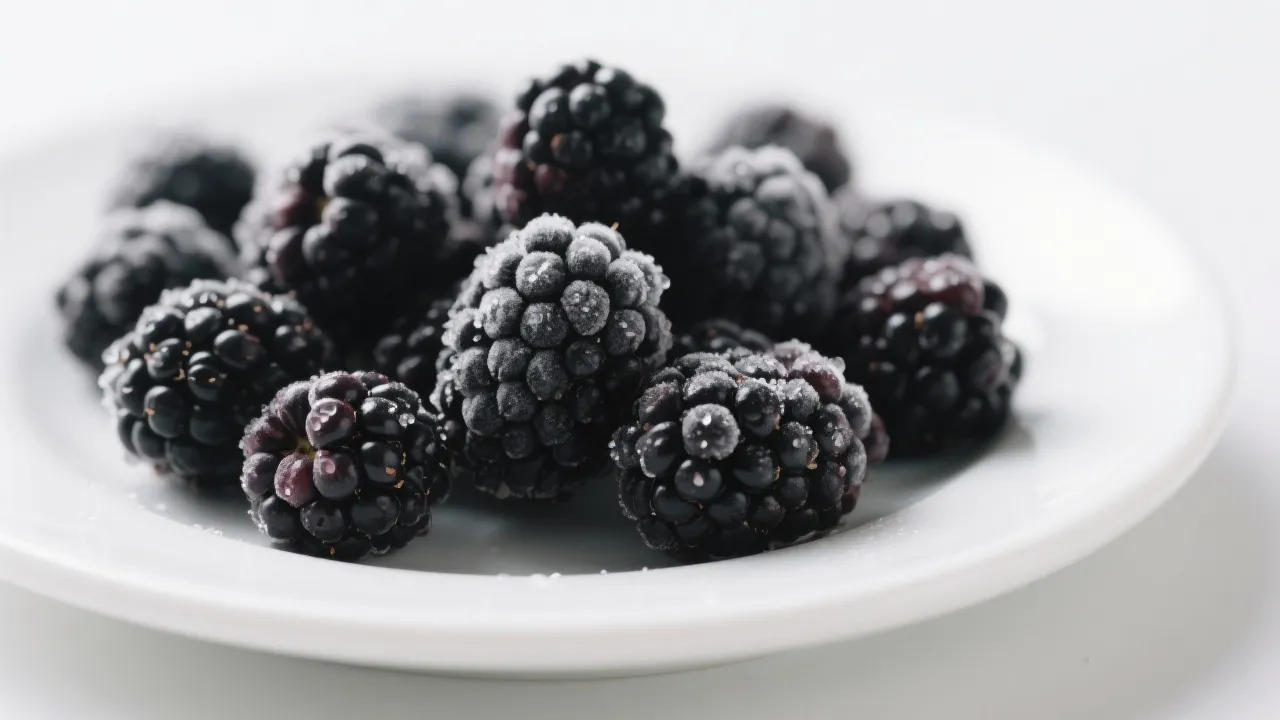
As functional ingredients gain momentum in the food industry, freeze-dried red raspberry powder emerges as a valuable additive thanks to its rich anthocyanin content and natural antioxidants. However, integrating it into product formats like compressed gummies and protein bars presents challenges in preserving bioactive compounds, maintaining appealing sensory profiles, and ensuring scalable production.
The global functional food market is projected to grow over 8% annually, driven largely by consumer demand for clean-label and antioxidant-rich products. Freeze-dried red raspberry powder fits perfectly within this trend, offering high concentrations of anthocyanins and vitamin C that support health benefits, including anti-inflammatory and cardiovascular protection.
Its powder form simplifies incorporation into formats like gummies and bars, making it ideal for brands targeting active consumers and wellness-oriented segments. Yet, to leverage its full potential, manufacturers must address ingredient stability and sensory challenges.
Freeze-drying at temperatures below -40°C under vacuum conditions preserves roughly 95% of whole-fruit integrity (solid matrix & cell structures) and retains over 90% of anthocyanin and vitamin C activity, outperforming spray or oven drying methods by 20-30% in bioactive retention.
The low-temperature freeze-drying process avoids thermal degradation and enzymatic browning, which are common in conventional drying, enabling better color preservation and nutrient stability.
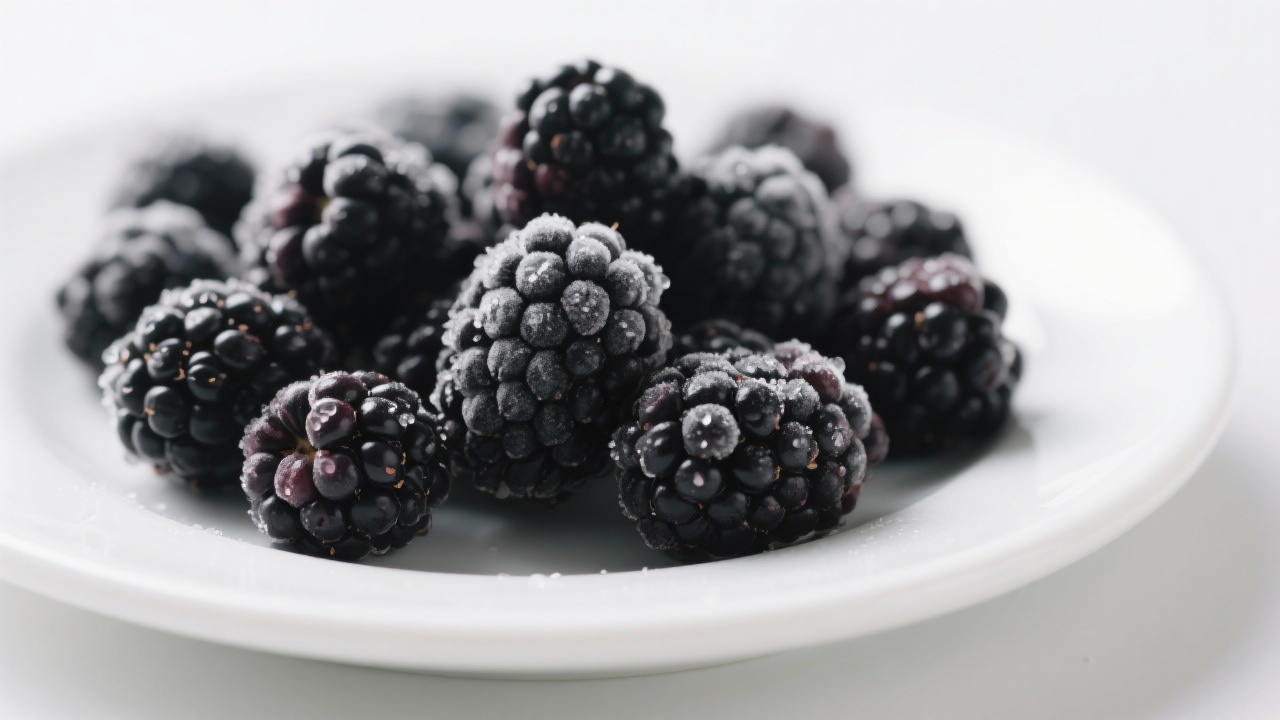
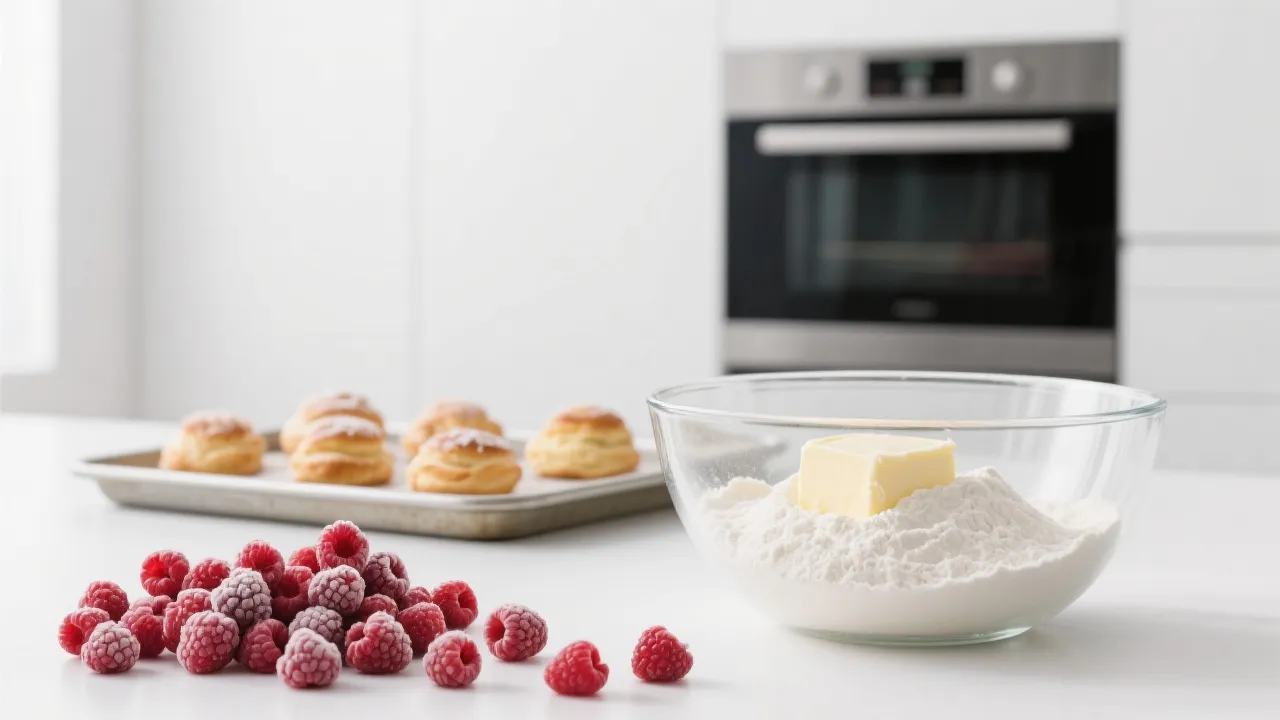
When adding freeze-dried red raspberry powder to compressed gummies or protein bars, several technical challenges arise:
Through formulation tweaks such as using maltodextrin as a carrier and pH buffers like citrates, you can achieve a product with stable anthocyanin content and harmonious sensory profiles, enabling smooth scale-up from lab to production line.
Comprehensive stability testing spanning 12 weeks at ambient and accelerated conditions shows anthocyanin retention >85%, with minimal sensory score declines (<5%) on color and flavor intensity—benchmarked by trained sensory panels.
These results are reinforced by quality indicators such as moisture content maintained below 6% and water activity under 0.45, essential for gummy chewiness and protein bar texture consistency.
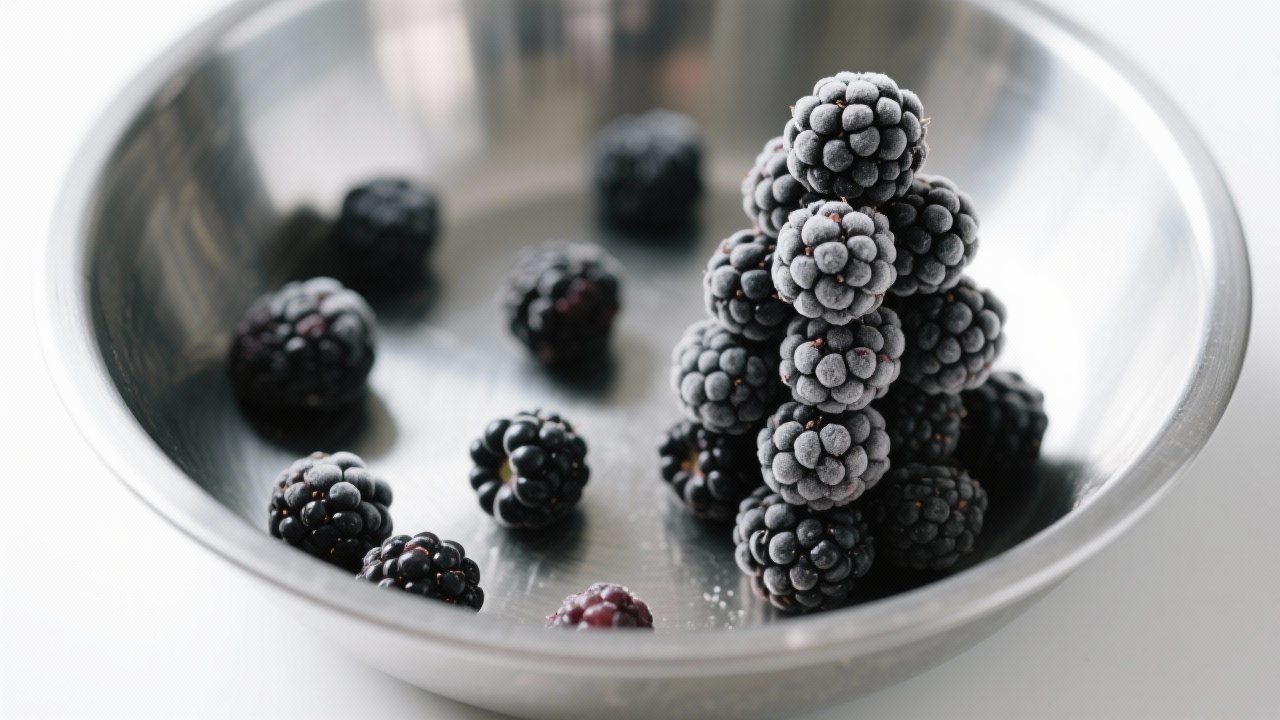
Dr. Linda Harper, a food technology consultant, emphasizes: “Maintaining a low water activity and optimal pH is non-negotiable for anthocyanin and vitamin stability. Additionally, carriers like maltodextrin not only stabilize powder flow but mitigate moisture-induced clumping.”
Combining analytic methods (HPLC for anthocyanin quantification, texture analyzers, and sensory panels) with pilot-scale trials accelerates the R&D to production pipeline while minimizing costly reformulations.

 458
|
458
|
 frozen black currants
quick-freezing technology
food processing applications
cold chain logistics
nutrient retention rate
277
|
frozen black currant packaging
OEM frozen fruit packaging
cold chain logistics for frozen berries
food packaging compliance EU
small batch trial order
70
|
flash frozen blackberries
frozen berry nutrition retention
blackberry freezing technology
organic frozen berries
food freezing process optimization
122
|
quick freezing technology
frozen blackberry processing
nutrient retention in berries
supply chain optimization for frozen fruit
food quality control in cold chain
410
|
organic frozen blackberries
healthy smoothie recipes
nutritional retention of frozen fruits
blackberry smoothie making methods
natural additive - free drinks
frozen black currants
quick-freezing technology
food processing applications
cold chain logistics
nutrient retention rate
277
|
frozen black currant packaging
OEM frozen fruit packaging
cold chain logistics for frozen berries
food packaging compliance EU
small batch trial order
70
|
flash frozen blackberries
frozen berry nutrition retention
blackberry freezing technology
organic frozen berries
food freezing process optimization
122
|
quick freezing technology
frozen blackberry processing
nutrient retention in berries
supply chain optimization for frozen fruit
food quality control in cold chain
410
|
organic frozen blackberries
healthy smoothie recipes
nutritional retention of frozen fruits
blackberry smoothie making methods
natural additive - free drinks


.png?x-oss-process=image/resize,h_100,m_lfit/format,webp)
.png?x-oss-process=image/resize,h_100,m_lfit/format,webp)
.png?x-oss-process=image/resize,h_100,m_lfit/format,webp)
 English


