
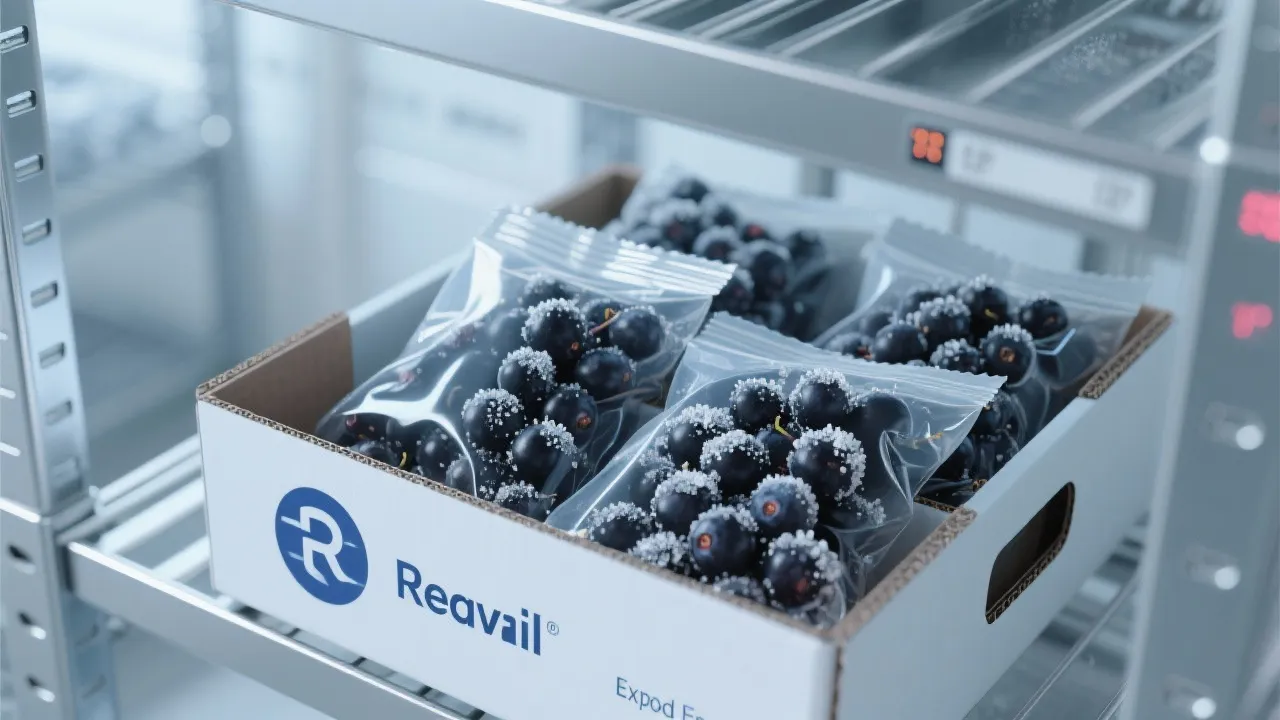
As a product developer navigating the functional food market, achieving stable incorporation of freeze-dried red raspberry powder into chewable tablets and protein bars is pivotal. This ingredient boasts potent antioxidants like anthocyanins and vitamin C, yet their delicate nature demands meticulous formulation and processing approaches to preserve bioactivity and sensory appeal.
Central to the ingredient’s efficacy is the low-temperature freeze-drying process, which removes moisture without exposing sensitive phytochemicals to heat-induced degradation. Studies have demonstrated that freeze-drying at temperatures below -40°C retains up to 90% of anthocyanins and 85% of vitamin C compared to traditional drying methods, enhancing bioavailability in the final product.
Maintaining a glassy state during drying inhibits oxidative reactions, while sublimation removes water gently, preserving cell structure and color. Such integrity ensures your chewable tablets and protein bars deliver consistent health benefits that discerning B2B customers demand.
One of the critical levers you control is the formulation matrix. Anthocyanins exhibit stability peaks in mildly acidic pH ranges (3.0–4.0). Adjusting your product pH within this window can significantly reduce pigment degradation and maintain desired color profiles.
Furthermore, selecting appropriate carriers—such as maltodextrin or gum arabic—can enhance powder solubility and act as physical barriers to oxygen and moisture. This mitigates oxidation and hygroscopicity during storage, extending shelf life by an estimated 30–50% versus unprotected powders.
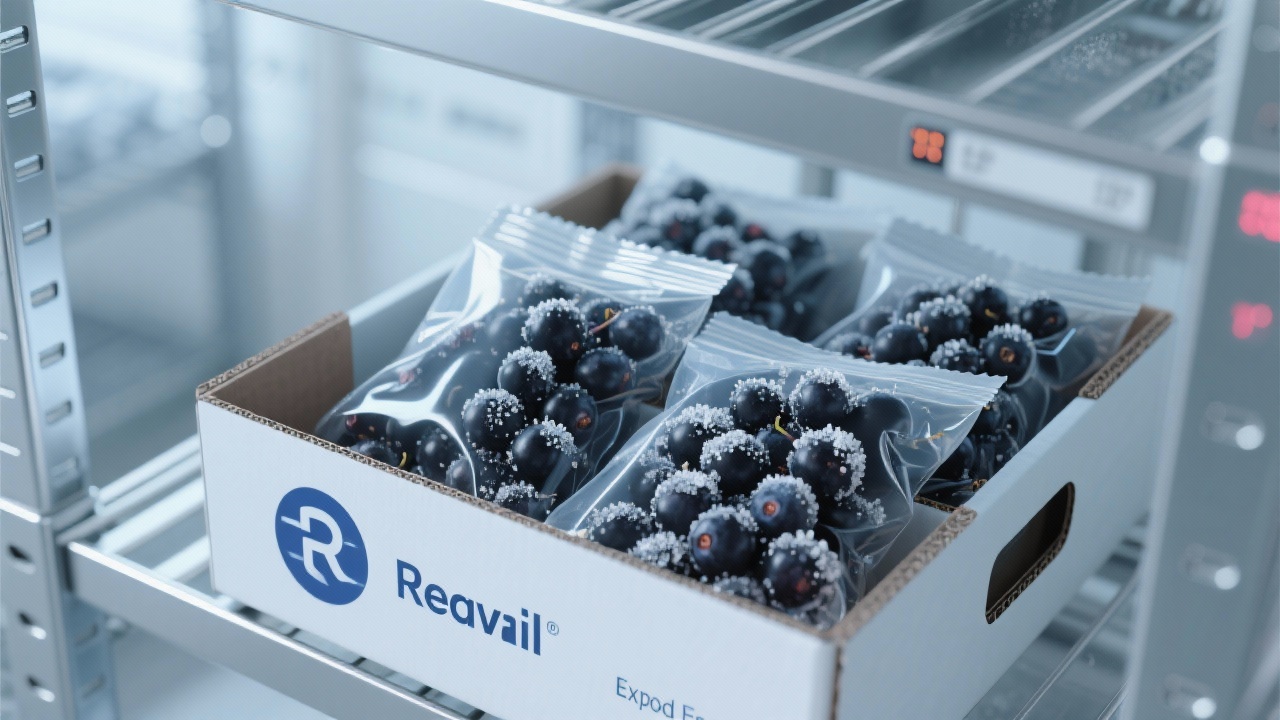
To ensure your formulation’s robustness, implementing rigorous stability testing is essential. Accelerated storage conditions (40°C, 75% RH) over 3 months help predict real-time shelf life. Key assays include:
These comprehensive protocols aid in identifying formulation weaknesses early, accelerating your path from lab trials to commercial scale production.
B2B clients ordering functional food ingredients prioritize not only health benefits but also end-consumer satisfaction. Red raspberry powder imparts natural tartness and fruity aroma, but can cause off-flavors if oxidized.
Balancing sweeteners (e.g., erythritol or isomaltooligosaccharides) with buffering agents ensures palatability without sacrificing active compound stability. Additionally, adding emulsifiers or modifying compression forces harmonizes protein bar texture and chewable tablet mouthfeel.
“Integrating freeze-dried red raspberry powder through pH management and carrier optimization was key to our product’s extended shelf life and consistent sensory profile,”
– Senior R&D Manager, Leading Functional Food Manufacturer
Your formulation success depends on synergy through every phase—from sourcing premium freeze-dried red raspberry powder with certified anthocyanin content (>15%), to scaling blending, compression, and drying parameters meticulously.
Establishing quality checkpoints at intermediary stages prevents costly batch failures. Real-world case studies confirm that meticulous process control boosts batch-to-batch consistency by up to 40%, meeting stringent B2B quality standards.
Discover firsthand how our freeze-dried red raspberry powder can enhance your functional foods’ performance and consumer appeal.


.png?x-oss-process=image/resize,h_100,m_lfit/format,webp)
.png?x-oss-process=image/resize,h_100,m_lfit/format,webp)
.png?x-oss-process=image/resize,h_100,m_lfit/format,webp)
 English


