
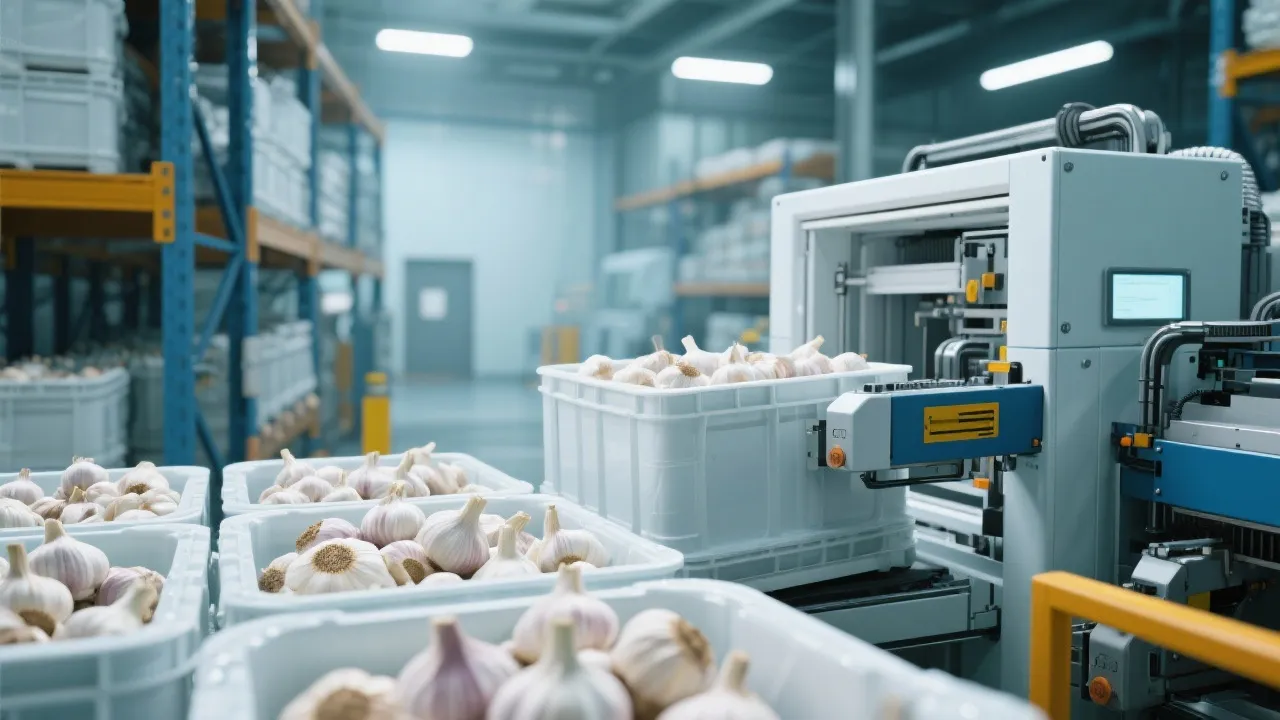
As a global procurement professional sourcing high-grade functional food ingredients, you understand that supply inconsistencies can interrupt your production lines and erode customer trust. Specifically, freeze-dried red raspberry powder—a potent source of anthocyanins—demands rigorously maintained quality across every shipment to meet both regulatory and consumer expectations.
You’ve likely experienced the pain points of variable raw material quality and shipment delays firsthand. The volatile nature of perishable fruit sourcing, coupled with complex international logistics, can cause seasonal shortages or inconsistent active compound levels—jeopardizing your formulation consistency and brand promise.
Eliminating these risks requires a cold chain supply system that guarantees product integrity from farm to factory, preserving sensitive nutrients like anthocyanins—known for their antioxidant power—across every stage of handling and transport.
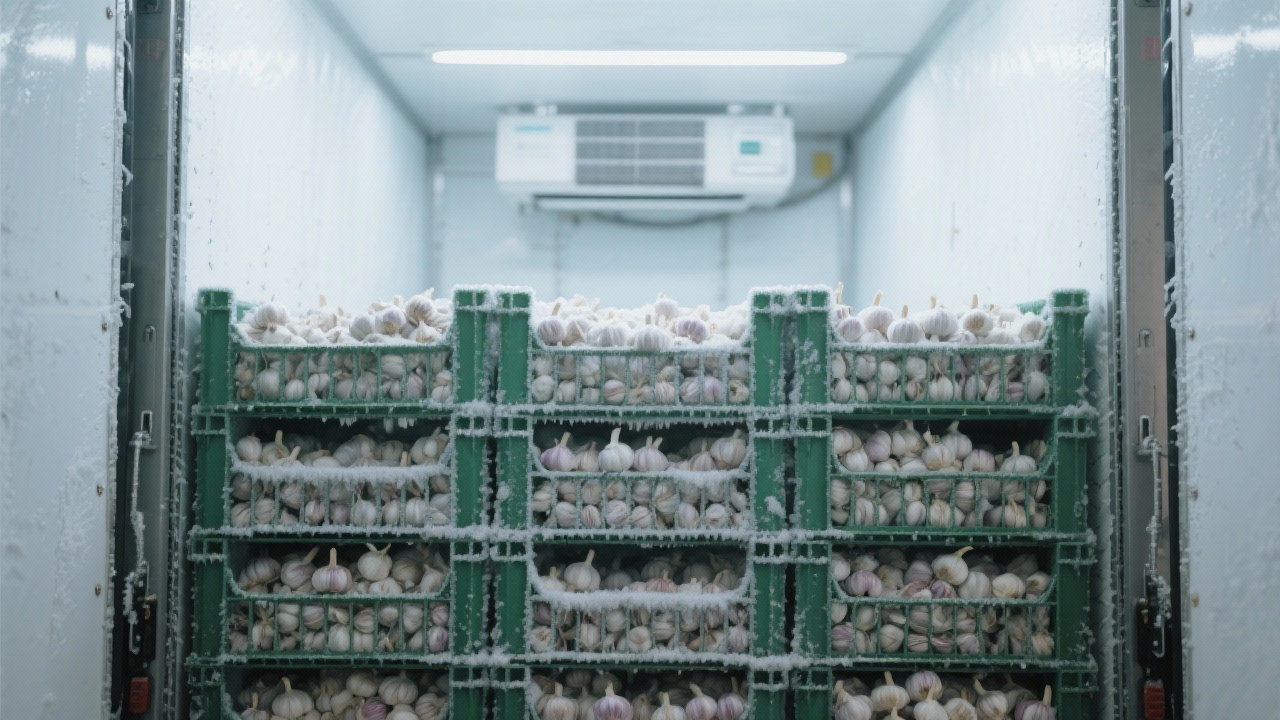
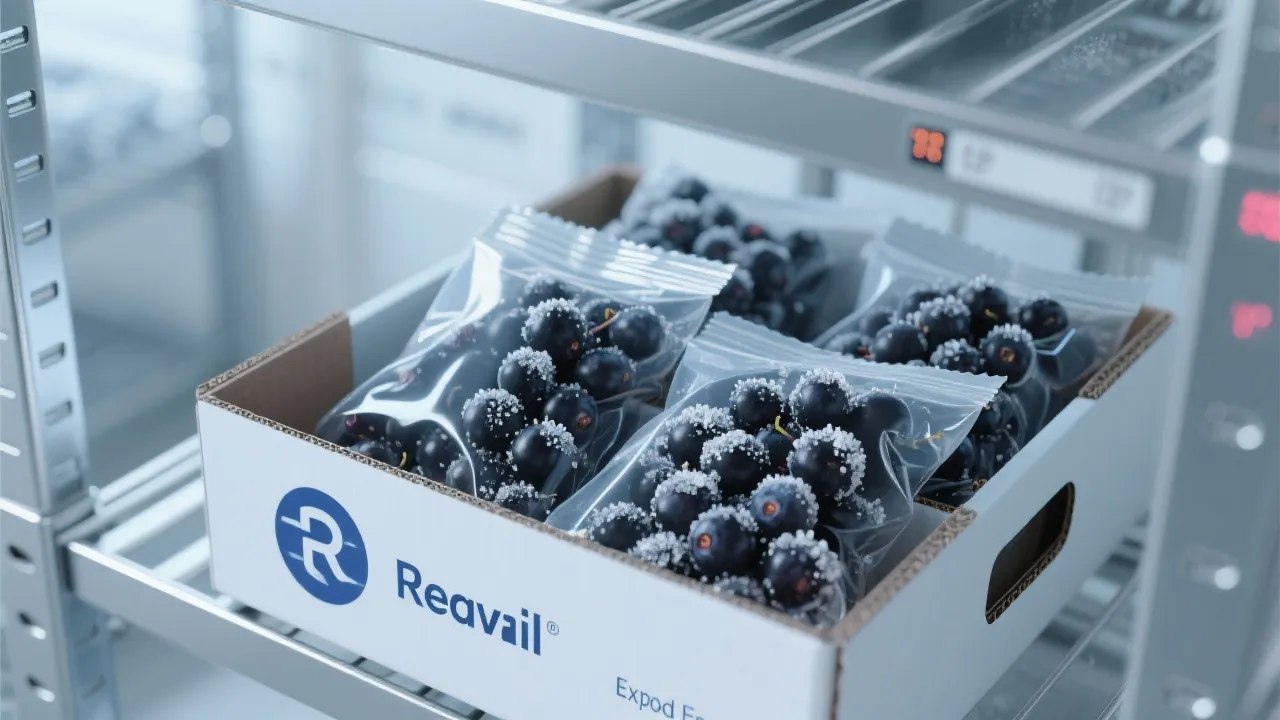
Implementing a deep-freeze supply regimen at a stringent -18℃ ensures that the freeze-dried red raspberry powder retains an impressive 95% whole-fruit integrity rate. This temperature threshold effectively halts enzymatic degradation and microbial activity that typically compromise the fruit’s bioactive components in warmer conditions.
The key to this technology lies in maintaining stable, uninterrupted thermal conditions. Any deviation towards thawing risks a measurable decrease in anthocyanin levels, directly impacting the powder's efficacy and your product's quality profile. Rigorous validation through third-party labs reveals a 95% retention rate of anthocyanins post-shipment when this standard is adhered to.
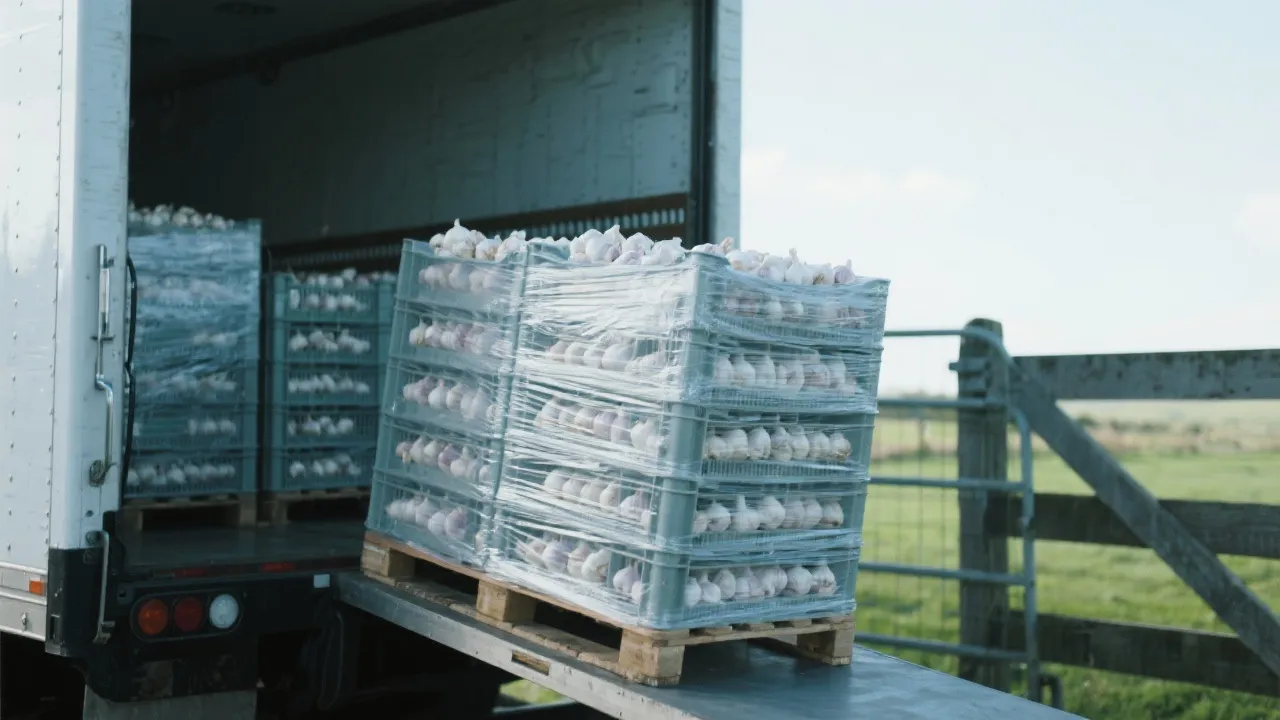
As a decision-maker, trust in the supply chain lies not just in promises but in verifiable data. Temperature monitoring devices coupled with blockchain-enabled traceability offer you real-time access to shipment thermal profiles. Every pallet is equipped with sensors transmitting continuous temperature logs to a cloud dashboard accessible on-demand.
This end-to-end visibility creates an audit trail that mitigates doubts during customs clearance and final acceptance inspection. Your QA teams can cross-check the temperature history before inventory release, reducing quality disputes and recall risks.
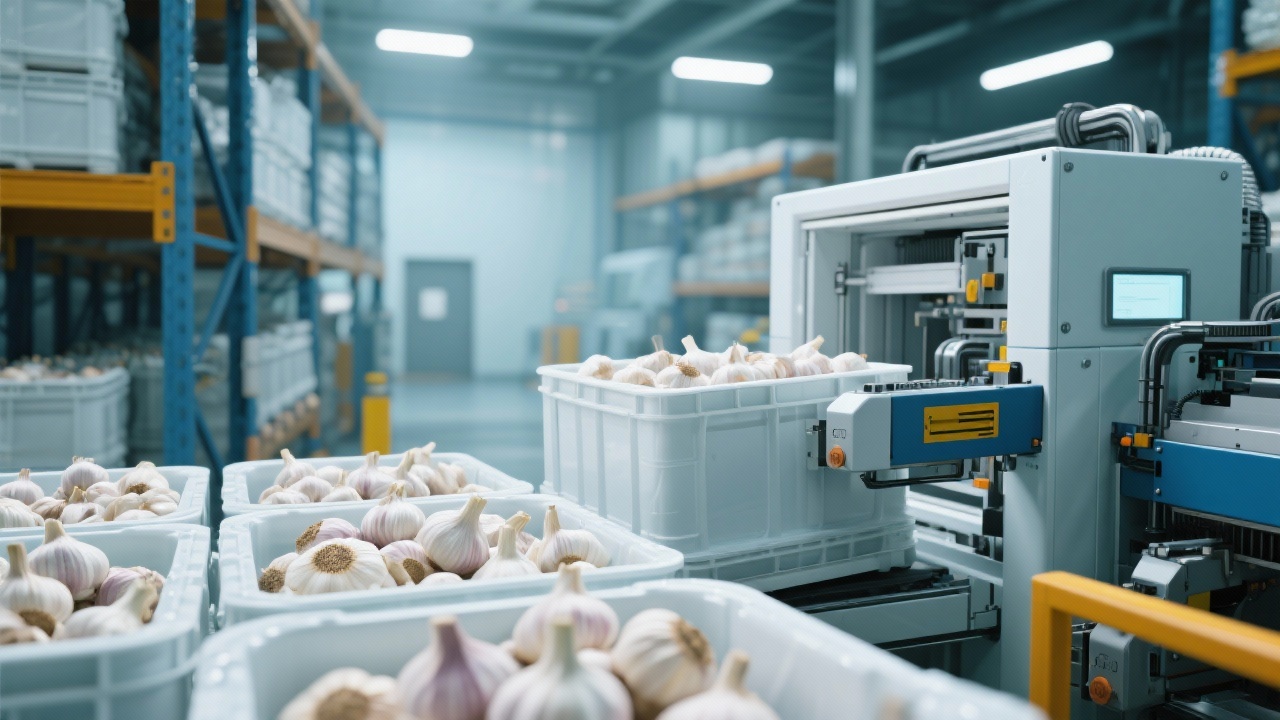
Unexpected surges or supply interruptions can cause havoc if your stock is centralized at a single location. A proven solution involves maintaining multi-warehouse stocks strategically located near major ports or hubs. This model enables rapid order fulfillment by tapping into the nearest inventory pools.
Coupled with sophisticated demand forecasting algorithms, suppliers can pre-empt stock-outs by adjusting replenishment frequency based on sales velocity and seasonal fluctuations. Our case studies show that such mechanisms reduce lead times by 30% and buffer fulfillment failures by up to 40%.
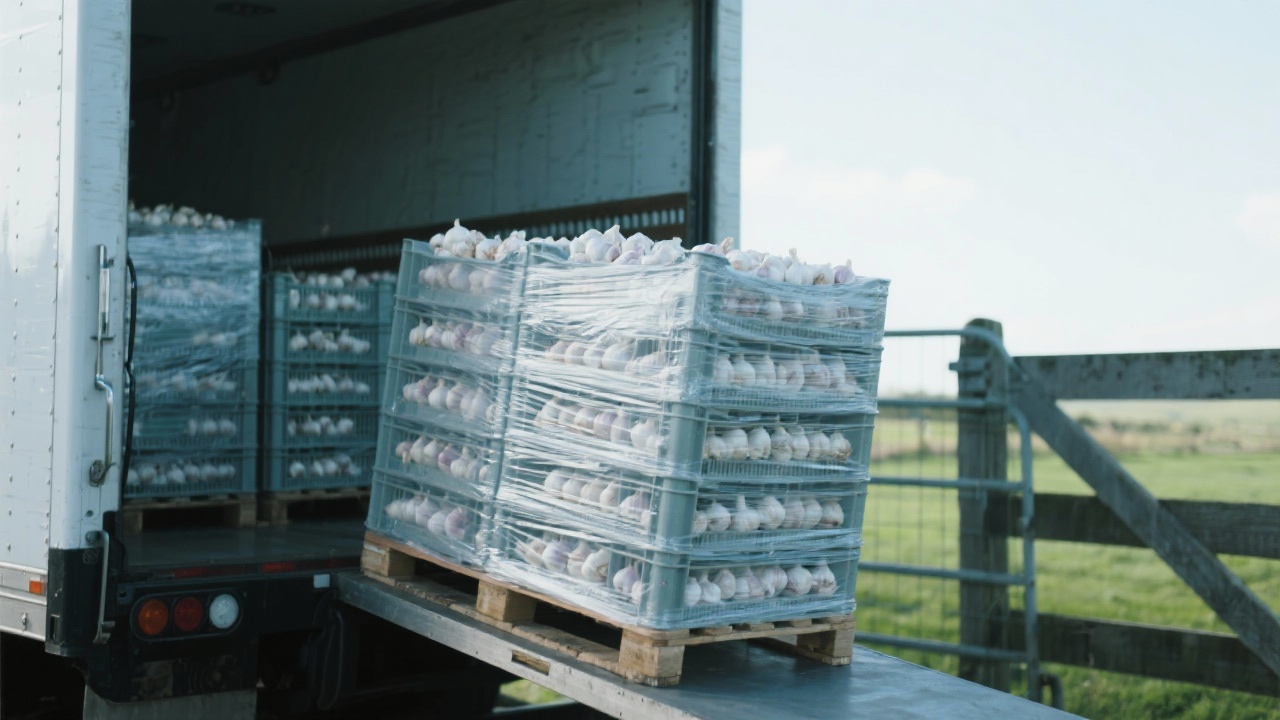
Embedding quality assurance within the supply chain flow involves certifications like HACCP, ISO 22000, and validations by SGS or CQC inspection bodies. These credentials attest that the freeze-dried powder meets stringent food safety and hygiene standards throughout processing and logistics.
For example, SGS lab reports demonstrate compliance with pesticide residue limits, microbial contamination thresholds, and heavy metal maximums, safeguarding your brand from regulatory penalties and negative publicity.
Our collaborations with global B2B customers highlight how implementing a standardized supply chain ensures consistent product performance—particularly noted in repeat orders and stable formulations. Buyers cite reductions in manufacturing downtime and emergency procurement costs as direct benefits.
This trusted supply approach doesn’t just secure product integrity; it enhances your own brand’s reliability in the eyes of end consumers.

 447
|
447
|
 frozen black currant packaging
cold chain logistics for berries
small batch trial order
OEM fruit packaging
frozen fruit supply chain
68
|
Blackcurrant quick - freezing
Liquid nitrogen freezing technology
Quality of frozen fruits
Juice and jam processing
Cold - chain transportation guarantee
79
|
Small-Batch Trial Orders
OEM Private Label Customization
Frozen Fruit Packaging Solutions
Flexible Procurement in Food Supply Chain
Frozen Blackcurrant Packaging Requirements
279
|
Quick freezing technology
Nutrient retention in frozen blackberries
Fruit preservation technology
Frozen fruit and vegetable supply chain
E - BizBridge blackberries
316
|
Freeze - dried raspberry powder supply chain
Cold - chain transportation standard
- 18°C constant - temperature logistics
Multiple warehouse stocking strategy
Inventory prediction
frozen black currant packaging
cold chain logistics for berries
small batch trial order
OEM fruit packaging
frozen fruit supply chain
68
|
Blackcurrant quick - freezing
Liquid nitrogen freezing technology
Quality of frozen fruits
Juice and jam processing
Cold - chain transportation guarantee
79
|
Small-Batch Trial Orders
OEM Private Label Customization
Frozen Fruit Packaging Solutions
Flexible Procurement in Food Supply Chain
Frozen Blackcurrant Packaging Requirements
279
|
Quick freezing technology
Nutrient retention in frozen blackberries
Fruit preservation technology
Frozen fruit and vegetable supply chain
E - BizBridge blackberries
316
|
Freeze - dried raspberry powder supply chain
Cold - chain transportation standard
- 18°C constant - temperature logistics
Multiple warehouse stocking strategy
Inventory prediction






.png?x-oss-process=image/resize,h_100,m_lfit/format,webp)
.png?x-oss-process=image/resize,h_100,m_lfit/format,webp)
.png?x-oss-process=image/resize,h_100,m_lfit/format,webp)
 English


