
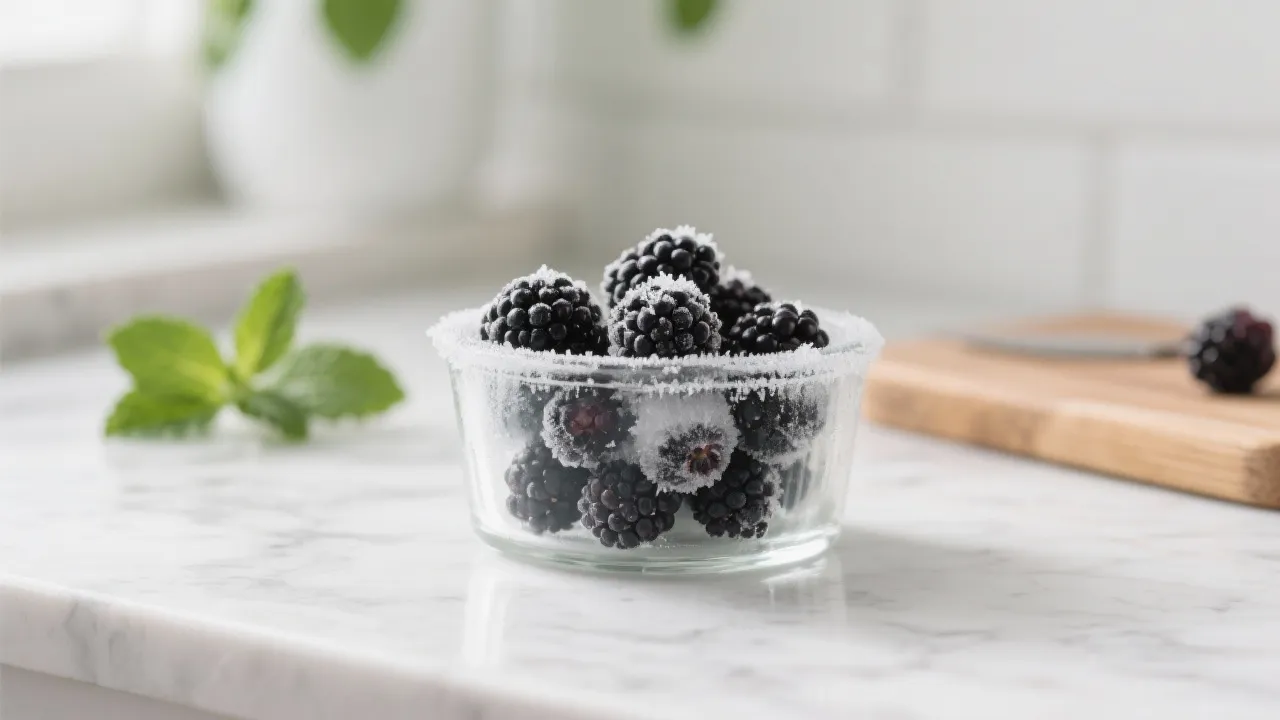
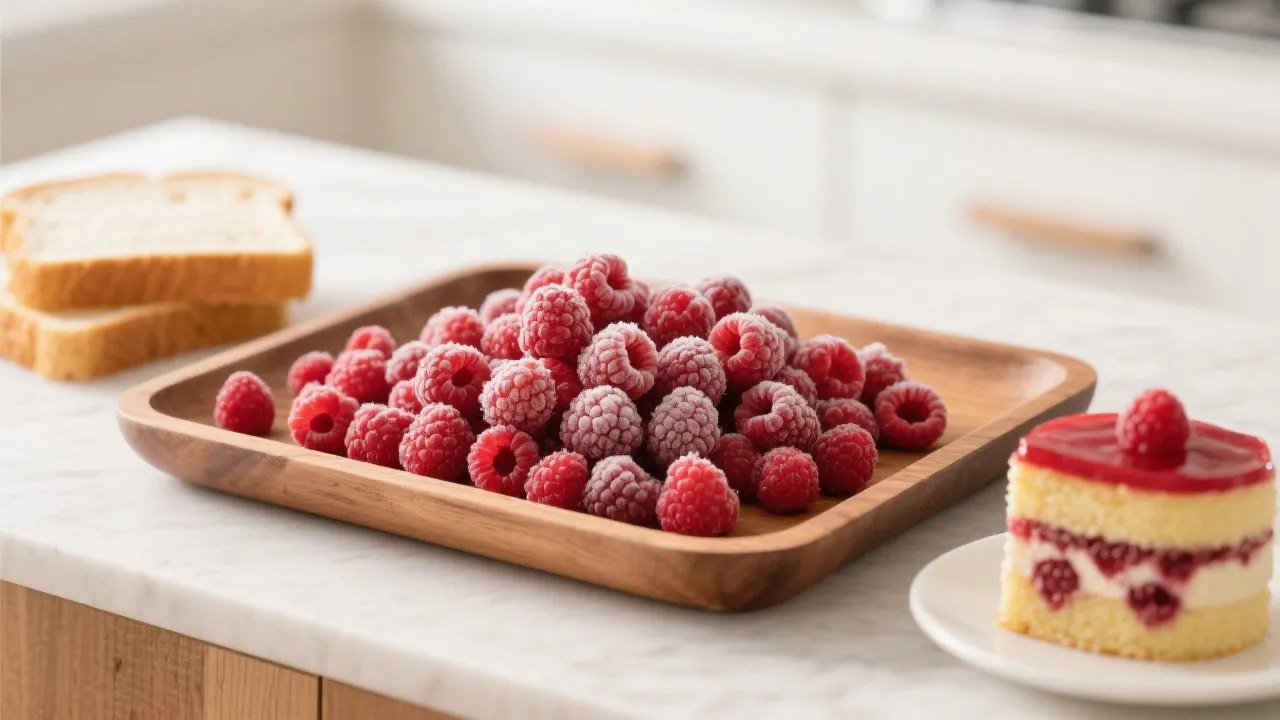
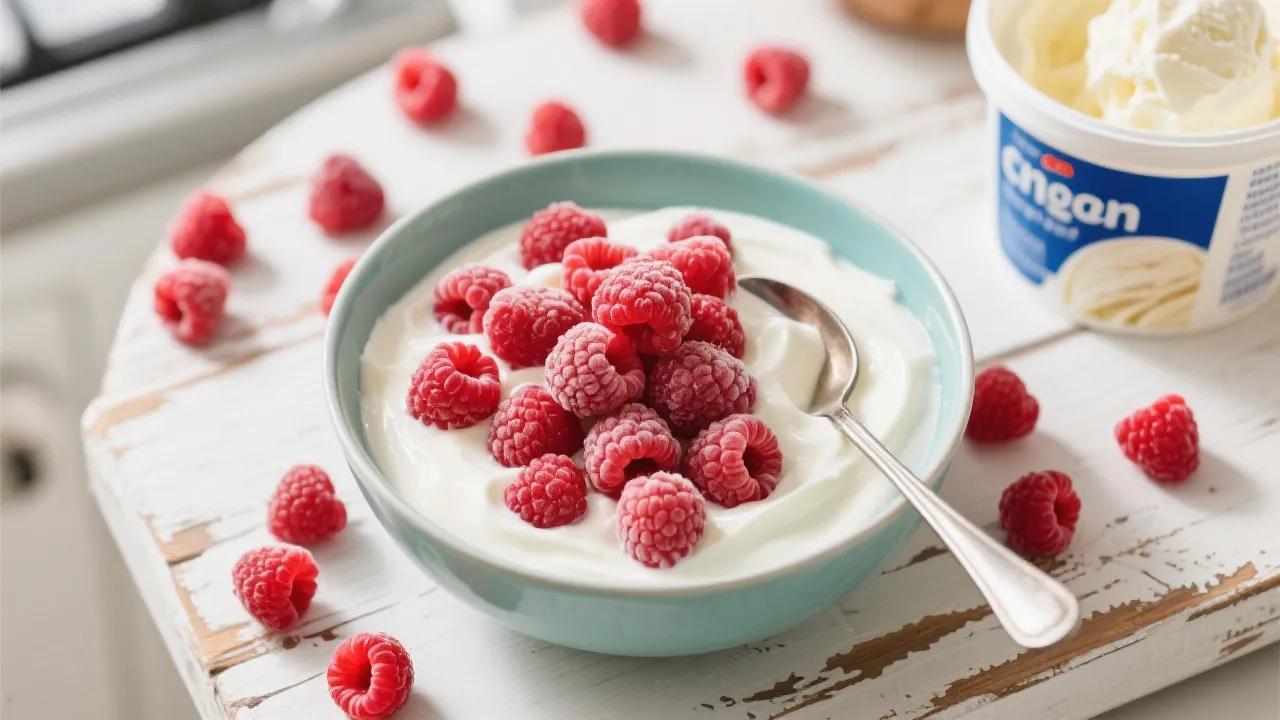
In the rapidly evolving market for functional foods, freeze-dried red raspberry powder is gaining substantial traction as a potent natural ingredient. Its rich anthocyanin profile—renowned for antioxidant benefits—positions it as a strategic addition in meal replacement powders targeting health-conscious consumers. This article unpacks how advanced freeze-drying technology and formulation strategies safeguard anthocyanin activity while optimizing bioavailability to boost product efficacy and consumer appeal.
Global consumer preference is shifting toward natural, plant-based ingredients with scientifically backed health benefits. According to Grand View Research, the functional food market is projected to expand at a compound annual growth rate (CAGR) of 8–10% over the next five years, driven largely by antioxidant-rich superfoods. Freeze-dried red raspberry powder meets rising demands for clean-label, nutrient-dense components that can seamlessly integrate into meal replacements, protein bars, and nutrient supplements.
The primary bioactive compounds in red raspberry powder are anthocyanins, responsible for both vibrant color and antioxidant activity. Traditional drying approaches often degrade these sensitive molecules due to heat exposure. The low-temperature freeze-drying process, employed by industry leaders such as Yishangqiao, preserves anthocyanin integrity by sublimating moisture under vacuum and subzero temperatures, thereby minimizing thermal deterioration.
Complementing this, a rigorous triple-stage manual selection ensures raw material purity and consistency, critical factors in maximizing active compound retention and product quality during scale-up.
Anthocyanins exhibit pH-dependent stability and solubility. Functional food formulators enhance bioavailability by tailoring system pH close to mildly acidic conditions (approximately pH 3 to 4.5), where anthocyanins maintain their flavylium cation form with optimal antioxidant properties.
Additionally, incorporating natural carrier matrices such as maltodextrin or gum arabic supports molecular encapsulation, shielding anthocyanins during gastrointestinal transit and enabling gradual release. This dual approach increases absorption efficiency and prolongs in vivo activity.
Practical application studies demonstrate consistent anthocyanin retention across various meal replacement powders, protein bars, and pressed candies incorporating freeze-dried red raspberry powder.
Robust stability tests—spanning accelerated aging at 40°C and normal storage at 25°C—indicate less than 10% degradation of anthocyanin content over 6 months when combined with optimized pH and carriers. Sensory evaluation further assures that color and flavor profiles align with consumer expectations, overcoming common masking challenges in complex matrices.
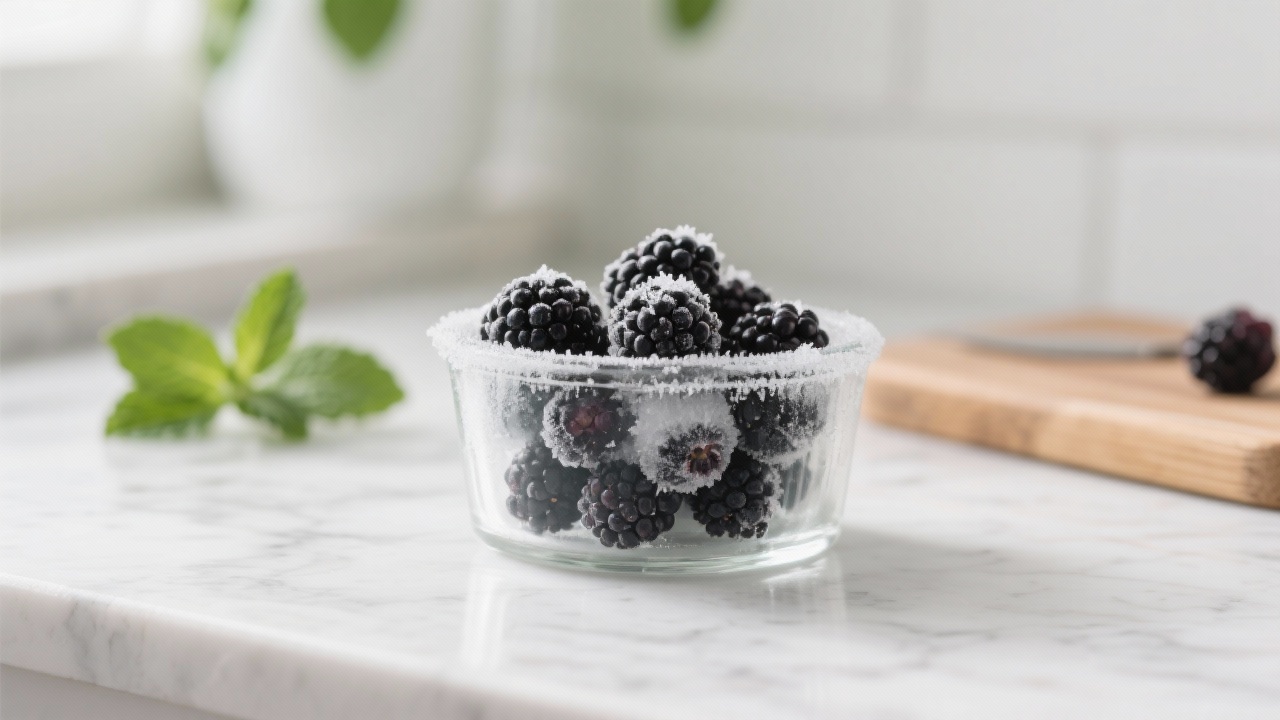
Moving from experimental formulations to commercial manufacturing necessitates replicable freeze-drying protocols and precise raw material sourcing. Key actionable recommendations include:
To maximize knowledge transfer among B2B clients—namely food scientists and product developers—leveraging diversified content forms is highly effective. Suggested formats include:
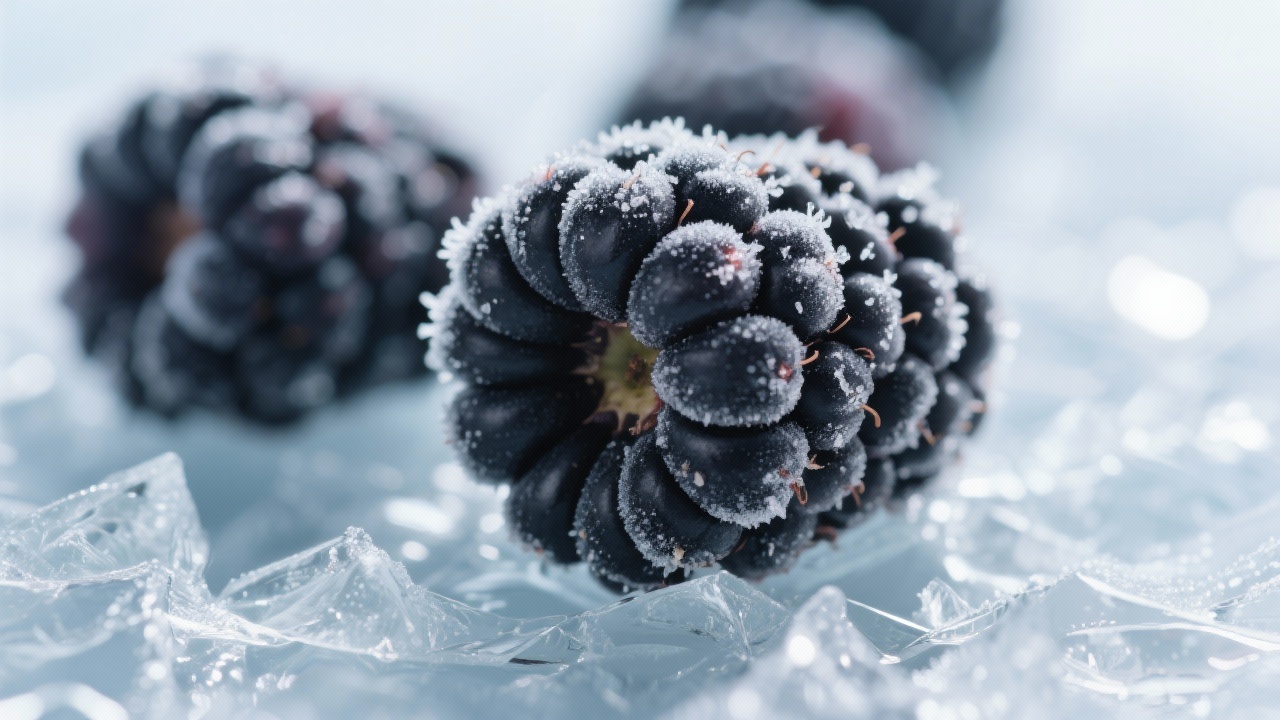
"The introduction of high-quality freeze-dried raspberry powder transformed our meal replacement line’s antioxidant capacity, improving shelf life and consumer trust dramatically." – Senior R&D Manager, Leading Nutraceutical Producer
Case studies reveal partners achieving up to 30% enhanced anthocyanin bioavailability post formulation, driving positive health claims and measurable market differentiation.

 153
|
153
|
 rapid freezing technology
frozen blackberries nutrition retention
vitamin C preservation
antioxidant protection
food freezing process
96
|
organic frozen blackberry smoothie recipe
frozen blackberry nutrition benefits
healthy smoothie搭配 guide
blackberry smoothie flavor enhancement
frozen fruit storage tips
48
|
frozen blackberry sourcing guide
organic frozen fruit selection
food processing raw material quality control
HACCP certified frozen berries
triple manual screening standard
377
|
organic frozen blackberries
customized repackaging services
supply chain management
loss reduction
food safety certification
194
|
Small-batch trial orders
OEM private label customization
Frozen fruit packaging solutions
Flexible procurement in the food supply chain
Packaging requirements for frozen blackcurrants
rapid freezing technology
frozen blackberries nutrition retention
vitamin C preservation
antioxidant protection
food freezing process
96
|
organic frozen blackberry smoothie recipe
frozen blackberry nutrition benefits
healthy smoothie搭配 guide
blackberry smoothie flavor enhancement
frozen fruit storage tips
48
|
frozen blackberry sourcing guide
organic frozen fruit selection
food processing raw material quality control
HACCP certified frozen berries
triple manual screening standard
377
|
organic frozen blackberries
customized repackaging services
supply chain management
loss reduction
food safety certification
194
|
Small-batch trial orders
OEM private label customization
Frozen fruit packaging solutions
Flexible procurement in the food supply chain
Packaging requirements for frozen blackcurrants

.jpg?x-oss-process=image/resize,h_800,m_lfit/format,webp)



.png?x-oss-process=image/resize,h_100,m_lfit/format,webp)
.png?x-oss-process=image/resize,h_100,m_lfit/format,webp)
.png?x-oss-process=image/resize,h_100,m_lfit/format,webp)
 English


