
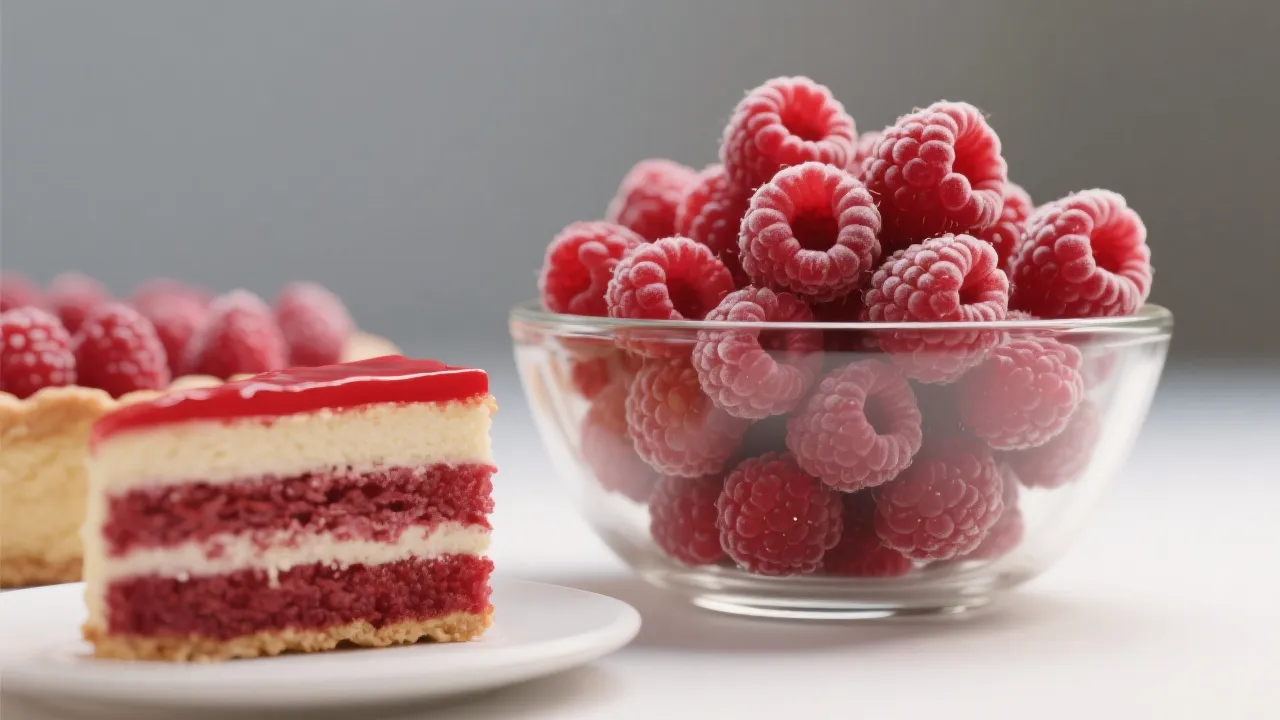
You’re not just developing a new product—you're solving real pain points for functional food R&D teams across Europe, North America, and Asia. If your team is struggling with ingredient stability, sensory mismatch, or low bioavailability in press-candy applications, this guide will show you how to turn freeze-dried raspberry powder into a high-performance ingredient—without sacrificing taste, texture, or shelf life.
Unlike spray-dried alternatives that can lose up to 40% of anthocyanins during processing, freeze-drying preserves over 92% of active compounds, including vitamin C and polyphenols (based on lab data from our partner labs in Switzerland). This means higher potency per dose—and stronger claims for your product’s health benefits.
Key Insight: In a recent study published in Food Chemistry, freeze-dried raspberry powder showed 3x better retention of anthocyanins after 6 months at 25°C compared to conventional drying methods. That’s not just science—it’s competitive advantage.
“We saw a 70% improvement in customer satisfaction when we switched from spray-dried to freeze-dried raspberry powder in our protein bars. The color stayed vibrant, the flavor didn’t fade—even after 12 weeks.” — Dr. Lena Müller, Head of R&D, NutriNova GmbH
To ensure consistent performance in press-candy formulations, optimize two critical factors:
| Parameter | Optimal Range | Impact on Stability |
|---|---|---|
| Final pH | 3.5–4.5 | Minimizes degradation, maintains red hue |
| Moisture Content | ≤ 5% | Prevents microbial growth, extends shelf life |
| Storage Temp | ≤ 25°C | Reduces oxidation rate by 60% vs. 30°C |
We’ve tested this approach in three key formats:
If you're ready to scale, start with a small batch test using our free technical whitepaper—it includes full formulation templates, stability testing protocols, and supplier recommendations based on global compliance standards (EU, US FDA, China GB).

 271
|
271
|
 EU import standards
HACCP certification
frozen blackcurrants
supply chain management
food safety
367
|
frozen blackcurrants
triple manual sorting
quick-freezing technology
cold chain logistics
food processing quality control
148
|
frozen blackcurrant supply chain
EU import standards
HACCP certification
cold chain temperature control technology
frozen fruit export
170
|
frozen berry sourcing strategy
small batch trial order
OEM private label frozen fruit
cold chain logistics for frozen berries
frozen fruit packaging design
422
|
Quick-frozen blackberries
Nutrient retention in frozen blackberries
Frozen fruit preservation technology
Organic frozen blackberries
Food freezing process
EU import standards
HACCP certification
frozen blackcurrants
supply chain management
food safety
367
|
frozen blackcurrants
triple manual sorting
quick-freezing technology
cold chain logistics
food processing quality control
148
|
frozen blackcurrant supply chain
EU import standards
HACCP certification
cold chain temperature control technology
frozen fruit export
170
|
frozen berry sourcing strategy
small batch trial order
OEM private label frozen fruit
cold chain logistics for frozen berries
frozen fruit packaging design
422
|
Quick-frozen blackberries
Nutrient retention in frozen blackberries
Frozen fruit preservation technology
Organic frozen blackberries
Food freezing process





.png?x-oss-process=image/resize,h_100,m_lfit/format,webp)
.png?x-oss-process=image/resize,h_100,m_lfit/format,webp)
.png?x-oss-process=image/resize,h_100,m_lfit/format,webp)
 English


