
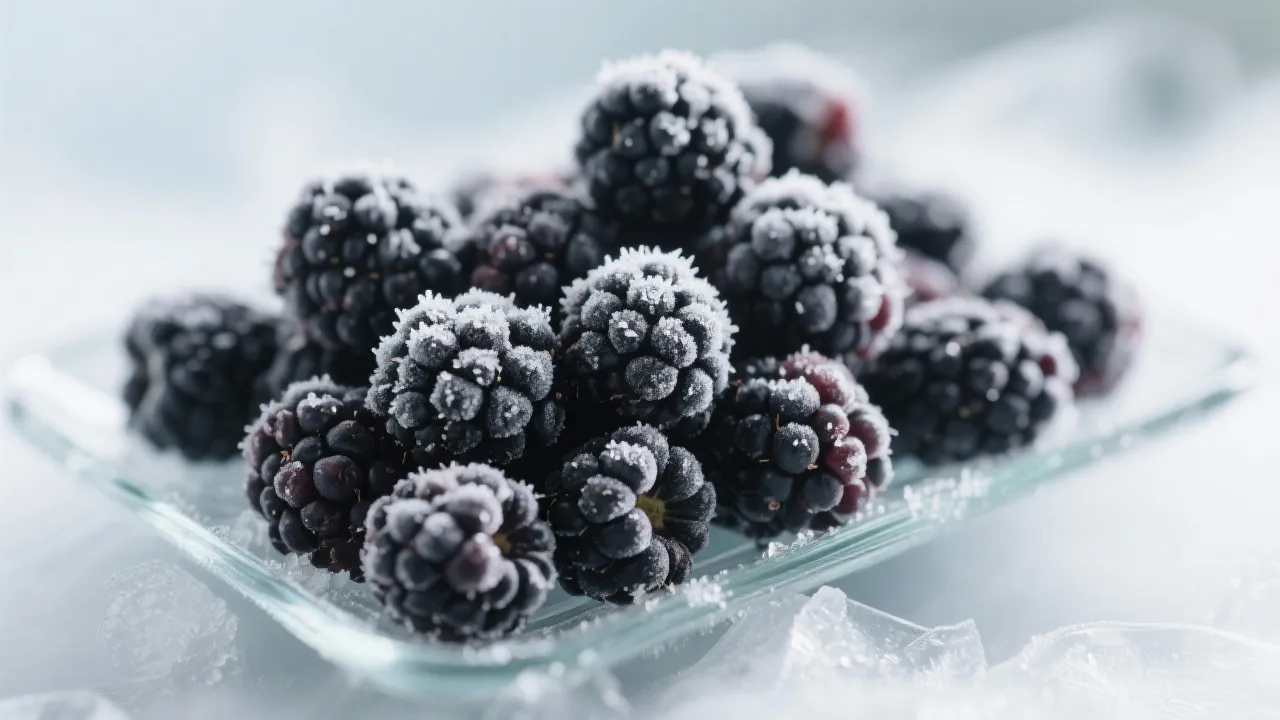
As functional food development accelerates globally—driven by consumer demand for clean-label, nutrient-dense products—freeze-dried raspberry powder has emerged as a high-value ingredient for protein bars, meal replacements, and sports nutrition formulations.
But here’s the challenge most R&D teams face: how do you maintain anthocyanin integrity during processing without compromising taste or shelf life? The answer lies not just in sourcing quality raw material—but in smart formulation design.
Traditional spray drying can degrade up to 60% of anthocyanins due to heat exposure and oxidation. In contrast, freeze-drying preserves over 95% of bioactive compounds—including vitamin C and polyphenols—by removing water at sub-zero temperatures under vacuum. This means your red tree berry powder retains its vibrant color, antioxidant capacity, and stability through both storage and processing.
For B2B developers working on protein bars targeting health-conscious consumers (especially in EU, US, and APAC markets), this isn’t just a technical win—it’s a marketing advantage. A single serving of a bar with 500mg freeze-dried raspberry powder delivers ~180mg of total anthocyanins—a level clinically shown to support cardiovascular health and cognitive function.
You may have experienced it yourself: red raspberry powder turning grayish-brown in baked goods or protein bars after days on shelf. That’s not just an aesthetic issue—it signals poor bioavailability and loss of value.
That’s why we recommend a structured stability test protocol: store samples at 25°C/60% RH for 30 days, then measure anthocyanin retention via HPLC and sensory evaluation (color, flavor, mouthfeel). If you’re scaling up from lab to pilot production, always run a 3-cycle trial batch before full-scale manufacturing.
Many suppliers offer “high-quality” raspberry powders—but few provide the real-time support needed for successful integration. We’ve helped over 40 global brands—from Europe to North America—transition from small-scale trials to commercial batches without reformulation delays.
Our process includes:
Whether you're developing a new line of plant-based protein bars or optimizing existing formulas, our team provides actionable insights grounded in science—not theory.
Have you struggled with raspberry powder instability in your protein bar formulations? Share your experience below—we’ll respond within 24 hours and share tailored tips based on your specific formulation challenges.

 413
|
413
|
 Frozen blackcurrants
Quick - freezing technology
Cold chain transportation
-18°C cold chain
Jam processing
426
|
organic frozen blackberries
high - quality frozen blackberries
blackberry supply chain management
HACCP certification
rapid freezing technology
377
|
organic frozen blackberries
customized repackaging services
supply chain management
loss reduction
food safety certification
198
|
organic frozen blackberries
rapid freezing technology
HACCP certification
food safety standards
supply chain quality control
46
|
organic frozen blackberries
smoothie base ingredients
healthy smoothie recipes
frozen fruit for restaurants
organic berry smoothie
Frozen blackcurrants
Quick - freezing technology
Cold chain transportation
-18°C cold chain
Jam processing
426
|
organic frozen blackberries
high - quality frozen blackberries
blackberry supply chain management
HACCP certification
rapid freezing technology
377
|
organic frozen blackberries
customized repackaging services
supply chain management
loss reduction
food safety certification
198
|
organic frozen blackberries
rapid freezing technology
HACCP certification
food safety standards
supply chain quality control
46
|
organic frozen blackberries
smoothie base ingredients
healthy smoothie recipes
frozen fruit for restaurants
organic berry smoothie




.png?x-oss-process=image/resize,h_100,m_lfit/format,webp)
.png?x-oss-process=image/resize,h_100,m_lfit/format,webp)
.png?x-oss-process=image/resize,h_100,m_lfit/format,webp)
 English


