
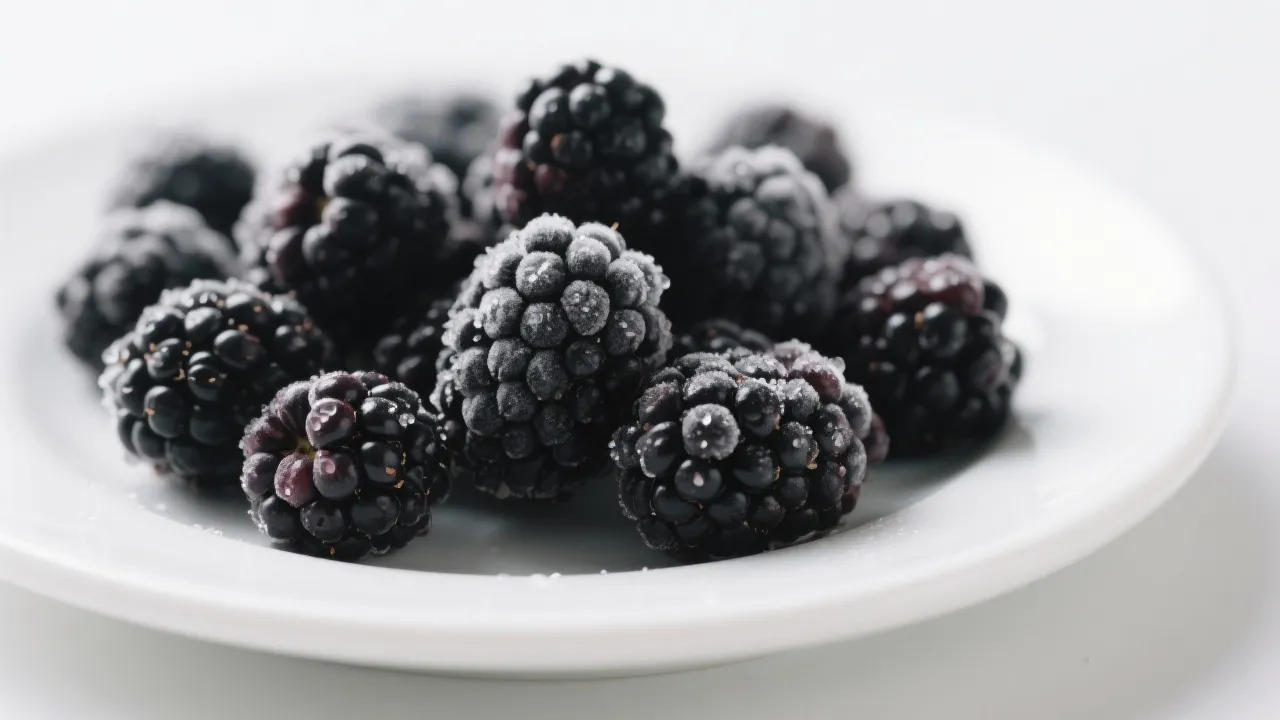
As functional food innovation accelerates globally—driven by rising consumer demand for clean-label, nutrient-dense ingredients—freeze-dried raspberry powder has emerged as a premium botanical ingredient for meal replacement powders, protein bars, and health-focused snacks. But moving from lab-scale trials to full-scale production isn’t just about scaling up—it’s about preserving bioactive compounds like anthocyanins and vitamin C while ensuring sensory stability and consistent performance.
According to a 2023 report by Grand View Research, the global functional food market is projected to reach $420 billion by 2030, with berry-based extracts leading growth due to their antioxidant properties and consumer perception of “natural” health benefits. Red raspberries contain over 50 mg/g anthocyanins—a key marker for anti-inflammatory and cardiovascular support. However, traditional drying methods (e.g., spray or hot-air drying) can degrade up to 70% of these compounds during processing.
Here's what sets freeze-drying apart:
You may have encountered this issue: your red raspberry powder turns dull brown after storage—even if it looked vibrant fresh out of the lab. That’s not just cosmetic—it signals degradation of anthocyanins, which directly impacts both efficacy and shelf-life claims.
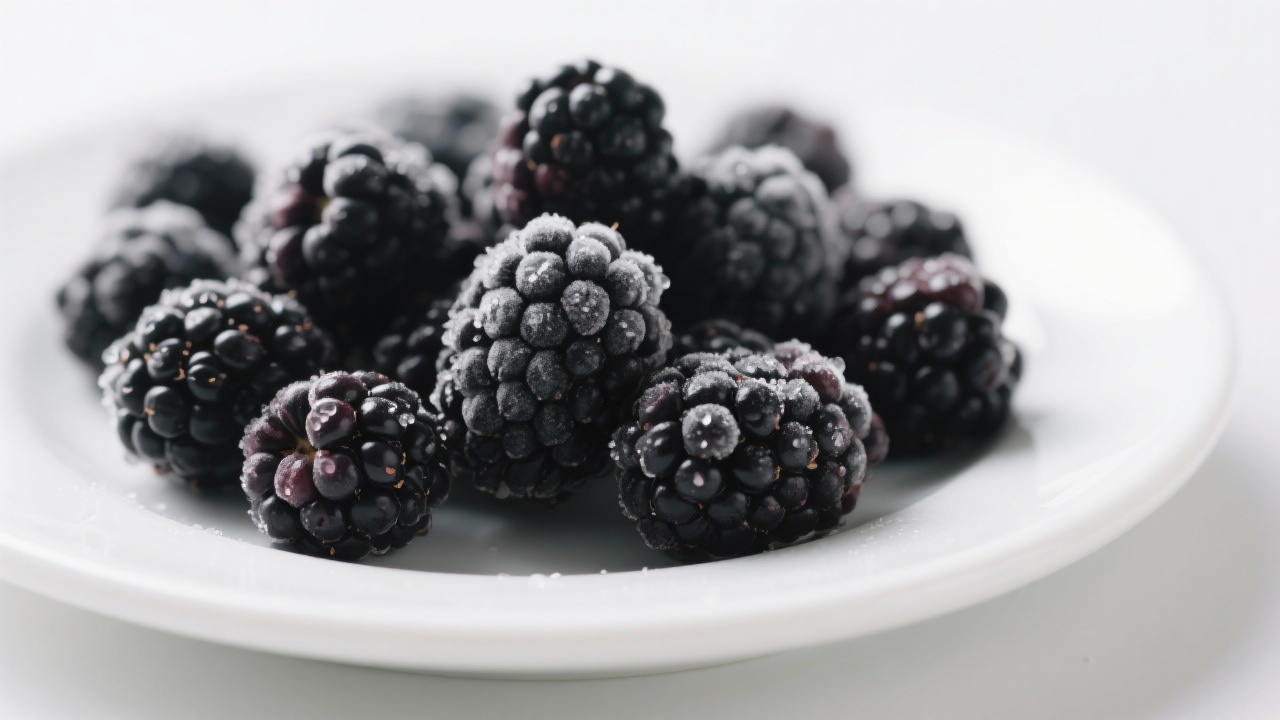
When incorporating freeze-dried raspberry powder into meal replacements, two variables dominate success: pH stability and carrier matrix compatibility. A study published in the Journal of Food Engineering (2022) found that at pH levels below 3.5, anthocyanins remain stable—but above pH 5.0, degradation increases exponentially. This means your formulation must account for buffer systems or encapsulation strategies when blending with alkaline proteins like whey or soy isolate.
Carriers matter too. In our own internal testing with 12 different base matrices (including maltodextrin, rice flour, and hydrolyzed collagen), we observed that maltodextrin-based carriers improved dispersion and reduced sedimentation by 62%, while also enhancing mouthfeel without compromising sweetness profiles.
In a real-world case involving a U.S.-based sports nutrition brand, we helped optimize a 10% freeze-dried raspberry powder inclusion rate in a high-protein bar. Initial failures included color fading after 3 weeks and inconsistent mouthfeel. The fix? A dual approach:
Post-optimization, the product passed accelerated stability tests (40°C/75% RH for 6 months) with no visible color change and a 94% anthocyanin retention rate at end-of-shelf-life.
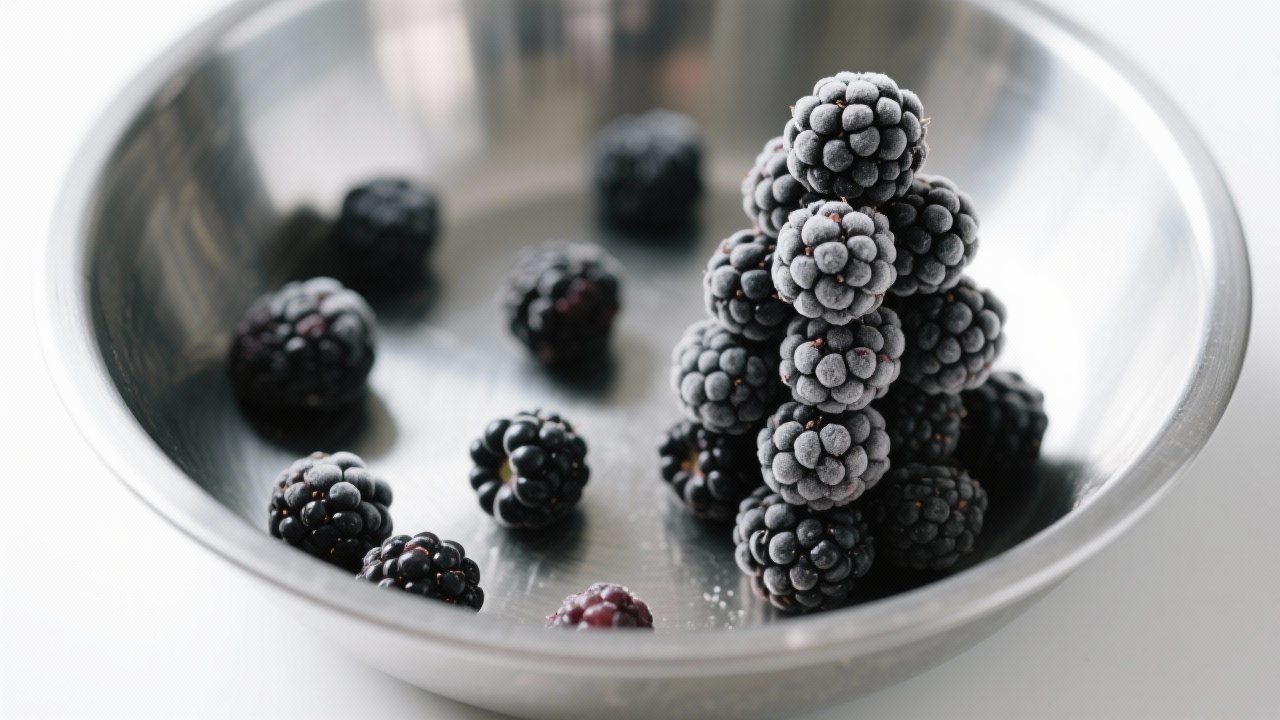
One major pitfall is assuming lab-scale results translate directly to pilot or commercial batches. For example, mixing speed, shear forces, and exposure time to air during blending can significantly impact particle integrity. We recommend starting with a low-shear mixer (<500 rpm) and using nitrogen flushing during bulk transfer to minimize oxidation.
Also, don’t underestimate the importance of moisture control. Even 0.5% excess moisture in final powder can trigger microbial growth or clumping over time—especially in humid climates like Southeast Asia or Latin America.
“We were skeptical about using freeze-dried raspberry powder until we saw the data. Now it’s part of our core product line—and customers love the natural color and clean label appeal.” — Dr. Lena Kim, Head of R&D, NutriCore Inc.
If you're navigating the complexities of integrating freeze-dried berries into your functional formulations—or simply want to understand how to maximize bioavailability while minimizing waste—you’re not alone.
Ready to transform your next formula?
Apply for Samples + Technical Data Pack Today
 153
|
153
|
 organic frozen blackberries
triple manual sorting
rapid freezing technology
HACCP certification
custom packaging services
79
|
Small-Batch Trial Orders
OEM Private Label Customization
Frozen Fruit Packaging Solutions
Flexible Procurement in Food Supply Chain
Frozen Blackcurrant Packaging Requirements
432
|
small batch trial order
frozen blackcurrant export
OEM private label packaging
food supply chain flexibility
frozen fruit packaging requirements
300
|
Quick-freezing technology
Nutritional retention of frozen blackberries
Blackberry supply chain management
Food preservation process
Organic frozen fruits
432
|
frozen blackcurrant packaging requirements
OEM private label design
small batch trial packaging
food supply chain flexibility
EU food labeling compliance
organic frozen blackberries
triple manual sorting
rapid freezing technology
HACCP certification
custom packaging services
79
|
Small-Batch Trial Orders
OEM Private Label Customization
Frozen Fruit Packaging Solutions
Flexible Procurement in Food Supply Chain
Frozen Blackcurrant Packaging Requirements
432
|
small batch trial order
frozen blackcurrant export
OEM private label packaging
food supply chain flexibility
frozen fruit packaging requirements
300
|
Quick-freezing technology
Nutritional retention of frozen blackberries
Blackberry supply chain management
Food preservation process
Organic frozen fruits
432
|
frozen blackcurrant packaging requirements
OEM private label design
small batch trial packaging
food supply chain flexibility
EU food labeling compliance





.png?x-oss-process=image/resize,h_100,m_lfit/format,webp)
.png?x-oss-process=image/resize,h_100,m_lfit/format,webp)
.png?x-oss-process=image/resize,h_100,m_lfit/format,webp)
 English


