
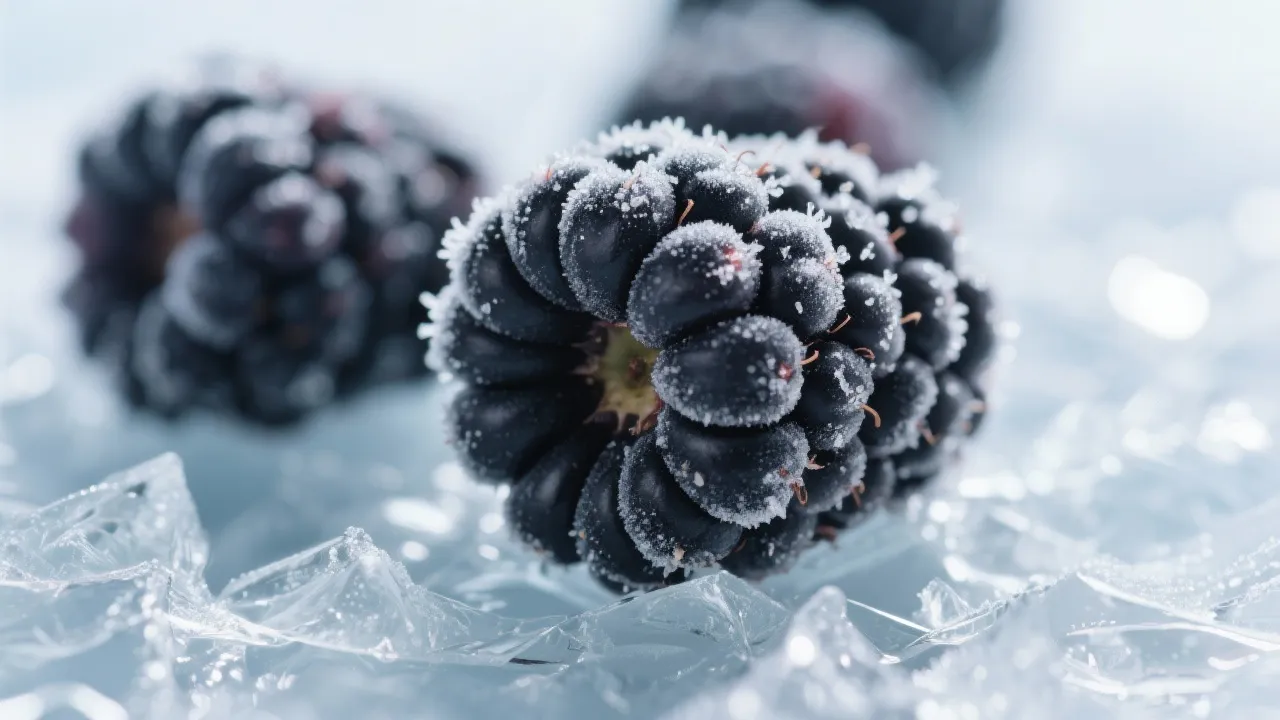
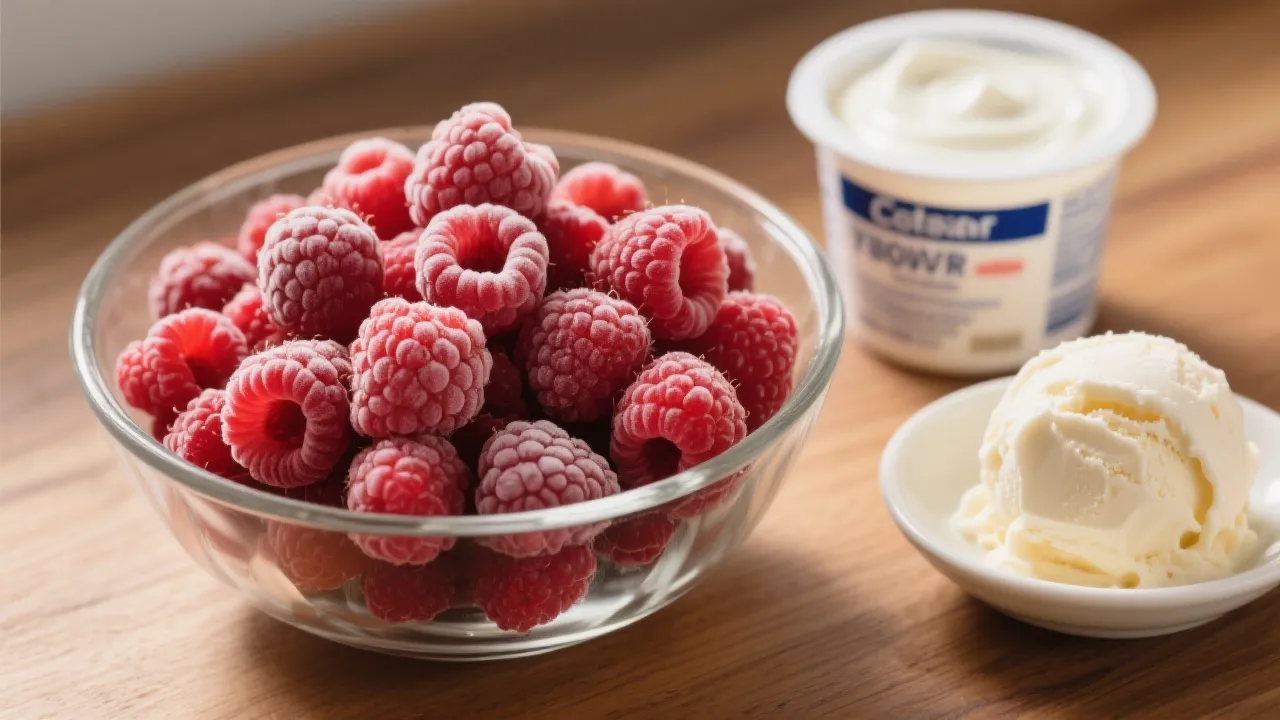
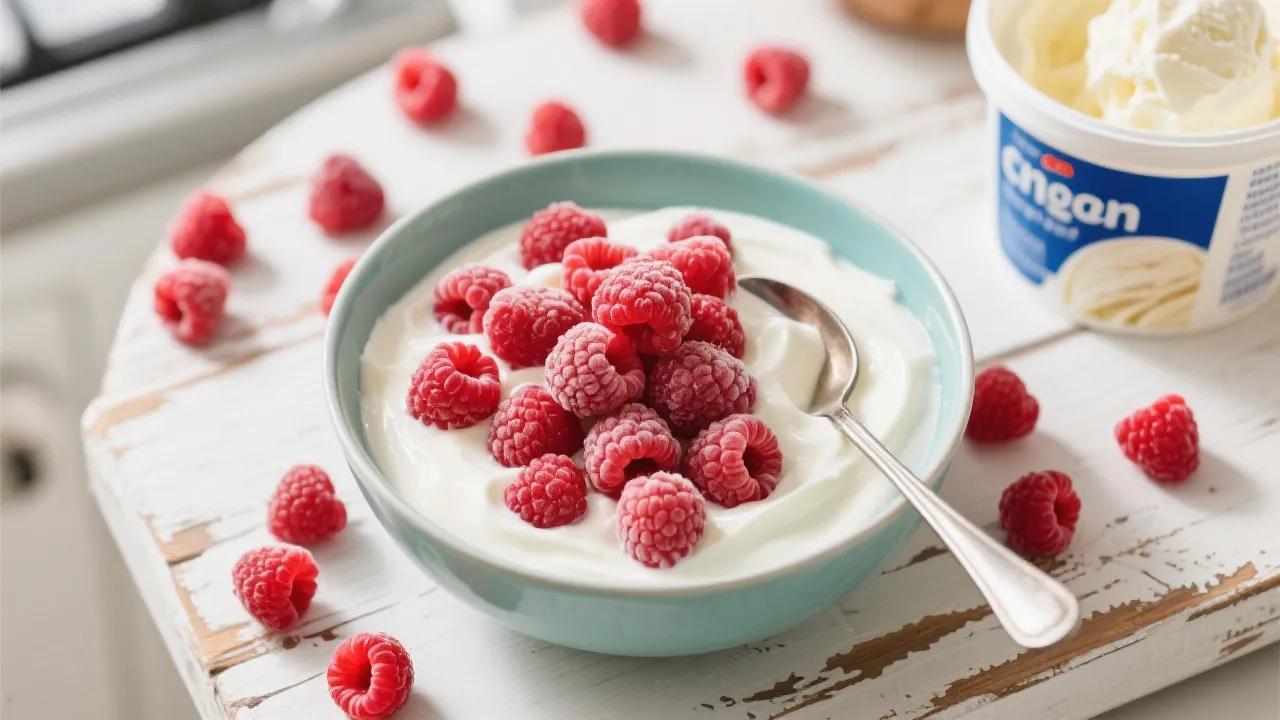
In recent years, the functional food market has witnessed a significant demand for high-activity natural ingredients. Freeze-dried red raspberry powder has emerged as a promising option due to its rich nutritional value, especially the high content of anthocyanins and vitamin C. This article delves into the application technology of freeze-dried red raspberry powder in functional foods, aiming to help food R & D personnel and nutrition product manufacturers overcome processing challenges and enhance market competitiveness.
The global functional food market has been growing steadily at an annual rate of approximately 7% in the past few years. Consumers are increasingly seeking products with natural and healthy ingredients. Freeze-dried red raspberry powder meets this demand as it retains most of the nutrients and bioactive components of fresh raspberries. Compared with other processing methods, the low-temperature freeze-drying process can better preserve the activity of anthocyanins and vitamin C, which are known for their antioxidant, anti-inflammatory, and anti-aging properties.
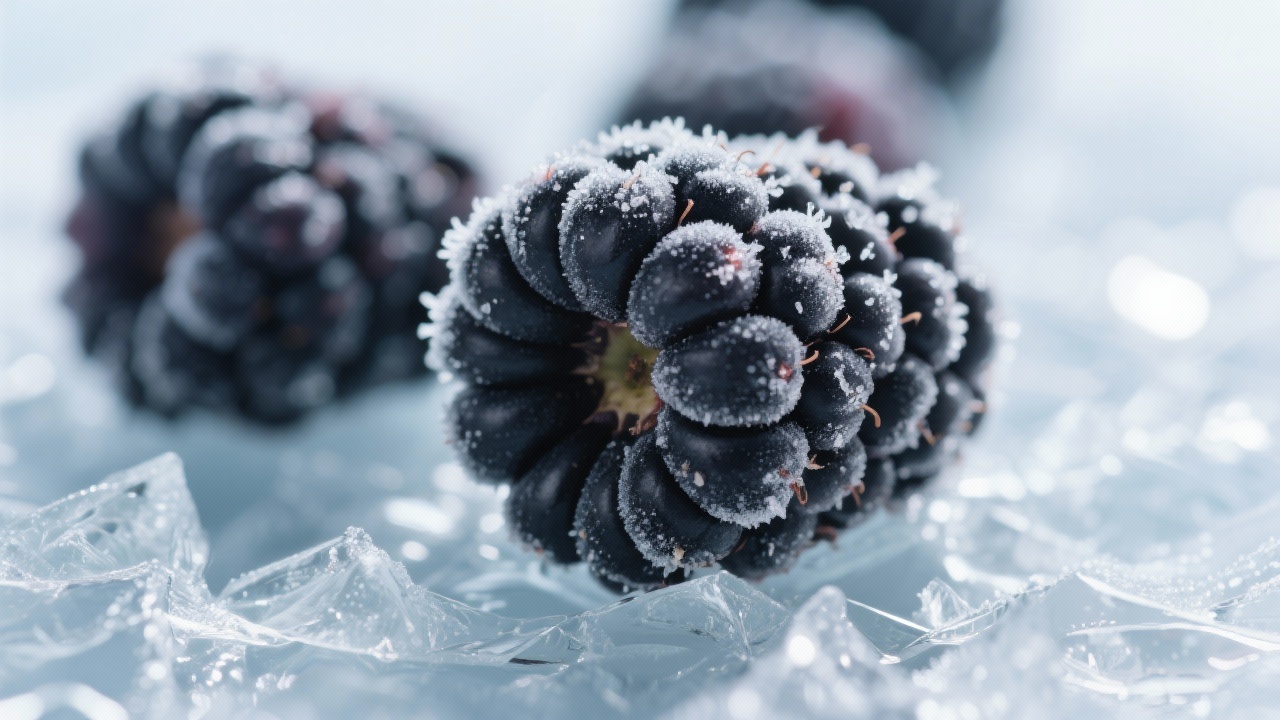
The low-temperature freeze-drying process involves freezing the raspberries at extremely low temperatures (-40°C to -50°C) and then removing the moisture through sublimation under vacuum conditions. This process minimizes the damage to the structure of anthocyanins and vitamin C, effectively protecting their activity. Research shows that the retention rate of anthocyanins in freeze-dried red raspberry powder can reach up to 90%, while the vitamin C retention rate is about 85%.
Bioavailability is a crucial factor in the application of freeze-dried red raspberry powder in functional foods. pH adjustment and carrier selection play important roles in improving bioavailability. For example, adjusting the pH value of the product to 3 - 4 can enhance the stability and solubility of anthocyanins. Choosing appropriate carriers such as cyclodextrin can also improve the encapsulation and release of active ingredients, thereby increasing bioavailability by about 20% - 30%.
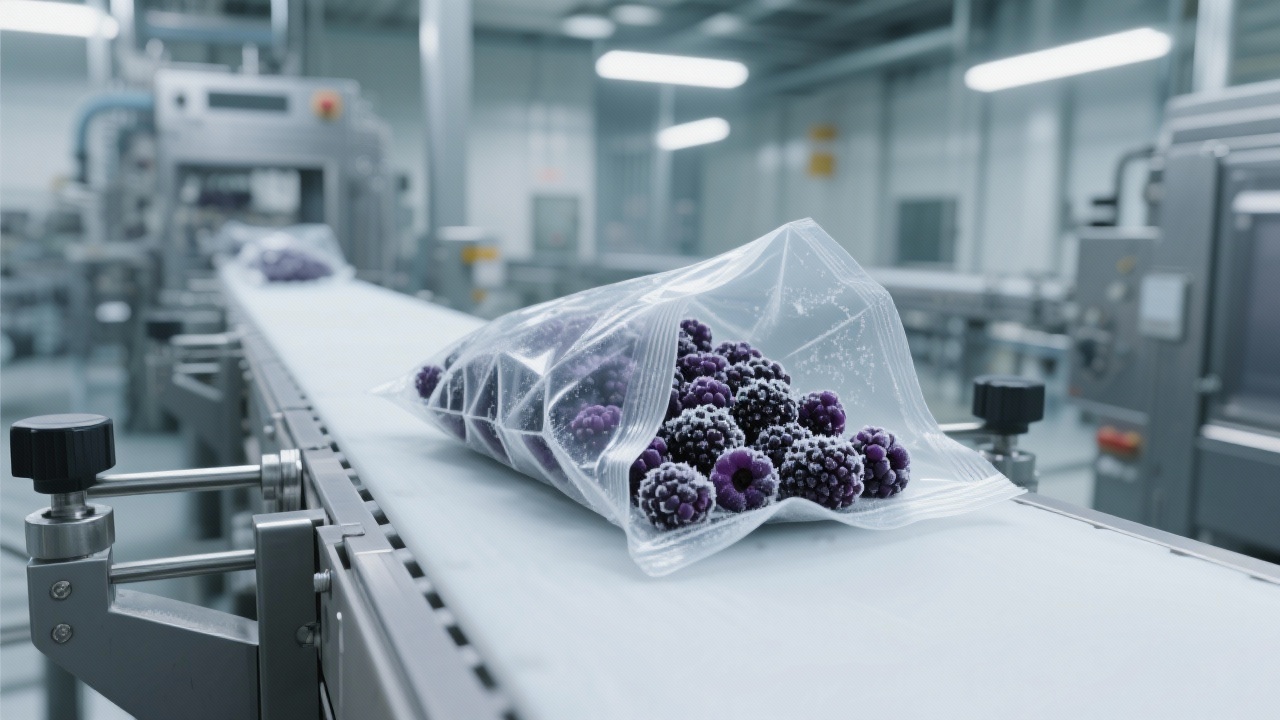
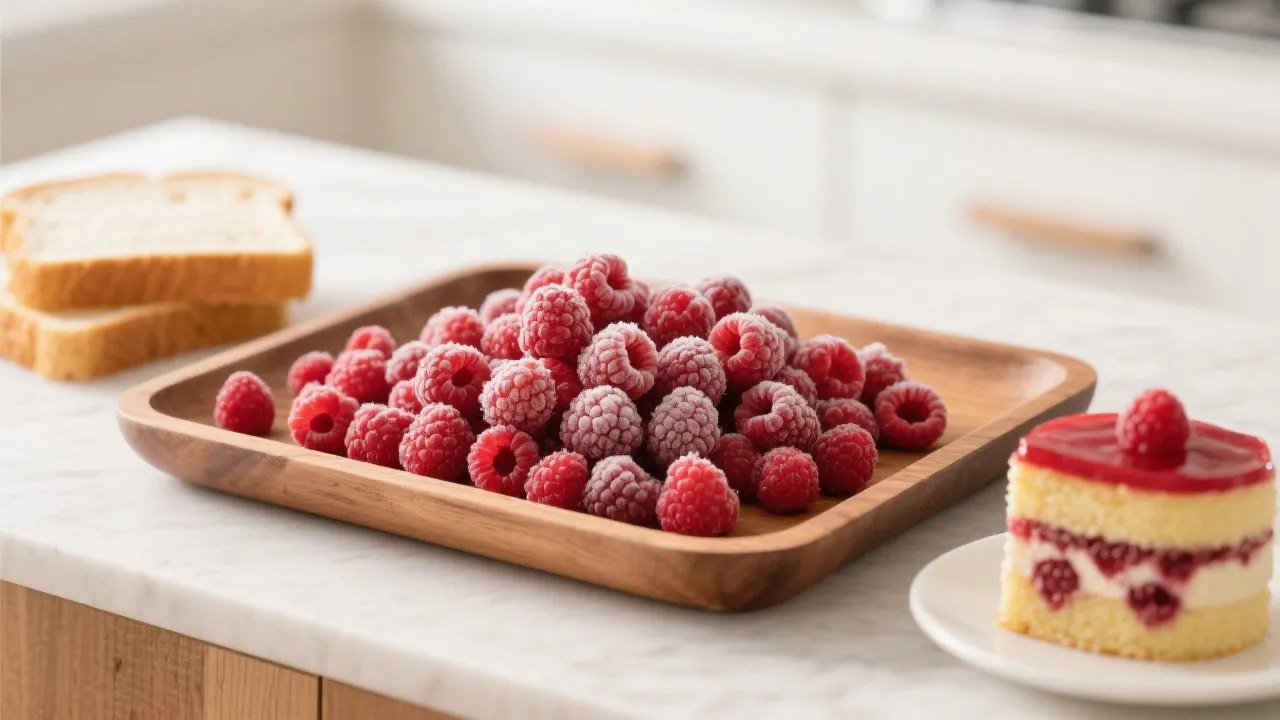
In the production of compressed tablets, protein bars, and meal replacement powders, freeze-dried red raspberry powder has been widely used. For instance, in a certain brand of protein bars, the addition of 5% freeze-dried red raspberry powder not only enriches the nutritional value but also improves the taste and color of the product. Stability tests show that after 6 months of storage at room temperature, the content of anthocyanins in the product remains above 80%.
To ensure both the taste and nutritional value of the product, sensory adaptation skills are essential. By adjusting the proportion of freeze-dried red raspberry powder and other ingredients, as well as using appropriate flavoring agents, the product can achieve a balanced taste and aroma. For example, adding a small amount of natural sweeteners can mask the slight sourness of red raspberry powder, making the product more palatable.
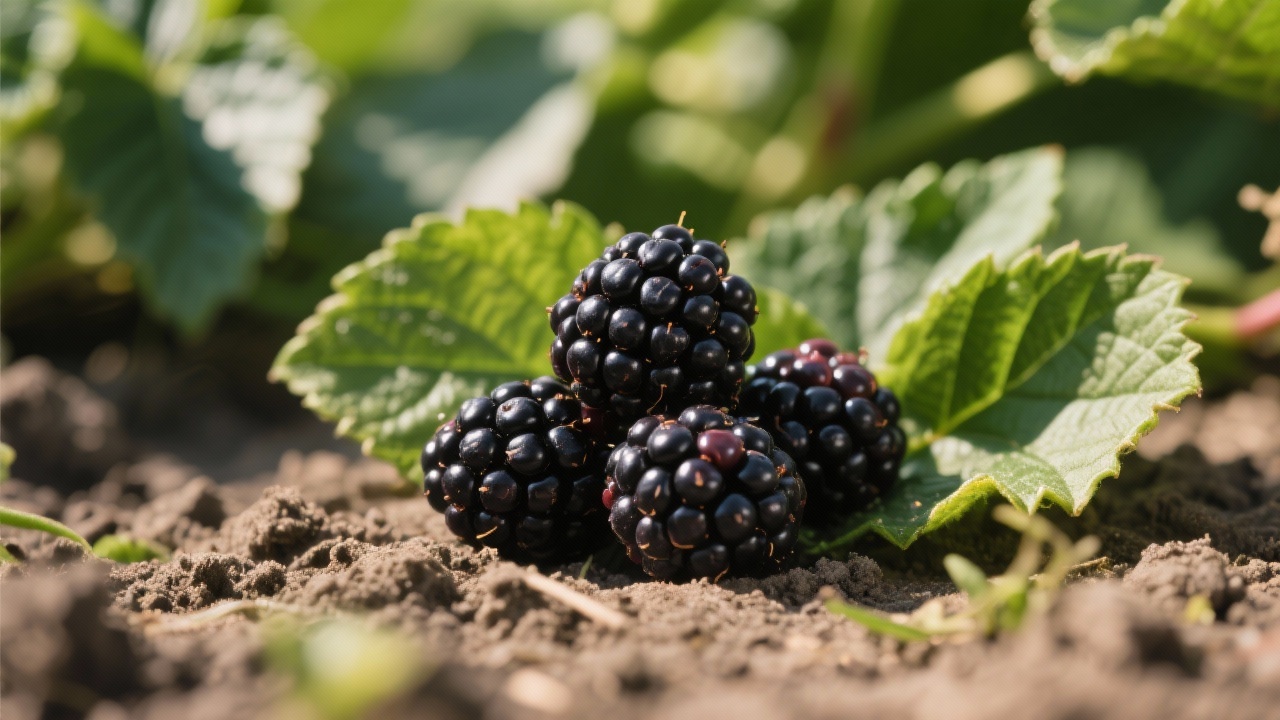
Combining scientific principles with practical applications, this article provides practical suggestions for mass production transformation. From raw material selection, process control to quality inspection, every link needs to be strictly managed to ensure the stability and quality of the product. For example, establishing a strict raw material acceptance standard can ensure the quality of freeze-dried red raspberry powder, while optimizing the production process can improve production efficiency and reduce costs.
Are you ready to take your functional food products to the next level with our high-quality freeze-dried red raspberry powder? Click here to request a sample and learn more about our application technology!

 107
|
107
|
 freeze dried raspberry powder supply chain
cold chain logistics for food export
跨境供应链管理
OEM small batch production
ingredient quality assurance
68
|
Blackcurrant quick - freezing
Liquid nitrogen freezing technology
Quality of frozen fruits
Juice and jam processing
Cold - chain transportation guarantee
110
|
EU frozen blackcurrant import standards
HACCP certification supply chain compliance
frozen fruit cold chain management
blackcurrant export to Europe
food export compliance guidelines
201
|
Organic frozen blackberry smoothie recipe
Healthy smoothie making tutorial
Nutritional benefits of frozen blackberries
Homemade smoothie tips
Natural additive - free drinks
367
|
frozen blackberries
rapid freezing technology
nutritional retention
supply chain quality control
frozen fruit preservation
freeze dried raspberry powder supply chain
cold chain logistics for food export
跨境供应链管理
OEM small batch production
ingredient quality assurance
68
|
Blackcurrant quick - freezing
Liquid nitrogen freezing technology
Quality of frozen fruits
Juice and jam processing
Cold - chain transportation guarantee
110
|
EU frozen blackcurrant import standards
HACCP certification supply chain compliance
frozen fruit cold chain management
blackcurrant export to Europe
food export compliance guidelines
201
|
Organic frozen blackberry smoothie recipe
Healthy smoothie making tutorial
Nutritional benefits of frozen blackberries
Homemade smoothie tips
Natural additive - free drinks
367
|
frozen blackberries
rapid freezing technology
nutritional retention
supply chain quality control
frozen fruit preservation

.jpg?x-oss-process=image/resize,h_800,m_lfit/format,webp)



.png?x-oss-process=image/resize,h_100,m_lfit/format,webp)
.png?x-oss-process=image/resize,h_100,m_lfit/format,webp)
.png?x-oss-process=image/resize,h_100,m_lfit/format,webp)
 English


