
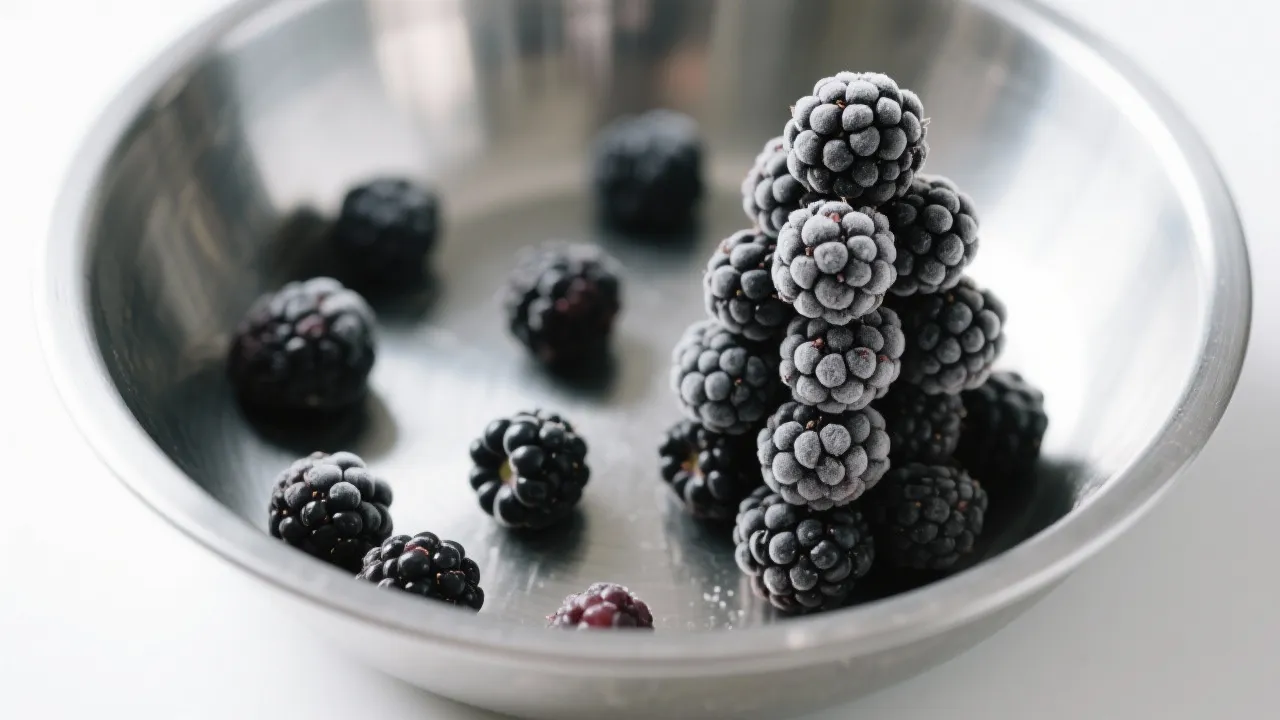
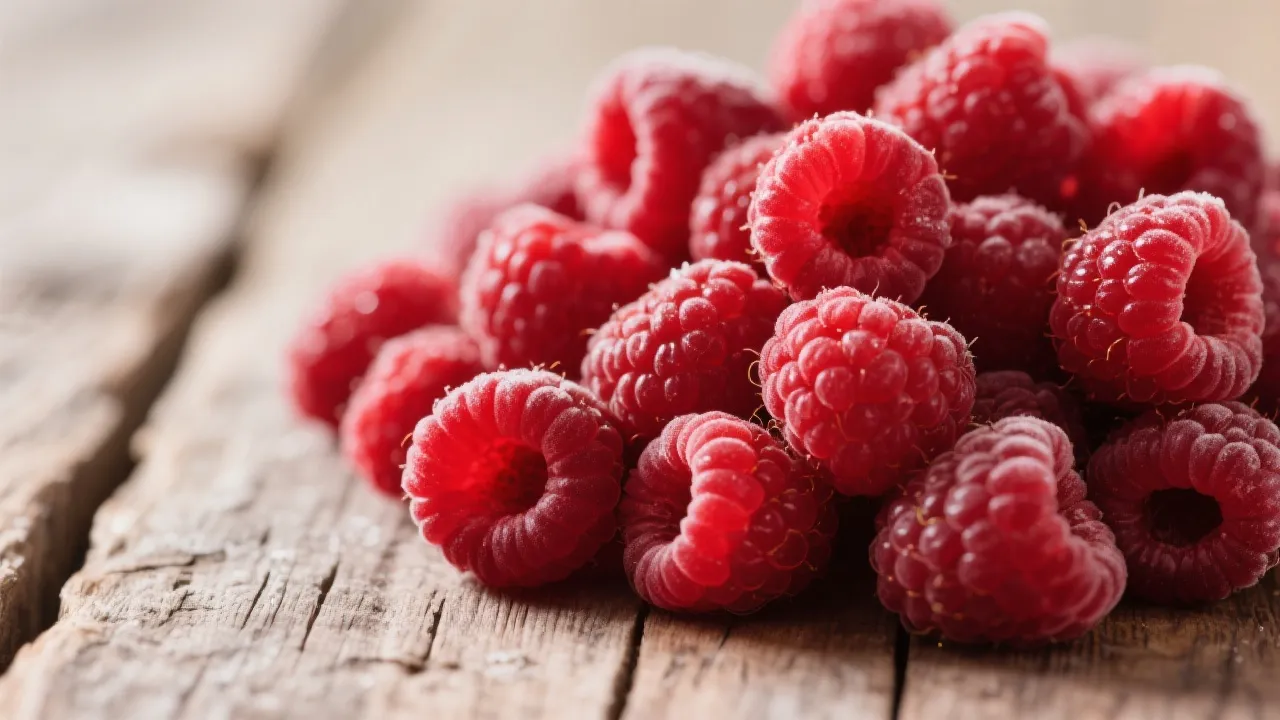
As a B2B R&D professional exploring novel functional ingredients, you understand the critical role bioactive compounds like anthocyanins and vitamin C play in creating differentiated nutrition products. Red raspberry powder sourced through low-temperature freeze-drying is rapidly gaining traction in the functional food market due to its exceptional retention of these sensitive compounds. In today’s competitive landscape, leveraging this technology can elevate your product formulation with proven stability and enhanced bioavailability.
Conventional drying methods such as hot air or spray drying often expose red raspberry to elevated heat and oxygen levels, causing significant degradation of anthocyanins and vitamin C—sometimes reducing their content by over 30%. In contrast, freeze-drying operates below -40°C in a vacuum environment, effectively removing moisture without thermal damage.
Empirical data consistently shows that freeze-dried raspberry retains more than 95% of intact anthocyanins compared to fresh fruit, a critical factor for functional food efficacy. Simultaneously, vitamin C retention exceeds 90%, substantially higher than non-freeze dried powders.
Such preservation ensures your final product maintains both potent antioxidant properties and vibrant natural coloration, crucial for consumer appeal and validated health claims.
Incorporating freeze-dried red raspberry powder into functional foods like tablets, protein bars, or meal replacements requires careful formulation to safeguard anthocyanins and enhance bioavailability.
Several formulation levers you can adjust include:
By fine-tuning these parameters, your formulation can achieve up to 15% improvement in anthocyanin stability over six months of shelf life, enhancing consumer benefits and minimizing waste.
Let's break down how freeze-dried red raspberry powder performs across multiple product formats:
When added to tablet or pressed candy formulations, freeze-dried raspberry powder’s porous nature enables excellent binding with excipients. Stability tests show consistent anthocyanin retention (>90%) after compression. Sensory panels report favorable natural tartness and color vibrancy, minimizing the need for artificial additives.
In protein bars, moisture control is paramount. Freeze-dried raspberry powder’s low water activity (<0.2) prevents moisture migration, maintaining bar firmness and extending shelf life. Flavor blending with complementary ingredients like nuts or cocoa intensifies consumer acceptance while preserving functional benefits.
Powdered meal replacements benefit from freeze-dried raspberry's rapid dispersibility, vivid color, and antioxidant content. Stability curves demonstrate less than 10% anthocyanin loss over three months in dry form, and bioavailability assessments confirm improved plasma uptake when combined with vitamin C and pH buffers.
Transitioning from lab experiments to mass production presents unique challenges. Establish comprehensive quality controls tailored to freeze-dried raspberry powders:
These best practices guarantee your ingredient's performance aligns with product claims, building trust with your customers and end consumers alike.
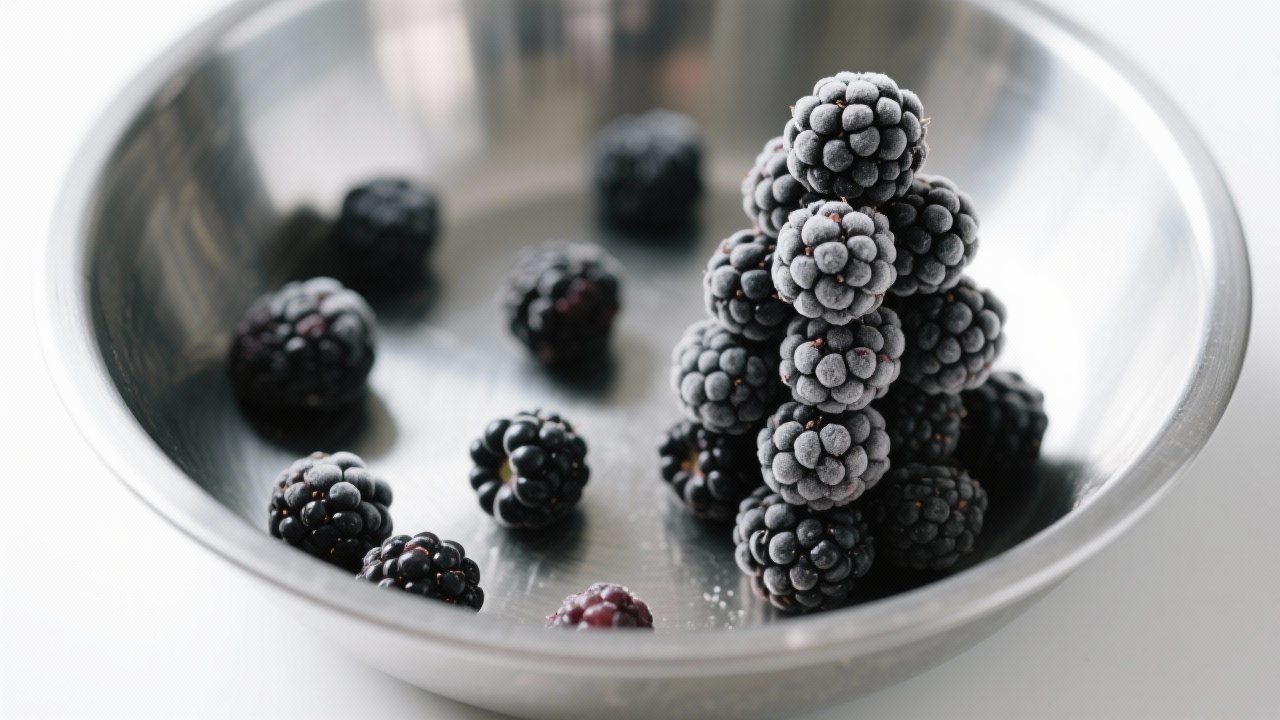
Leading functional food developers report that integrating freeze-dried red raspberry powder transformed their product portfolios by delivering superior antioxidant capacity combined with shelf-stable natural color. For example, a top protein bar manufacturer realized a 20% uplift in consumer repeat purchase attributed to enhanced flavor and perceived health benefits verified by independent lab analyses.
Such testimonials validate freeze-dried raspberry powder’s role as a strategic ingredient for innovation-driven companies focused on science-backed functional nutrition.

 110
|
110
|
 EU frozen blackcurrant import standards
HACCP certification supply chain compliance
frozen fruit cold chain management
blackcurrant export to Europe
food export compliance guidelines
491
|
freeze dried raspberry powder
anthocyanin preservation
bioavailability enhancement
functional food ingredients
low temperature drying process
63
|
EU import standards
HACCP certification
frozen blackcurrant supply chain
cold - chain temperature control
supply chain optimization suggestions
256
|
frozen blackberries
rapid freezing technology
nutrient retention in frozen fruit
precise temperature control
sensory quality improvement
250
|
Flash frozen blackberries
Nutrient retention in frozen blackberries
Preservation of blackberry vitamins
Food freezing technology
Organic frozen fruits
EU frozen blackcurrant import standards
HACCP certification supply chain compliance
frozen fruit cold chain management
blackcurrant export to Europe
food export compliance guidelines
491
|
freeze dried raspberry powder
anthocyanin preservation
bioavailability enhancement
functional food ingredients
low temperature drying process
63
|
EU import standards
HACCP certification
frozen blackcurrant supply chain
cold - chain temperature control
supply chain optimization suggestions
256
|
frozen blackberries
rapid freezing technology
nutrient retention in frozen fruit
precise temperature control
sensory quality improvement
250
|
Flash frozen blackberries
Nutrient retention in frozen blackberries
Preservation of blackberry vitamins
Food freezing technology
Organic frozen fruits

_(2).jpg?x-oss-process=image/resize,h_800,m_lfit/format,webp)
.jpg?x-oss-process=image/resize,h_800,m_lfit/format,webp)


.png?x-oss-process=image/resize,h_100,m_lfit/format,webp)
.png?x-oss-process=image/resize,h_100,m_lfit/format,webp)
.png?x-oss-process=image/resize,h_100,m_lfit/format,webp)
 English


