
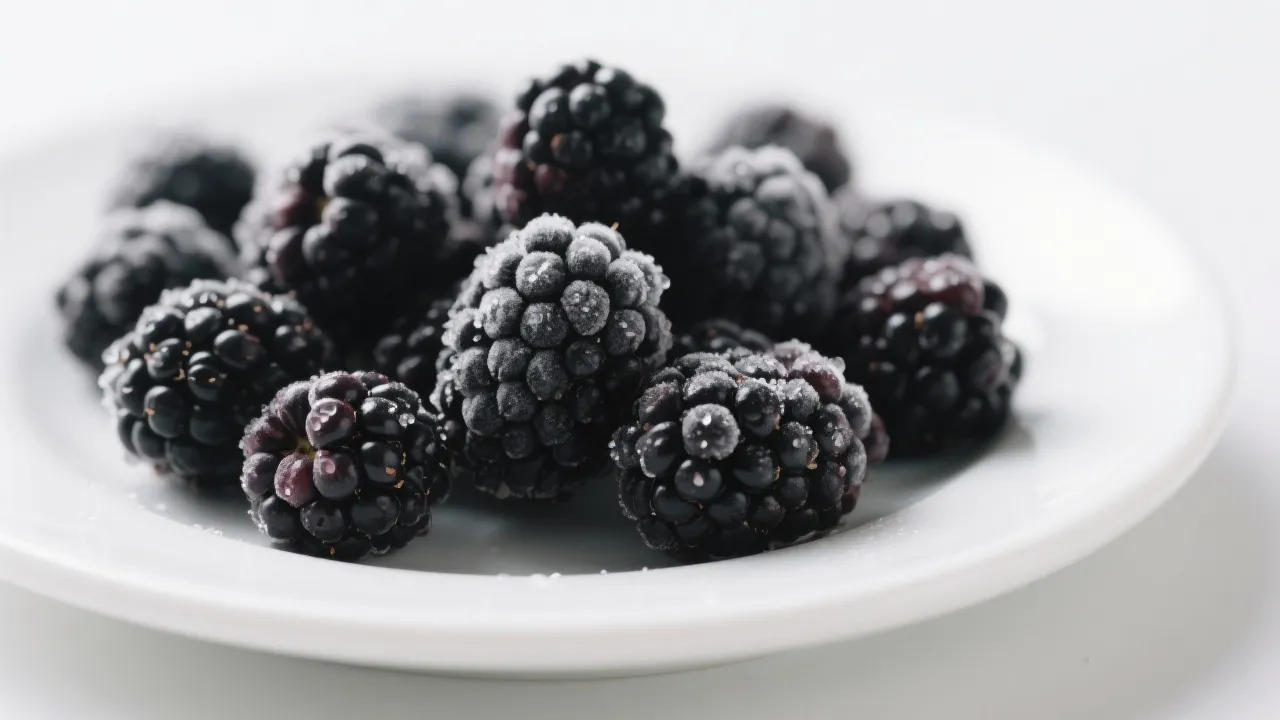
The rising demand for high-antioxidant functional ingredients is reshaping natural ingredient markets globally. Red raspberry powder, rich in anthocyanins and vitamin C, offers immense potential for innovation in functional foods. However, preserving these sensitive bioactives during processing remains a technical challenge. Low-temperature freeze-drying is emerging as a premier approach, ensuring superior retention of active compounds while maintaining sensory and application versatility. This guide explores the freeze-drying process fundamentals, formulation strategies, and practical case studies to elevate product quality and bioavailability in functional nutrition.
Anthocyanins are potent antioxidants offering anti-inflammatory benefits, cardiovascular support, and cellular protection. In red raspberries, the total anthocyanin content typically ranges from 100 to 250 mg per 100g fresh weight. Vitamin C complements this profile with immune-boosting and collagen synthesis functions, usually present at 20-30 mg/100g. Their stability during processing directly impacts the powder’s nutritional and functional attributes.
Conventional drying methods often compromise these compounds due to heat degradation. Studies show anthocyanin retention rates below 50% when using hot air drying at 60°C, risking diminished efficacy. Conversely, low-temperature freeze-drying, conducted at sub-zero temperatures (-30°C to -50°C), minimizes thermal breakdown, preserving up to 80-90% of the original bioactives.
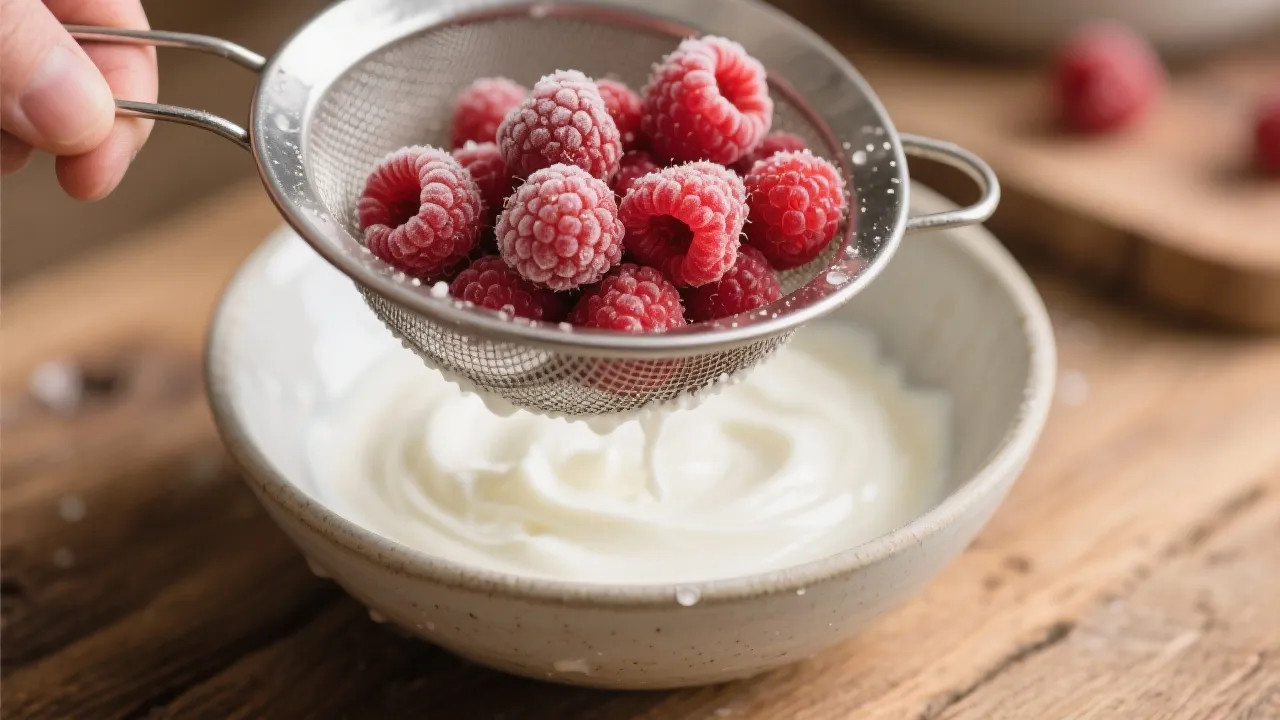
Freeze-drying (lyophilization) removes water by sublimation under vacuum, bypassing the liquid phase that often facilitates enzymatic or oxidative degradation. Key parameters include freezing rate, chamber pressure, and drying temperature. Rapid freezing promotes small ice crystals, reducing cellular damage and locking in anthocyanins effectively.
Recent comparative trials reveal:
| Drying Method | Anthocyanin Retention | Vitamin C Retention |
|---|---|---|
| Hot Air Drying (60°C) | ~45% | ~40% |
| Low-Temperature Freeze-Drying (-40°C) | ~88% | ~85% |
This superior preservation facilitates potent antioxidant activity, essential for functional food formulations targeting health-conscious consumers.
Anthocyanins’ stability and bioavailability are highly pH-dependent. Acidic environments (pH 3–4) maintain the flavylium cation form, exhibiting vibrant color and enhanced stability. Formulation adjustments via organic acids or encapsulating carriers such as maltodextrin and gum arabic have proven effective.
Carriers not only protect against oxidation but also modulate release kinetics within the gastrointestinal tract, improving absorption rates. For example, encapsulation studies reveal a 20-35% increase in plasma anthocyanin levels after oral intake when combined with suitable carriers versus free powder.
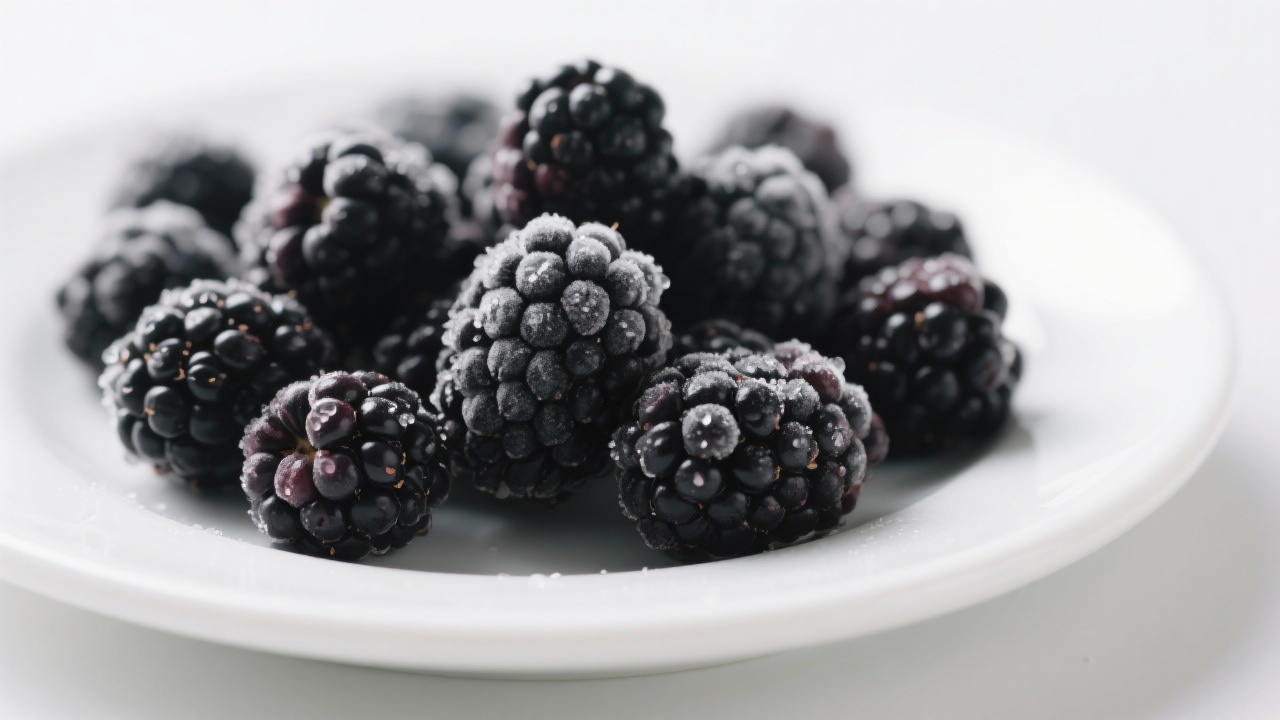
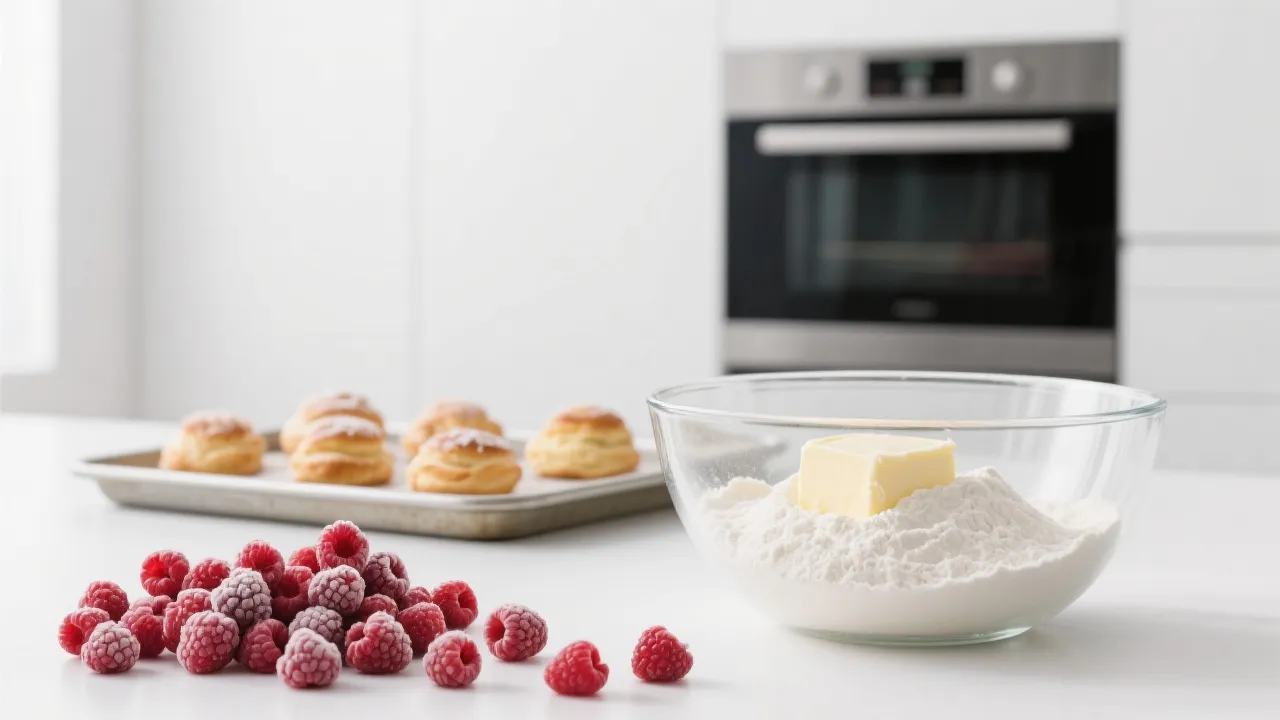
The versatility of freeze-dried red raspberry powder is evident across varied product categories:
Stability testing protocols including HPLC quantification, colorimetry, and accelerated aging simulations help manufacturers monitor product longevity and ensure consistent quality.
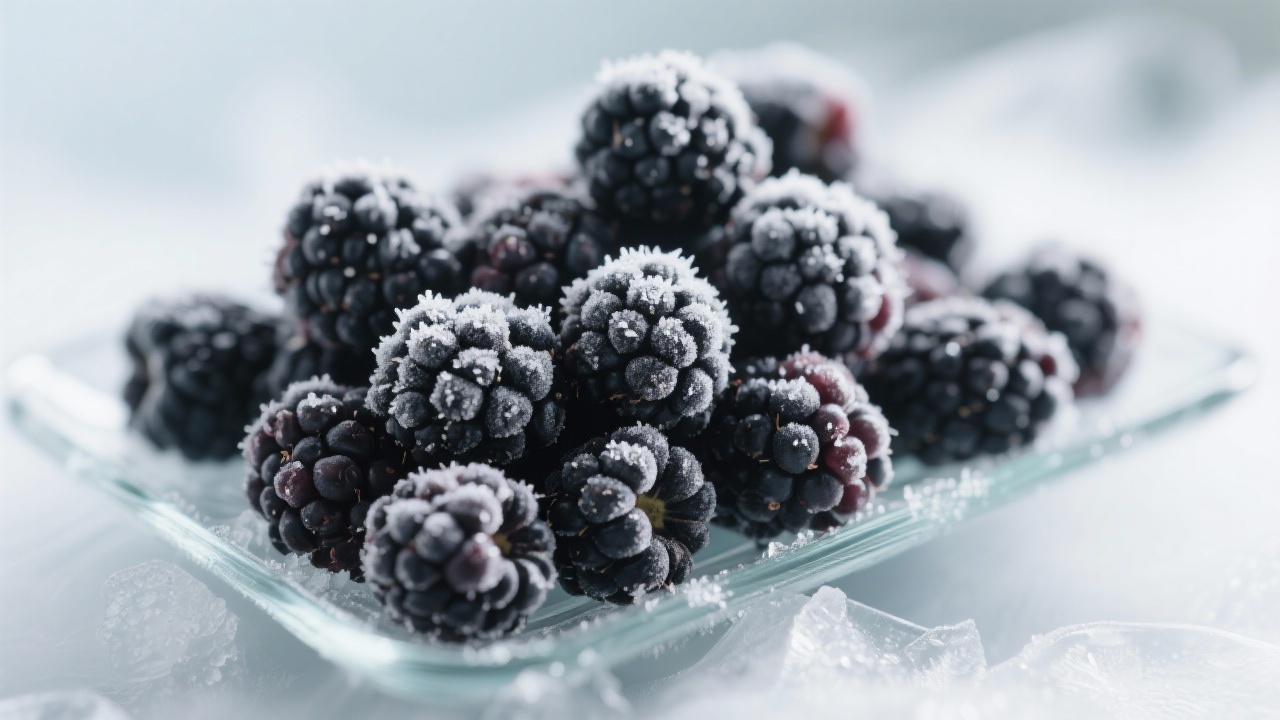
Successfully scaling from lab to industrial scale demands alignment across formulation, process controls, and sensory evaluation:
Industry experts highlight the importance of cross-disciplinary collaboration between R&D, production, and marketing to maximize product success and consumer trust in high-value functional ingredients.

 48
|
48
|
 frozen blackberry sourcing guide
organic frozen fruit selection
food processing raw material quality control
HACCP certified frozen berries
triple manual screening standard
354
|
frozen blackcurrants export to EU
HACCP certification for berries
cold chain compliance for frozen fruit
EU food safety regulations
supply chain management for frozen berries
377
|
organic frozen blackberries
customized repackaging services
supply chain management
loss reduction
food safety certification
95
|
Small - batch trial orders
OEM private - label customization
Frozen blackcurrant packaging solutions
Flexible procurement in food supply chain
Frozen blackcurrant packaging requirements
170
|
frozen berry sourcing strategy
small batch trial order
OEM private label frozen fruit
cold chain logistics for frozen berries
frozen fruit packaging design
frozen blackberry sourcing guide
organic frozen fruit selection
food processing raw material quality control
HACCP certified frozen berries
triple manual screening standard
354
|
frozen blackcurrants export to EU
HACCP certification for berries
cold chain compliance for frozen fruit
EU food safety regulations
supply chain management for frozen berries
377
|
organic frozen blackberries
customized repackaging services
supply chain management
loss reduction
food safety certification
95
|
Small - batch trial orders
OEM private - label customization
Frozen blackcurrant packaging solutions
Flexible procurement in food supply chain
Frozen blackcurrant packaging requirements
170
|
frozen berry sourcing strategy
small batch trial order
OEM private label frozen fruit
cold chain logistics for frozen berries
frozen fruit packaging design




.png?x-oss-process=image/resize,h_100,m_lfit/format,webp)
.png?x-oss-process=image/resize,h_100,m_lfit/format,webp)
.png?x-oss-process=image/resize,h_100,m_lfit/format,webp)
 English


