
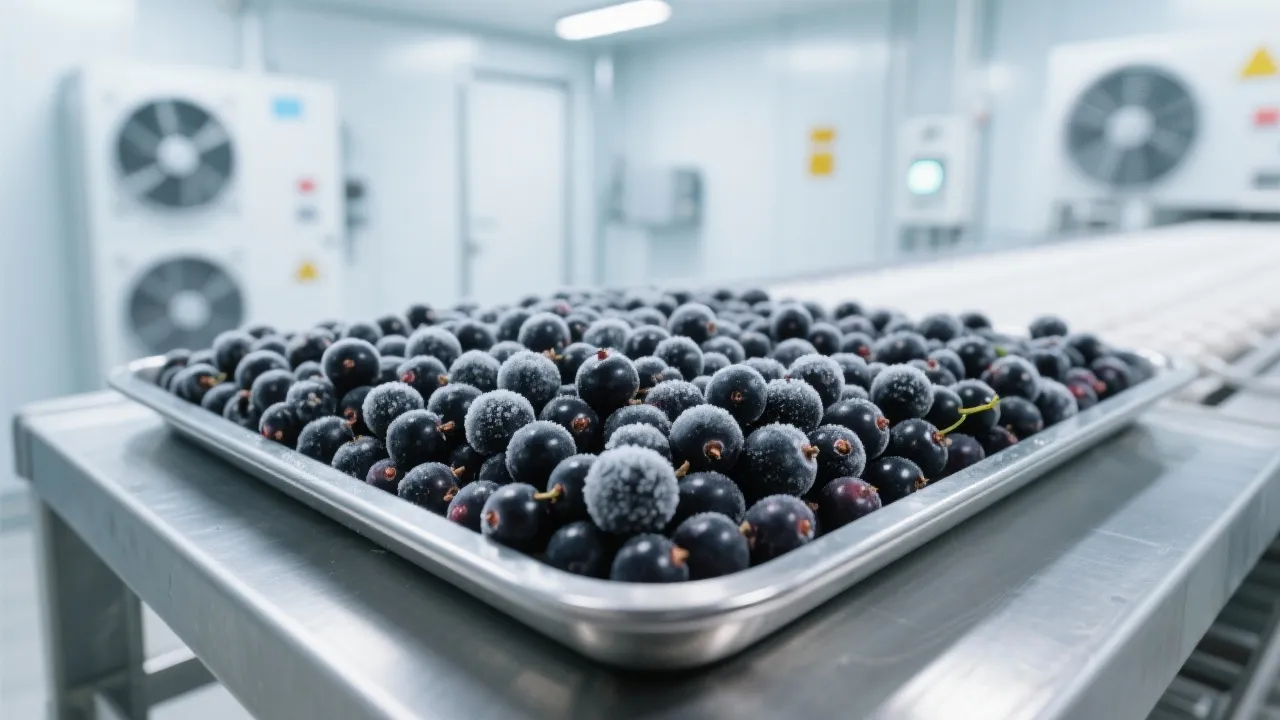
In the dynamic landscape of the global food market, companies are constantly seeking innovative ways to enter new markets and expand their business. This article delves into the new approach of flexible procurement in the food supply chain, focusing on small-batch trial orders and OEM private-label customized packaging strategies.
Small-batch trial orders offer a low-risk way to test the overseas market. With a small investment, companies can quickly gauge market demand. According to industry statistics, around 70% of companies that use small-batch trial orders can obtain accurate market feedback within 3 months. This rapid feedback allows businesses to adjust their product offerings and marketing strategies in a timely manner.
One of the key advantages of small-batch trial orders is the ability to reduce procurement risks. Instead of large-scale procurement, which may lead to overstocking if the market demand is low, small-batch orders enable companies to order based on real-time market signals. Additionally, small-batch trial orders provide flexible trial sales channels. Companies can test different sales channels, such as online marketplaces, local distributors, and specialty stores, to find the most effective way to reach their target customers.
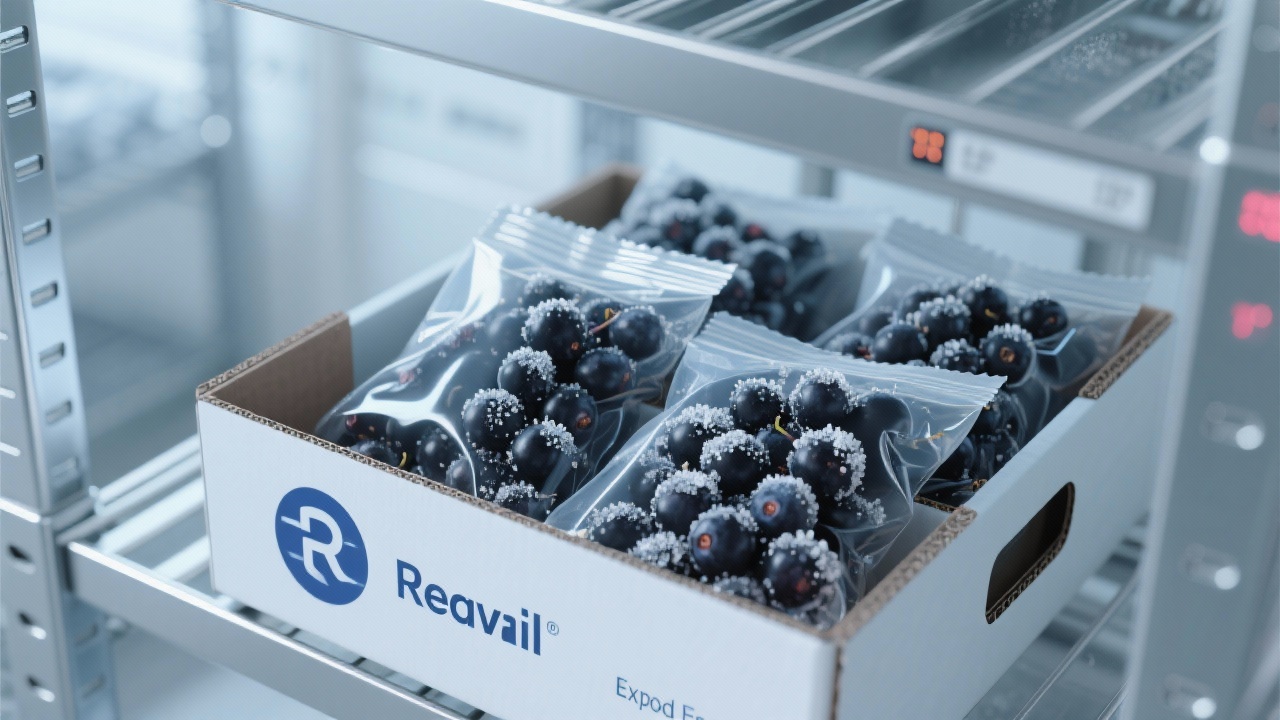
OEM private-label packaging plays a crucial role in shaping a company's brand image. The design of the packaging should focus on visual recognition. A unique and eye-catching packaging design can help the product stand out on the shelves. For example, a well-designed logo and color scheme can enhance brand awareness.
Compliance with local regulations is also essential. Different countries have different labeling requirements for food products. Companies need to ensure that their packaging labels include all the necessary information, such as ingredients, nutritional facts, and allergen warnings. Moreover, the choice of environmentally friendly materials is becoming increasingly important. Consumers are more likely to choose products with sustainable packaging, which not only benefits the environment but also enhances the brand's reputation.
| Packaging Design Element | Importance |
|---|---|
| Visual Recognition | Helps the product stand out and enhances brand awareness |
| Compliance Labels | Ensures legal compliance in different markets |
| Environmentally Friendly Materials | Meets consumer demand for sustainable products |
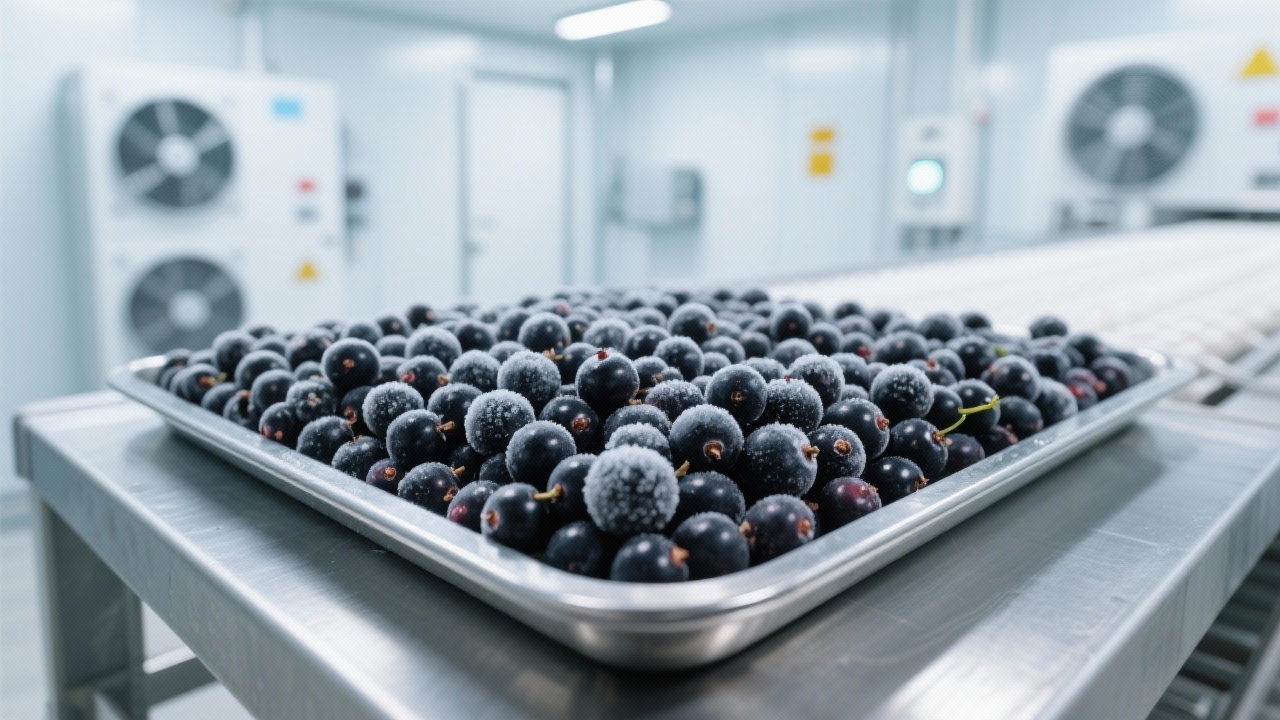
Frozen blackcurrants have specific packaging requirements. The packaging should be able to maintain the quality of the product during storage and transportation. Quality control is the key. The packaging should prevent freezer burn and maintain the nutritional value of the blackcurrants. For example, using high-quality, airtight packaging materials can effectively protect the product.
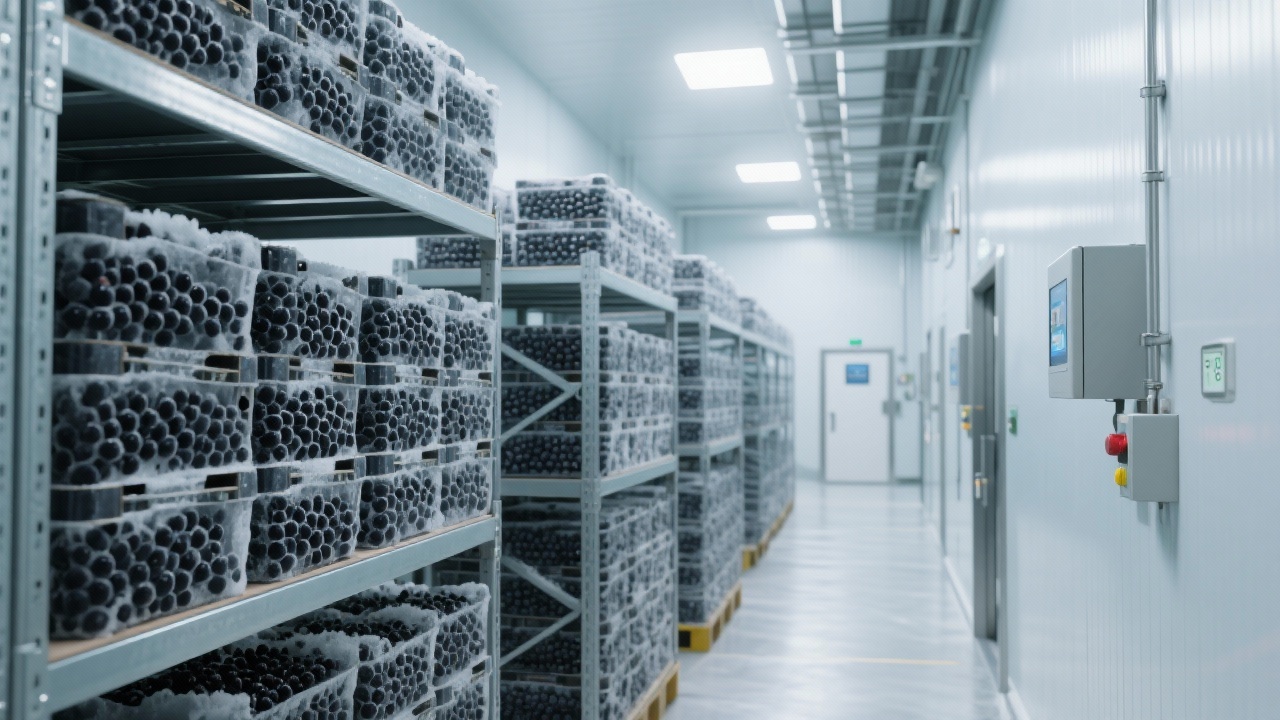
Cold chain transportation is also crucial. Frozen blackcurrants need to be transported at a constant low temperature to ensure their freshness. According to industry standards, the temperature during transportation should be maintained between -18°C and -20°C. Any deviation from this temperature range may affect the quality of the product.
Throughout the process of small-batch trial orders and OEM private-label packaging, there are many practical tips that companies can follow. For example, when conducting small-batch trial orders, companies should establish a clear feedback mechanism to collect and analyze market data. In terms of OEM packaging design, they should work closely with professional designers to ensure the design meets both aesthetic and functional requirements.
There are also common mistakes that companies should avoid. For instance, some companies may overlook local regulations when designing packaging labels, which can lead to legal issues. Others may choose low-quality packaging materials to save costs, which can affect the product's quality and brand image.
Let's take a look at a success story. A startup food company used small-batch trial orders to test the European market for their frozen blackcurrants. They started with a small quantity and gradually increased the order volume based on the positive market feedback. At the same time, they designed unique OEM packaging that met European consumers' preferences. As a result, they successfully entered the European market and achieved continuous business growth.
To help companies better implement small-batch trial orders and OEM private-label packaging strategies, there are several useful tools and templates available. For example, there are market research tools that can help companies collect and analyze market data. There are also packaging design templates that can provide inspiration and guidance for the design process.
In conclusion, small-batch trial orders and OEM private-label packaging are effective strategies for food companies to enter the overseas market, especially the European market. By reducing procurement risks, shaping unique brand images, and ensuring product quality, companies can achieve sustainable business growth. If you are a startup brand, an agent, or a food trading company looking to expand your business in the European market, don't miss this opportunity. Explore our solutions for small-batch trial orders and OEM private-label packaging now!


.png?x-oss-process=image/resize,h_100,m_lfit/format,webp)
.png?x-oss-process=image/resize,h_100,m_lfit/format,webp)
.png?x-oss-process=image/resize,h_100,m_lfit/format,webp)
 English


