
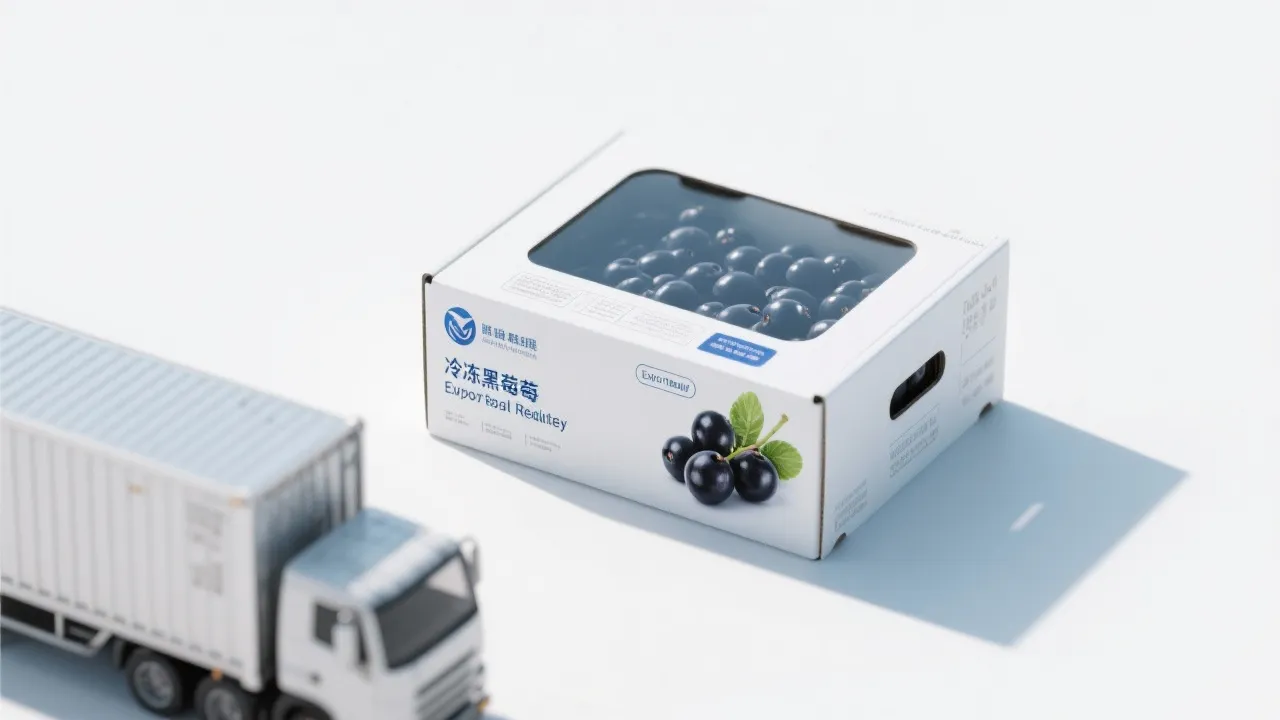
Navigating the complex landscape of global food trade requires more than just优质 products—it demands a thorough understanding of international safety standards and regional compliance requirements. For businesses sourcing frozen red raspberries, mastering certifications like ISO 22000 and HACCP isn't optional; it's the foundation of successful market entry and long-term partnerships.
Consider this: A European functional food manufacturer recently rejected a 40-foot container of frozen red raspberries after SGS testing revealed pesticide residues exceeding EU maximum levels by 120%. The result? $180,000 in losses, 60 days of production delays, and a damaged supplier relationship. This scenario isn't isolated—regulatory non-compliance costs the global food industry an estimated $10 billion annually, according to the Food and Agriculture Organization (FAO).
"73% of international food buyers cite 'complete certification documentation' as the top factor in supplier selection, ahead of price and delivery time." — 2023 Global Food Sourcing Report
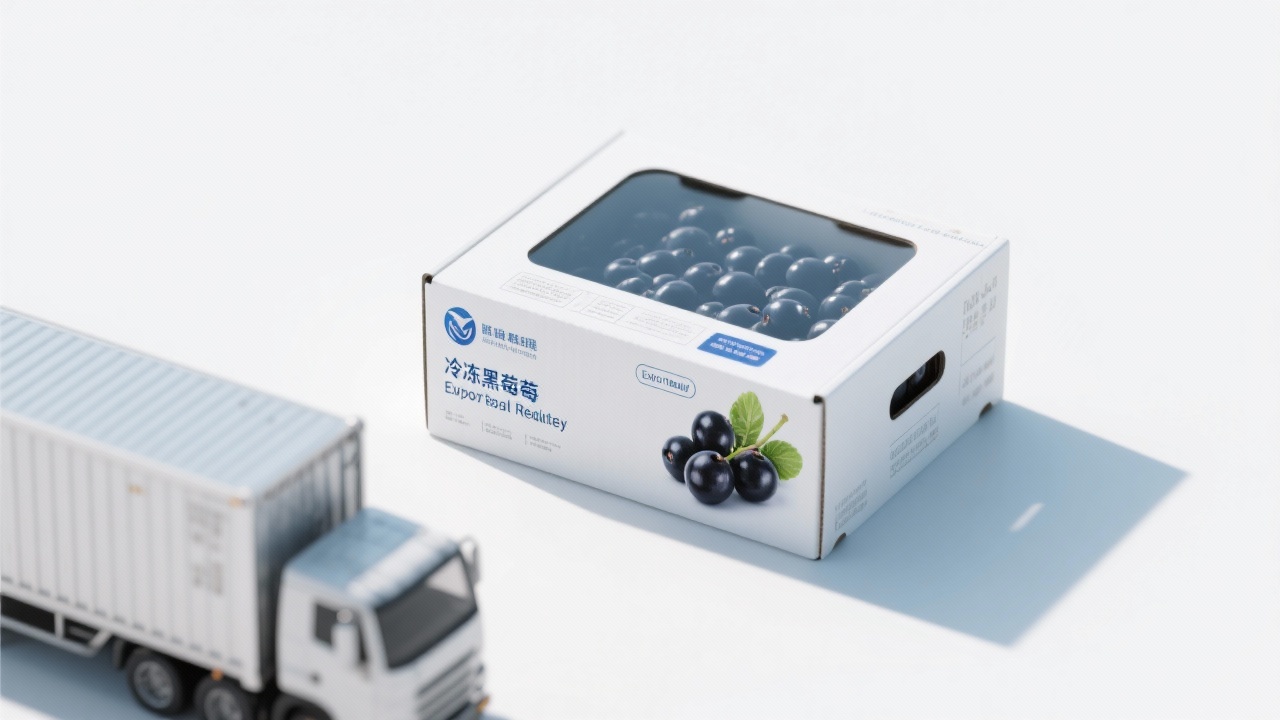
While often mentioned together, ISO 22000 and HACCP serve distinct but complementary roles in food safety management:
ISO 22000 is an all-encompassing international standard that builds a complete food safety management system (FSMS). It requires organizations to:
For frozen red raspberry exporters, ISO 22000 certification demonstrates a systematic approach to food safety that spans cultivation, harvesting, processing, and transportation.
HACCP focuses specifically on identifying and controlling critical points where hazards could enter the food chain. This seven-principle system requires:
In frozen red raspberry processing, critical control points typically include pre-cooling temperatures (must reach -18°C within 2 hours), wash water sanitization levels (minimum 50ppm chlorine), and storage conditions during transportation.
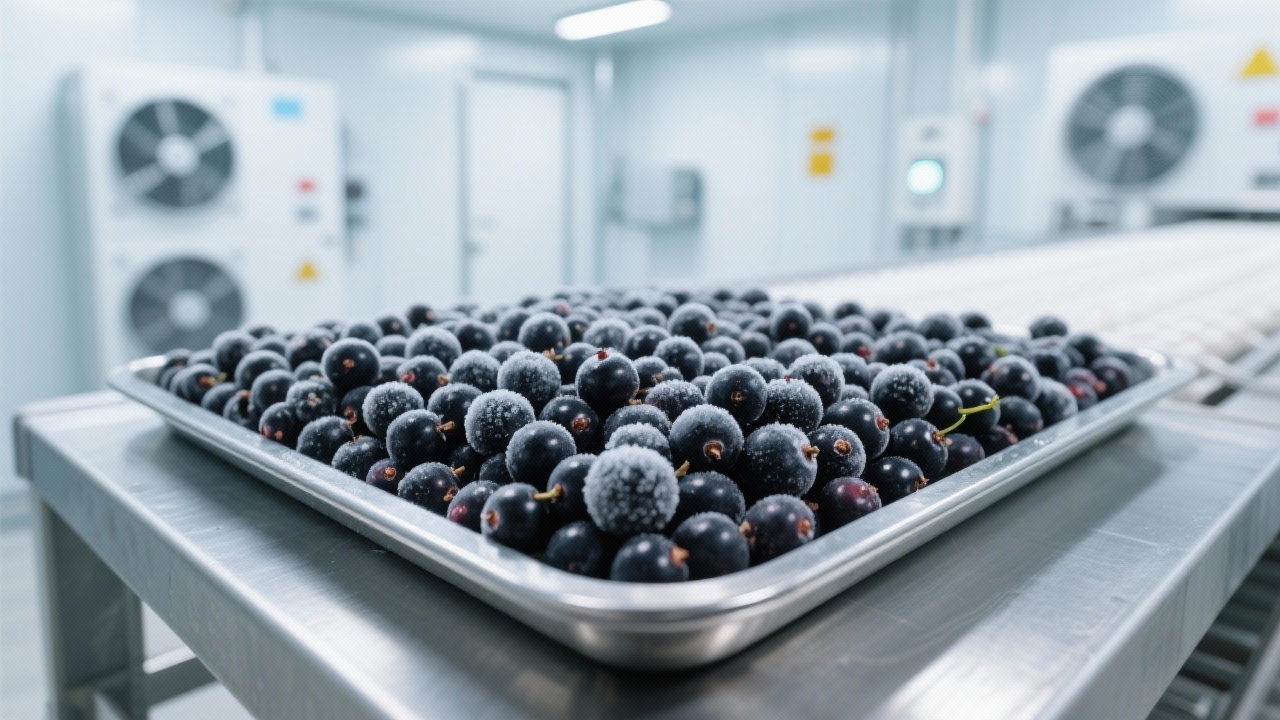
Different global markets maintain unique standards for frozen red raspberries. Understanding these differences is critical for avoiding costly rejections:
| Parameter | EU (EC 178/2002) | USA (FDA/FSIS) | Southeast Asia (ASEAN) |
|---|---|---|---|
| Total Plate Count | ≤10^5 CFU/g | ≤10^6 CFU/g | ≤5×10^5 CFU/g |
| Coliforms | ≤10 CFU/g | ≤100 CFU/g | ≤100 CFU/g |
| Heavy Metals (Lead) | ≤0.1 mg/kg | ≤0.1 mg/kg | ≤0.3 mg/kg |
| Pesticide Residues | Maximum 0.01-0.05 ppm for most compounds | Maximum 0.05-0.1 ppm for most compounds | Varies by country; generally more lenient |
| Transport Temperature | -18°C or lower, no temperature excursions | -18°C or lower, max 2-hour excursion | -15°C or lower, max 4-hour excursion |
A Chinese frozen fruit exporter recently faced a 45-day detention of their raspberry shipment in Rotterdam when lab testing revealed 0.08ppm of chlorpyrifos—well above the EU's 0.01ppm limit. The company had relied on local testing that followed Chinese national standards, which allow up to 0.5ppm for this pesticide. The result: €220,000 in storage fees, product degradation, and ultimately, a forced sale at 30% of market value.
This case underscores why working with suppliers who understand regional requirements and maintain 亿商桥's standard of comprehensive testing protocols is essential for market success.
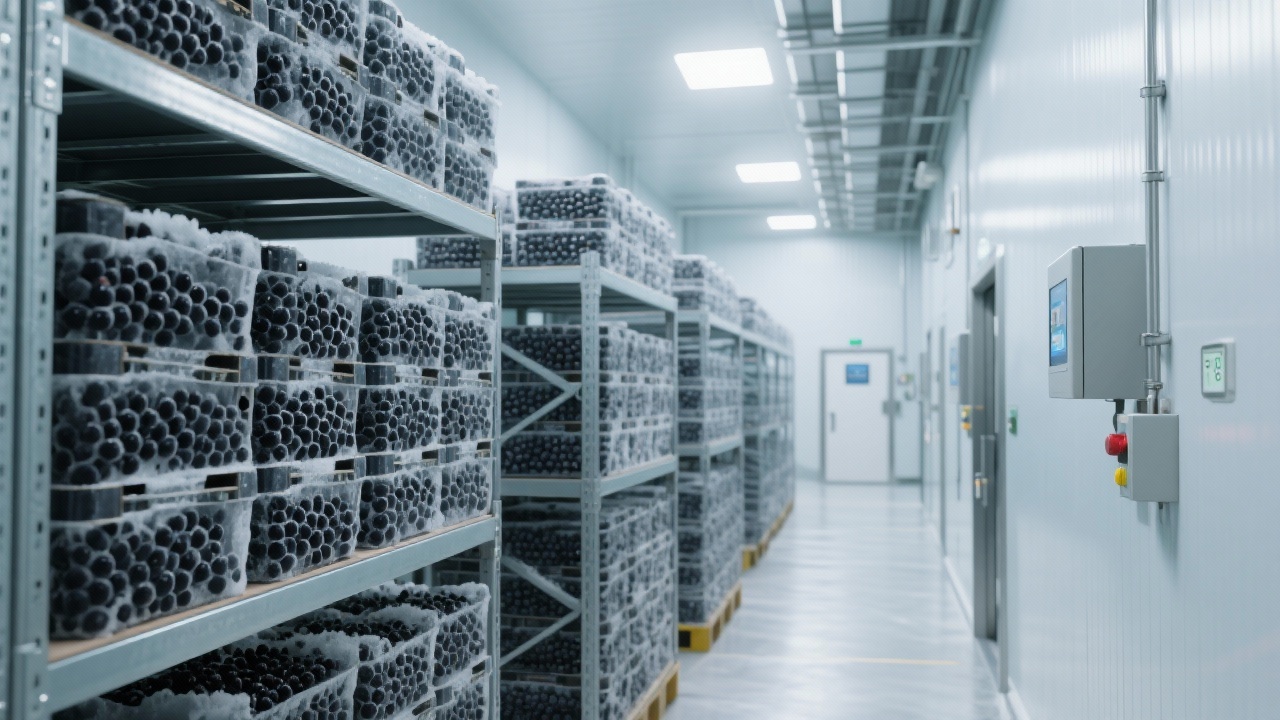
To ensure you're partnering with compliant, high-quality frozen red raspberry suppliers, implement this practical selection process:
Request complete certification packages including ISO 22000/HACCP certificates with scope specifically mentioning frozen berry processing, recent SGS/CQC test reports (within 3 months), and traceability documents from farm to processing facility. Avoid suppliers who provide generic certifications without specific product coverage.
Insist on temperature logs for the entire supply chain, including pre-cooling, processing, storage, and transportation. Advanced suppliers will offer real-time temperature monitoring with GPS tracking and automatic alerts for temperature excursions. The best suppliers maintain a maximum 1°C temperature variation during storage and transportation.
Even with certification, commission independent testing focused on your target market's specific requirements. For EU buyers, this should include testing for the full list of 223 pesticides regulated under EU 396/2005. Budget approximately $350-500 per sample for comprehensive testing, a small investment compared to potential rejection costs.
Ensure your frozen red raspberry sourcing meets global standards with our comprehensive resource package, including:
As consumer demand for natural, functional ingredients continues to grow, the global market for frozen red raspberries is projected to reach $1.2 billion by 2027. By prioritizing proper certification, understanding regional requirements, and implementing rigorous supplier selection processes, your business can capitalize on this growth while avoiding costly compliance missteps. The difference between market success and failure often lies in these critical details of food safety management.

 62
|
62
|
 Whole freeze-dried red raspberry powder
Functional food raw materials
High-end nutritional product raw materials
SGS-tested red raspberry powder
CQC-tested freeze-dried powder
129
|
freeze dried raspberry powder supply chain
cold chain logistics management
export grade raspberry powder
OEM raspberry powder supplier
temperature-controlled shipping
195
|
frozen blackberry distribution efficiency
custom packaging for organic frozen berries
high-quality frozen fruit supply chain solutions
HACCP certified frozen fruits
international food ingredient sourcing
161
|
Quick freezing technology
Nutritional retention of frozen blackberries
Organic frozen blackberries
Blackberry quality control
Fruit quick freezing
423
|
Quick-frozen blackberries
Nutrient retention in frozen blackberries
Frozen fruit preservation technology
Organic frozen blackberries
Food freezing process
Whole freeze-dried red raspberry powder
Functional food raw materials
High-end nutritional product raw materials
SGS-tested red raspberry powder
CQC-tested freeze-dried powder
129
|
freeze dried raspberry powder supply chain
cold chain logistics management
export grade raspberry powder
OEM raspberry powder supplier
temperature-controlled shipping
195
|
frozen blackberry distribution efficiency
custom packaging for organic frozen berries
high-quality frozen fruit supply chain solutions
HACCP certified frozen fruits
international food ingredient sourcing
161
|
Quick freezing technology
Nutritional retention of frozen blackberries
Organic frozen blackberries
Blackberry quality control
Fruit quick freezing
423
|
Quick-frozen blackberries
Nutrient retention in frozen blackberries
Frozen fruit preservation technology
Organic frozen blackberries
Food freezing process






.png?x-oss-process=image/resize,h_100,m_lfit/format,webp)
.png?x-oss-process=image/resize,h_100,m_lfit/format,webp)
.png?x-oss-process=image/resize,h_100,m_lfit/format,webp)
 English


