
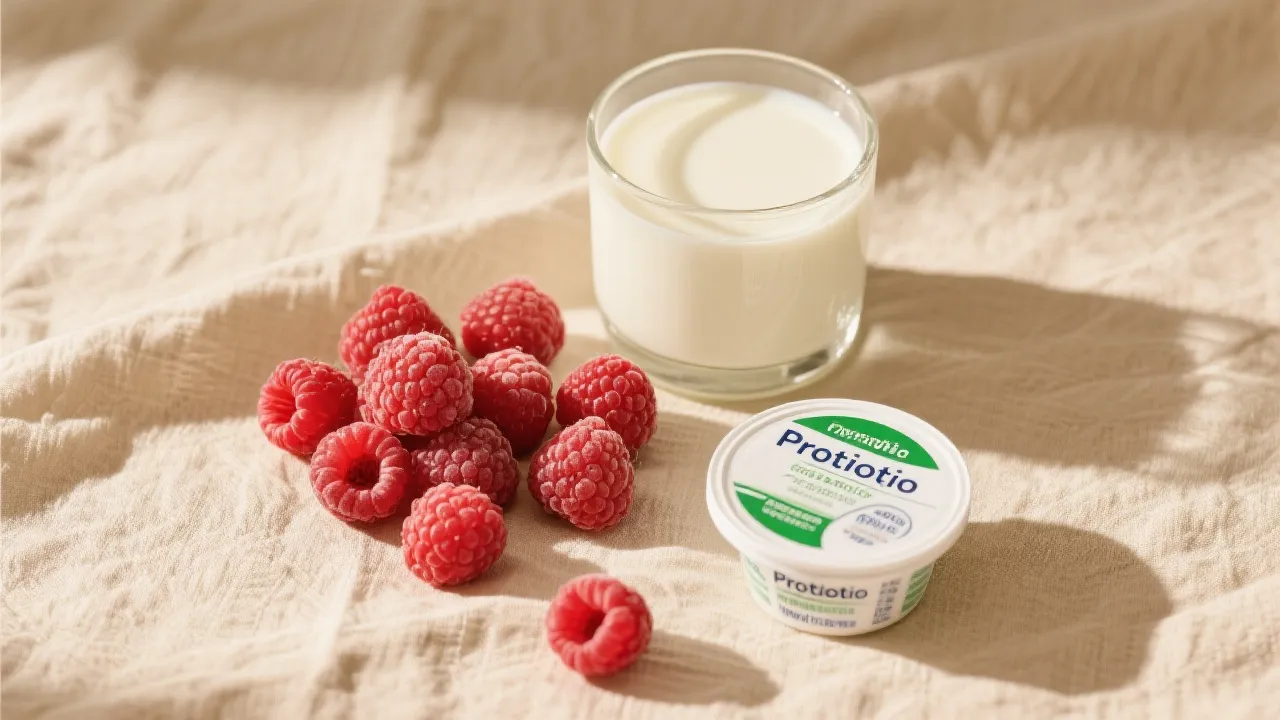
As a procurement professional in the functional food industry, you understand that sourcing high-quality frozen red raspberries isn't just about finding a supplier—it's about securing a compliant, traceable ingredient that meets the strictest international standards. The consequences of cutting corners can be severe: shipments detained by the FDA, product recalls, or reputational damage that takes years to repair. Let's navigate the complex landscape of food safety certifications and global compliance requirements together.
When evaluating potential suppliers for your出口级冷冻红树莓 (export-grade frozen red raspberries), two certifications stand above the rest: ISO 22000 and HACCP. While often mentioned together, these standards serve distinct but complementary purposes in ensuring food safety throughout the supply chain.
ISO 22000 Definition: "A food safety management system that can be applied to any organization in the food chain, from farm to fork. It specifies requirements for a food safety management system where an organization needs to demonstrate its ability to control food safety hazards to ensure that food is safe at the time of human consumption." — International Organization for Standardization
HACCP (Hazard Analysis and Critical Control Points), on the other hand, is a systematic preventive approach to food safety that identifies, evaluates, and controls biological, chemical, and physical hazards throughout the production process. Unlike ISO 22000, which is a comprehensive management system, HACCP focuses specifically on hazard analysis and control measures.
The most reliable suppliers will hold both certifications, demonstrating their commitment to both systematic management and specific hazard control. According to industry data, suppliers with dual certification have 67% fewer compliance issues than those with only one certification.
Certificate alone aren't enough. Your procurement team needs to dig deeper into the actual test results provided by third-party laboratories like SGS and CQC. These reports contain critical data points that can make or break your product's market access.
Don't just accept supplier-provided summaries—request full, unedited reports with all test parameters visible. A reputable supplier like 亿商桥 will provide these documents without hesitation, understanding their importance to your quality assurance process.
Compliance isn't a one-size-fits-all proposition. What meets standards in one region might fall short in another. Understanding these differences is crucial when supplying multiple markets.
| Parameter | EU Standard | US Standard (FDA) | Southeast Asia |
|---|---|---|---|
| Total Plate Count (cfu/g) | <10⁵ | <10⁵ | <10⁶ |
| Yeast & Mold (cfu/g) | <10³ | <10⁴ | <10⁴ |
| Coliforms (cfu/g) | <10 | <10 | <100 |
| Salmonella | Negative/25g | Negative/25g | Negative/25g |
Consider the case of a major European supplement manufacturer that sourced frozen raspberries from a new supplier without verifying regional differences. Their shipment was rejected at the port of Rotterdam due to exceeding maximum residue levels for a common pesticide that was permitted in the supplier's country but banned in the EU. The resulting delays cost the company over €250,000 in lost production and expedited shipping fees.

Real Case Study:
In 2022, a U.S. food processor had a $1.2 million shipment of frozen berries detained by the FDA due to temperature abuse. The supplier had provided temperature logs, but upon inspection, regulators discovered gaps in the records and evidence that the shipment had reached 8°F above the required temperature during transit. The processor was unable to prove the product's safety and was forced to destroy the entire shipment.
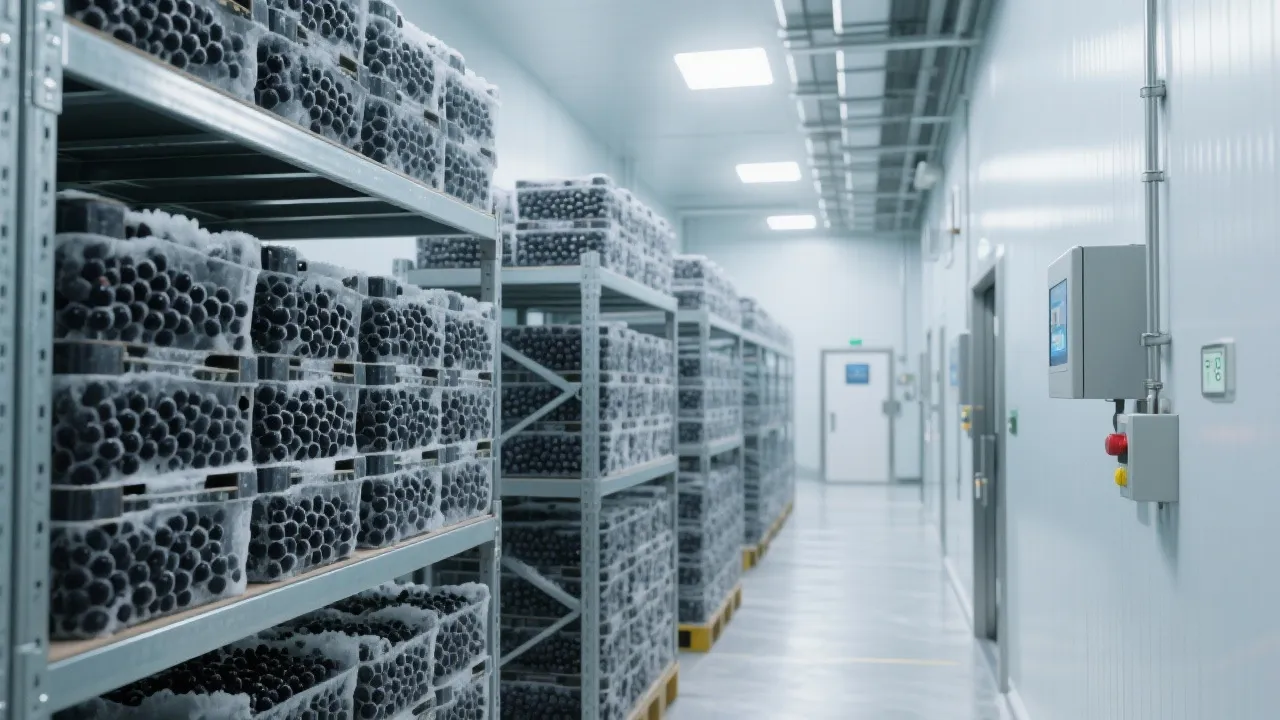
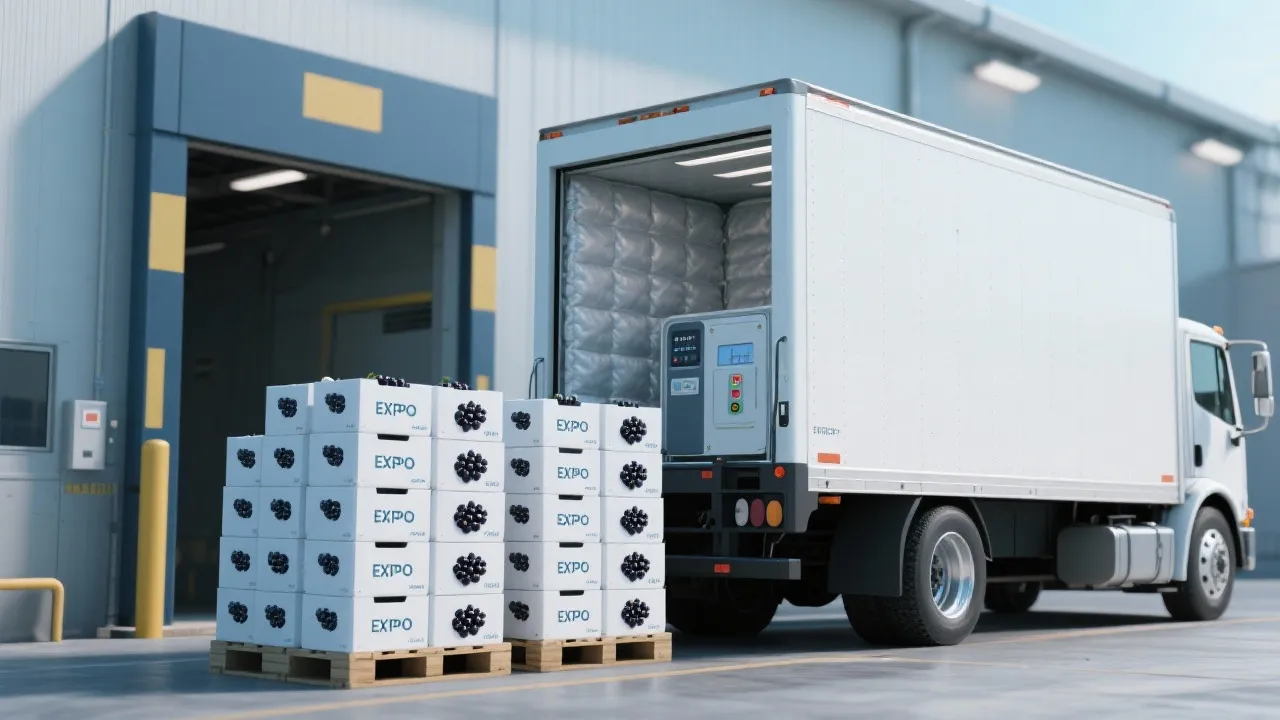
Maintaining proper temperature control throughout the supply chain isn't optional—it's a critical requirement for both food safety and regulatory compliance. Your supplier should be able to provide continuous temperature monitoring records from harvest through transportation and storage.
Look for suppliers who utilize advanced cold chain technologies, including GPS temperature tracking and real-time monitoring systems. These systems provide irrefutable evidence that your 出口级冷冻红树莓 has been maintained at the required -18°C or lower throughout its journey.
With so many factors to consider, having a systematic approach to supplier evaluation can save your team time and reduce risk. Here's a practical framework to identify truly qualified suppliers:
Begin with a thorough document review. Request current copies of ISO 22000 and HACCP certifications, not just mentions on a website. Examine SGS or CQC test reports from the last 3 months, ensuring they include all relevant parameters for your target markets.
Don't just skim the reports—dig into the actual numbers. Compare microbiological counts, pesticide residues, and heavy metal levels against the strictest standard of your target markets. Pay particular attention to any parameters that approach maximum limits, as these could indicate inconsistent quality control.
Even with perfect documentation, an on-site audit is invaluable. Observe harvesting practices, processing facilities, and storage conditions. Evaluate the supplier's traceability system by requesting a complete traceability demonstration from a recent batch. Finally, review their cold chain management protocols and temperature monitoring systems.

Working directly with the production facility—not a trading company or middleman—provides several critical advantages for your frozen raspberry procurement. Direct communication eliminates misunderstandings that can lead to quality issues. It also gives you greater visibility into the production process and more control over quality parameters.
Direct relationships also facilitate better traceability. In the event of a quality concern or regulatory inquiry, you can quickly access detailed information about the specific batch, including growing conditions, harvesting date, processing parameters, and transportation history.
Ensure your procurement team has the tools to evaluate suppliers confidently.
Get Your Global Frozen Fruit Compliance ChecklistThis comprehensive guide includes country-specific requirements, inspection checklists, and documentation templates to streamline your supplier qualification process.
As you evaluate potential suppliers for your出口级冷冻红树莓 needs, remember that compliance is an ongoing process, not a one-time achievement. The most reliable partners will demonstrate a commitment to continuous improvement in their food safety management systems. They'll invest in technology, staff training, and process optimization to ensure consistent quality and compliance with evolving regulatory requirements.
By prioritizing suppliers with robust ISO 22000 and HACCP systems, comprehensive testing protocols, transparent cold chain management, and direct factory relationships, you'll position your business for success in the competitive global functional food market. The due diligence you perform today will protect your brand reputation and bottom line for years to come.

 62
|
62
|
 freeze dried raspberry powder
anthocyanin bioavailability
protein bar formulation
functional food ingredients
microencapsulation techniques
75
|
frozen blackberry packaging solutions
eco-friendly packaging for frozen fruit
customized packaging for B2B export
sustainable food packaging materials
functional packaging innovation
172
|
IQF technology
berry preservation
flash freezing
fruit nutrition retention
frozen fruit processing
384
|
frozen blackberry packaging solutions
portable portion control packaging
sealable packaging for frozen fruit
custom frozen fruit packaging
packaging design for repeat purchases
252
|
whole freeze dried raspberry powder
probiotic blend ingredients
functional food raw materials
anthocyanin rich powder
premium berry powder
freeze dried raspberry powder
anthocyanin bioavailability
protein bar formulation
functional food ingredients
microencapsulation techniques
75
|
frozen blackberry packaging solutions
eco-friendly packaging for frozen fruit
customized packaging for B2B export
sustainable food packaging materials
functional packaging innovation
172
|
IQF technology
berry preservation
flash freezing
fruit nutrition retention
frozen fruit processing
384
|
frozen blackberry packaging solutions
portable portion control packaging
sealable packaging for frozen fruit
custom frozen fruit packaging
packaging design for repeat purchases
252
|
whole freeze dried raspberry powder
probiotic blend ingredients
functional food raw materials
anthocyanin rich powder
premium berry powder

.jpg?x-oss-process=image/resize,h_800,m_lfit/format,webp)






.png?x-oss-process=image/resize,h_100,m_lfit/format,webp)
.png?x-oss-process=image/resize,h_100,m_lfit/format,webp)
.png?x-oss-process=image/resize,h_100,m_lfit/format,webp)
 English


