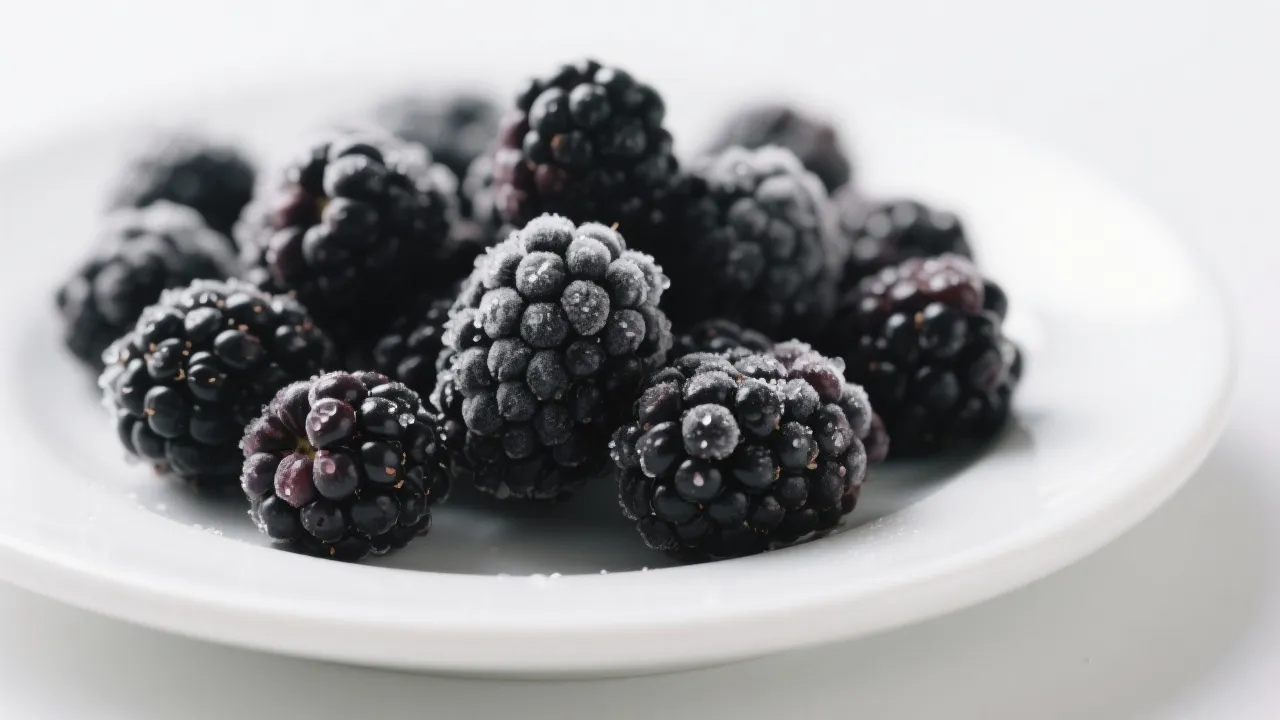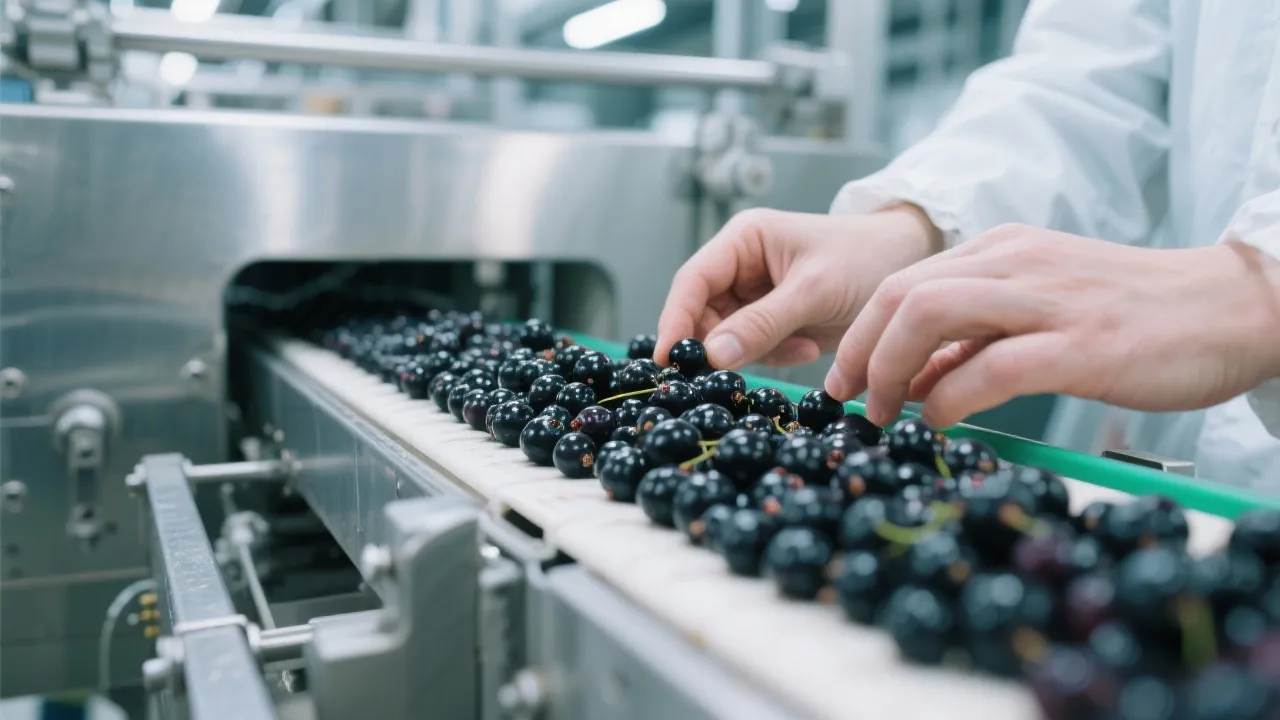
For food exporters targeting the European market, packaging compliance isn't just a regulatory requirement—it's a critical business imperative. According to recent EU customs data, approximately 12% of food imports face delays or rejection due to non-compliant labeling, with frozen fruits accounting for 18% of these incidents. For frozen blackcurrant suppliers, understanding the nuances of EU Regulation 2023/2024 is essential to avoid costly disruptions and maintain market access.
Non-compliant packaging can lead to severe consequences beyond just product returns. A 2023 industry report revealed that food companies face average losses of €25,000 per non-compliant shipment, including storage fees, product disposal, and reputational damage. For small to medium-sized enterprises, these costs can significantly impact profit margins and long-term market viability.
"EU Regulation 2023/2024 introduces stricter traceability requirements for frozen fruit products, including enhanced labeling standards for origin, storage conditions, and allergen information. Non-compliance may result in border detention, product recall, or market withdrawal."
— Excerpt from EU Official Journal L342/12, October 2023
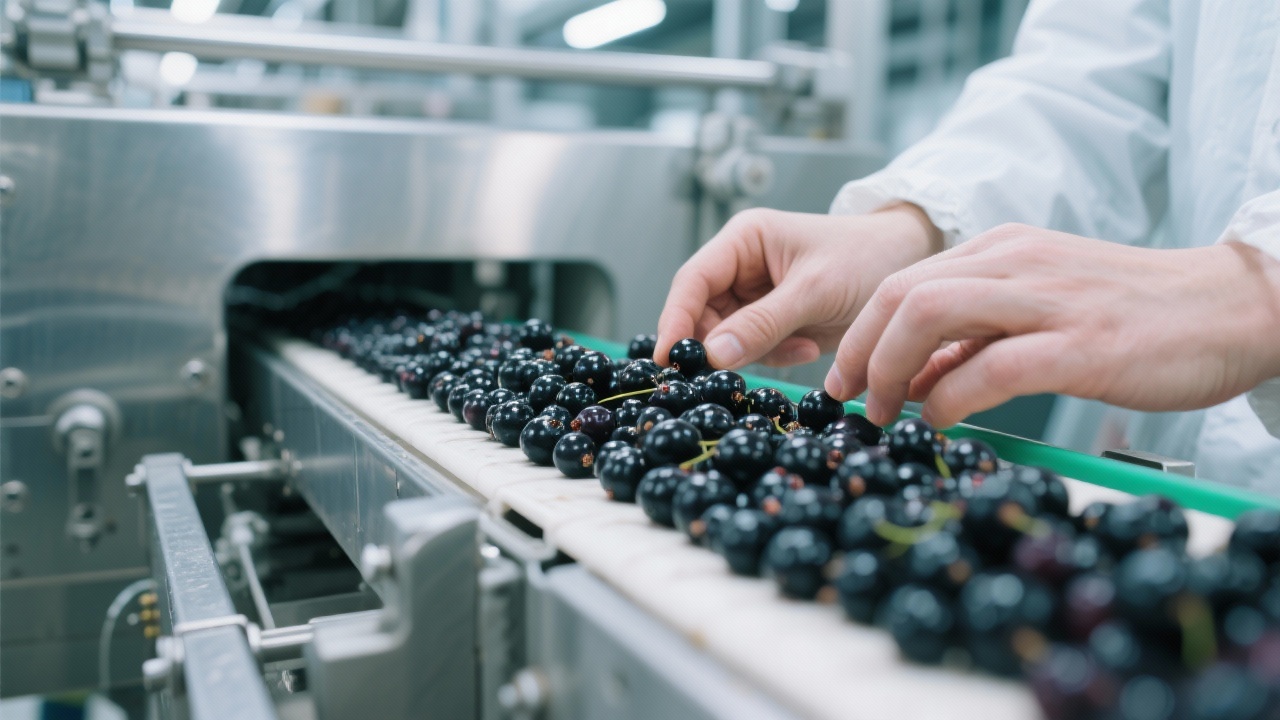
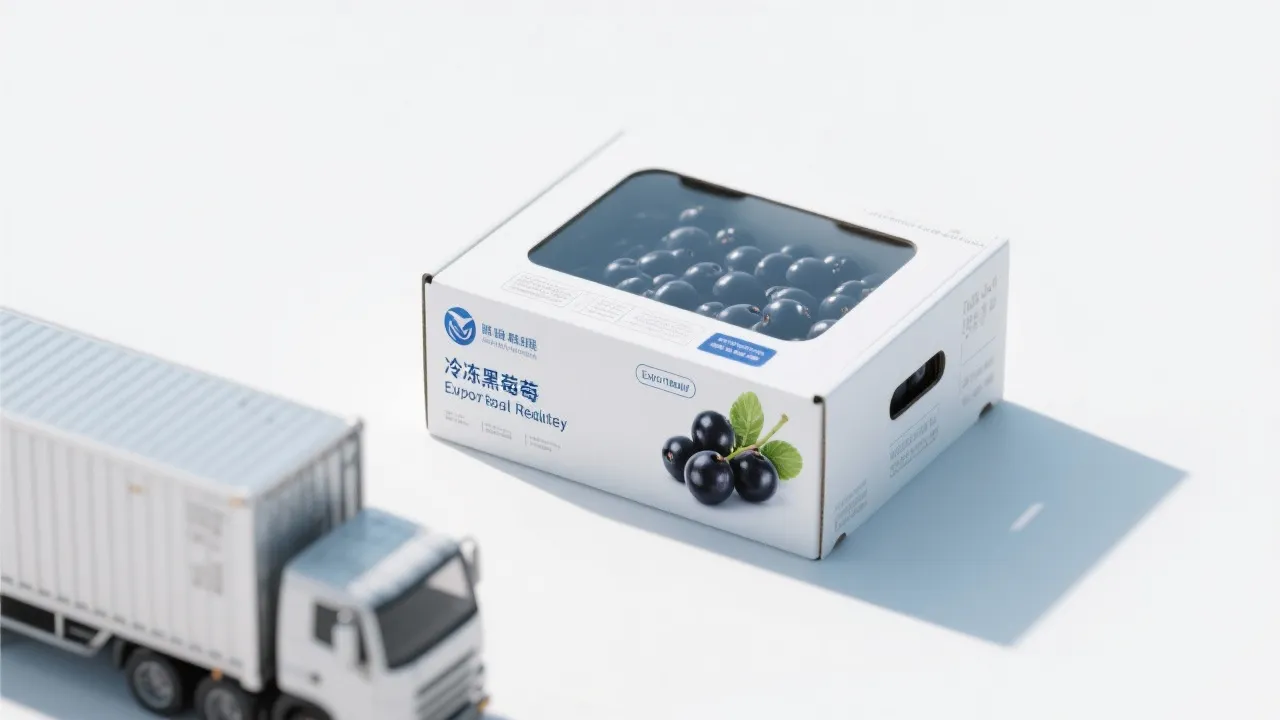
EU Regulation 2023/2024 mandates specific information that must appear on all frozen blackcurrant packaging. This includes:
Under EU FIC (Food Information to Consumers) regulations, any potential allergens must be clearly highlighted in the ingredient list. For frozen blackcurrants, common cross-contamination risks include nuts and sulfites, which require specific declaration even at trace levels below 10mg/kg.
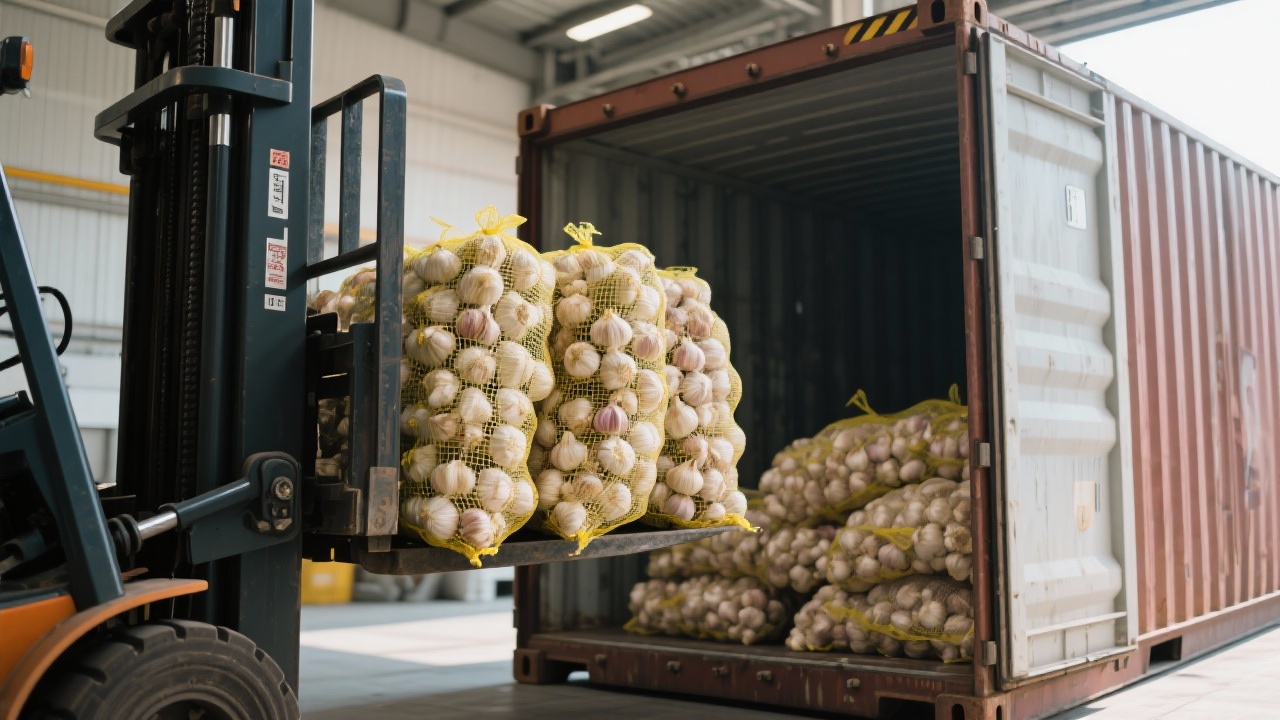
New for 2023/2024 is the mandatory cold chain maintenance标识 (CCMI) that must appear on all outer packaging. This standardized symbol indicates the maximum temperature the product can be exposed to during transport (6°C for thawed products, -12°C for partially frozen) and requires documentation of temperature monitoring throughout the supply chain.
EU authorities now require documented evidence that packaging production processes meet HACCP principles. This includes:
A leading Chinese frozen fruit exporter faced a €45,000 loss in Q1 2023 when 3 containers of blackcurrants were rejected at Rotterdam port. The issue? Inadequate allergen labeling and missing cold chain documentation. Working with 亿商桥 (Yishangqiao), they implemented a three-phase compliance strategy:
The result: Zero rejected shipments in the following 6 months and a 22% increase in repeat orders from EU buyers.
Successfully navigating EU packaging regulations requires a proactive approach. Consider these actionable steps:
Avoid costly delays and maintain your competitive edge in European markets with compliant OEM packaging solutions.
Explore 亿商桥's EU-Compliant Packaging SolutionsAs EU regulations continue to evolve, partnering with experienced trade compliance experts becomes increasingly valuable. The difference between market access and market exclusion often lies in the details of packaging compliance—a critical area where expertise and attention to detail can transform challenges into opportunities for growth in Europe's demanding food market.

 422
|
422
|
 frozen black currant preservation
IQF freezing technology
cold chain logistics for berries
black currant quality control
frozen berry processing
174
|
IQF technology
berry preservation
flash freezing
fruit nutrition retention
frozen fruit processing
488
|
IQF freezing technology
IQF frozen blackberries
berry preservation science
vitamin C and anthocyanin retention
frozen berries for beverage manufacturing
168
|
Rapid freezing technology
IQF blackberries
berry preservation science
frozen fruit nutrition retention
beverage ingredient processing
185
|
frozen black currant preservation
IQF rapid freezing
-18°C cold chain logistics
black currant quality control
frozen berry processing
frozen black currant preservation
IQF freezing technology
cold chain logistics for berries
black currant quality control
frozen berry processing
174
|
IQF technology
berry preservation
flash freezing
fruit nutrition retention
frozen fruit processing
488
|
IQF freezing technology
IQF frozen blackberries
berry preservation science
vitamin C and anthocyanin retention
frozen berries for beverage manufacturing
168
|
Rapid freezing technology
IQF blackberries
berry preservation science
frozen fruit nutrition retention
beverage ingredient processing
185
|
frozen black currant preservation
IQF rapid freezing
-18°C cold chain logistics
black currant quality control
frozen berry processing


.png?x-oss-process=image/resize,h_100,m_lfit/format,webp)
.png?x-oss-process=image/resize,h_100,m_lfit/format,webp)
.png?x-oss-process=image/resize,h_100,m_lfit/format,webp)
 English