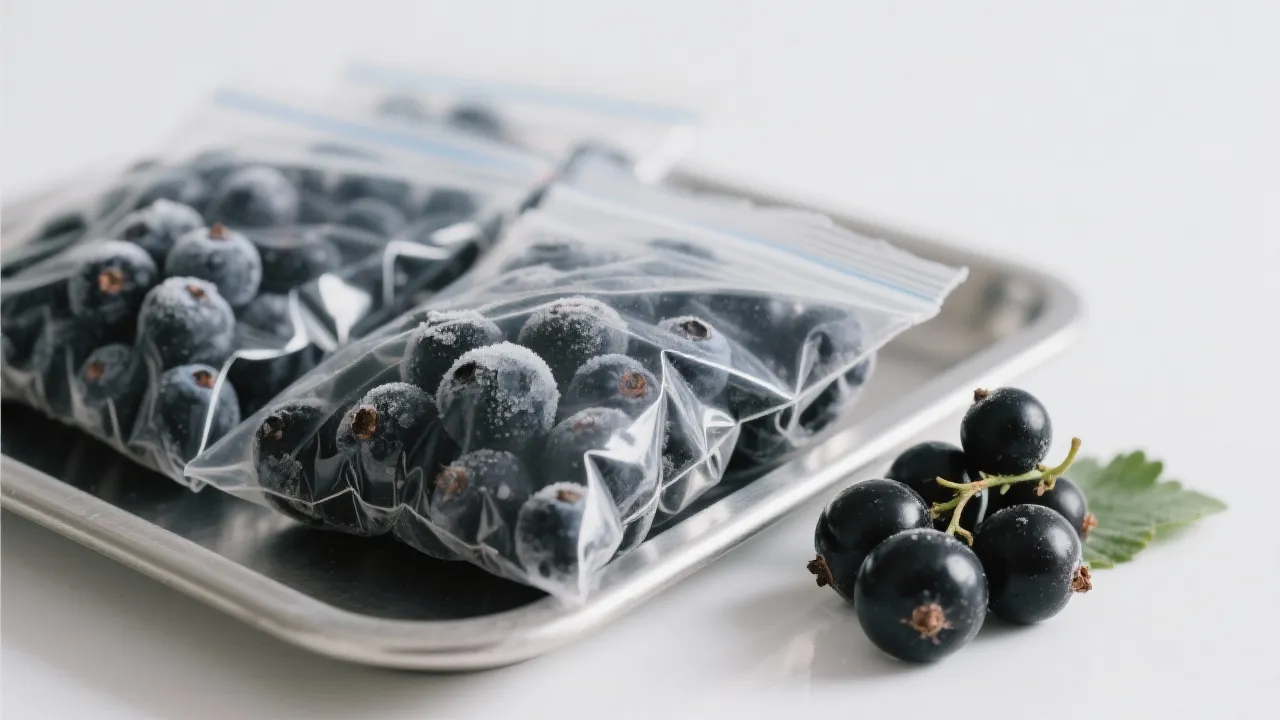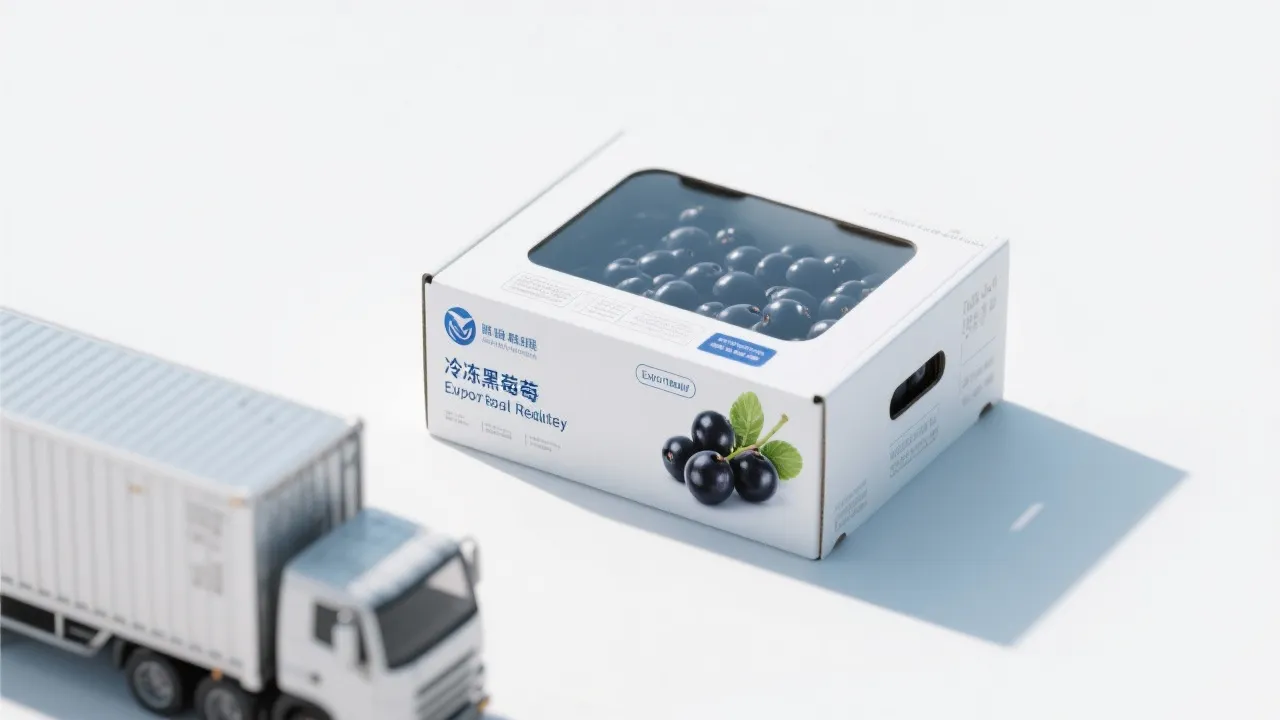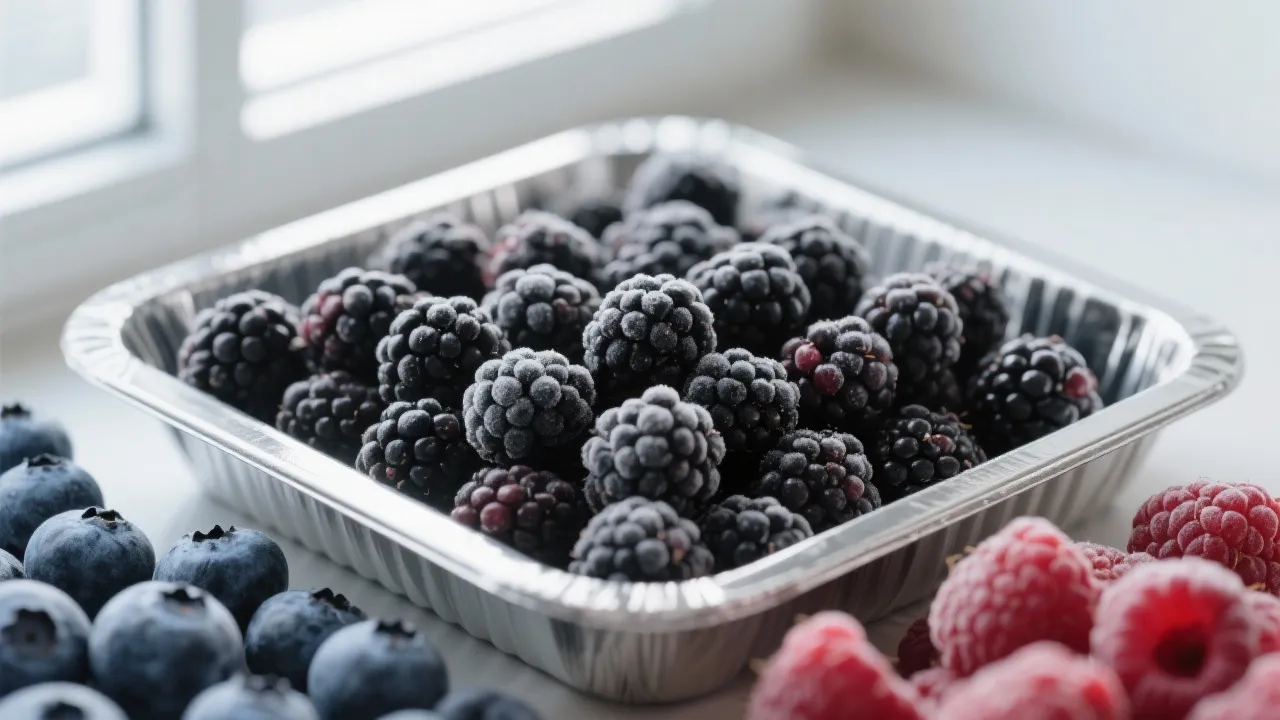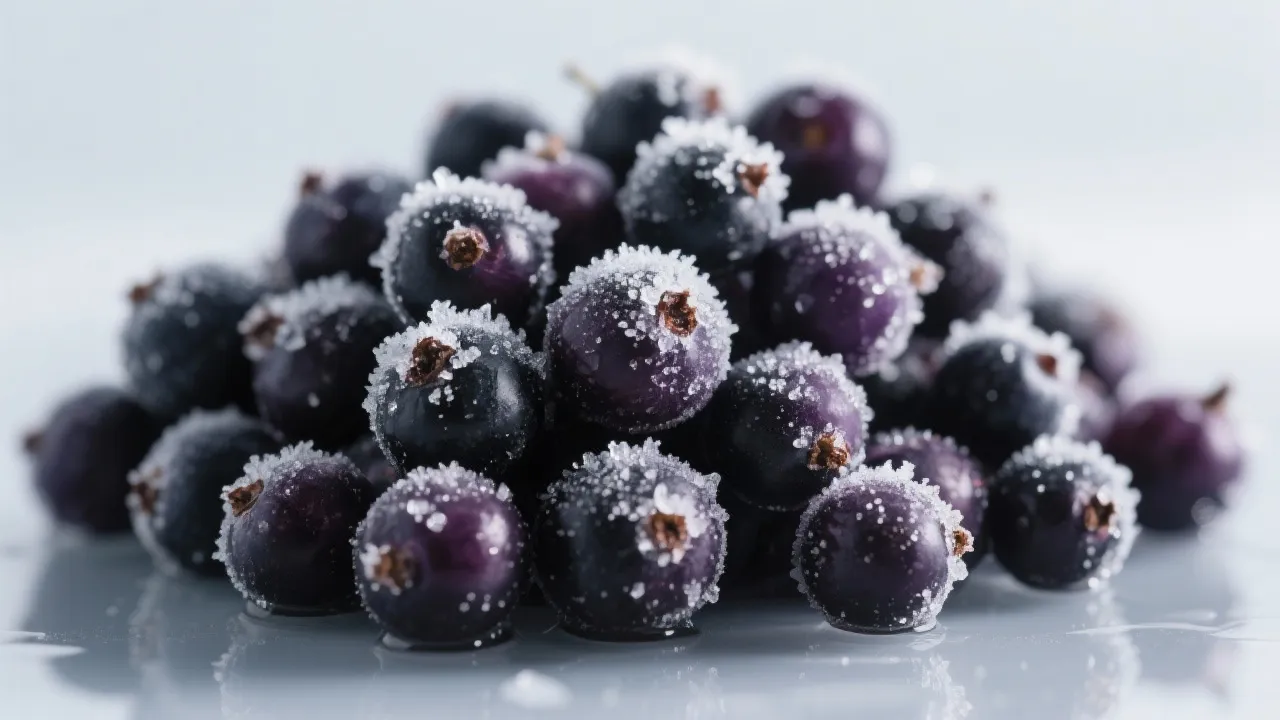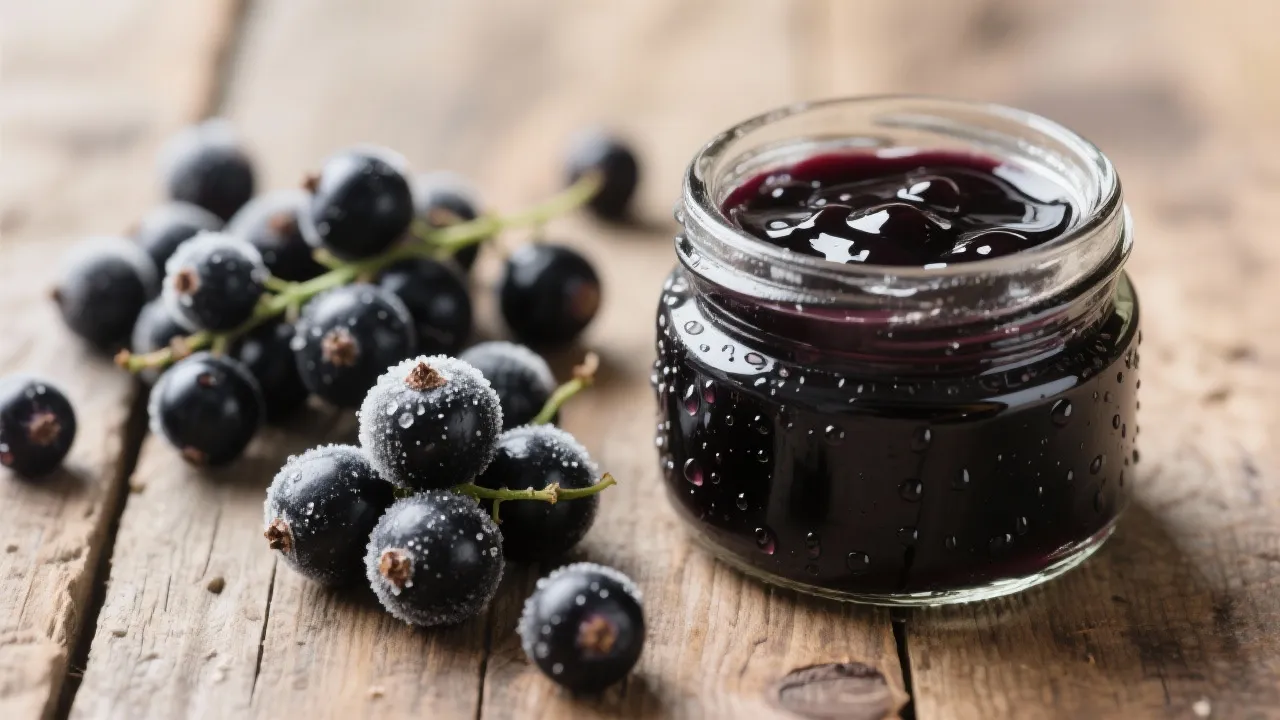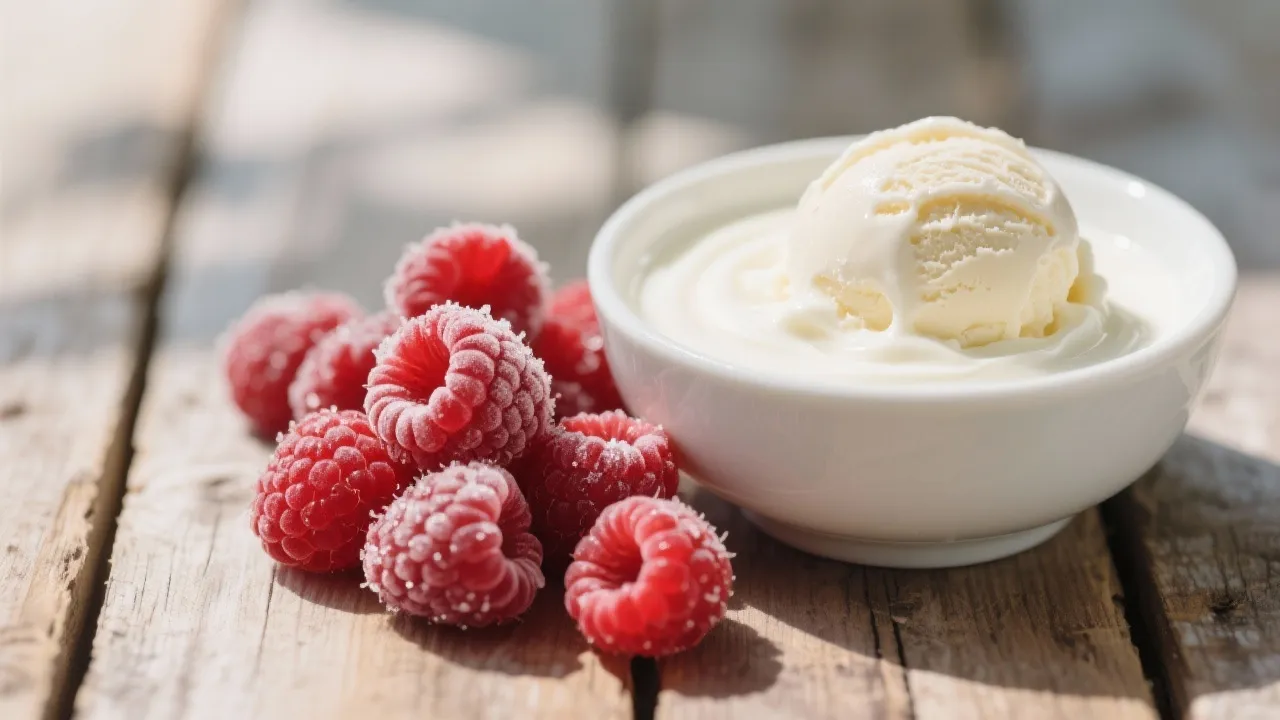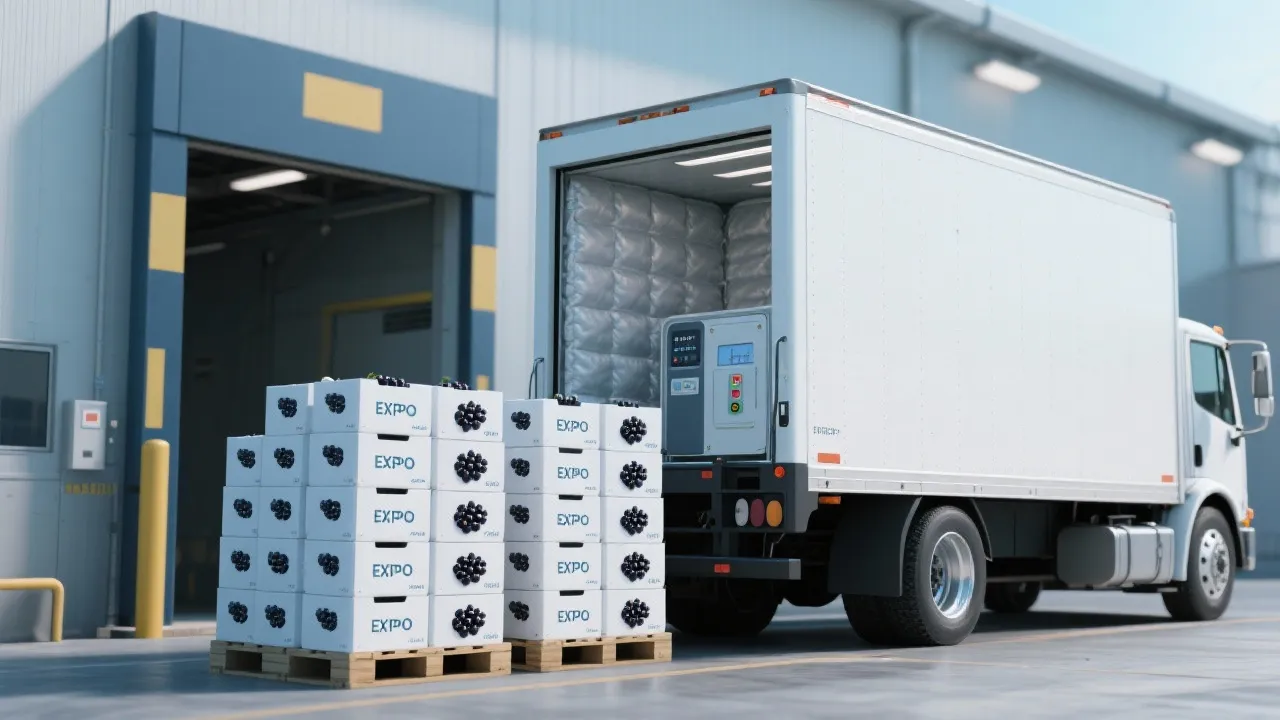
Navigating the complex landscape of EU food regulations can be challenging for manufacturers looking to export frozen blackcurrants to Europe. With the implementation of EU Regulation 2023/2024, understanding the specific labeling and packaging requirements has become more critical than ever. This guide breaks down the essential compliance elements, helping your business avoid costly delays and ensure market access.
The European Union's latest regulatory update introduces stricter controls on food packaging, particularly for imported frozen fruits. According to the European Commission's latest figures, non-compliant labeling accounts for approximately 23% of food product rejections at EU borders, resulting in an estimated €120 million in annual losses for exporters worldwide.
EU Regulation 2023/2024 strengthens traceability requirements and introduces enhanced allergen labeling standards, directly impacting how frozen blackcurrant products must be presented to European buyers.
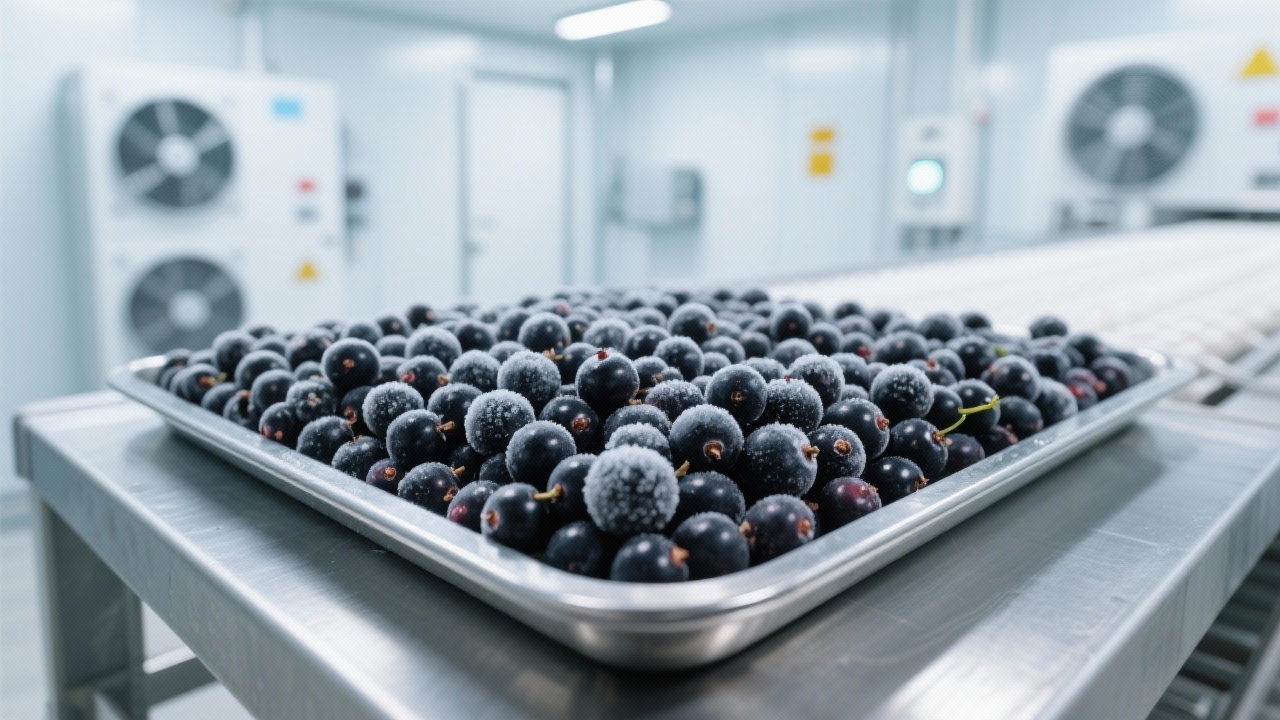
Effective labeling goes beyond basic product identification—it's a critical communication tool that builds trust with EU authorities and consumers alike. The regulation mandates specific information that must be clearly displayed on all frozen blackcurrant packaging:
Under the new regulation, allergen information requires special emphasis. A study by the European Food Safety Authority (EFSA) found that incorrect allergen labeling was responsible for 34% of food-related allergic reactions in the EU in 2022. For frozen blackcurrant products, this means clearly identifying any potential cross-contamination risks from processing facilities that handle allergens like nuts or gluten.
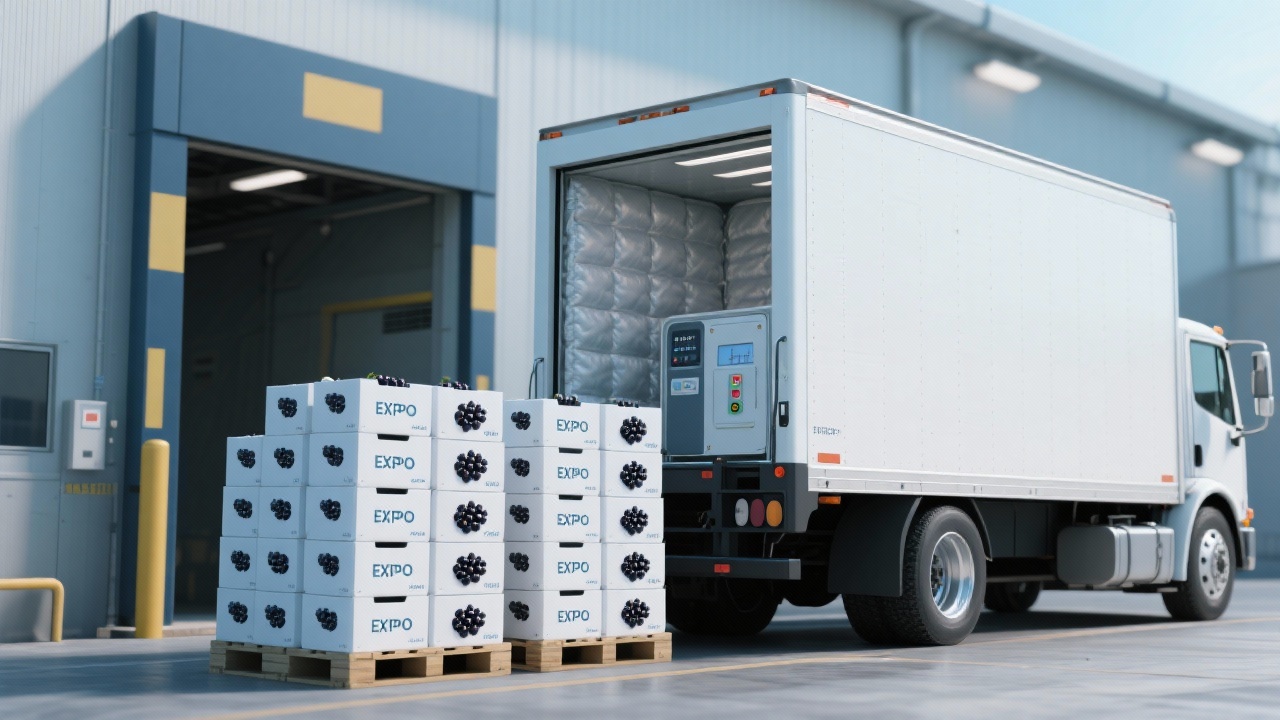
Maintaining product integrity during transport is essential for frozen blackcurrants. EU Regulation 2023/2024 specifies mandatory temperature control indicators and handling instructions that must appear on outer packaging. According to industry data, proper cold chain labeling reduces product spoilage by up to 40% during transit to EU markets.
Packaging material selection also plays a crucial role in compliance. The regulation prohibits certain plastic materials and requiresrequires evidence that all packaging be recyclable or biodegradable by 2025. 亿商桥 recommends using polyethylene terephthalate (PET) containers with oxygen barrier properties to maintain product freshness while meeting EU sustainability standards.
A leading Chinese frozen fruit exporter recently faced a €45,000 shipment rejection due to non-compliant labeling. The issue stemmed from inadequate allergen warnings and missing storage temperature instructions. Following a comprehensive review of their packaging process and implementation of EU Regulation 2023/2024 requirements, the company successfully re-entered the EU market with zero compliance issues in subsequent shipments.
Integrating HACCP principles into packaging operations is no longer optional for EU market access. The regulation requires documented HACCP plans that specifically address packaging-related hazards, from contamination risks to temperature abuse. A properly implemented HACCP system can reduce compliance-related delays by up to 65%, according to industry benchmarks.
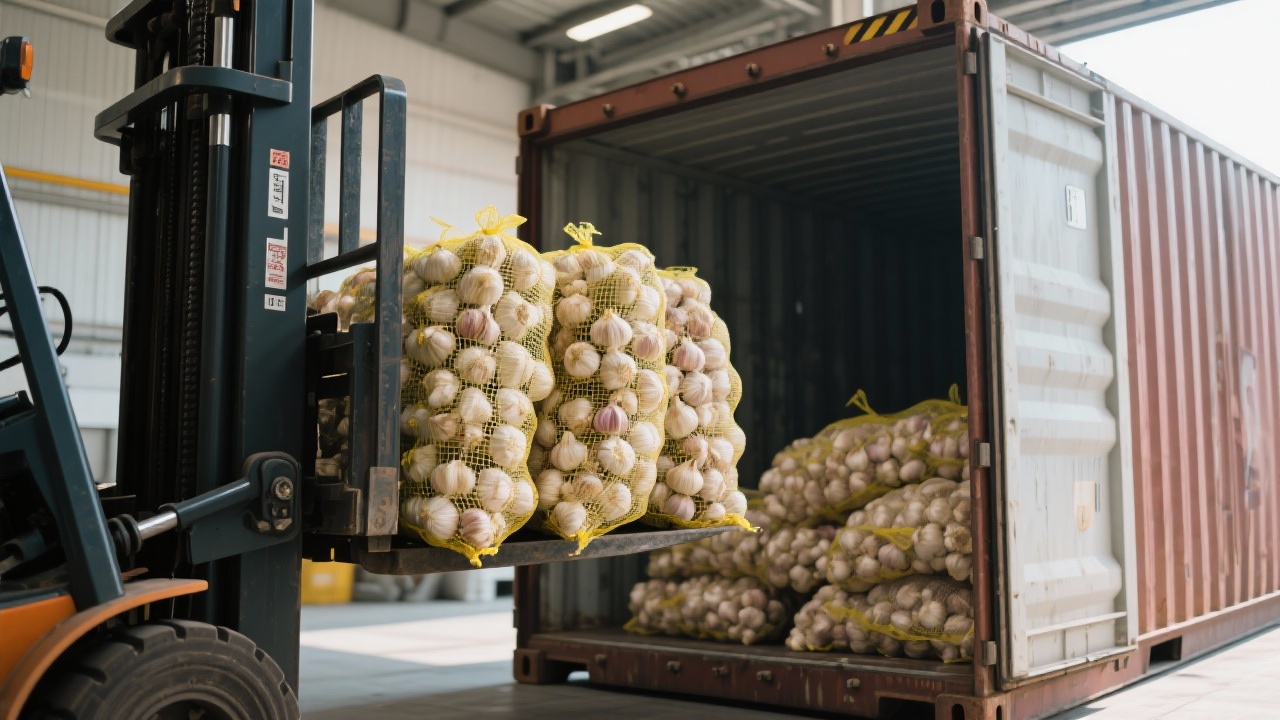
Transitioning to fully compliant packaging requires careful planning. Based on industry best practices, companies should allocate:
By following this timeline, businesses can ensure a smooth transition to compliant packaging without disrupting existing export schedules.
Ensure your frozen blackcurrant products meet all EU regulatory requirements with expert guidance tailored to your specific OEM packaging needs.
Explore Custom Compliance SolutionsSuccessfully navigating EU packaging regulations requires a combination of regulatory knowledge, careful planning, and attention to detail. By implementing the requirements outlined in EU Regulation 2023/2024, food processors can position themselves for long-term success in the European market while building a reputation for quality and compliance.

 159
|
159
|
 Halal Kosher frozen fruit
frozen berry export compliance
Halal Kosher certification standards
international food raw material certification
Yishangqiao organic frozen blackberries
443
|
frozen blackberries functional food applications
high antioxidant berry ingredients
organic frozen blackberries usage tips
frozen berries in energy bars
cold brew beverage ingredient innovation
285
|
blackcurrant frozen fruit thawing
blackcurrant processing optimization
frozen fruit juice application
blackcurrant dessert processing
frozen fruit supply chain
93
|
frozen blackcurrants
whole fruit rate control
three-stage manual sorting
EU import standards
HACCP certification
39
|
frozen whole red raspberries
anthocyanin activity preservation
cold chain technology
food safety management
functional food ingredients
Halal Kosher frozen fruit
frozen berry export compliance
Halal Kosher certification standards
international food raw material certification
Yishangqiao organic frozen blackberries
443
|
frozen blackberries functional food applications
high antioxidant berry ingredients
organic frozen blackberries usage tips
frozen berries in energy bars
cold brew beverage ingredient innovation
285
|
blackcurrant frozen fruit thawing
blackcurrant processing optimization
frozen fruit juice application
blackcurrant dessert processing
frozen fruit supply chain
93
|
frozen blackcurrants
whole fruit rate control
three-stage manual sorting
EU import standards
HACCP certification
39
|
frozen whole red raspberries
anthocyanin activity preservation
cold chain technology
food safety management
functional food ingredients


.png?x-oss-process=image/resize,h_100,m_lfit/format,webp)
.png?x-oss-process=image/resize,h_100,m_lfit/format,webp)
.png?x-oss-process=image/resize,h_100,m_lfit/format,webp)
 English