

Navigating the stringent European Union (EU) food safety regulations and the Hazard Analysis and Critical Control Points (HACCP) certification framework is pivotal for exporters of frozen blackcurrants aiming to penetrate the EU market. These regulatory imperatives transform the entire supply chain landscape, mandating rigorous microbial controls, contamination prevention, and traceability. Grounded in the practical insights of Yishangqiao (Hangzhou) International Trade Co., Ltd., this article explores critical compliance touchpoints and actionable strategies to optimize frozen blackcurrant exports.
The EU's food import framework focuses on stringent microbiological criteria, active monitoring of hazards, and comprehensive process controls to prevent cross-contamination. Under Regulation (EC) No 178/2002 and subsequent HACCP protocols, exporters must demonstrate systematic risk assessments and preventive measures covering each stage of production and distribution.
“Food business operators shall implement and maintain permanent procedures based on the HACCP principles that identify, evaluate, and control hazards significant for food safety.” — EU Food Hygiene Regulation (EC) No 852/2004
Key regulatory requirements include:
| Compliance Aspect | Requirement Highlights |
|---|---|
| Microbial Control | Limits on pathogens (e.g., Listeria monocytogenes) and spoilage organisms. |
| Cross-Contamination Prevention | Dedicated equipment and segregation protocols throughout processing. |
| Traceability | Full batch-level tracking from harvest to delivery. |
| Cold Chain Integrity | Maintenance of -18°C or lower throughout transport and storage. |
Achieving compliance necessitates addressing each supply chain node meticulously:

Industry data reveal that companies integrating these practices experience a 12% reduction in customs clearance delays and >20% fewer product rejections at EU borders.
Exporters can implement targeted interventions to elevate compliance and supply chain efficiency:
| Optimization Area | Specific Measures | Expected Impact |
|---|---|---|
| Fruit Sorting Efficiency | Triple-pass manual sorting to eliminate under-ripe or damaged berries. | Maintain >95% whole berry yield and improve visual quality. |
| Cold Chain Stability | Adoption of IoT temperature loggers monitoring -18°C continuously. | Ensure product safety and reduce spoilage by 15%. |
| Testing & Certification | Standardize sample collection and partner with accredited EU labs. | Enhance compliance transparency and reduce random audit risks. |
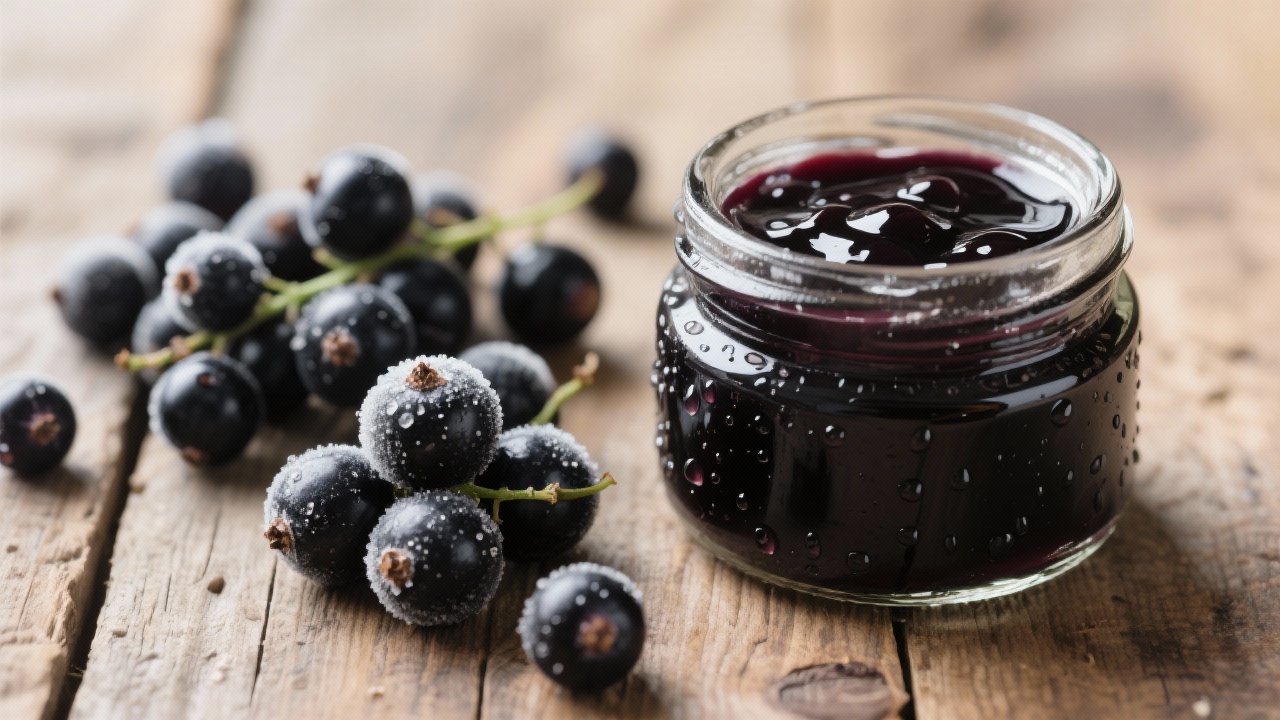
The European frozen fruit sector is witnessing a surge in demand for compliant suppliers with transparent and resilient supply chains. According to recent market analyses, brands demonstrating robust compliance achieve an average of 18% premium pricing and more stable buyer partnerships.
As regulatory frameworks evolve, exporters must transition from reactive compliance to establishing professional, end-to-end supply chain systems—integrating digital traceability, quality assurance protocols, and sustainable practices—to secure long-term market foothold.

Embracing these compliance essentials and supply chain optimizations not only propels exporters towards seamless EU market access but also builds a competitive brand narrative centered on safety, quality, and reliability. For detailed testing protocols and sample reports, connect with our experts to tailor your export strategy effectively.


.png?x-oss-process=image/resize,h_100,m_lfit/format,webp)
.png?x-oss-process=image/resize,h_100,m_lfit/format,webp)
.png?x-oss-process=image/resize,h_100,m_lfit/format,webp)
 English


