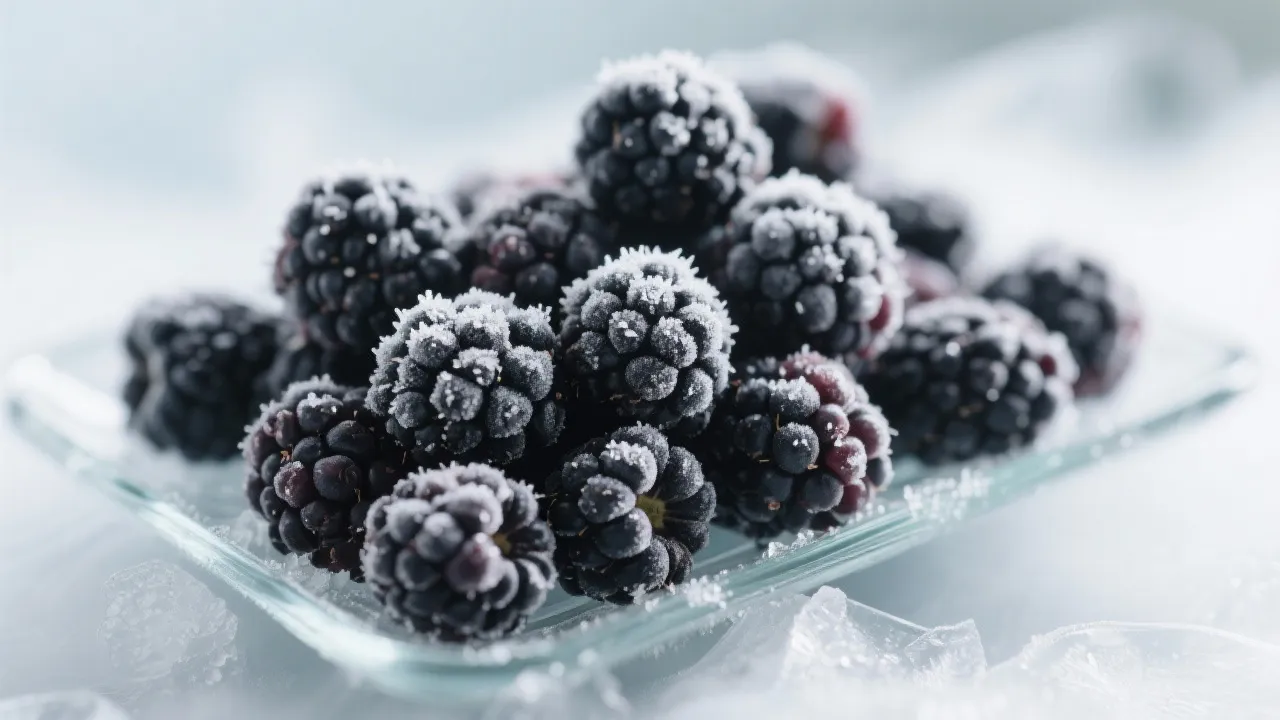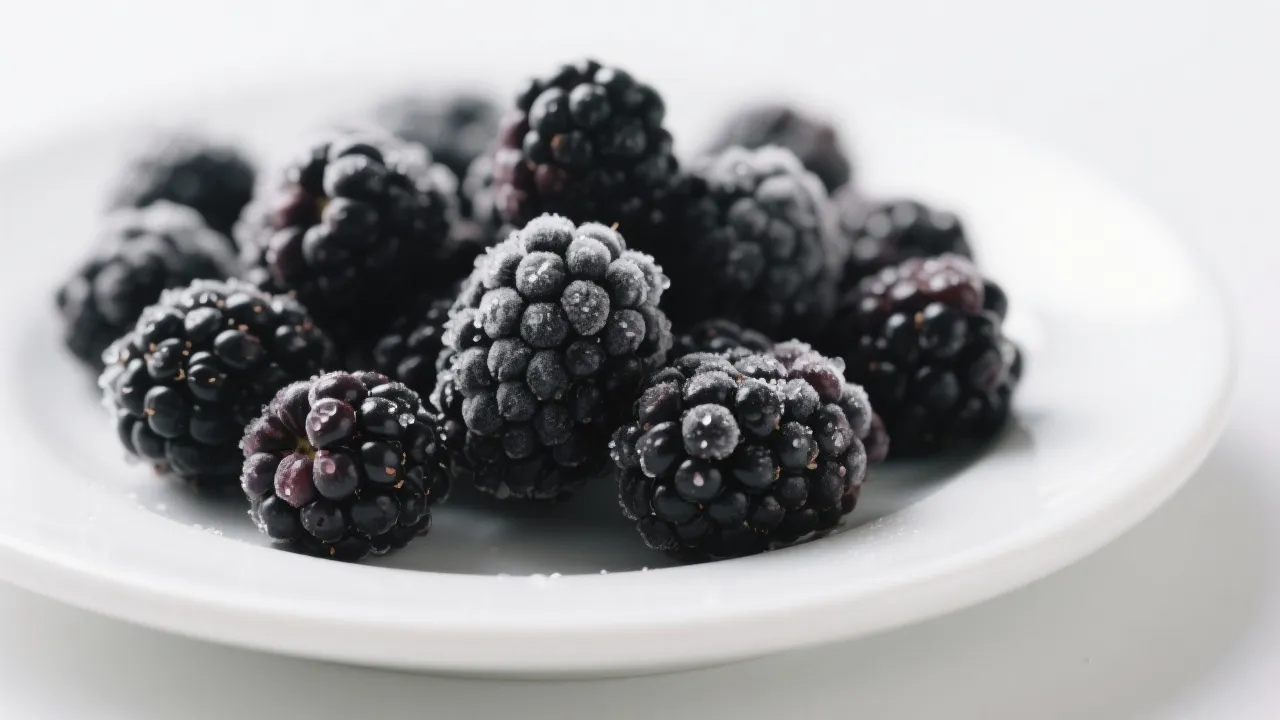
For European food manufacturers and processors, selecting high-quality frozen blackcurrants that comply with stringent EU regulations is both a legal requirement and a business imperative. The European market demands not only superior product quality but also rigorous safety standards that span the entire supply chain—from cultivation to final delivery. This guide demystifies the complex regulatory landscape while highlighting the critical factors that distinguish reliable blackcurrant suppliers from the competition.
Key Statistic:
The EU accounts for over 45% of global frozen fruit imports, with blackcurrants representing a €120 million annual market, driven by demand in juice, confectionery, and dairy sectors (Source: European Frozen Food Association, 2023).
The European Union has established one of the world's most comprehensive food safety systems, governed primarily by Regulation (EC) No 178/2002, which lays down the general principles of food law, including traceability, safety, and consumer protection. For frozen blackcurrants specifically, importers must navigate three critical regulatory pillars:
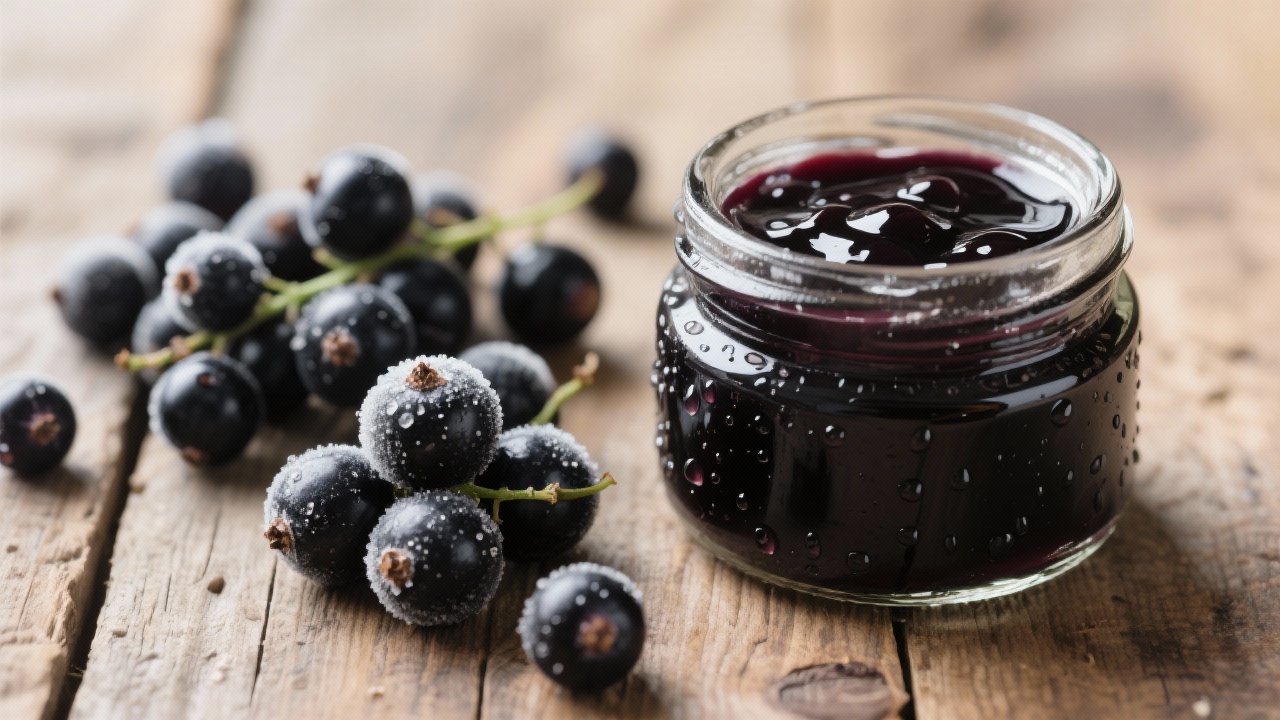
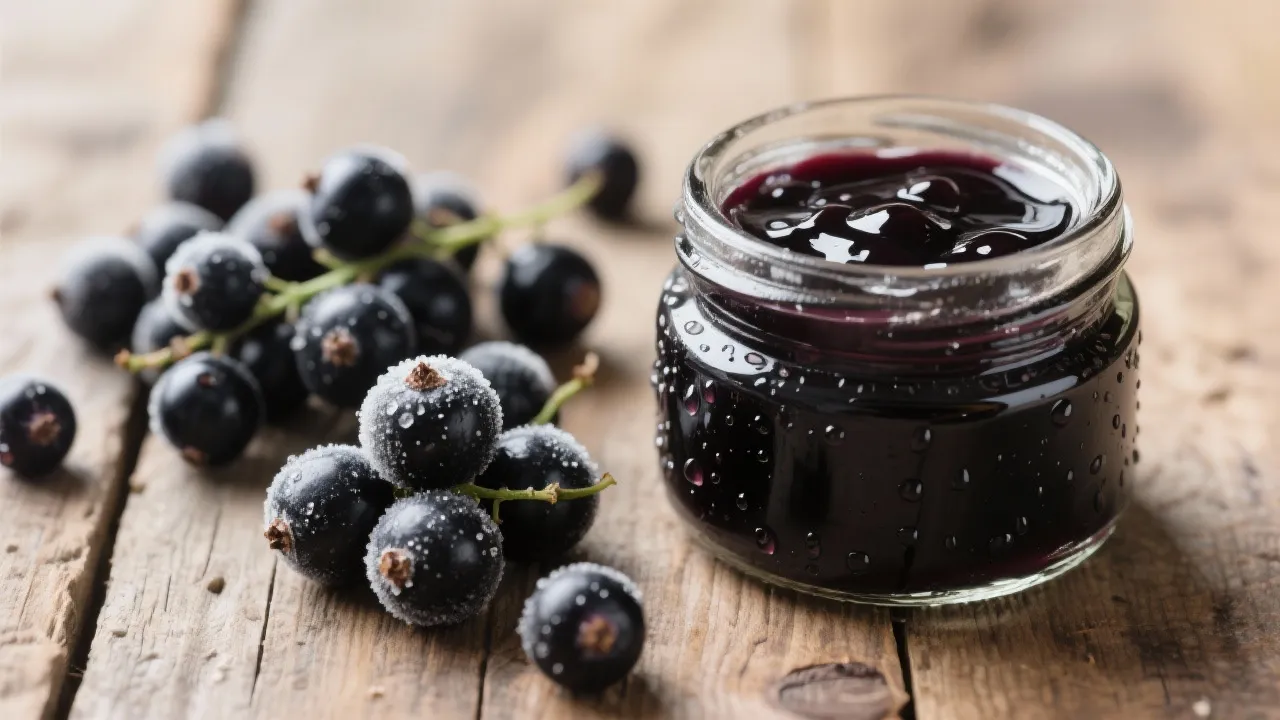
The journey to EU-compliant frozen blackcurrants begins with strategic产区选择. Premium blackcurrant cultivation requires specific climatic conditions—temperate summers with adequate rainfall and well-drained soil. Regions like Heilongjiang in China's northeast have emerged as reliable sources, offering optimal growing conditions that produce berries with 18-22% soluble solids and anthocyanin levels exceeding 350mg/100g—parameters that meet the exacting standards of European processors.
Equally critical is the harvesting and selection process. Leading suppliers implement a three-stage manual sorting protocol that ensures:
First Sort: Raw Material Inspection
Removal of unripe, overripe, or damaged berries immediately after harvest
Second Sort: Size Classification
Grading berries into uniform sizes (typically 8-12mm diameter) for consistent processing
Third Sort: Quality Assurance
Final inspection to ensure 99.9% defect-free product before freezing
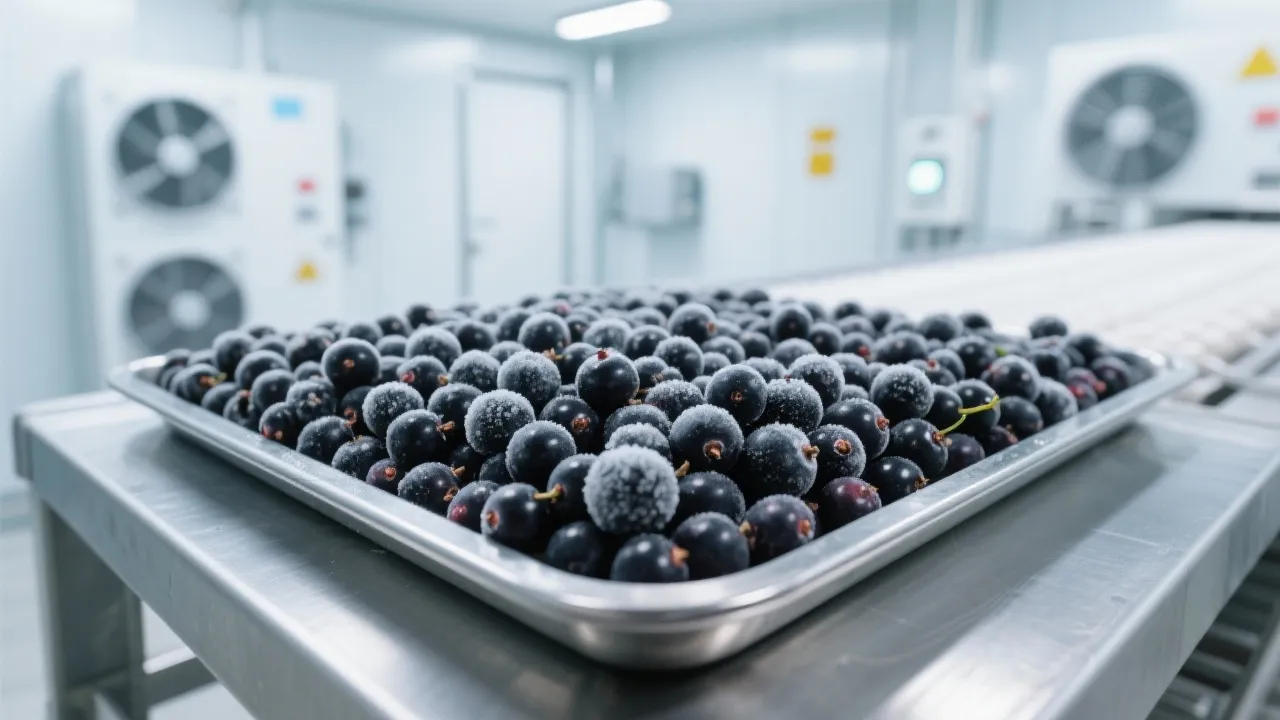
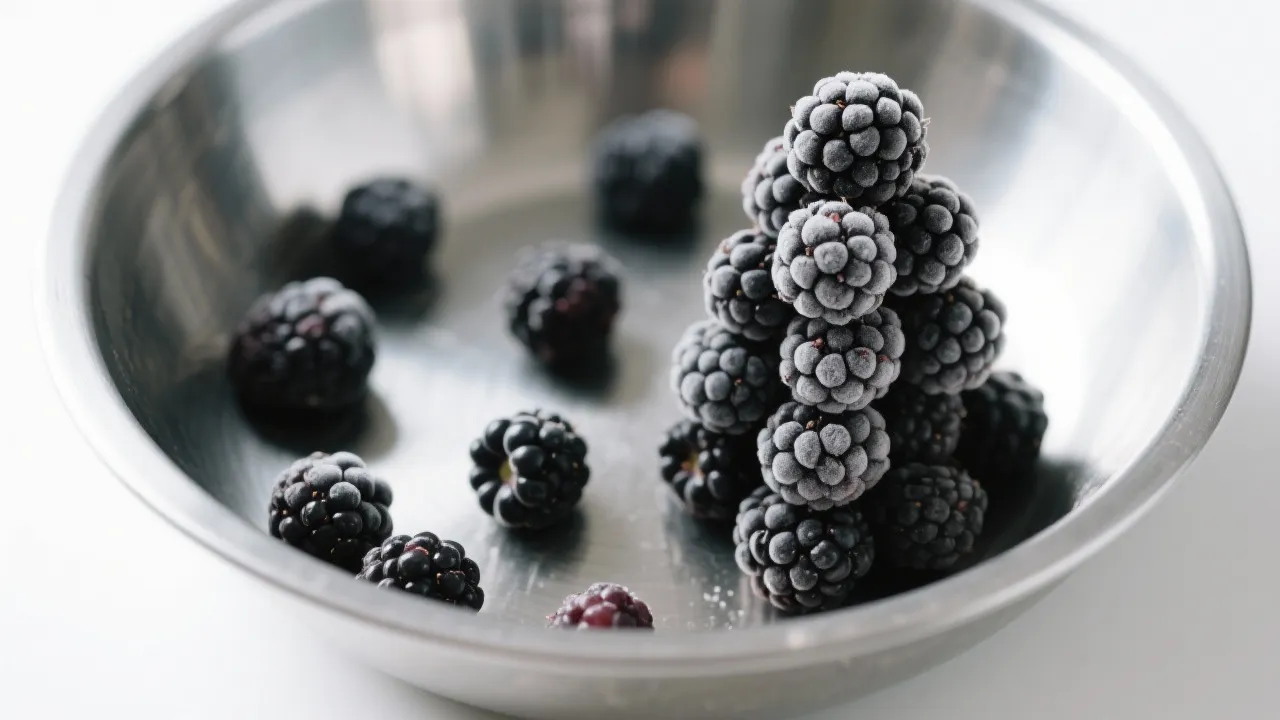
The transition from fresh to frozen is a critical juncture where improper handling can compromise both quality and safety. Modern suppliers employ individual quick freezing (IQF) technology that flash-freezes berries at -35°C within 30 minutes of harvest. This process creates smaller ice crystals, minimizing cellular damage and preserving:
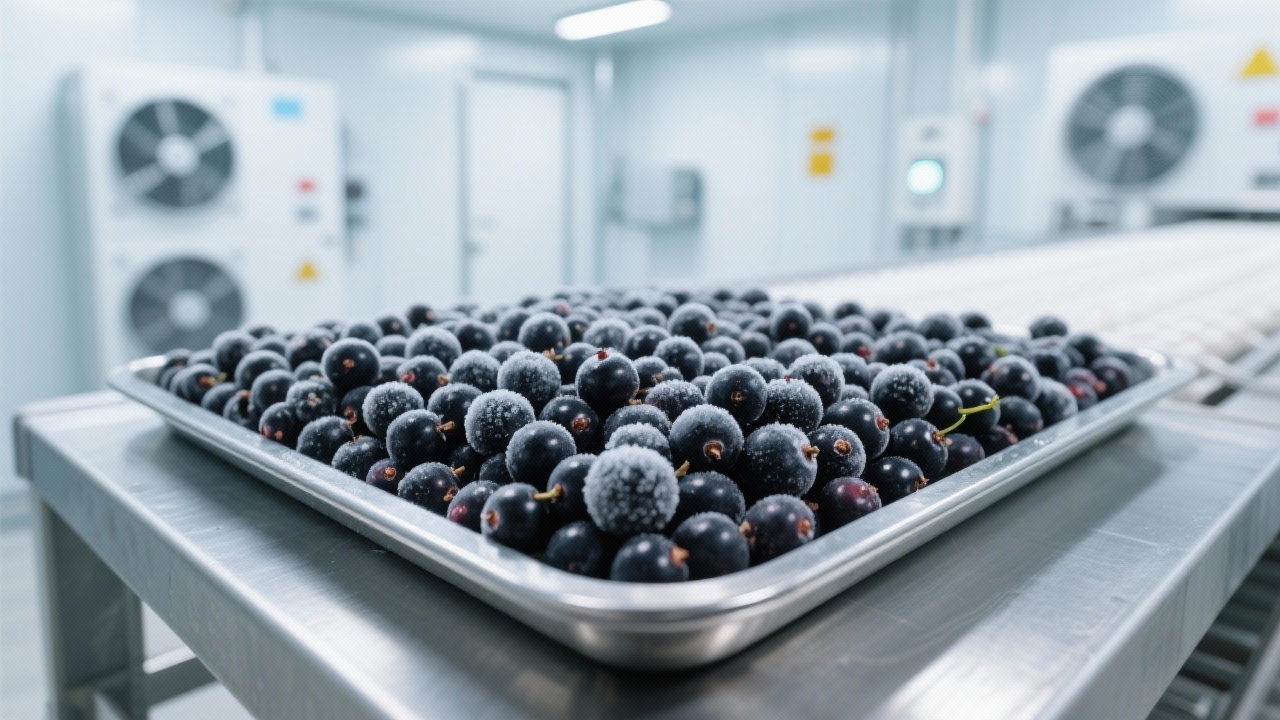
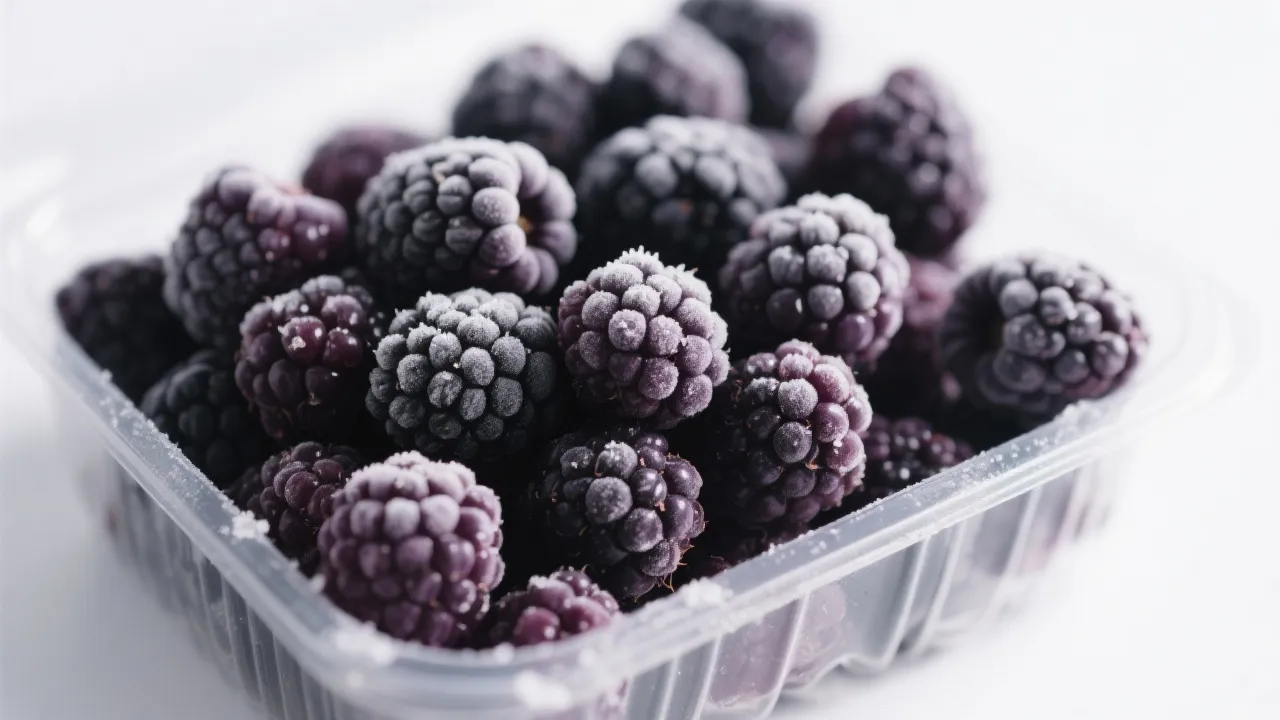
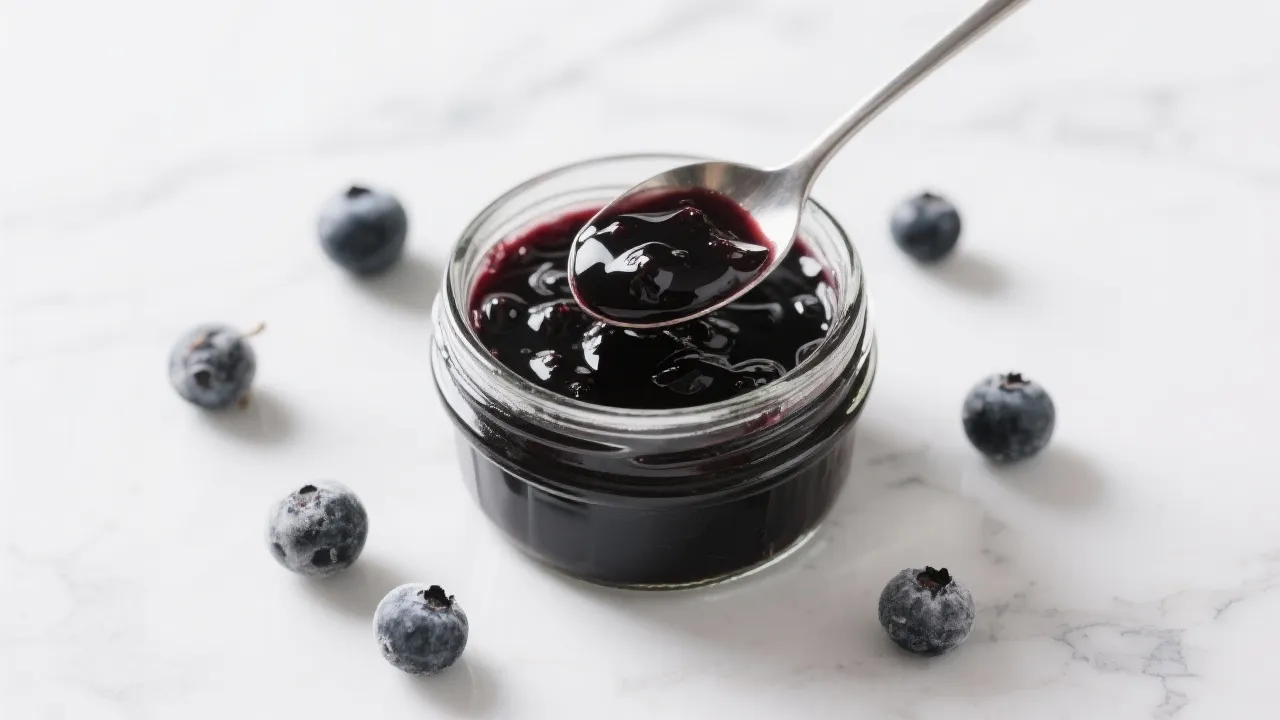
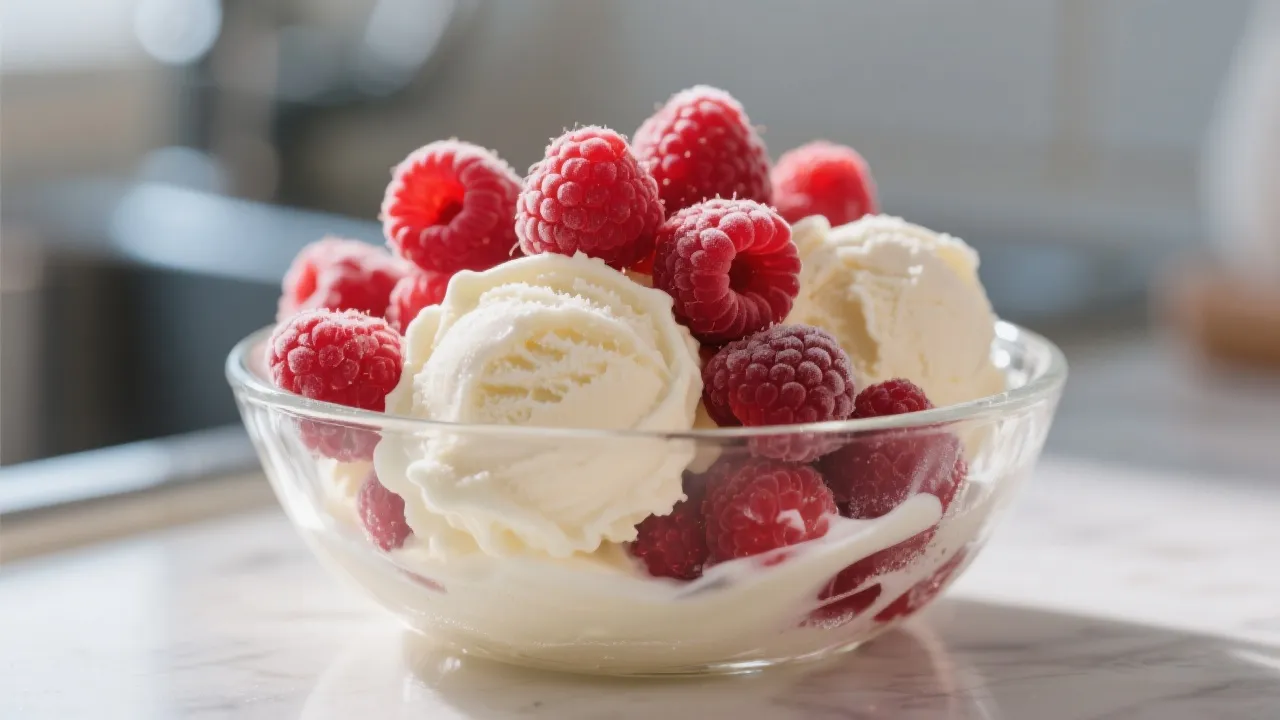
EU food manufacturers across sectors benefit from properly sourced frozen blackcurrants. For juice producers, consistent Brix levels (16-19°) ensure batch-to-batch uniformity, reducing production adjustments and waste. Jam manufacturers value the 95%+ whole fruit integrity, which maintains visual appeal in finished products. In the frozen dessert sector, the low moisture content (≤82%) prevents ice crystal formation, delivering a smoother texture in sorbets and yogurts.
A major German juice manufacturer reduced production costs by 12% after switching to IQF blackcurrants with guaranteed 17-19° Brix. The consistent quality eliminated the need for sugar adjustments and reduced processing time by 15 minutes per batch. Microbiological testing showed zero pathogen presence over 12 consecutive shipments, meeting the strict standards of German food safety regulations.
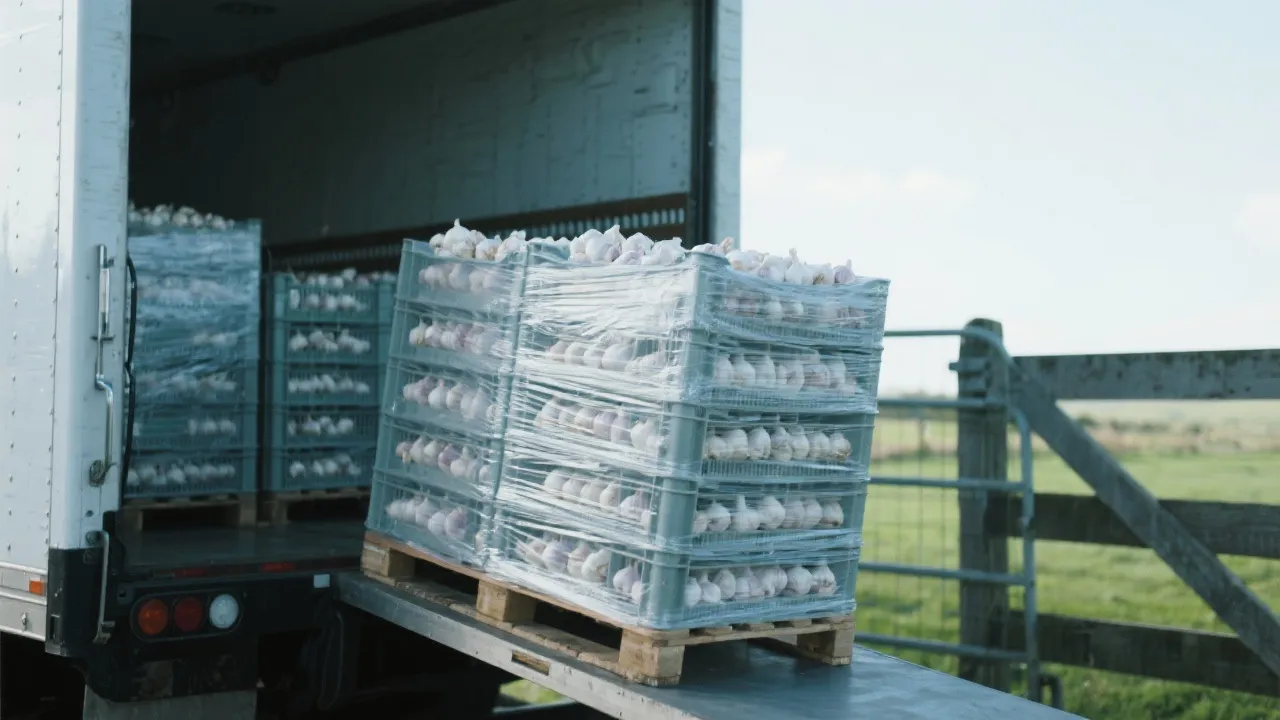
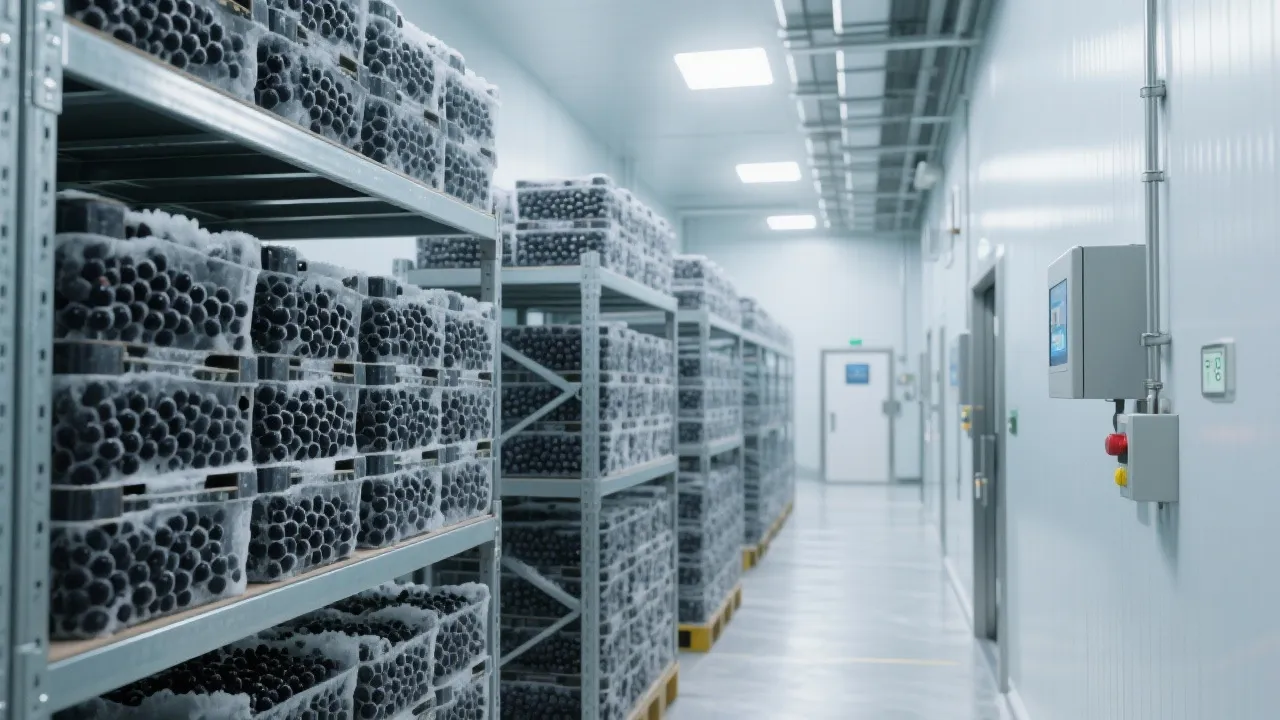
Maintaining EU compliance requires more than just initial product quality—it demands end-to-end supply chain visibility. Reputable suppliers implement comprehensive traceability systems that document every stage, from farm to fork. This includes:
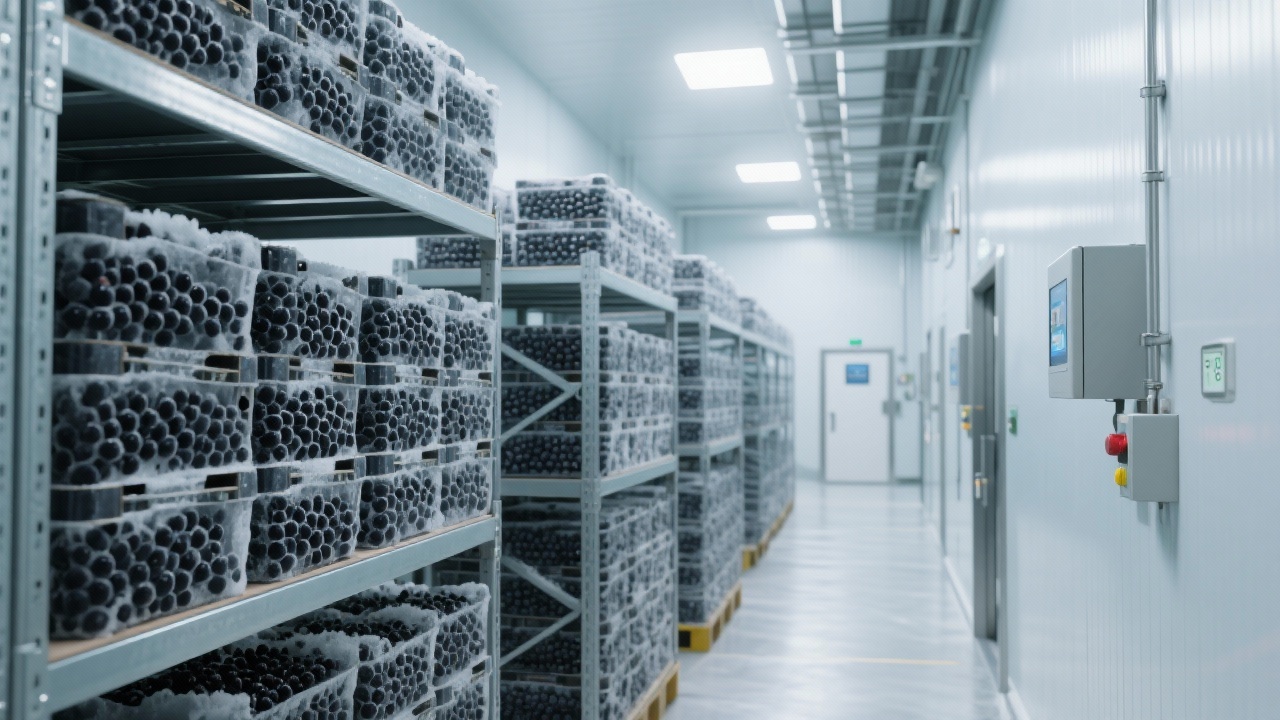
Partner with a supplier that understands European regulations and delivers consistent quality. Our EU-ready blackcurrant frozen fruits come with full HACCP certification, comprehensive testing, and reliable traceability—backed by a 100% compliance guarantee.
Request Your Sample Batch TodayPerfect for juice manufacturers, confectioners, and frozen dessert producers seeking reliable European-compliant ingredients.
Selecting the right blackcurrant supplier is about more than just price—it's about mitigating risk, ensuring consistency, and building a partnership that understands your specific market needs. With the right approach to sourcing, processing, and documentation, frozen blackcurrants can be a profitable and compliant addition to your European product lineup.

 411
|
411
|
 rapid freezing technology
frozen blackberry preservation
food safety certification
HACCP certification
ISO 22000 food safety management
79
|
Small-Batch Trial Orders
OEM Private Label Customization
Frozen Fruit Packaging Solutions
Flexible Procurement in Food Supply Chain
Frozen Blackcurrant Packaging Requirements
151
|
red raspberry raw material selection
natural berry active ingredient retention
premium nutraceutical drink ingredients
freeze drying vs hot air drying
ISO 22000 raw materials
396
|
Freeze-dried raspberry powder
Anthocyanin protection
Bioavailability enhancement
Functional food addition
Low-temperature freeze-drying process
30
|
blackcurrant processing techniques
juice and jam formulation adjustment
food color stability
frozen blackcurrant fruits
fruit and vegetable processing technology
rapid freezing technology
frozen blackberry preservation
food safety certification
HACCP certification
ISO 22000 food safety management
79
|
Small-Batch Trial Orders
OEM Private Label Customization
Frozen Fruit Packaging Solutions
Flexible Procurement in Food Supply Chain
Frozen Blackcurrant Packaging Requirements
151
|
red raspberry raw material selection
natural berry active ingredient retention
premium nutraceutical drink ingredients
freeze drying vs hot air drying
ISO 22000 raw materials
396
|
Freeze-dried raspberry powder
Anthocyanin protection
Bioavailability enhancement
Functional food addition
Low-temperature freeze-drying process
30
|
blackcurrant processing techniques
juice and jam formulation adjustment
food color stability
frozen blackcurrant fruits
fruit and vegetable processing technology


.png?x-oss-process=image/resize,h_100,m_lfit/format,webp)
.png?x-oss-process=image/resize,h_100,m_lfit/format,webp)
.png?x-oss-process=image/resize,h_100,m_lfit/format,webp)
 English