
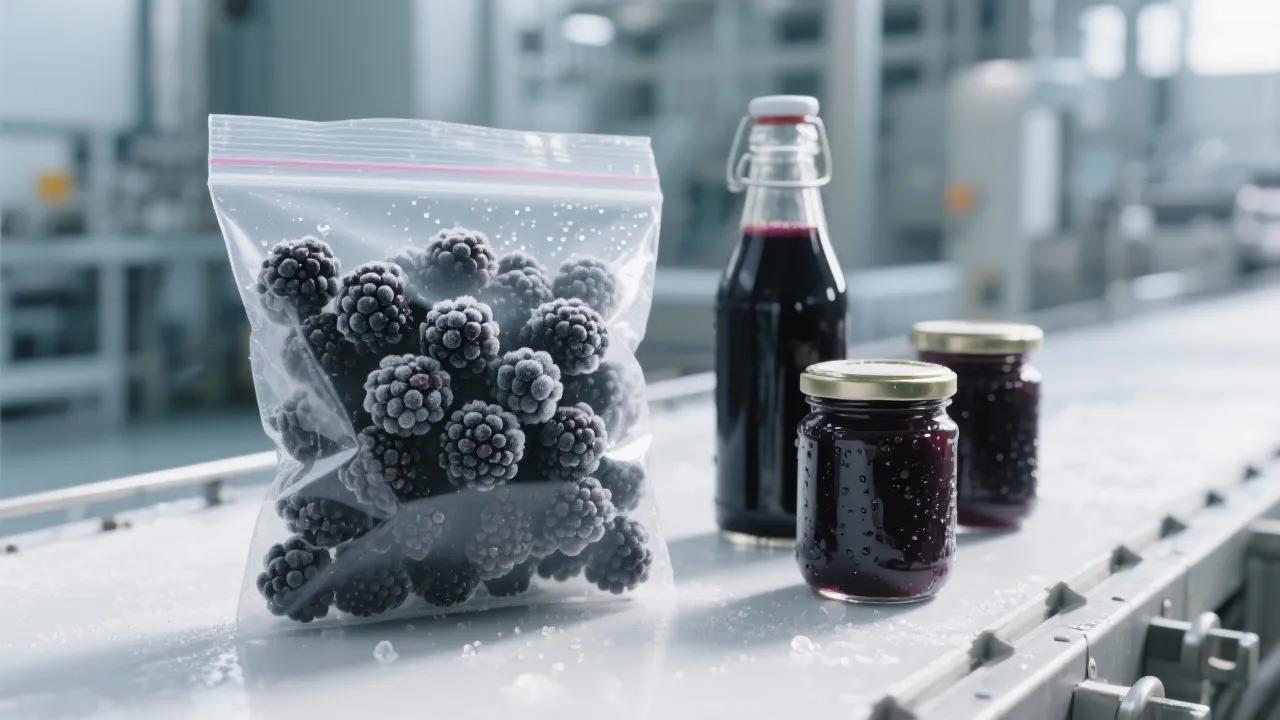
As a food processing executive, you understand that breaking into the €32 billion EU frozen fruit market requires more than just high-quality products. The difference between profitable entry and costly rejections often comes down to one critical factor: packaging compliance. With EU Regulation 2023/2024 now fully enforced, even minor labeling errors can result in shipment detentions, product seizures, or customer returns that erase your profit margins overnight.
Industry Alert:
EU customs statistics show that 12% of food imports are rejected annually due to labeling non-compliance, with frozen fruits representing one of the highest-risk categories. The average cost of rectifying non-compliant shipments exceeds €8,500 per container, not including lost sales opportunities.
Many exporters mistakenly believe basic product identification suffices, but EU regulations require a comprehensive data set. Your frozen blackcurrant packaging must include:
Missing even one element can trigger immediate customs hold. A 2022 case involving a Chinese frozen fruit exporter resulted in a 45-day detention when "storage temperature" was listed as "-18°C" without the critical "or below" specification.
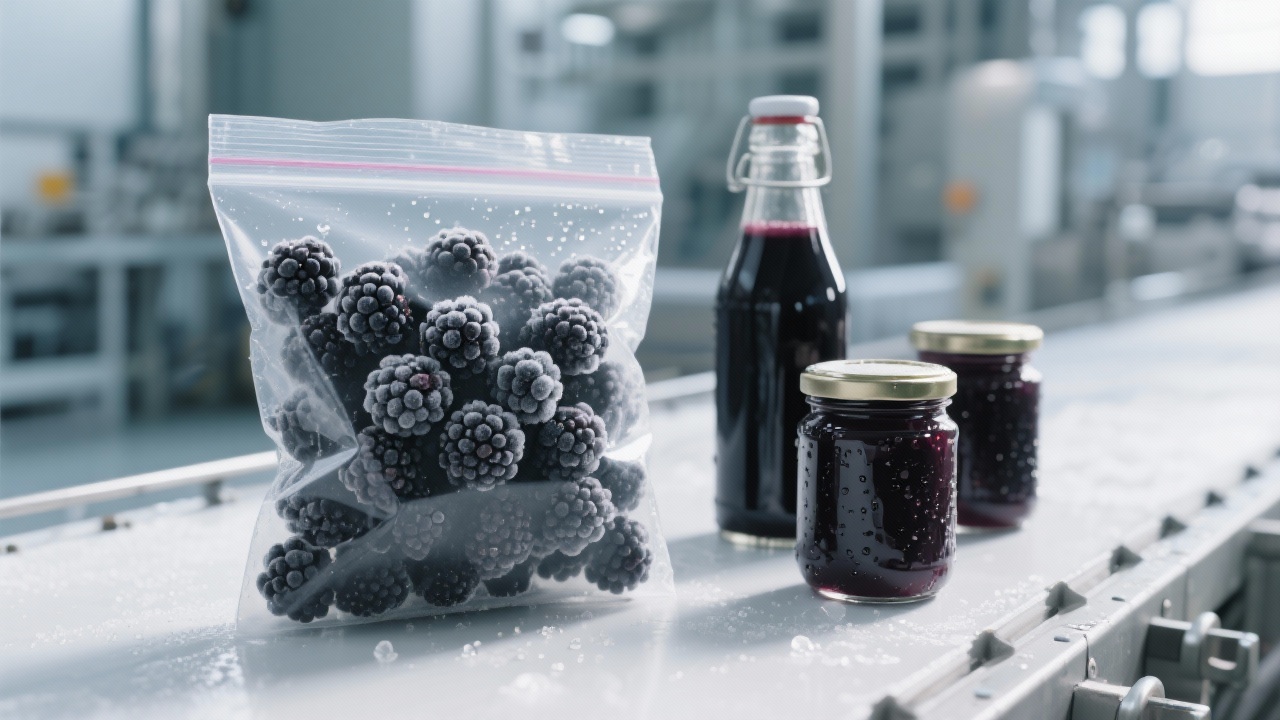
EU Regulation 1169/2011 mandates explicit allergen labeling in a specific format. For frozen blackcurrants, even trace elements require declaration. Common oversights include:
Correct format: "Contains: sulfites. May contain traces of nuts and gluten due to production environment."
Your packaging must clearly indicate the entire cold chain requirements. The EU's cold chain compliance standard (EN 12830) specifies that frozen fruit packaging must display the "frost flake" symbol alongside temperature requirements. A recent survey of EU importers found that 34% would reject shipments lacking proper cold chain indicators, even if product quality remains intact.
Labels must include all mandatory information in at least one official EU language. For maximum market reach, multi-lingual labeling (English + local language) is recommended. Font size must be minimum 3mm for outer packaging and 2mm for inner packs. Illegible text due to smudging or insufficient contrast represents 22% of all labeling-related rejections.
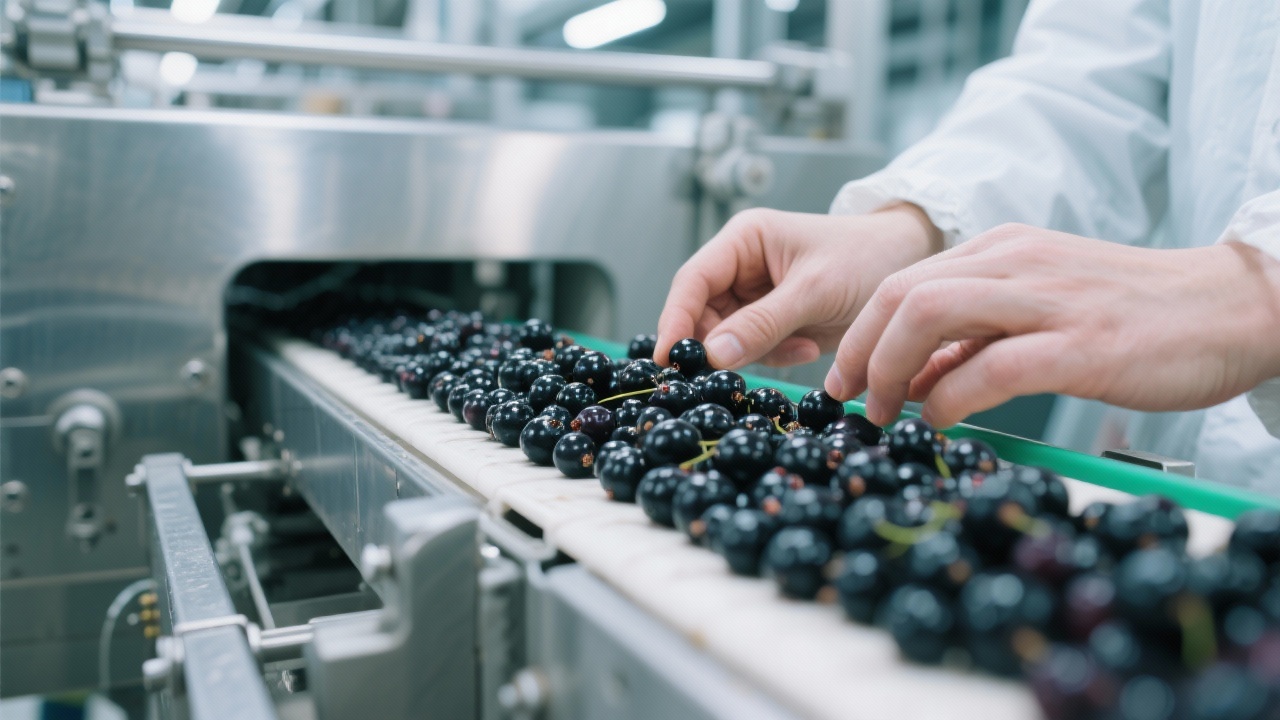
EU Regulation 2023/2024 introduced stricter batch identification requirements. Your coding must include:
Batch codes must be machine-readable and resistant to cold storage conditions. Thermal transfer printing is recommended over direct inkjet for frozen environments.
EU packaging regulations (94/62/EC) require clear recycling information and material composition. Biodegradable claims require specific certification, and plastic components must comply with REACH substance restrictions. An estimated 18% of frozen fruit imports face scrutiny over packaging material compliance, particularly regarding microplastic risks.
While HACCP certification is mandatory, many exporters fail to reflect this critical quality assurance in their packaging. Your labels should reference your HACCP certification number and include a statement that production follows EU HACCP principles. Without this explicit connection, even certified products may face unnecessary documentation requests and delays.
A Chinese frozen fruit exporter faced a €45,000 loss when 3 containers of blackcurrants were rejected at Rotterdam port. The issues? Missing allergen declaration, incorrect temperature labeling, and non-compliant batch coding. Working with亿商桥, they implemented:
The整改 process took 12 days, and subsequent shipments have cleared customs with zero delays, increasing their EU customer base by 35% within 6 months.
Achieving EU labeling compliance requires a systematic approach:
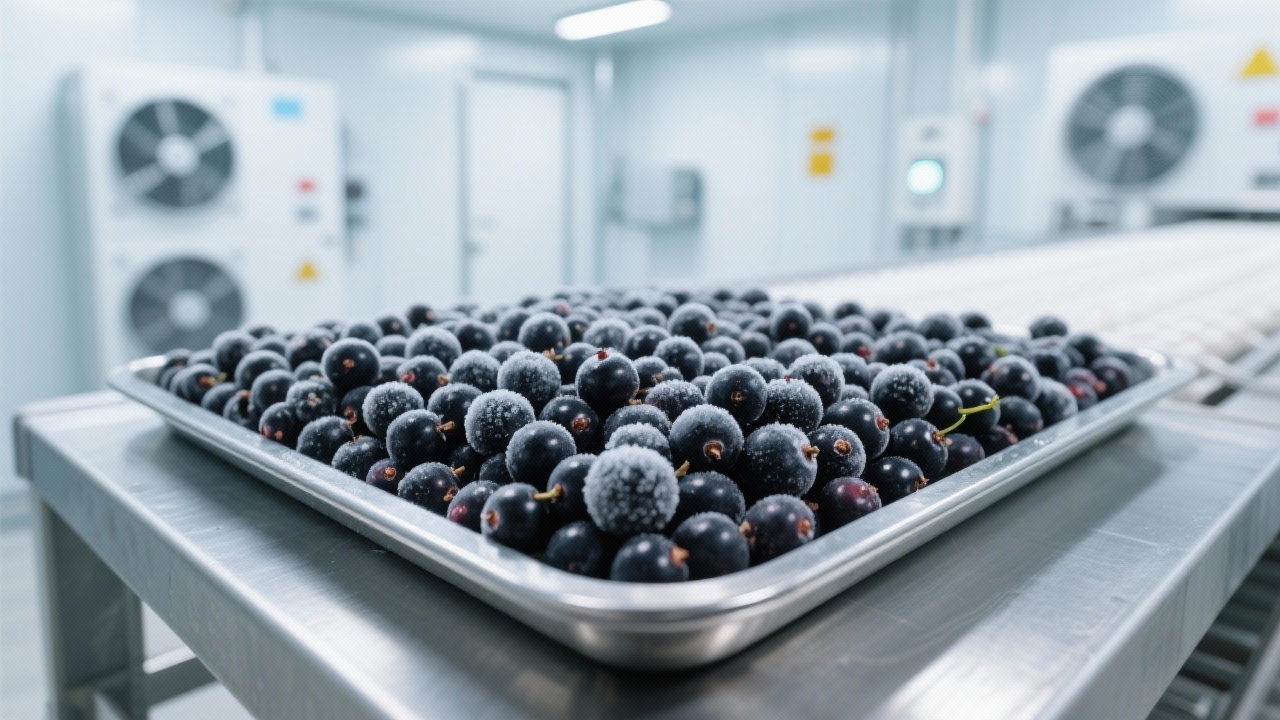
Ensure your frozen blackcurrant exports meet all EU labeling requirements before shipping. Our team of compliance experts has helped over 120 food processors successfully enter the EU market.
Download Your Free EU Labeling Compliance ChecklistGet instant access to our comprehensive guide with template examples and verification checklist
Remember, in the competitive EU frozen fruit market, compliance isn't just about avoiding penalties—it's about building trust with importers who prioritize reliability and regulatory adherence. By addressing these seven critical areas, you position your products for success in one of the world's most demanding markets.

 286
|
286
|
 Halal Kosher Certification
Frozen Fruit Export
International Food Compliance
Frozen Berry Market Access
Yishangqiao
218
|
anthocyanin activity preservation
cold chain technology
functional food ingredient development
frozen red raspberry
low-temperature preservation technology
424
|
flash freezing technology
blackberry nutrition preservation
liquid nitrogen freezing
frozen fruit processing
anthocyanin protection
119
|
frozen blackberries
functional foods
health food trends
antioxidant-rich foods
U.S. and Europe market
327
|
premium nutritional drinks
natural berry ingredients
red raspberry active components
food safety standards
berry processing technology
Halal Kosher Certification
Frozen Fruit Export
International Food Compliance
Frozen Berry Market Access
Yishangqiao
218
|
anthocyanin activity preservation
cold chain technology
functional food ingredient development
frozen red raspberry
low-temperature preservation technology
424
|
flash freezing technology
blackberry nutrition preservation
liquid nitrogen freezing
frozen fruit processing
anthocyanin protection
119
|
frozen blackberries
functional foods
health food trends
antioxidant-rich foods
U.S. and Europe market
327
|
premium nutritional drinks
natural berry ingredients
red raspberry active components
food safety standards
berry processing technology



.png?x-oss-process=image/resize,h_100,m_lfit/format,webp)
.png?x-oss-process=image/resize,h_100,m_lfit/format,webp)
.png?x-oss-process=image/resize,h_100,m_lfit/format,webp)
 English


