
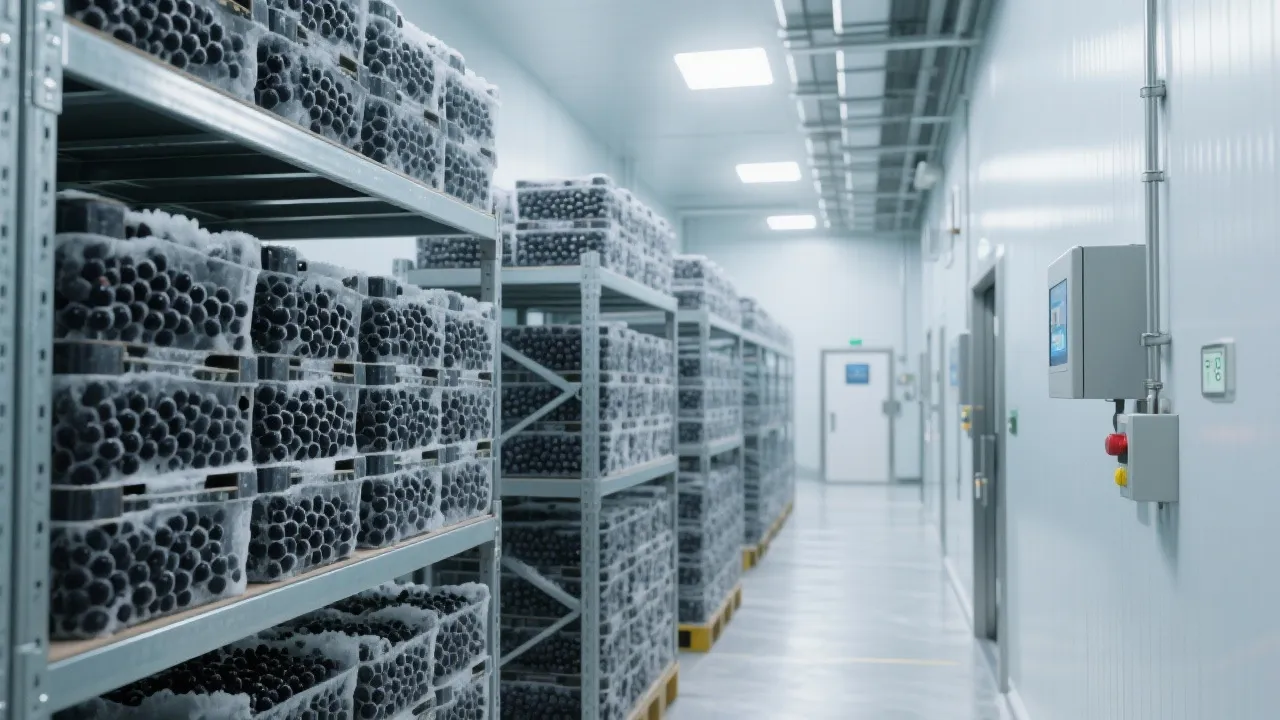
In today's competitive European food market, the demand for high-quality frozen blackcurrants continues to rise, driven by their exceptional nutritional profile and versatile applications in the beverage, confectionery, and dairy industries. However, navigating the complex regulatory landscape of EU food safety standards presents significant challenges for importers and processors alike. This comprehensive guide demystifies the critical compliance requirements and quality factors that determine market access and product success in Europe.
The European Union maintains one of the world's most stringent food safety regulatory systems, with specific standards governing imported frozen fruits. Compliance with these regulations is not merely a legal requirement but a fundamental business necessity for market entry.
Regulation (EC) No 178/2002 establishes the general principles of food safety in the EU, while Commission Regulation (EC) No 852/2004 outlines specific hygiene requirements for food businesses. For frozen blackcurrants, additional standards apply regarding:
Non-compliance can result in border rejections, product recalls, or even market bans. According to the European Food Safety Authority (EFSA), over 12% of fruit and vegetable imports were rejected in 2022 due to non-compliance with EU standards, representing a significant financial risk for importers.
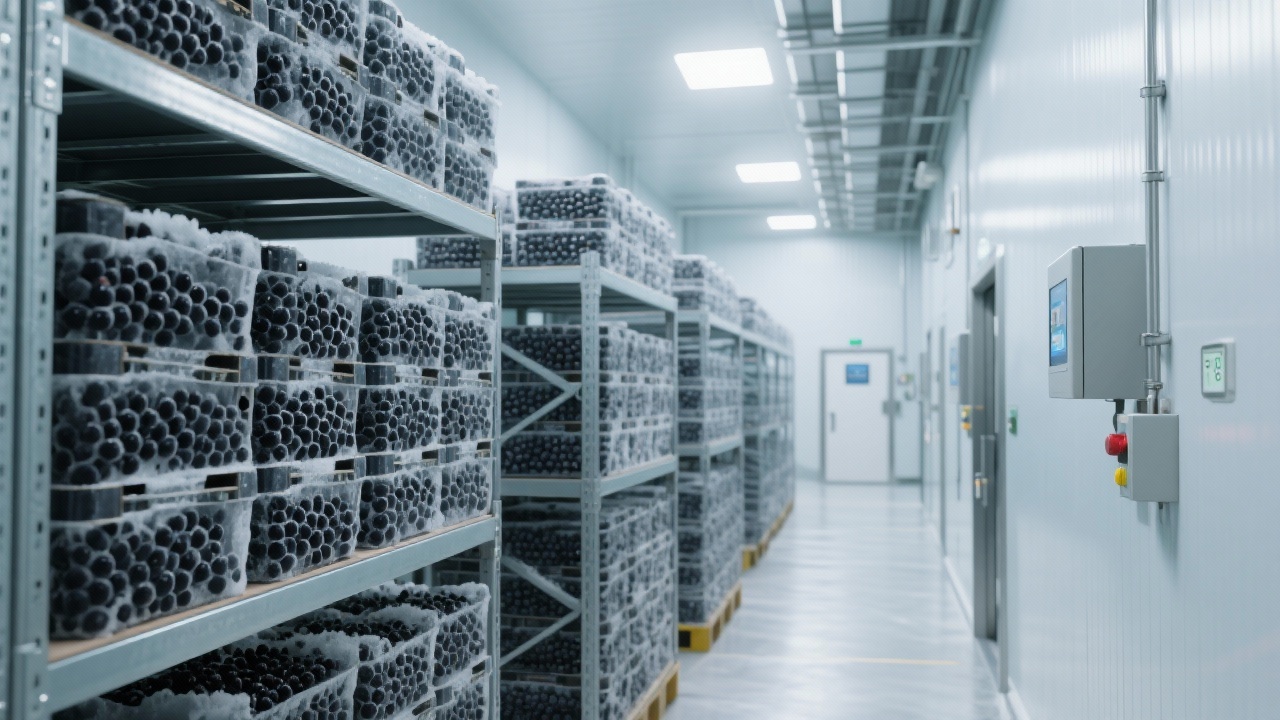
Hazard Analysis and Critical Control Points (HACCP) certification has become the global benchmark for food safety management systems. For EU importers, working with HACCP-certified suppliers is not optional but a mandatory requirement for ensuring product safety throughout the supply chain.
An effective HACCP system for frozen blackcurrant production includes seven key principles:
Studies show that HACCP implementation reduces food safety incidents by up to 40% in fruit processing operations, significantly lowering the risk of product recalls and associated financial losses.
Beyond regulatory compliance, product quality is determined by several key factors that influence both processing efficiency and end-product characteristics.
Blackcurrant quality begins in the orchard. The finest varieties thrive in temperate climates with well-drained soil and sufficient sunlight. Leading producing regions demonstrate specific climatic advantages:
| Region | Climatic Advantage | Key Cultivar | Anthocyanin Content (mg/100g) |
|---|---|---|---|
| Northern Europe | Long daylight hours | Ben Lomond | 150-180 |
| Eastern Europe | Controlled temperature variations | Titania | 170-200 |
| Pacific Northwest | Optimal rainfall patterns | Blackcomb | 160-190 |
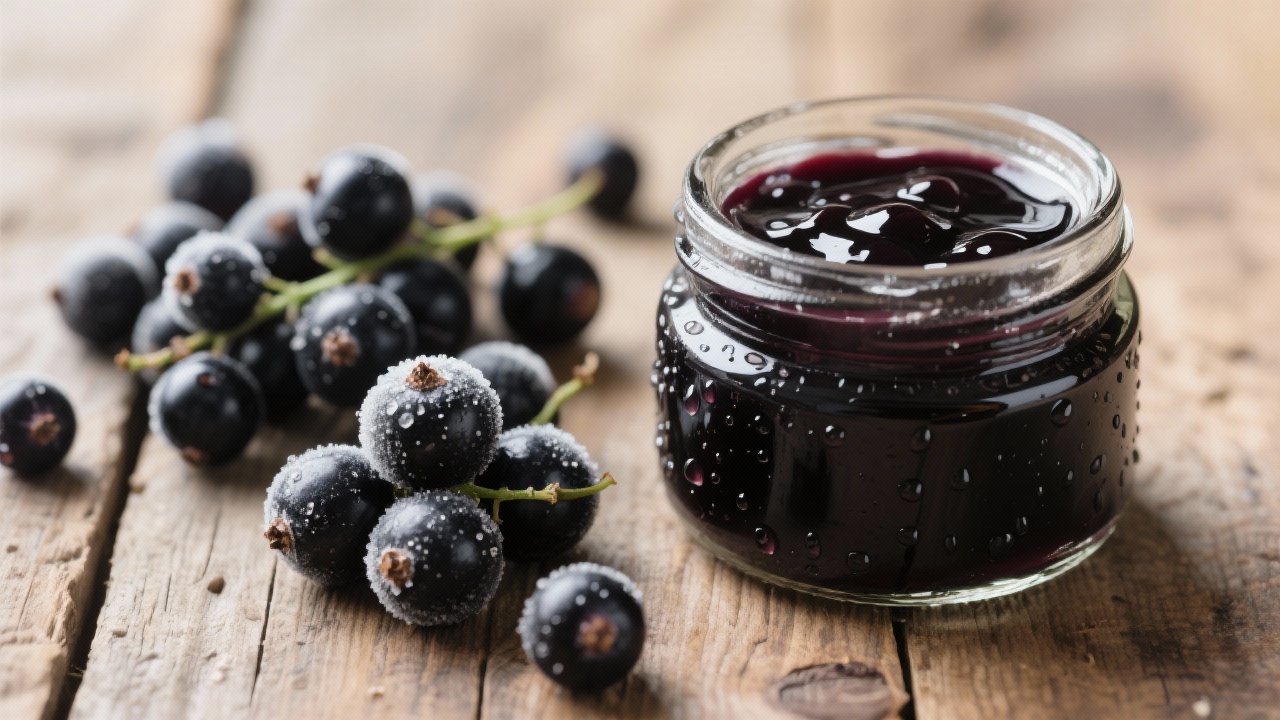
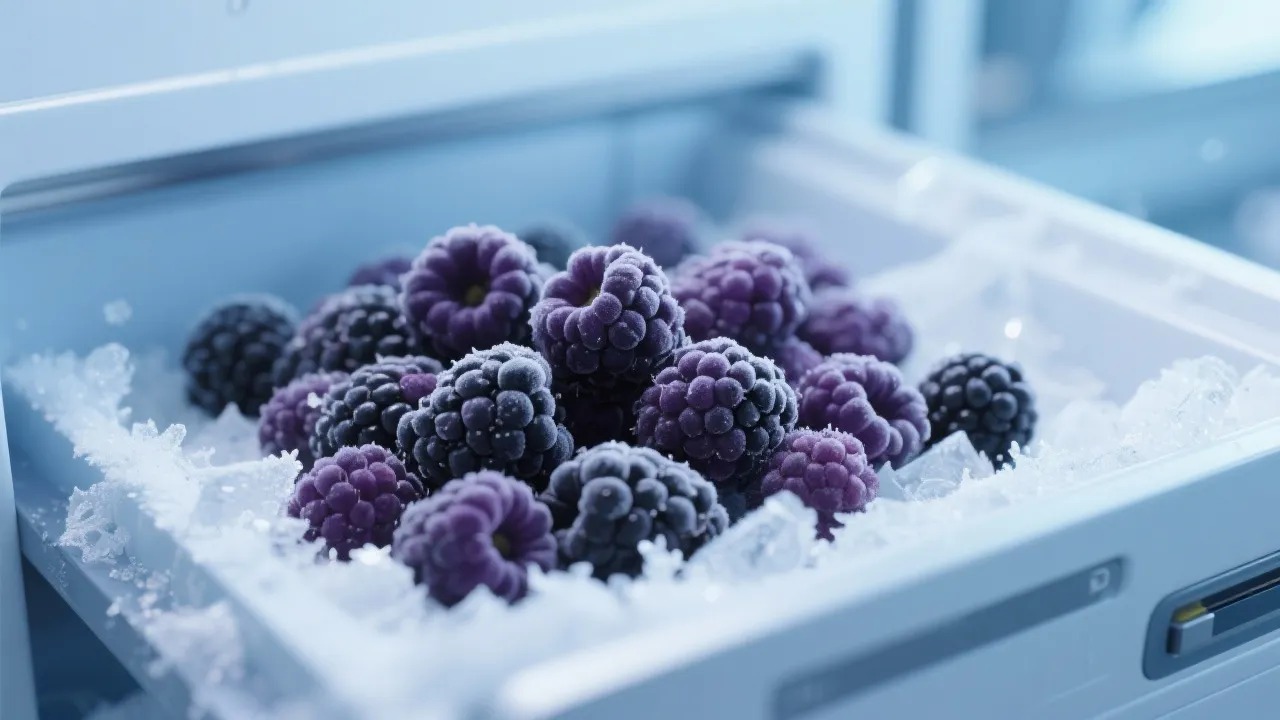
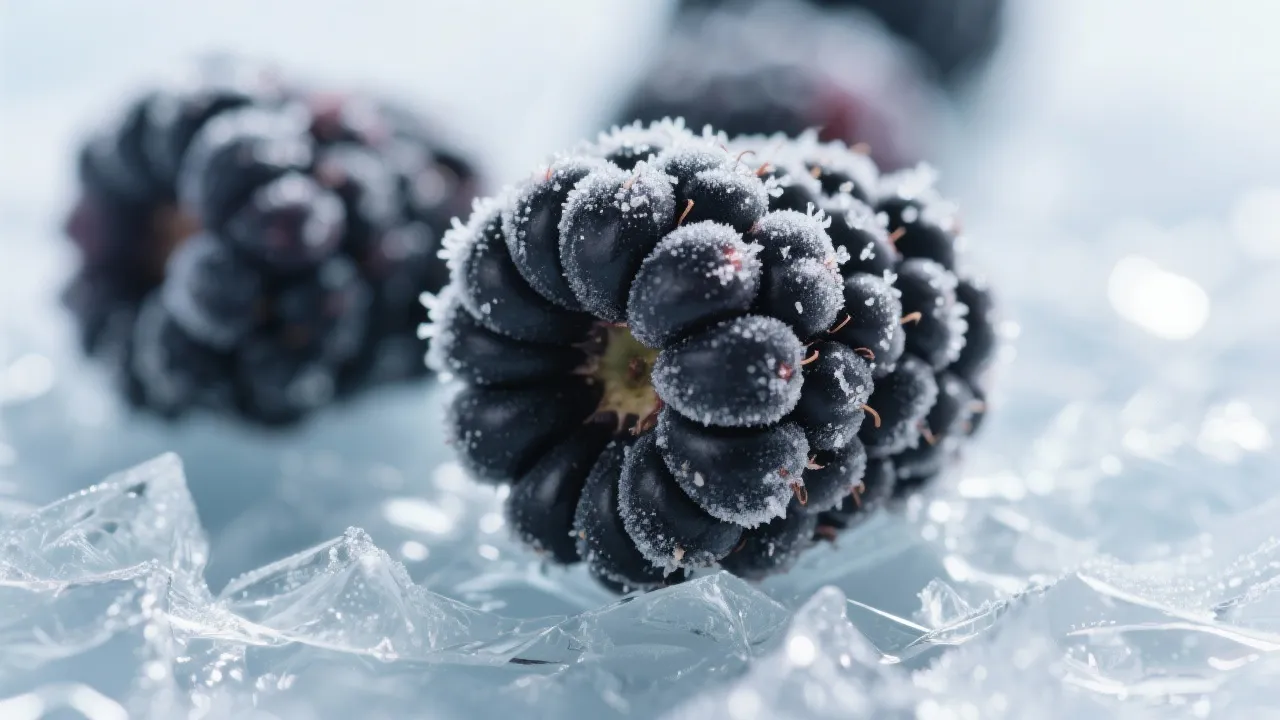
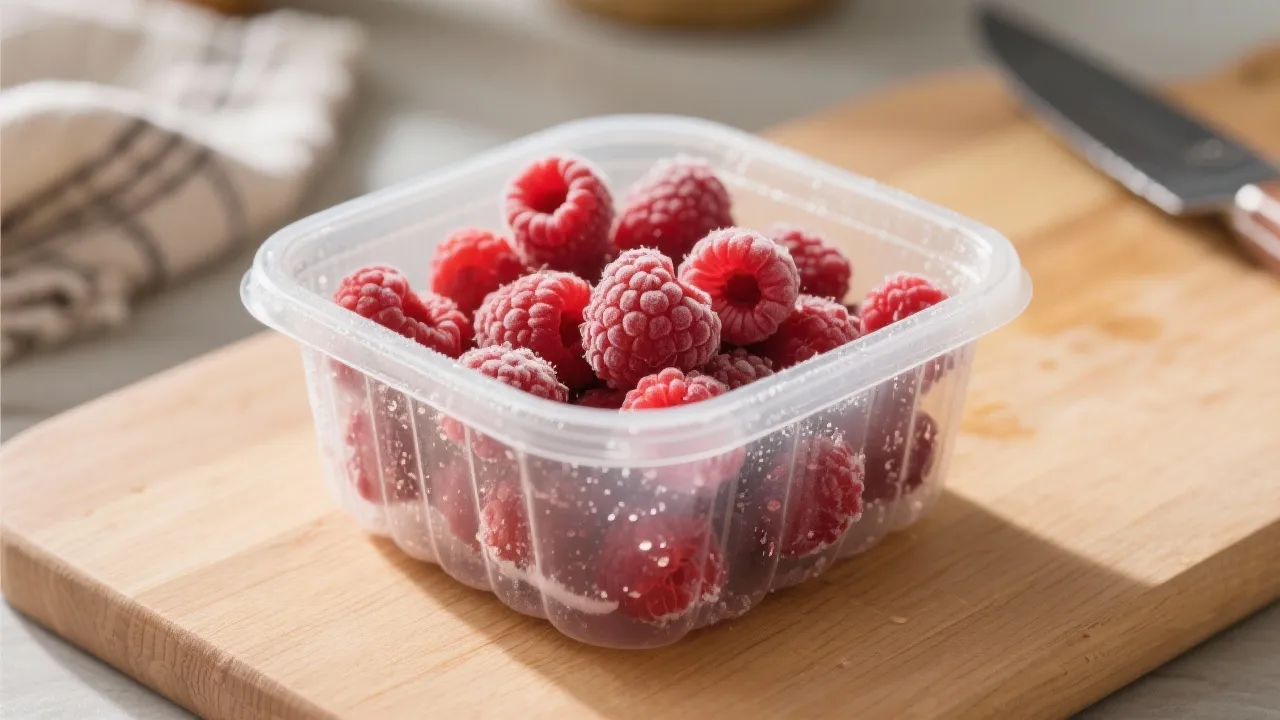
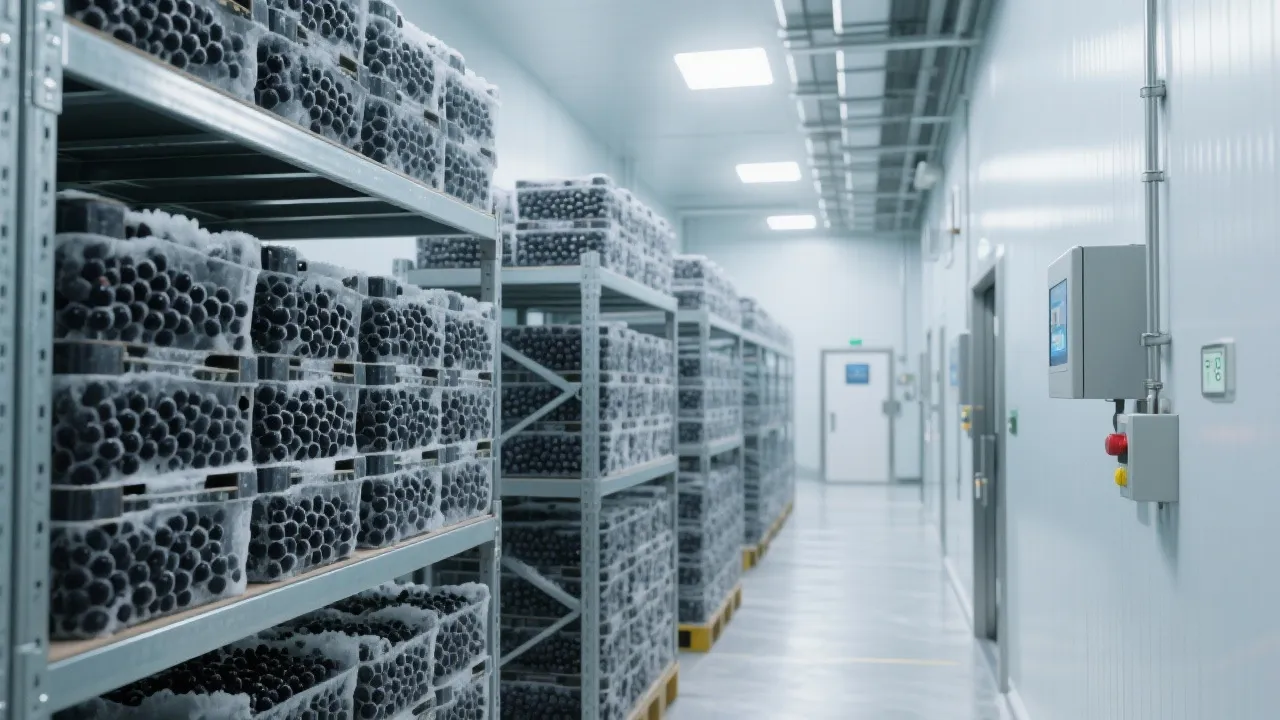
The freezing process critically impacts product quality. Modern IQF (Individual Quick Freezing) technology preserves blackcurrant integrity by rapidly reducing temperature to -18°C within 30 minutes, minimizing ice crystal formation and cellular damage. This process retains:
Compared to traditional freezing methods, IQF technology reduces drip loss by approximately 40%, significantly improving yield for processors in the juice, jam, and frozen dessert sectors.
Different processing applications demand specific quality attributes from frozen blackcurrants. Understanding these requirements ensures optimal end-product quality and processing efficiency.
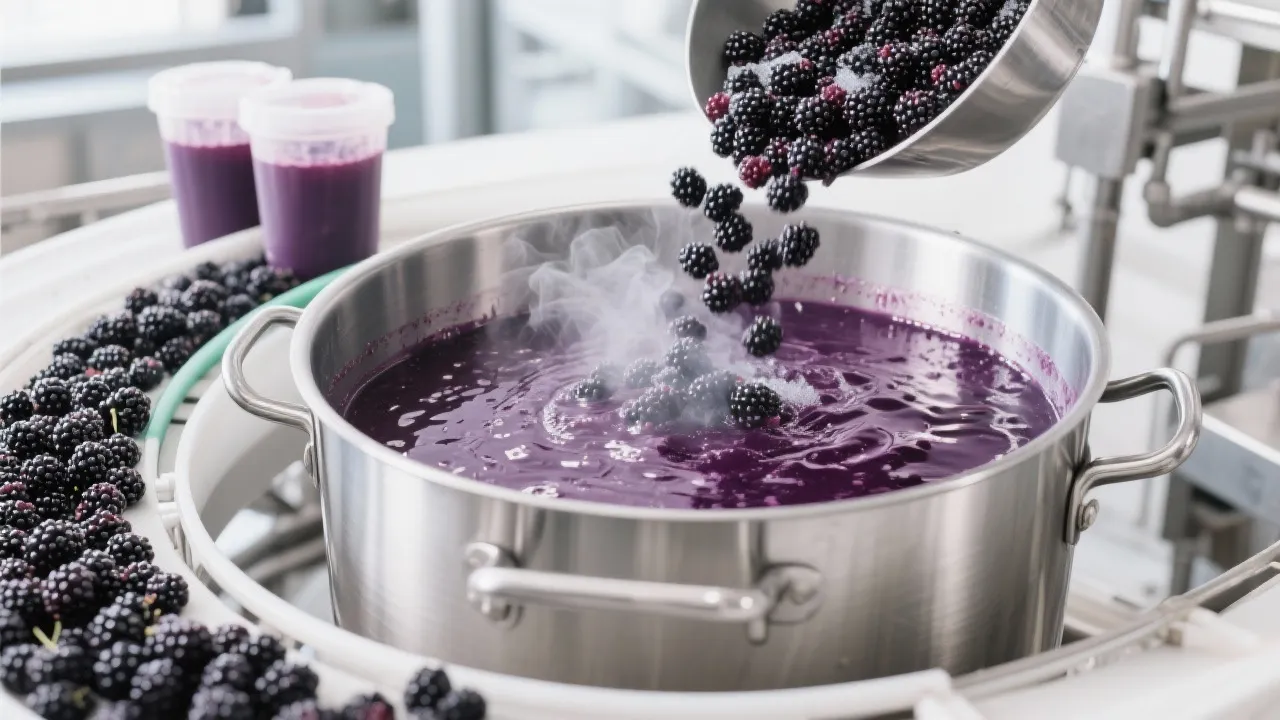
For juice production, key quality parameters include:
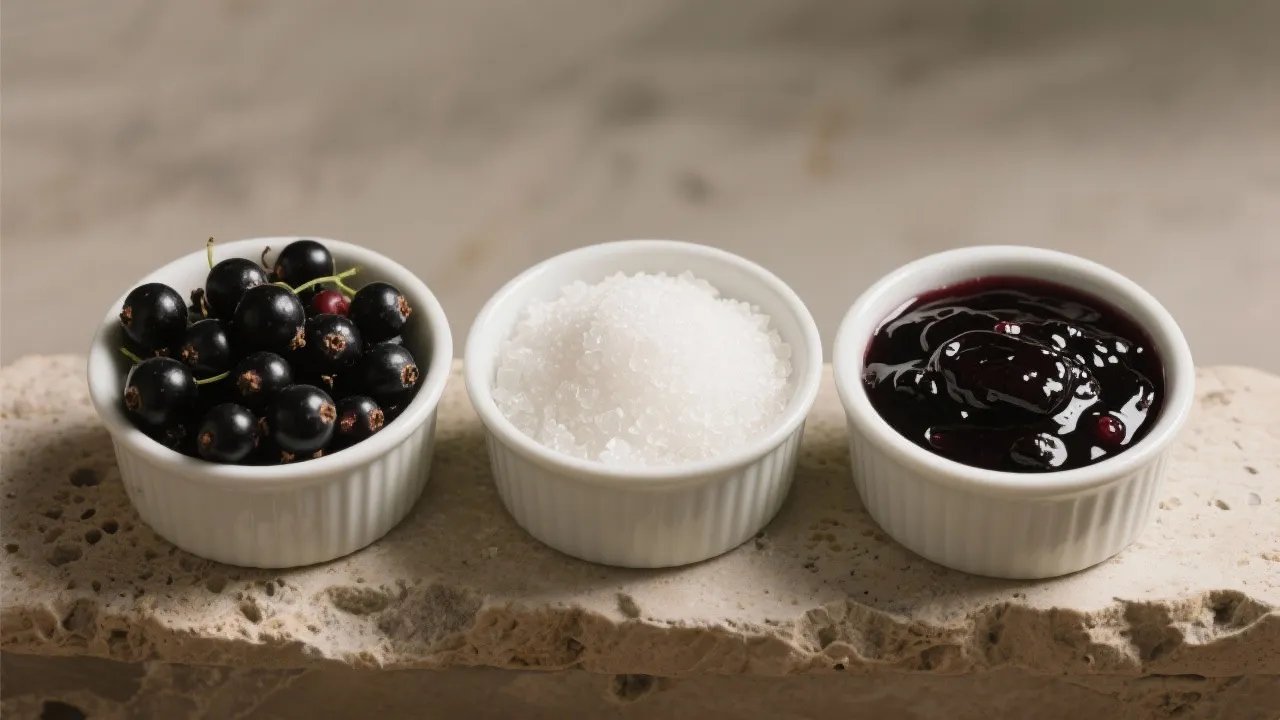
Jam production requires:
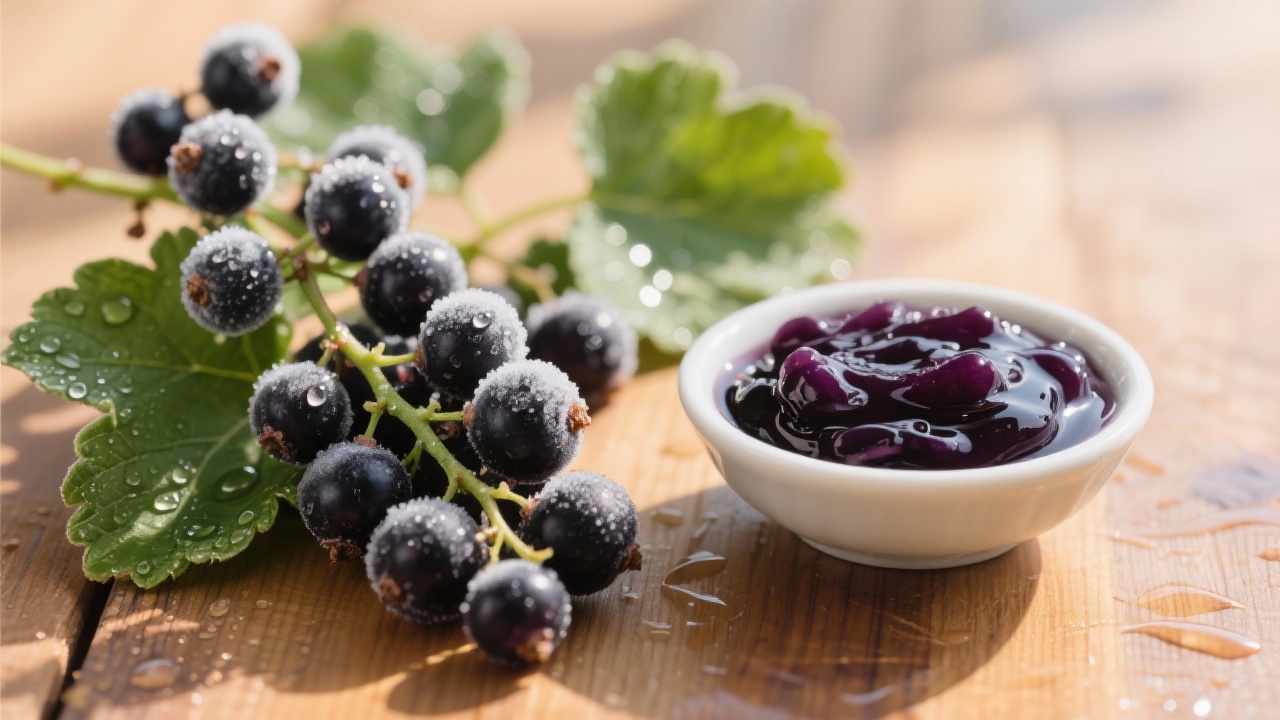
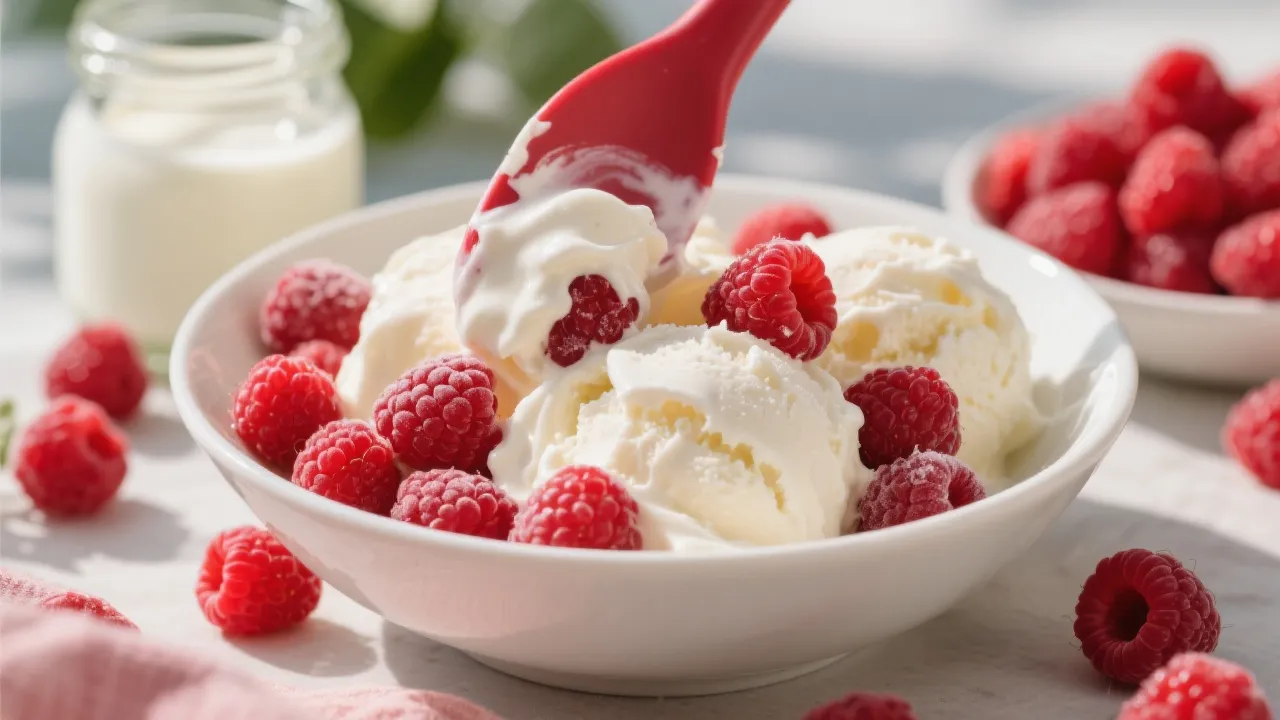
For premium ice creams and confections, processors prioritize:
Ensuring consistent quality requires robust supply chain management. Key risk mitigation strategies include:
These measures reduce supply chain disruptions by up to 65% and ensure consistent product quality even during variable growing seasons.
Navigate the complex EU regulatory landscape with confidence by partnering with a supplier that combines HACCP certification, advanced freezing technology, and rigorous quality control. Ensure your processed products meet the highest standards for safety, flavor, and nutritional value.
Request Your EU-Compliant Blackcurrant Sample TodayAs European consumers increasingly demand natural, nutritious ingredients, the market for high-quality frozen blackcurrants continues to expand. By prioritizing regulatory compliance, implementing stringent quality control measures, and selecting the right supply partners, food processors can capitalize on this growing opportunity while ensuring product safety and consumer satisfaction.

 68
|
68
|
 Blackcurrant quick - freezing
Liquid nitrogen freezing technology
Quality of frozen fruits
Juice and jam processing
Cold - chain transportation guarantee
239
|
freeze dried raspberry powder supply chain
cold chain logistics for food export
B2B raspberry powder procurement
temperature-controlled shipping
supply chain stability in food exports
362
|
frozen blackberry quality control
manual sorting for whole fruit
organic frozen berries
B2B frozen fruit procurement
high whole berry retention
97
|
organic frozen blackberry smoothie recipe
frozen blackberry nutrition benefits
healthy smoothie搭配 guide
blackberry smoothie flavor enhancement
frozen fruit storage tips
304
|
Whole fruit freeze-dried red raspberry powder
High-end nutritional supplement raw materials
Triple manual screening
Functional food raw materials
Dietary supplement raw materials
Blackcurrant quick - freezing
Liquid nitrogen freezing technology
Quality of frozen fruits
Juice and jam processing
Cold - chain transportation guarantee
239
|
freeze dried raspberry powder supply chain
cold chain logistics for food export
B2B raspberry powder procurement
temperature-controlled shipping
supply chain stability in food exports
362
|
frozen blackberry quality control
manual sorting for whole fruit
organic frozen berries
B2B frozen fruit procurement
high whole berry retention
97
|
organic frozen blackberry smoothie recipe
frozen blackberry nutrition benefits
healthy smoothie搭配 guide
blackberry smoothie flavor enhancement
frozen fruit storage tips
304
|
Whole fruit freeze-dried red raspberry powder
High-end nutritional supplement raw materials
Triple manual screening
Functional food raw materials
Dietary supplement raw materials


.png?x-oss-process=image/resize,h_100,m_lfit/format,webp)
.png?x-oss-process=image/resize,h_100,m_lfit/format,webp)
.png?x-oss-process=image/resize,h_100,m_lfit/format,webp)
 English


