
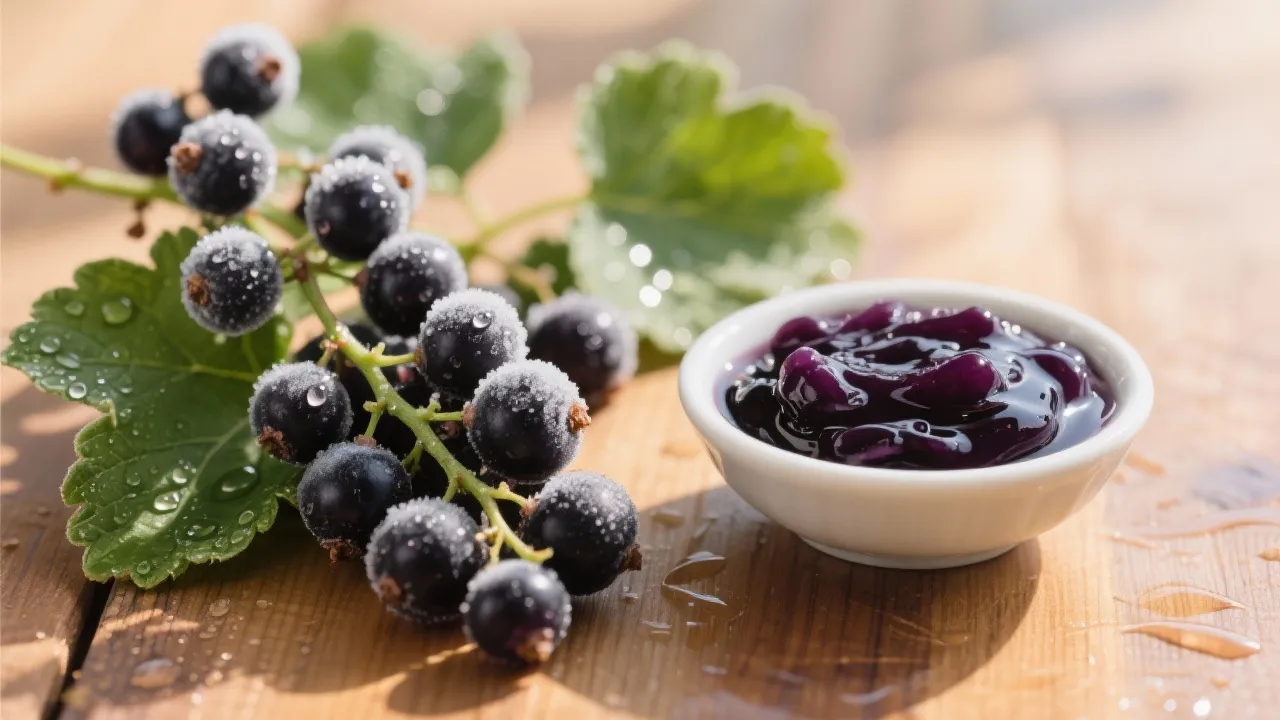
Industry Insight: The European frozen blackcurrant market is projected to grow at a CAGR of 4.2% between 2023-2028, driven by increasing demand for natural food colorants and healthy ingredients in the beverage and confectionery sectors (Source: European Frozen Food Association 2023 Report).
The European Union maintains one of the world's most stringent food safety regulatory systems, with specific standards governing imported frozen fruits. For blackcurrant importers and processors, compliance with these regulations is not merely a legal requirement but a competitive advantage in accessing premium European markets.
The EU's Regulation (EC) No 852/2004 establishes the general food hygiene requirements, while Regulation (EU) No 1308/2013 specifically addresses marketing standards for fruits and vegetables. These regulations mandate comprehensive traceability systems, strict microbiological criteria, and maximum residue limits (MRLs) for pesticides that are often 50-70% lower than global averages.
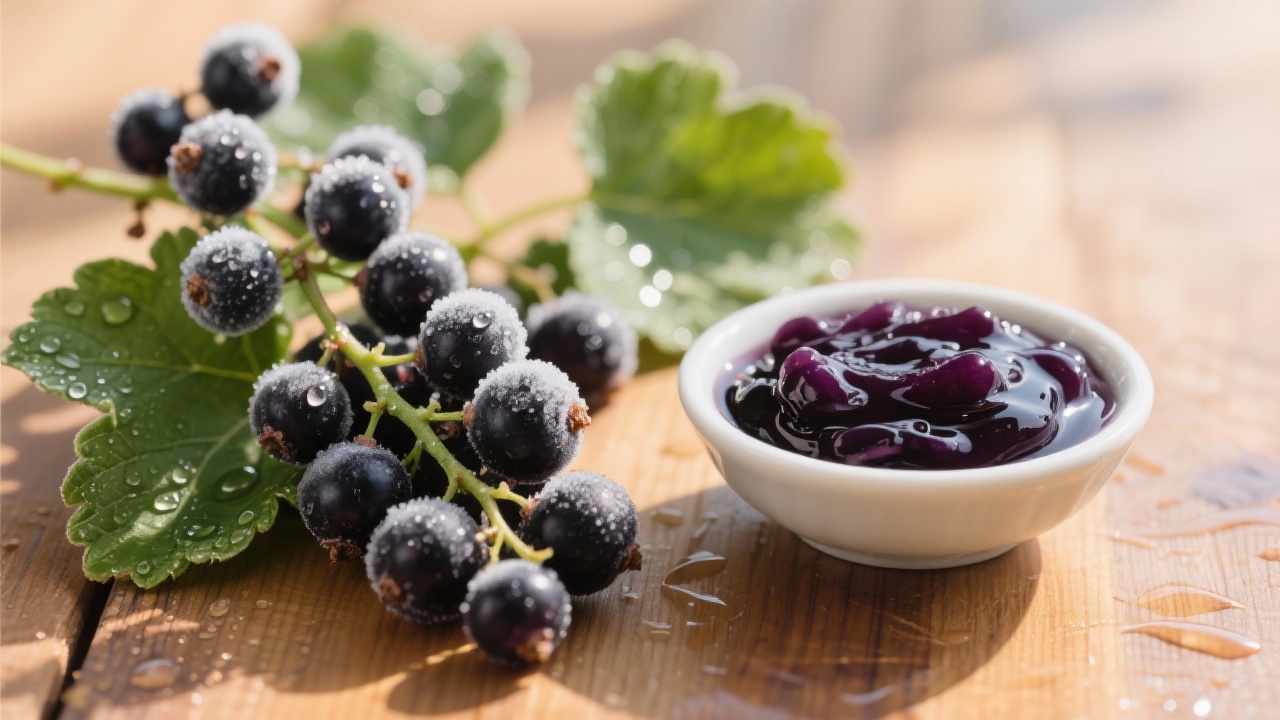
Hazard Analysis and Critical Control Points (HACCP) certification represents the gold standard in food safety management systems, particularly critical for frozen fruit exports to the EU. This proactive approach identifies potential hazards at every stage of production, from cultivation to freezing, ensuring systematic control measures are in place.
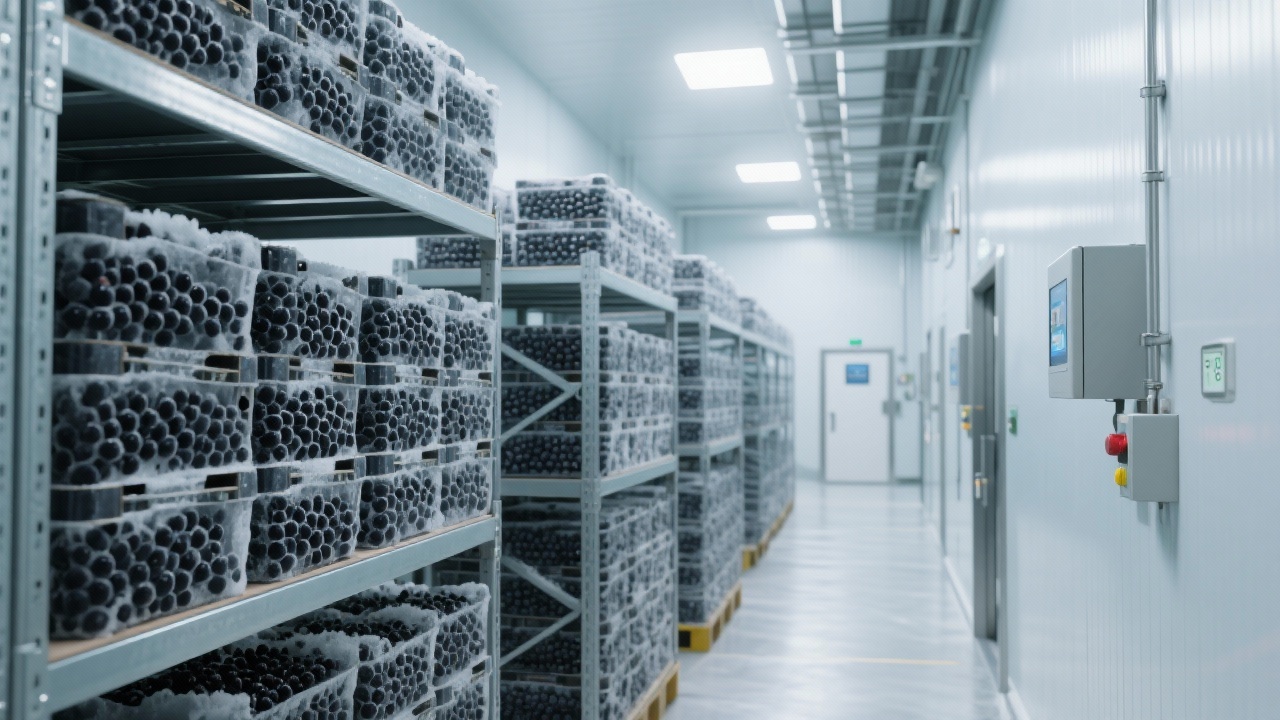
Implementing HACCP involves seven key principles, starting with hazard analysis and culminating in record-keeping and verification procedures. For frozen blackcurrants, critical control points typically include pre-harvest pesticide application, sorting processes, and the freezing stage where rapid temperature reduction to -18°C within 2 hours is essential to preserve nutritional quality and prevent microbial growth.
1. Harvesting Stage: Pesticide residue testing and maturity assessment (sugar content >14°Brix)
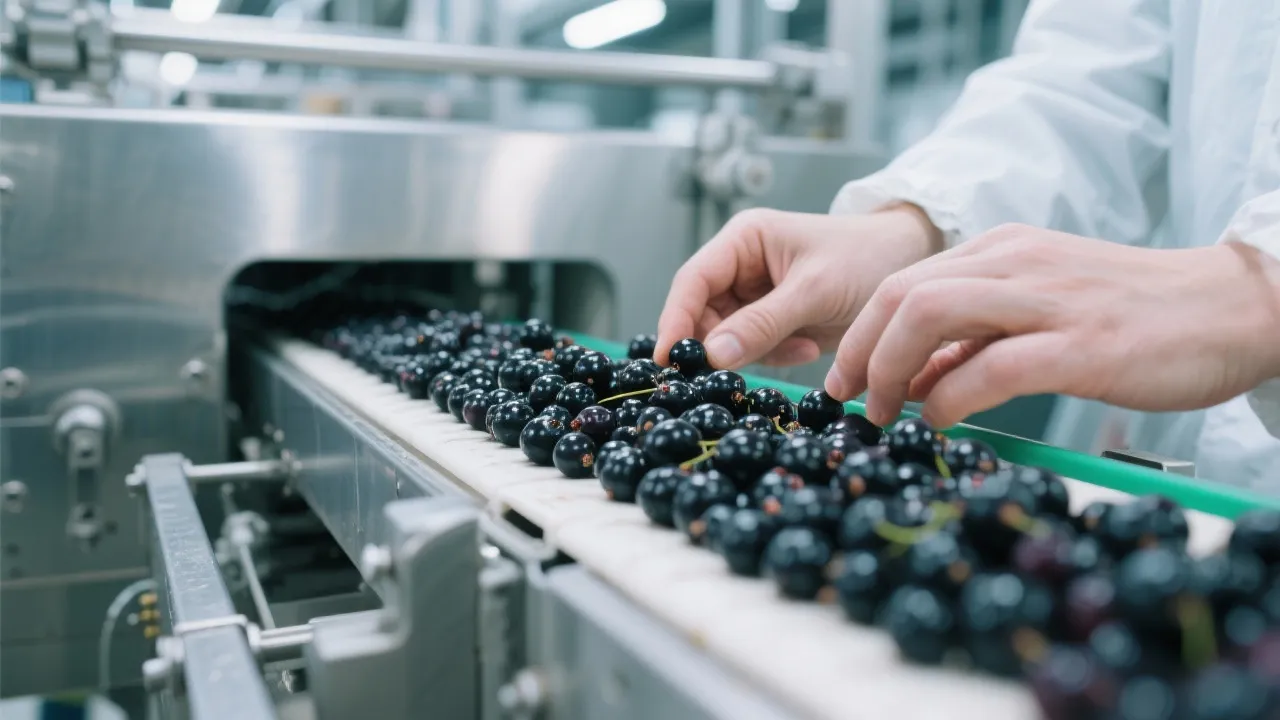
2. Sorting Process: Three-stage manual and optical sorting to remove defective berries and foreign materials
3. Washing & Sanitizing: Chlorine dioxide treatment (50-100 ppm) followed by potable water rinse
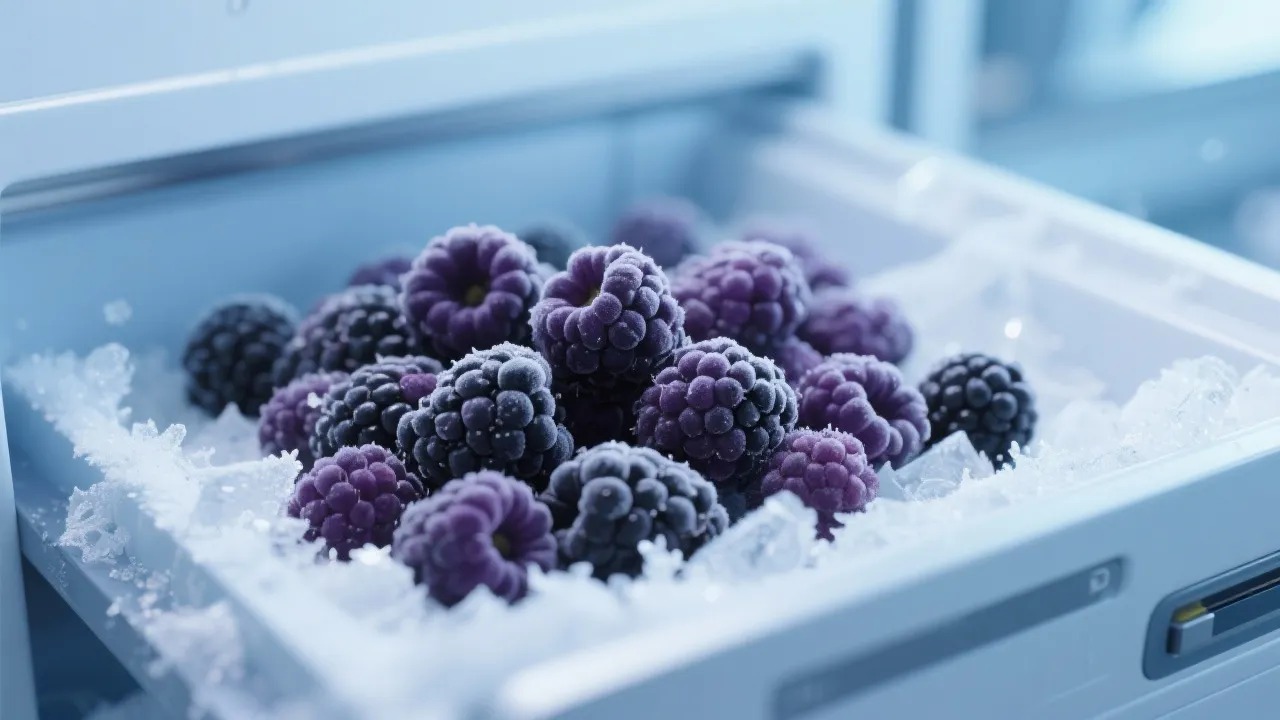
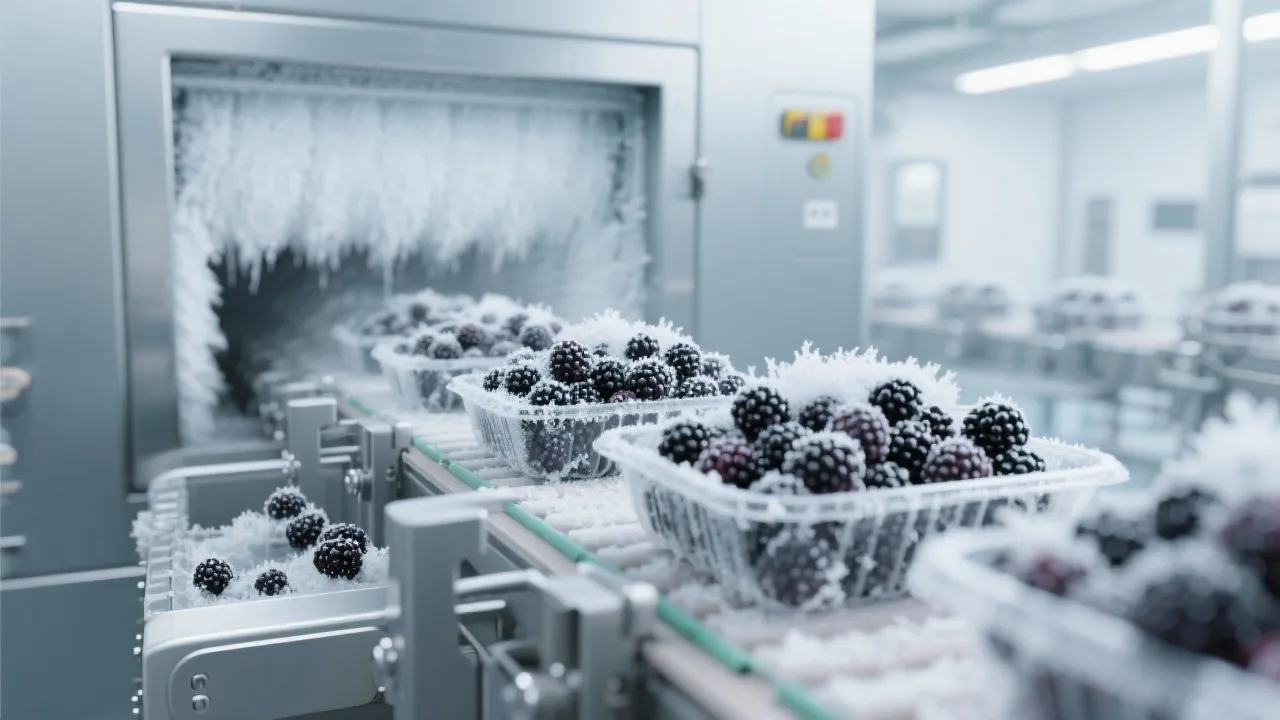
4. Freezing Process: Individual Quick Freezing (IQF) technology with air velocities of 6-8 m/s for optimal crystal formation
5. Packaging & Storage: Moisture-proof packaging with oxygen barrier and storage at -22°C to maintain product integrity for up to 24 months
The foundation of EU-compliant frozen blackcurrants begins with strategic sourcing from optimal growing regions. The best blackcurrant varieties for processing—such as Ben Lomond, Ben Nevis, and Ben Alder—thrive in temperate climates with well-drained soil and specific chilling hours. These varieties offer the ideal balance of anthocyanins (600-800 mg/100g), vitamin C (150-200 mg/100g), and sugar-acid ratio preferred by European processors.
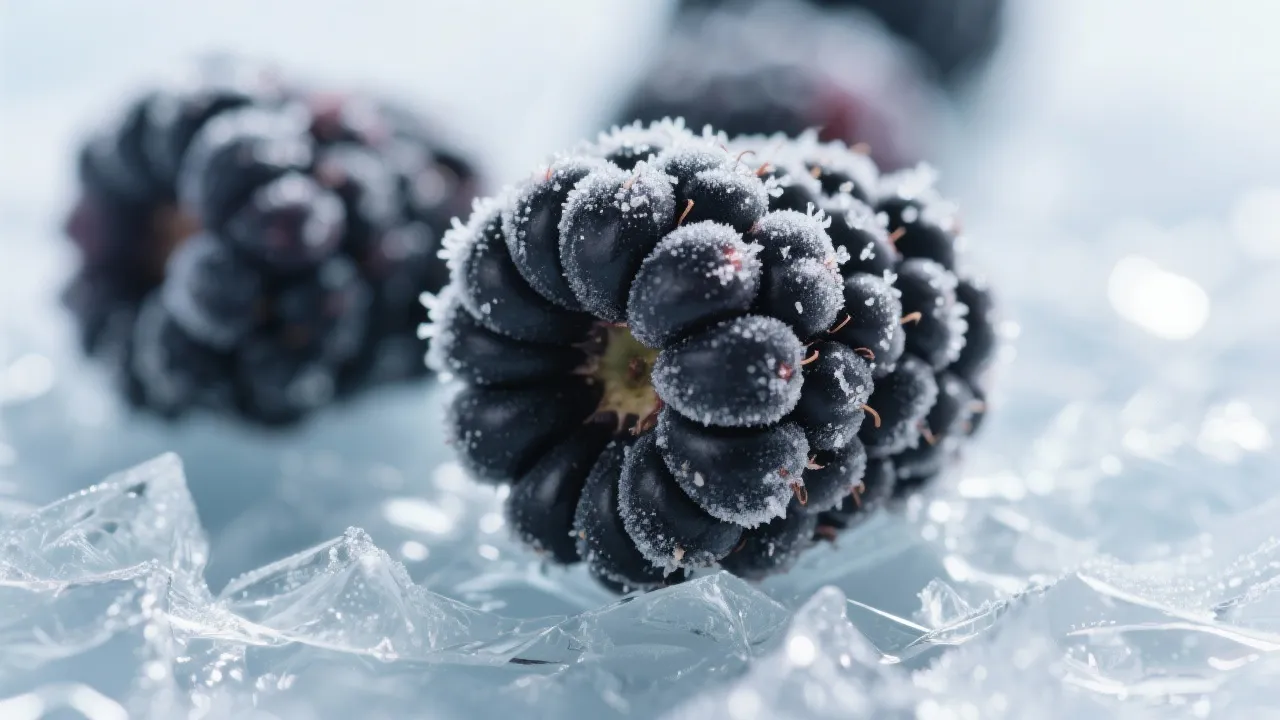
Advanced freezing technology plays a pivotal role in preserving both nutritional value and sensory attributes. IQF systems flash-freeze berries within 15-20 minutes of harvest, creating small ice crystals that minimize cellular damage. This process retains up to 95% of the fruit's original nutritional content and ensures the product maintains its shape, color, and flavor upon thawing—critical factors for premium juice, jam, and dessert applications.
| Application | Key Quality Parameters | Optimal Processing Characteristics |
|---|---|---|
| Juice Production | High anthocyanin content, low seed content | 70-75% juice yield, deep purple color (CIE L*a*b* coordinates) |
| Jam & Preserves | Firm texture, balanced sugar-acid ratio | Whole or halved berries, 65-68°Brix final product |
| Frozen Desserts | Intact cell structure, vibrant color | Individual quick frozen, ≤8mm berry size, no sugar added |
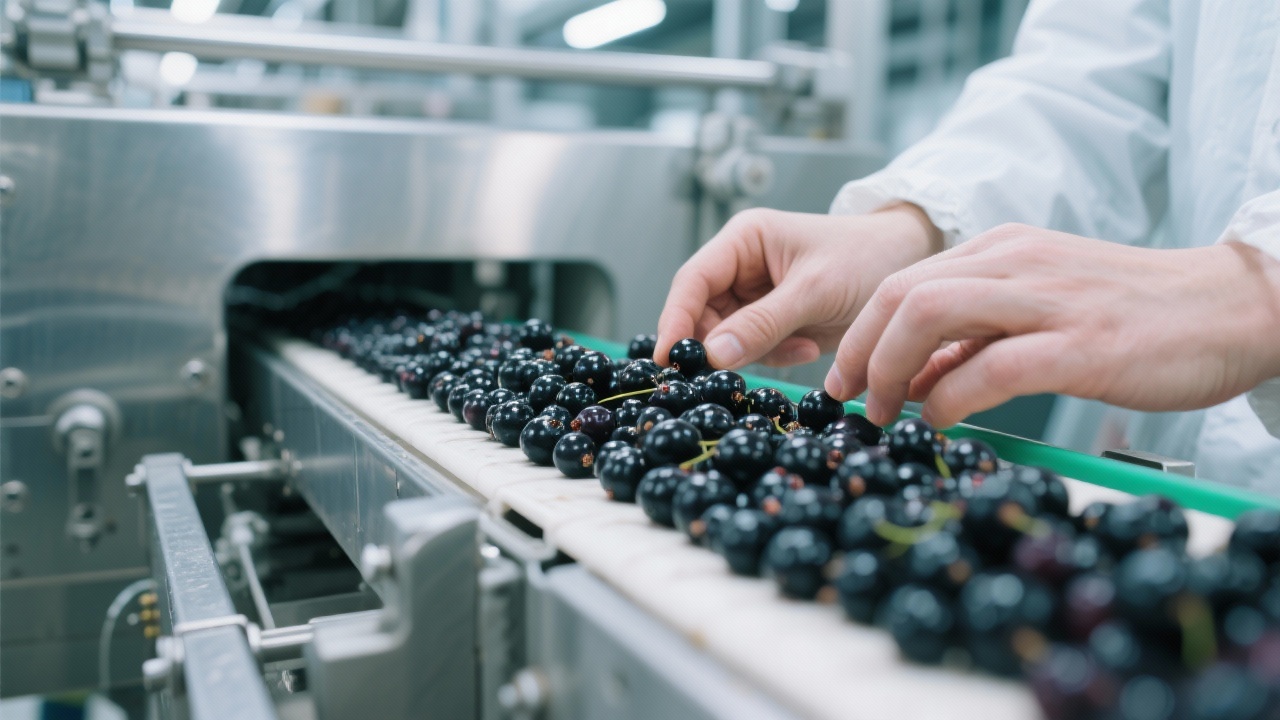
Navigating the complexities of EU import requirements demands a robust supply chain strategy that prioritizes transparency, traceability, and consistent quality control. Successful importers leverage integrated management systems that document every step from farm to fork, providing complete visibility for regulatory authorities and customers alike.
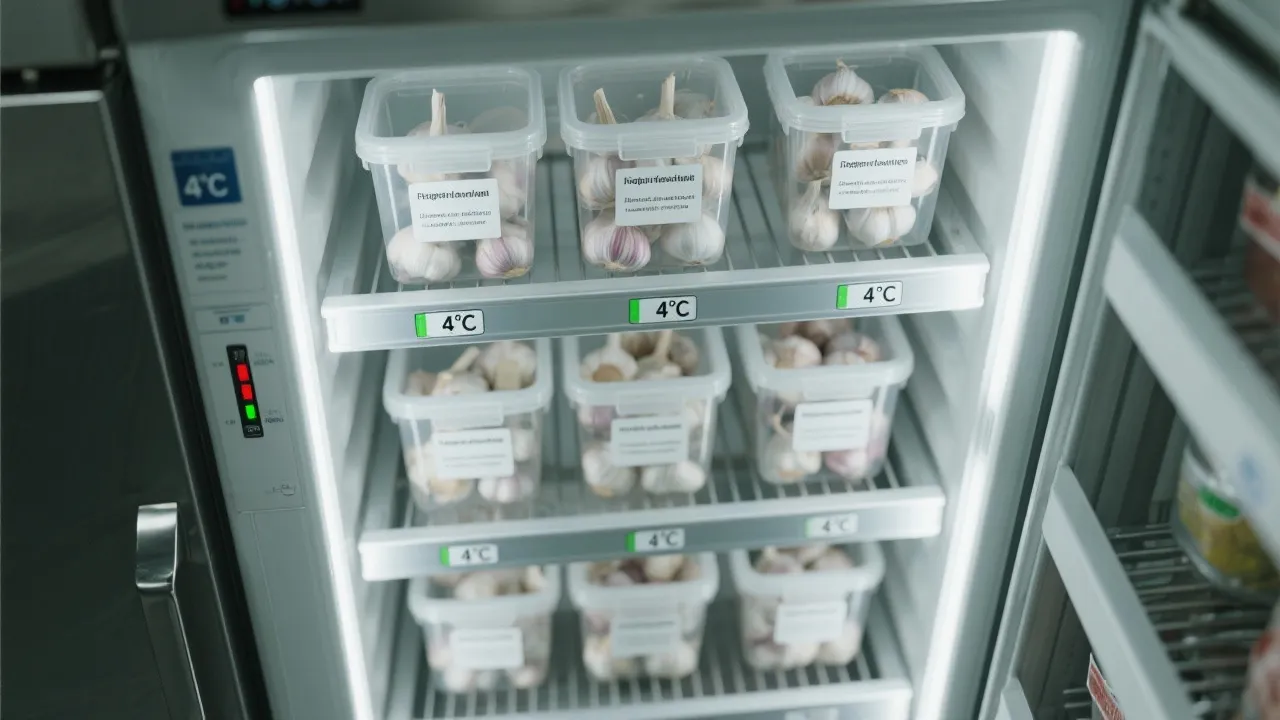
Key elements of an effective supply chain strategy include establishing long-term partnerships with certified growers, implementing real-time temperature monitoring during transportation, and maintaining comprehensive batch records for at least five years as required by EU regulations. Proactive quality control measures—such as pre-shipment inspection by third-party certification bodies like SGS or Intertek—significantly reduce the risk of non-compliance and product rejection at EU borders.
Partner with a trusted supplier boasting 15+ years of experience in EU export, fully certified HACCP, GlobalGAP, and BRC standards, and a proven track record of 99.7% compliance rate with EU import requirements.
Request Your Custom EU Compliance Audit & Sample PackFor European food processors and manufacturers, the ability to consistently source high-quality, fully compliant frozen blackcurrants directly impacts product quality, regulatory standing, and market competitiveness. By aligning with suppliers who prioritize HACCP certification, advanced processing technologies, and transparent supply chain management, businesses can confidently meet the evolving demands of European consumers while navigating the complex regulatory landscape with ease.

 480
|
480
|
 Freeze - dried raspberry powder supply chain management
Cross - border cold chain transportation standards
Multi - warehouse stocking mechanism
Freeze - dried fruit powder procurement strategy
Stable supply of export - grade raw materials
50
|
frozen berry HACCP certification
European food safety compliance
cold chain control in food processing
HACCP application in fruit freezing
EU import food regulations
97
|
organic frozen blackberry smoothie recipe
frozen blackberry nutrition benefits
healthy smoothie搭配 guide
blackberry smoothie flavor enhancement
frozen fruit storage tips
48
|
organic frozen blackberries
frozen blackberry supply chain
high - quality frozen fruits
food safety certification
customized packaging service
301
|
small batch trial orders
OEM labeling customization
frozen fruit packaging solutions
flexible food supply chain procurement
startup-friendly frozen fruit category
Freeze - dried raspberry powder supply chain management
Cross - border cold chain transportation standards
Multi - warehouse stocking mechanism
Freeze - dried fruit powder procurement strategy
Stable supply of export - grade raw materials
50
|
frozen berry HACCP certification
European food safety compliance
cold chain control in food processing
HACCP application in fruit freezing
EU import food regulations
97
|
organic frozen blackberry smoothie recipe
frozen blackberry nutrition benefits
healthy smoothie搭配 guide
blackberry smoothie flavor enhancement
frozen fruit storage tips
48
|
organic frozen blackberries
frozen blackberry supply chain
high - quality frozen fruits
food safety certification
customized packaging service
301
|
small batch trial orders
OEM labeling customization
frozen fruit packaging solutions
flexible food supply chain procurement
startup-friendly frozen fruit category





.png?x-oss-process=image/resize,h_100,m_lfit/format,webp)
.png?x-oss-process=image/resize,h_100,m_lfit/format,webp)
.png?x-oss-process=image/resize,h_100,m_lfit/format,webp)
 English


