
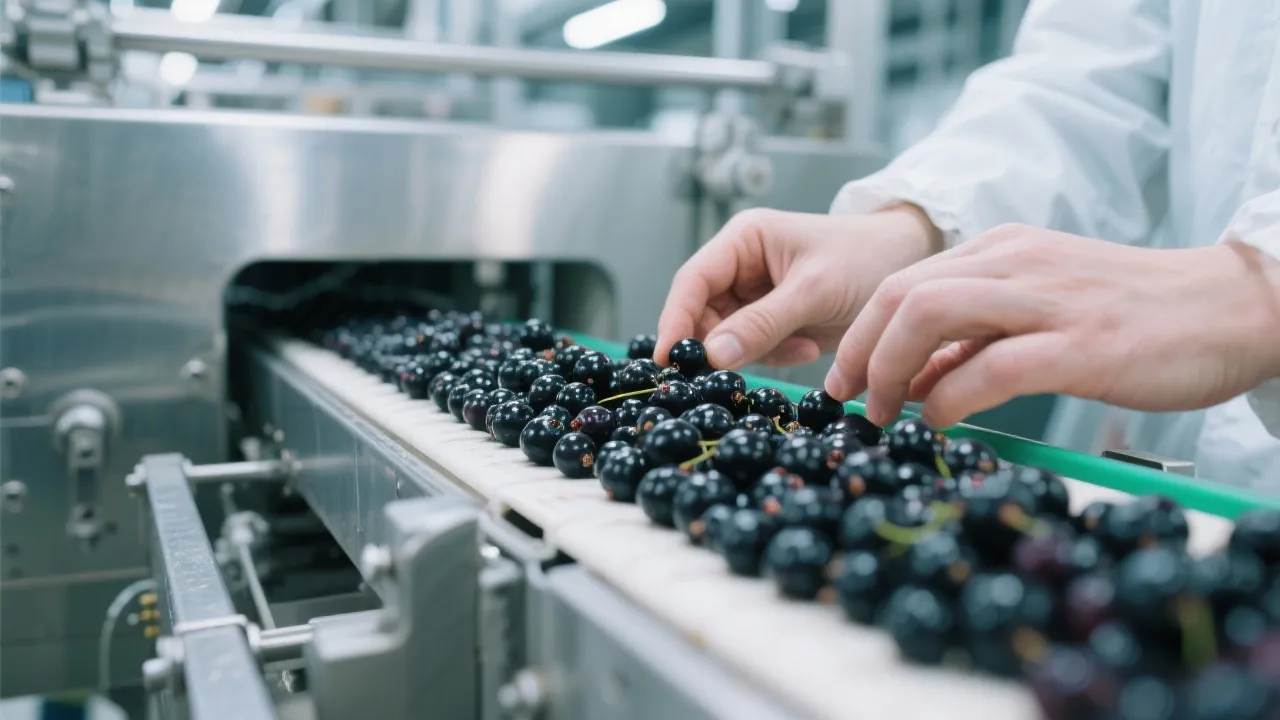
As a procurement manager or supply chain leader aiming to bring frozen blackcurrant fruits into the European market, navigating the complex maze of European Union (EU) food import regulations is essential. The rising stringency of these rules ensures consumer safety but also raises the bar for exporters. This guide dives into key regulatory requirements, HACCP certification essentials, and critical quality parameters—helping you identify suppliers who meet compliance without compromising cost-efficiency.
Frozen fruit imports, particularly blackcurrants, fall under strict food safety laws established by the European Food Safety Authority (EFSA) and enforced by EU institutions. Companies must comply with regulations including Regulation (EC) No 178/2002 for food safety, hygiene protocols per Regulation (EC) No 852/2004, and traceability requirements in Regulation (EC) No 1169/2011.
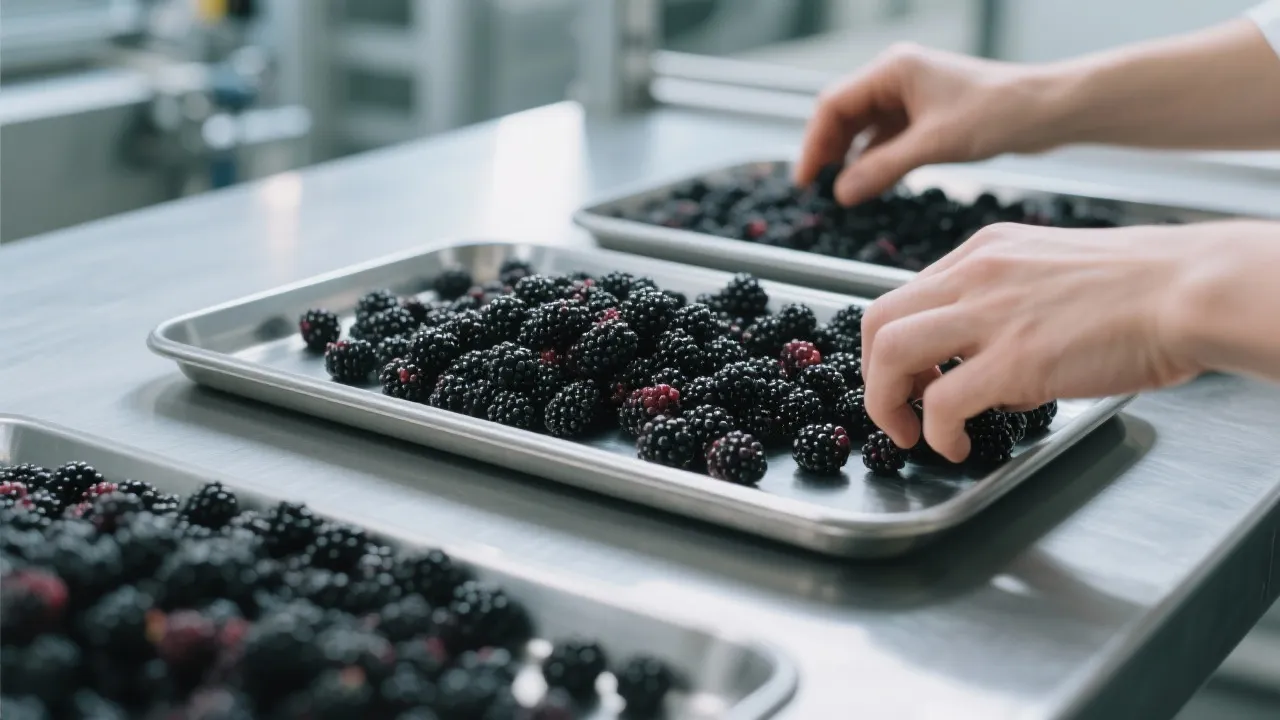
HACCP (Hazard Analysis and Critical Control Points) certification remains the gold standard, mandating rigorous control of biological, chemical, and physical hazards at every stage of food production. For frozen blackcurrants, this means post-harvest handling, freezing processes, and cold chain management align with certified standards, minimizing microbial contamination risks.
The fruit’s geographical origin significantly impacts its compliance and quality. Top-tier blackcurrant production zones—such as Poland, Germany, and the UK—offer favorable climates and agricultural standards that align naturally with EU expectations. When evaluating suppliers, look for data-backed parameters like an average whole-fruit yield (whole blackcurrants free from mechanical damage) greater than 95%. This metric correlates directly to processing efficiency by reducing waste and boosting final product quality.
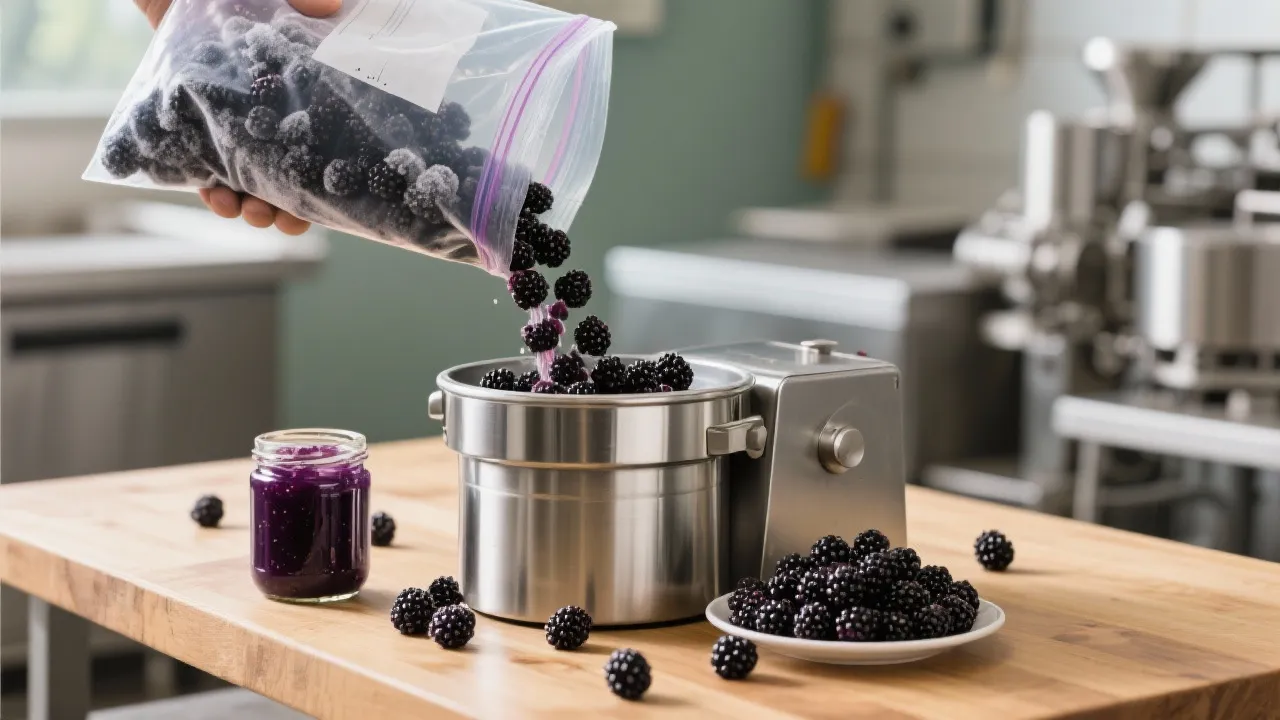
Compared with traditional freezing, rapid freezing techniques—such as Individual Quick Freezing (IQF)—enhance fruit preservation by locking in vitamins, antioxidants, and texture. Research indicates IQF can retain up to 20% more vitamin C and maintain sensory properties closer to fresh fruit than slow freezing methods. This distinction is crucial for ingredients destined for juice, jam, and frozen dessert production, where flavor profiles heavily influence end-product acceptance.
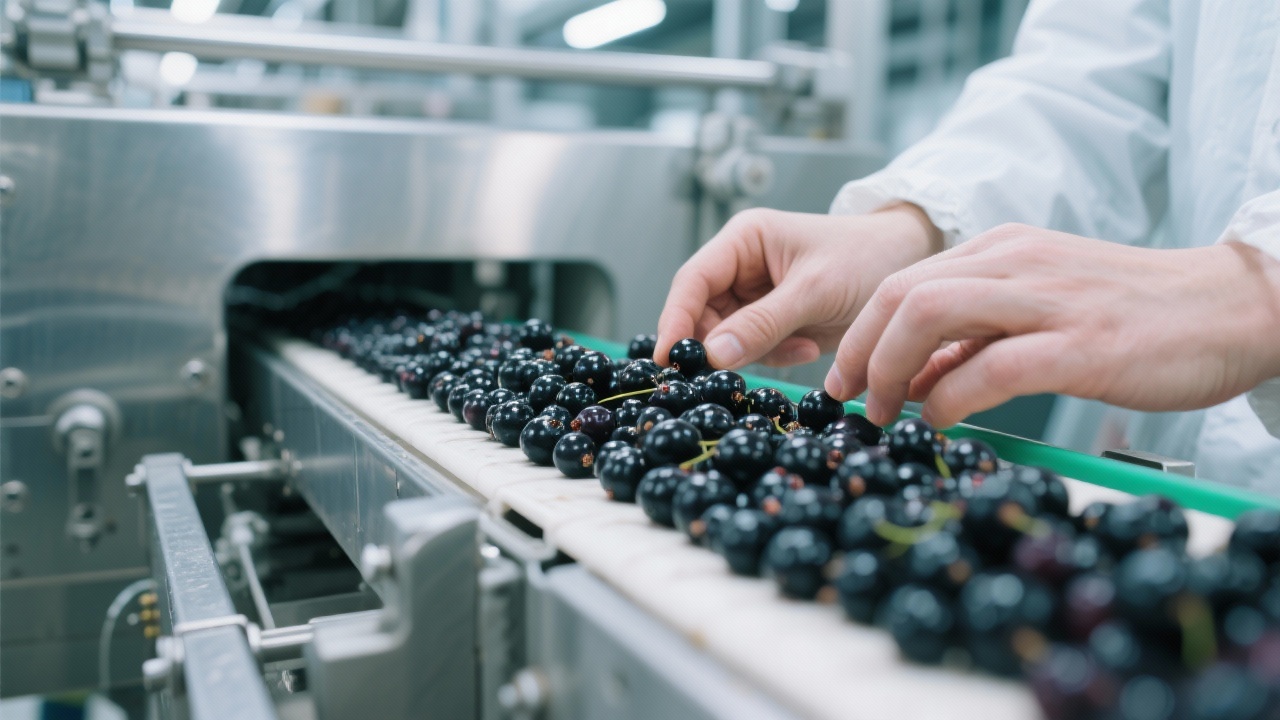
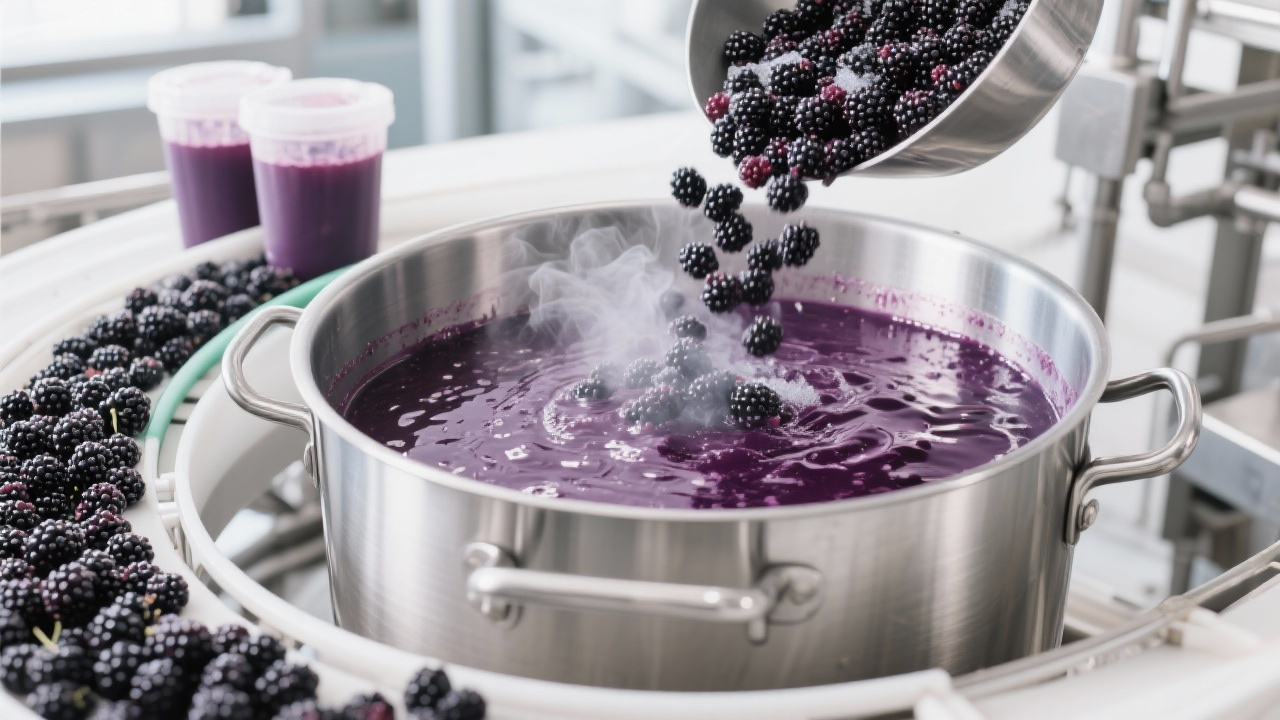
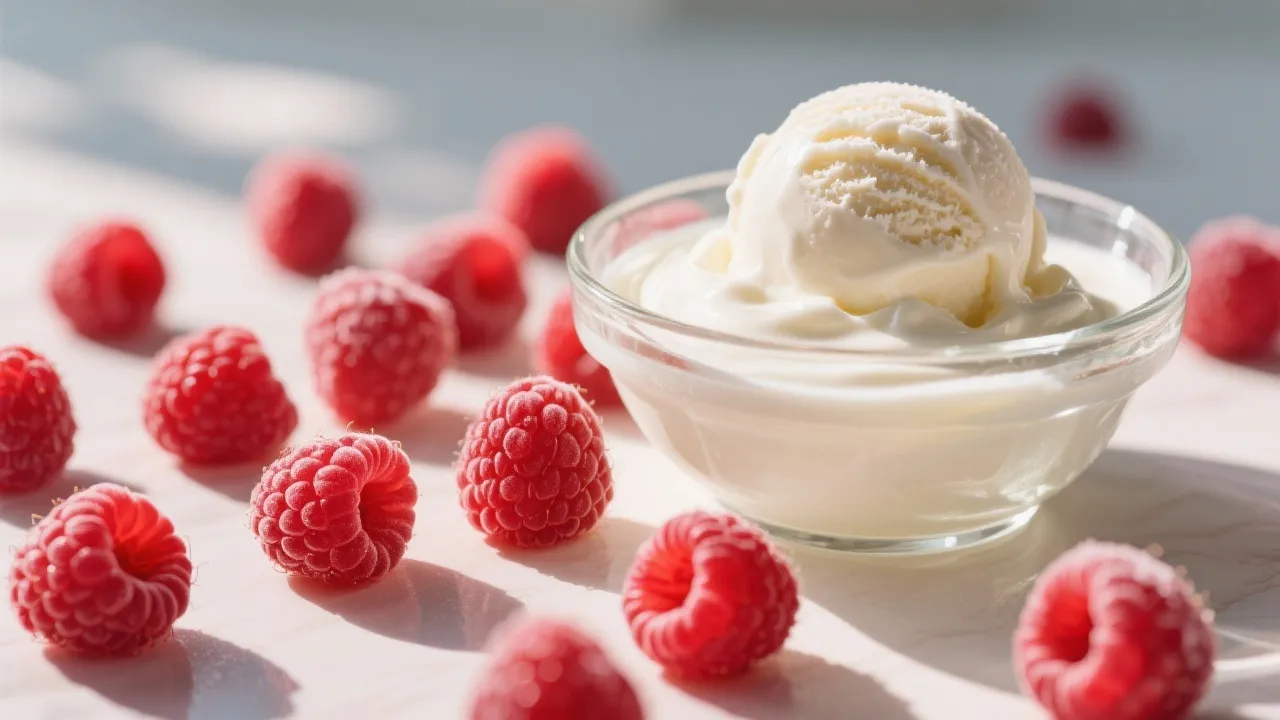
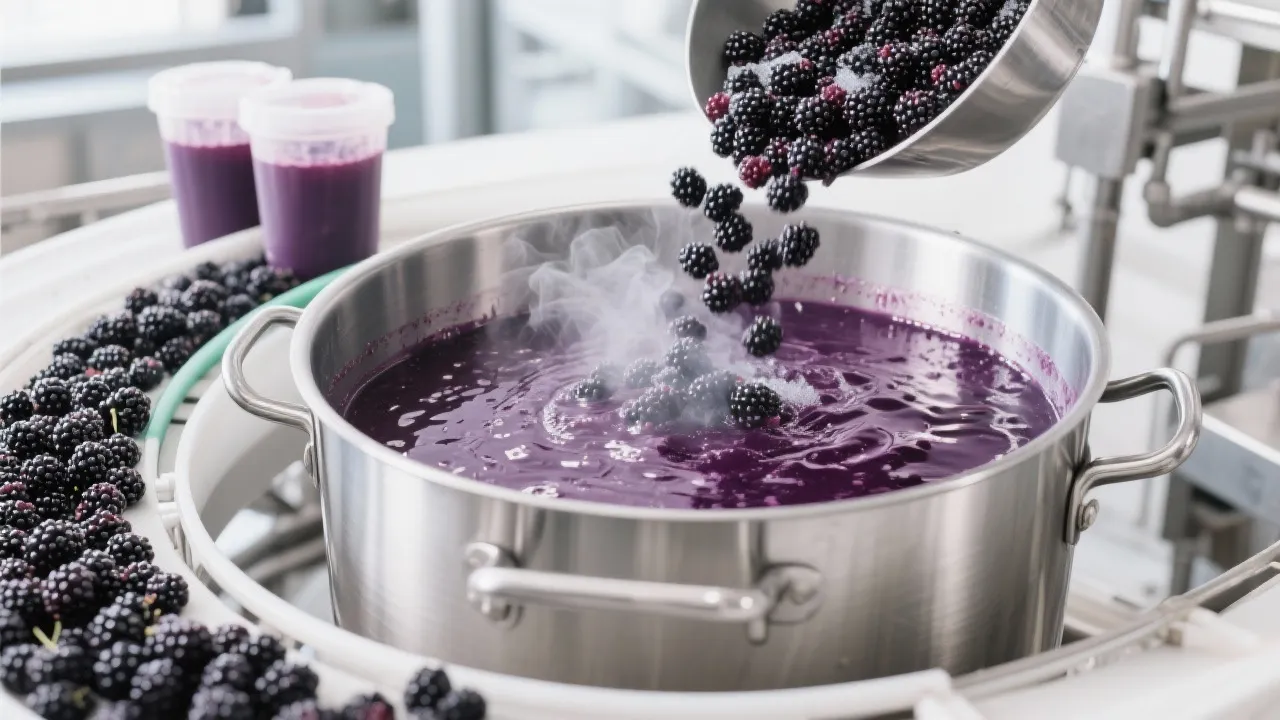
Frozen blackcurrants procured under strict EU conformity find versatile use across processing sectors:
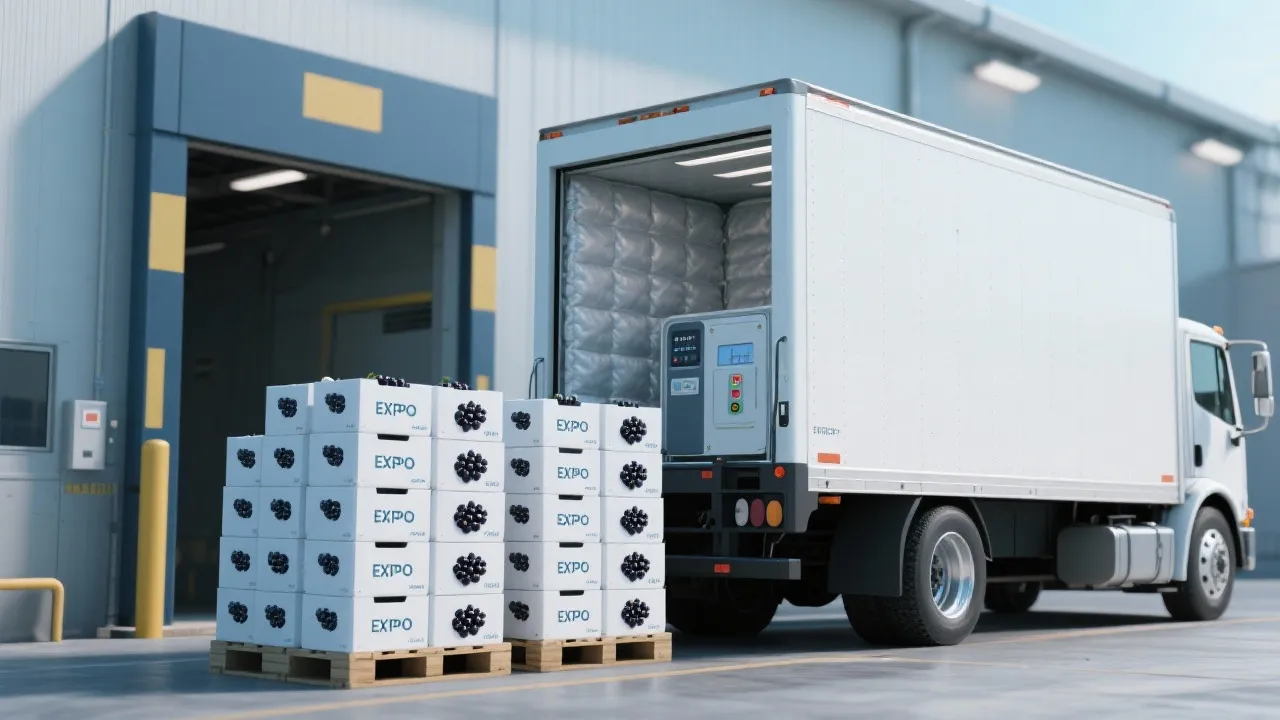
To minimize import risk and support supply chain stability, look for partners who demonstrate:
Empirical evidence reinforces these compliance approaches. European buyers regularly require documentation verifying whole fruit integrity >95% and microbial contamination below EU thresholds (< 100 cfu/g). Additionally, the frozen fruit market in the EU has grown by approximately 8% year-over-year, driven by rising demand for natural and clean-label ingredients.
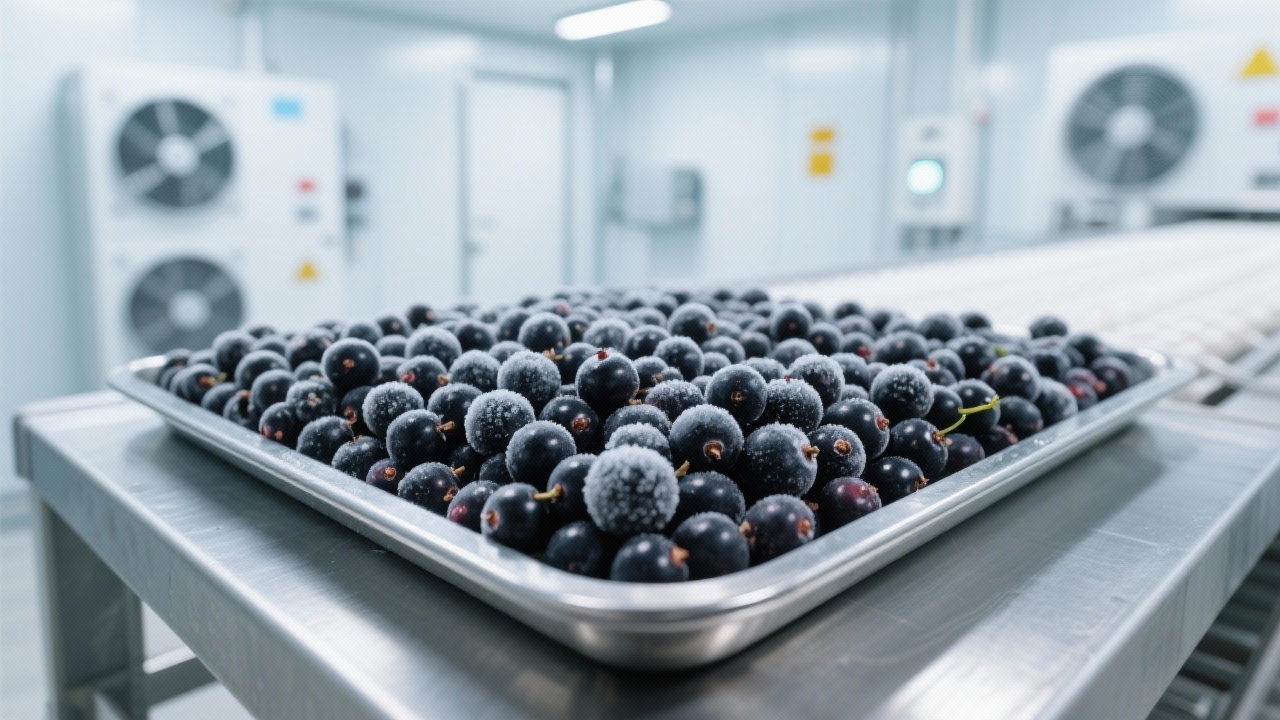
Keeping abreast of regulatory updates from official EU sources and investing in partnerships with HACCP-certified producers safeguard your downstream processes and protect your brand reputation.
By integrating regulatory knowledge with practical quality benchmarks and supplier vetting criteria, you position your enterprise to successfully penetrate and thrive within the European frozen fruit sector. Initiate pilot orders, verify certifications, and establish cold chain assurances now to avoid costly non-compliance delays later.

 82
|
82
|
 liquid nitrogen freezing technology
black currant freezing process
nutrient retention in frozen berries
cold chain logistics for fruit
industrial fruit quality control
189
|
raspberry raw material pilot trials
nutrition beverage R&D
small batch trial process
excipient compatibility testing
functional food development
391
|
frozen blackberry export
halal certification for food
haccp iso 22000 compliance
organic frozen fruit
clean label food certification
475
|
freeze dried raspberry powder export
-18c cold chain transport
food grade cold storage logistics
supply chain temperature monitoring
raspberry powder quality assurance
207
|
raspberry raw material validation
small-scale trial production
functional food development
raw material compatibility testing
multi-scenario adaptation
liquid nitrogen freezing technology
black currant freezing process
nutrient retention in frozen berries
cold chain logistics for fruit
industrial fruit quality control
189
|
raspberry raw material pilot trials
nutrition beverage R&D
small batch trial process
excipient compatibility testing
functional food development
391
|
frozen blackberry export
halal certification for food
haccp iso 22000 compliance
organic frozen fruit
clean label food certification
475
|
freeze dried raspberry powder export
-18c cold chain transport
food grade cold storage logistics
supply chain temperature monitoring
raspberry powder quality assurance
207
|
raspberry raw material validation
small-scale trial production
functional food development
raw material compatibility testing
multi-scenario adaptation



.png?x-oss-process=image/resize,h_100,m_lfit/format,webp)
.png?x-oss-process=image/resize,h_100,m_lfit/format,webp)
.png?x-oss-process=image/resize,h_100,m_lfit/format,webp)
 English


