
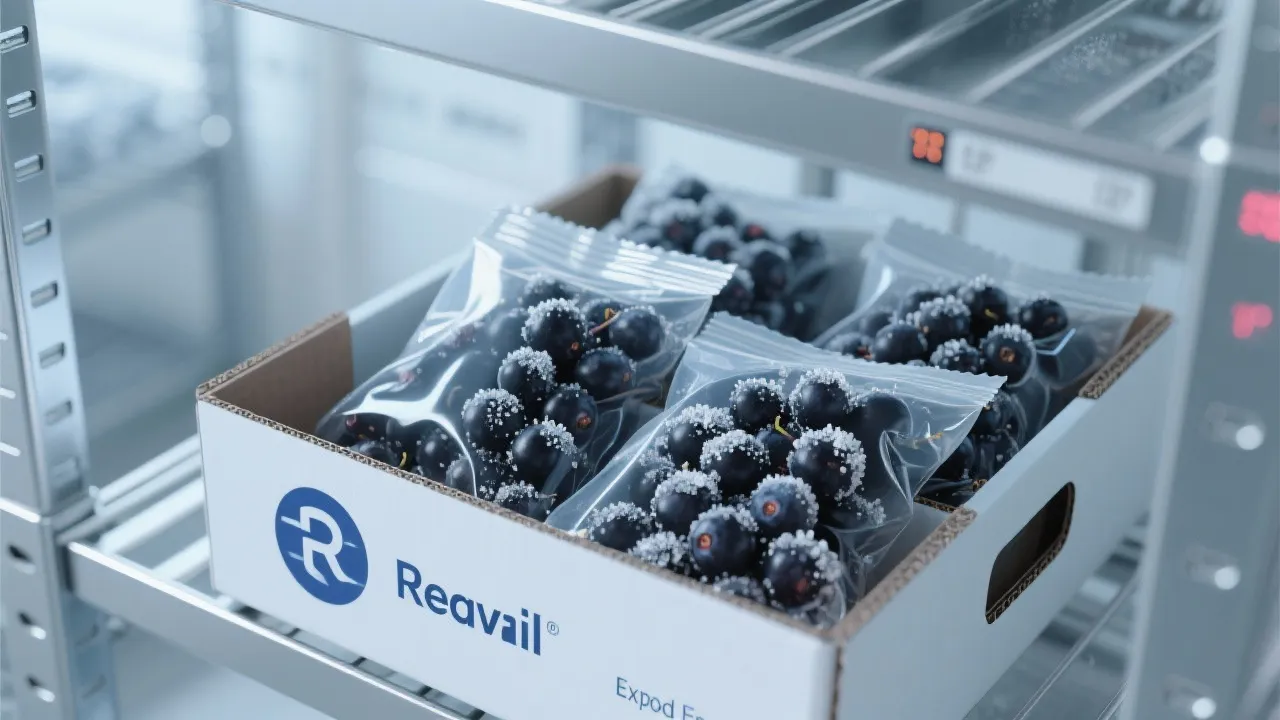
As a B2B food formulator or R&D manager, you know that delivering real health benefits—especially from powerful antioxidants like anthocyanins—isn’t just about adding ingredients. It’s about preserving their bioavailability through smart formulation and processing.
According to a 2023 report by Grand View Research, the global functional food market is projected to reach $472 billion by 2030, with berry-based powders leading demand for natural colorants and health-promoting actives. Yet many brands fail at scale because they overlook one critical factor: how to protect sensitive compounds like anthocyanins during production.
Freeze-drying (lyophilization) isn't just a trendy tech—it's your best defense against thermal degradation. Studies show it preserves up to 92% of anthocyanins compared to spray drying (which can drop this to 58–65%) under similar conditions. The key? Rapid freezing followed by sublimation under vacuum, which minimizes oxidative stress on delicate molecules.
“In our lab tests, freeze-dried raspberry powder retained its antioxidant capacity (ORAC value) over 6 months when stored at 4°C—a crucial benchmark for shelf-stable functional foods.”
— Dr. Lena Kim, Senior R&D Scientist, NutriTech Solutions
Anthocyanins are pH-sensitive—they degrade quickly above pH 4.5. For products like protein bars or meal replacement powders, buffering agents such as citric acid or sodium citrate help maintain optimal acidity (pH 3.0–4.0). Meanwhile, carriers matter: maltodextrin offers good solubility but may mask flavor, while rice flour provides better mouthfeel without altering taste profiles.
We’ve seen successful case studies where combining low-pH buffers with microcrystalline cellulose improved both dispersion and sensory acceptability in pressurized tablets—without compromising stability.
The biggest challenge isn’t creating a prototype—it’s scaling it. That’s why we recommend running accelerated stability tests (40°C/75% RH) for at least 3 months before mass production. Use HPLC to monitor anthocyanin loss over time, and pair it with consumer panel testing to ensure flavor consistency across batches.
One client, a U.S.-based sports nutrition brand, achieved a 90% reduction in batch rejection after implementing these steps. Their protein bar now maintains >85% anthocyanin retention even after 12 weeks of storage—proof that science-backed design beats guesswork every time.
Download our free technical guide: “Practical Strategies for Enhancing Anthocyanin Bioavailability in Freeze-Dried Raspberry Powder” — complete with process flowcharts, pH optimization tables, and real-world case studies from top-tier clients.
Get the Technical Manual + Sample PackWhether you're developing a new line of functional snacks or reformulating an existing product, understanding how to preserve the power of freeze-dried red raspberry powder will give you a competitive edge—not just in labs, but in the marketplace.


.png?x-oss-process=image/resize,h_100,m_lfit/format,webp)
.png?x-oss-process=image/resize,h_100,m_lfit/format,webp)
.png?x-oss-process=image/resize,h_100,m_lfit/format,webp)
 English


